


Features
Ankle Replacement
Ankle Replacement Surgery: Complete Guide for Patients
Ankle replacement surgery, also known as total ankle replacement or total ankle arthroplasty, is an advanced orthopedic procedure used to treat severe ankle arthritis and chronic ankle pain. This surgery helps restore ankle joint movement, improve mobility, and enhance overall quality of life for patients who have not responded to non-surgical treatments.
What Is Ankle Replacement Surgery?
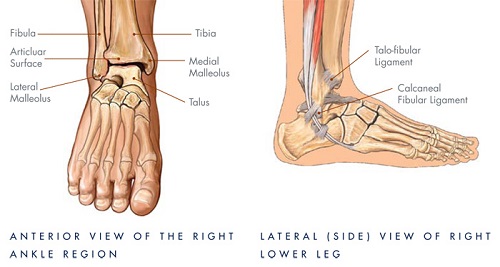
Ankle replacement surgery involves removing damaged cartilage and bone from the ankle joint and replacing them with artificial ankle joint implants made of metal and high‑grade plastic. The goal of ankle joint replacement is to reduce pain while preserving natural ankle motion.
Common Conditions Treated by Ankle Replacement
- End-stage ankle arthritis
- Osteoarthritis of the ankle
- Post-traumatic ankle arthritis
- Rheumatoid arthritis
- Chronic ankle joint pain and stiffness
Who Is an Ideal Candidate for Ankle Replacement?
- Adults with severe ankle pain and limited movement
- Patients with failed conservative treatments
- Individuals seeking an alternative to ankle fusion surgery
- Patients with good bone quality and proper ankle alignment
Ankle Replacement Procedure Step by Step
- Preoperative evaluation including X-rays and MRI/CT scans
- Administration of general or spinal anesthesia
- Surgical incision at the front of the ankle
- Removal of damaged cartilage and bone
- Placement of ankle replacement implant
- Testing joint stability and ankle range of motion
- Wound closure and sterile dressing
How Long Does Ankle Replacement Surgery Take?
- Surgery time: 2 to 3 hours
- Hospital stay after ankle replacement: 2 to 4 days
- Initial recovery phase: 6 to 8 weeks
- Full ankle replacement recovery: 6 to 12 months
Benefits of Ankle Replacement Surgery
- Long-term relief from ankle arthritis pain
- Preservation of ankle joint motion
- Improved walking and standing ability
- More natural gait compared to ankle fusion
- Reduced stress on nearby joints
Risks and Disadvantages of Ankle Replacement
- Infection after ankle surgery
- Blood clots
- Implant loosening or wear
- Nerve or blood vessel injury
- Need for revision ankle replacement surgery
Postoperative Care and Rehabilitation After Ankle Replacement
- Phase 1 (0–2 weeks): Rest, swelling control, non‑weight‑bearing
- Phase 2 (2–6 weeks): Gentle ankle exercises, partial weight‑bearing
- Phase 3 (6–12 weeks): Strengthening, balance, gait training
Phase 4 (3–6 months): Return to daily activities and low‑impact exercise
Long-Term Results and Implant Lifespan
Modern ankle replacement implants typically last 10 to 15 years. With proper rehabilitation, lifestyle modification, and follow‑up care, most patients experience lasting pain relief and improved ankle function.
Conclusion
Total ankle replacement surgery is an effective treatment option for patients with advanced ankle arthritis who want pain relief without sacrificing joint movement. Choosing an experienced orthopedic surgeon and following a structured rehabilitation program are key factors for successful ankle replacement outcomes.
Exploring Better Healthcare Solutions?
Mufa MediTourism is committed to helping you make informed healthcare decisions. With trusted medical partners and patient-centric support, we believe quality care leads to better outcomes.
More we care more we cure