


Features
knee Replacement
Introduction
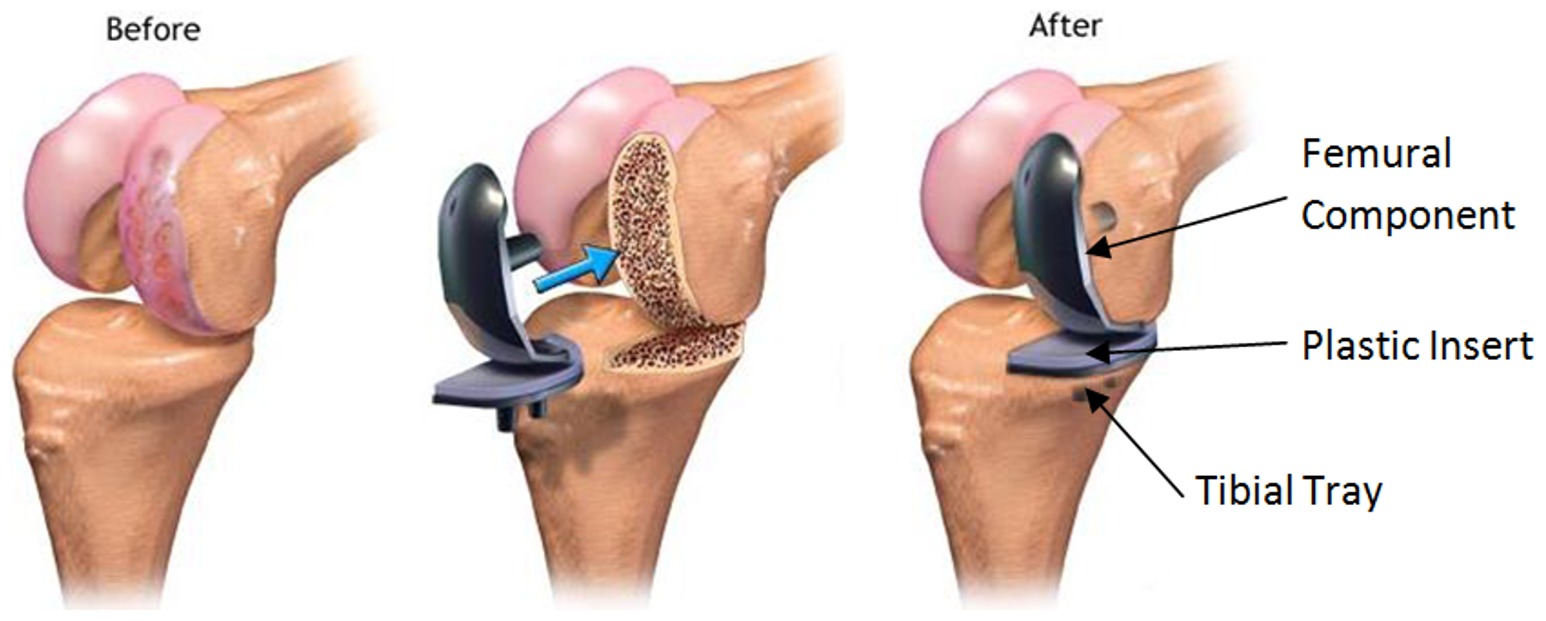
Knee replacement surgery is a life-changing orthopedic procedure designed to relieve chronic knee pain and restore mobility. India has emerged as a global leader in advanced knee treatment, offering minimally invasive and robotic-assisted knee replacement with high success rates and faster recovery.
Modern knee replacement is painless, safe, fast to recover, and supported by robotic precision. Patients often say they wish they had done the surgery earlier. Knee Replacement surgery in India has one of the highest success rates globally. With modern implants and robotic precision, outcomes are long-lasting and predictable.
Who Is the Right Candidate for Knee Replacement?
People suffering from long-term knee pain, stiffness, or restricted movement that limits their lifestyle may be ideal candidates. Those who no longer benefit from medicines, physiotherapy, or injections often require knee replacement for permanent relief.
Ideal Candidate – List
· Severe knee pain limiting walking
· Pain affecting sleep
· Knee stiffness or bending difficulty
· Failure of physiotherapy & injections
· Knee deformity (bow legs/knock knees)
· Dependence on support
Knee replacement treats multiple conditions where cartilage damage is severe and permanent.
Conditions – List
· Osteoarthritis
· Rheumatoid arthritis
· Post-traumatic arthritis
· Avascular necrosis
· Cartilage loss
· Knee deformities
Expected Results After Knee Replacement
Patients experience dramatic improvements such as painless walking, smooth mobility, and freedom from dependency after knee replacement. Most reclaim an active, confident, and independent life soon after surgery.
Results
· 90–95% pain reduction
· Walk without support
· Better flexibility
· Improved posture
· Normal sleep
· Return to daily activities
Lifespan
· Success rate: 95–98%
· Implant life: 20–25 years
· Very low complication rate
Types of Knee Replacement
Depending on severity, doctors choose the best procedure for each patient.
Types:
· Total Knee Replacement (TKR)
· Partial Knee Replacement (PKR)
· Robotic Knee Replacement
Robotic Knee Replacement
Robotic knee replacement is the most advanced method. The robotic system creates a 3D model of the knee and guides the surgeon for perfect implant placement. The robot does NOT perform the surgery; the surgeon fully controls it.
Robotic Advantages
· 3D customized surgical planning
· Minimal pain & incision
· Faster recovery
· Accurate alignment
· Longer implant lifespan
Choosing the Right Doctor
Knee replacement must be performed by a skilled orthopedic & joint replacement surgeon trained in robotic and minimally invasive surgery.
Doctor
· Certified orthopedic surgeon
· Experienced in robotic surgery
· Works at NABH/JCI hospitals
· Strong patient results
How Knee Replacement Surgery Takes Place
Knee replacement is a structured and safe procedure performed under anesthesia. The surgical steps ensure precision, patient comfort, and fast recovery.
Steps
1. Pre-surgery evaluation
2. Anesthesia
3. Removal of damaged bone
4. Implant placement
5. Robotic alignment check
6. Incision closure
7. Walking within 24 hours
Post-Surgery Precautions
Precautions help ensure the implant lasts long and recovery stays smooth.
Precautions
· Follow physiotherapy
· Avoid squatting
· Maintain weight
· Avoid twisting
· Follow medicines
When Should You Approach a Doctor?
You should consult an orthopedic surgeon as soon as knee pain begins affecting your quality of life. Early diagnosis leads to better results and avoids worsening joint damage.
Visit a Doctor – List
· Pain for months
· Pain during rest
· Increased stiffness
· Dependence on support
· Worsening deformity
· Failed physiotherapy
Robotic vs Traditional
Robotic knee replacement provides unmatched accuracy, reduced pain, and faster healing compared to traditional methods.
Robotic vs Traditional
Robotic:
• 3D mapping
• High accuracy
• Faster recovery
Traditional:
• Manual alignment
• Higher pain
• Slower recovery
FAQs:
Q: Who is the right candidate?
A: Anyone with severe knee pain, stiffness, or limited movement not responding to treatment.
Q: Is knee replacement painful?
A: No. Modern anesthesia and minimally invasive techniques make it comfortable.
Q: How long does recovery take?
A: Walking starts in 24 hours; full recovery takes 6–12 months.
Q: How long does the implant last?
A: Modern implants last 20–25 years or more.
Q: Is robotic knee replacement better?
A: Yes, due to higher accuracy, less pain, and faster recovery.

Exploring Better Healthcare Solutions?
Mufa MediTourism is committed to helping you make informed healthcare decisions. With trusted medical partners and patient-centric support, we believe quality care leads to better outcomes.
More we care more we cure