
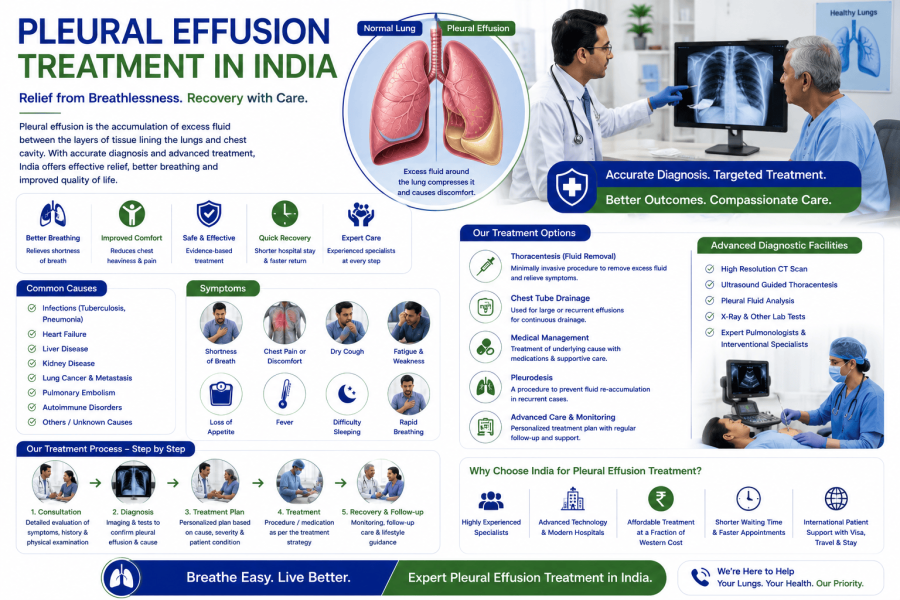
Thoracentesis generally takes 20 to 45 minutes, while Medical Thoracoscopy usually requires 30 to 90 minutes. VATS surgery typically takes 1 to 3 hours, depending on the complexity of the condition.
Patients undergoing thoracentesis are often discharged the same day. Patients requiring chest tube drainage, thoracoscopy, or VATS generally remain hospitalized for 2 to 7 days.
Thoracentesis is usually performed under local anesthesia. Medical thoracoscopy may require local anesthesia with sedation, while VATS surgery is performed under general anesthesia.
2,000 to 8,000 USD*
Pleural Effusion is a condition in which excess fluid accumulates between the layers of the pleura, the thin membranes surrounding the lungs. The buildup of fluid compresses the lungs, making breathing difficult and causing chest discomfort. Pleural effusion is not a disease itself but a complication of underlying conditions such as heart failure, pneumonia, tuberculosis (TB), lung cancer, kidney disease, liver disease, autoimmune disorders, or pulmonary embolism. Early diagnosis and appropriate treatment of both the fluid and its underlying cause are essential to prevent complications and restore normal lung function.
India has become one of the world's leading destinations for advanced and affordable Pleural Effusion treatment. Patients from Africa, the Middle East, and many other countries choose India because of its internationally accredited hospitals, experienced pulmonologists, thoracic surgeons, interventional pulmonologists, and advanced respiratory care centers equipped with modern diagnostic and minimally invasive treatment facilities at significantly lower costs than many developed countries.
Recent advancements in pleural disease management have significantly improved patient outcomes. Leading hospitals in India now offer Thoracic Ultrasound-Guided Thoracentesis, Medical Thoracoscopy (Pleuroscopy), Video-Assisted Thoracoscopic Surgery (VATS), Endobronchial Ultrasound (EBUS), Pleural Biopsy, Indwelling Pleural Catheter (IPC) Placement, Pleurodesis, Digital Chest Drainage Systems, AI-assisted Chest Imaging, Advanced Pleural Fluid Analysis, and Minimally Invasive Thoracic Surgery. These technologies improve diagnostic accuracy, reduce recurrence, shorten recovery time, and minimize complications.
Whether you have pleural effusion due to infection, tuberculosis, cancer, heart disease, liver disease, kidney disease, or other causes, India offers comprehensive treatment with international standards of quality, safety, and personalized patient care.
Patients with Pleural Effusion may experience:
Patients experiencing progressive breathlessness or persistent chest symptoms should seek immediate medical evaluation.
Several conditions increase the risk of Pleural Effusion, including:
Before treatment, patients undergo a comprehensive evaluation to determine the amount of fluid, its cause, and the most appropriate treatment approach.
Diagnostic tests may include:
International patients can submit their medical reports online to receive an expert opinion before travelling to India.
Treatment depends on the amount of pleural fluid, symptoms, and the underlying cause.
A thin needle is inserted under ultrasound guidance to safely drain excess pleural fluid, relieve breathlessness, and obtain samples for laboratory analysis.
A chest drain is inserted to continuously remove large amounts of fluid, infected fluid (empyema), or recurrent pleural effusion.
A minimally invasive procedure that allows direct visualization of the pleural cavity, pleural biopsy, and treatment of recurrent pleural diseases.
A specialized procedure in which medication is introduced into the pleural space to permanently seal the pleural layers and prevent recurrent pleural effusion, especially in malignant pleural effusions.
A soft catheter is placed to allow long-term drainage of recurrent pleural fluid at home, improving comfort and reducing repeated hospital visits.
Patients with recurrent pleural effusion, empyema, pleural tumors, or complex pleural disease may benefit from minimally invasive VATS for drainage, biopsy, decortication, or pleurodesis.
Long-term management focuses on treating the underlying condition such as tuberculosis, heart failure, cancer, kidney disease, or liver disease to prevent recurrence.
Treatment of the underlying disease with medications, antibiotics, anti-tubercular therapy, diuretics, or chemotherapy when indicated.
Ultrasound-guided fluid drainage for diagnosis and symptom relief.
Medical thoracoscopy, pleural biopsy, indwelling pleural catheter placement, and pleurodesis.
Video-Assisted Thoracoscopic Surgery (VATS) for complex pleural disease, empyema, recurrent pleural effusion, or pleural tumors.
Patients are carefully monitored to ensure complete lung expansion and prevent recurrence.
Post-treatment care includes:
Most patients experience significant improvement in breathing immediately after fluid drainage. Long-term recovery depends on successful treatment of the underlying disease and regular follow-up.
Patients are advised to attend scheduled medical reviews, complete prescribed medications, avoid smoking, maintain good nutrition, and seek prompt medical attention if symptoms recur. Advanced minimally invasive procedures such as VATS and pleurodesis have greatly reduced recurrence rates and improved long-term quality of life.
Patients with Pleural Effusion may experience:
Patients experiencing progressive breathlessness or persistent chest symptoms should seek immediate medical evaluation.
Several conditions increase the risk of Pleural Effusion, including:
Before treatment, patients undergo a comprehensive evaluation to determine the amount of fluid, its cause, and the most appropriate treatment approach.
Diagnostic tests may include:
International patients can submit their medical reports online to receive an expert opinion before travelling to India.
Treatment depends on the amount of pleural fluid, symptoms, and the underlying cause.
A thin needle is inserted under ultrasound guidance to safely drain excess pleural fluid, relieve breathlessness, and obtain samples for laboratory analysis.
A chest drain is inserted to continuously remove large amounts of fluid, infected fluid (empyema), or recurrent pleural effusion.
A minimally invasive procedure that allows direct visualization of the pleural cavity, pleural biopsy, and treatment of recurrent pleural diseases.
A specialized procedure in which medication is introduced into the pleural space to permanently seal the pleural layers and prevent recurrent pleural effusion, especially in malignant pleural effusions.
A soft catheter is placed to allow long-term drainage of recurrent pleural fluid at home, improving comfort and reducing repeated hospital visits.
Patients with recurrent pleural effusion, empyema, pleural tumors, or complex pleural disease may benefit from minimally invasive VATS for drainage, biopsy, decortication, or pleurodesis.
Long-term management focuses on treating the underlying condition such as tuberculosis, heart failure, cancer, kidney disease, or liver disease to prevent recurrence.
Treatment of the underlying disease with medications, antibiotics, anti-tubercular therapy, diuretics, or chemotherapy when indicated.
Ultrasound-guided fluid drainage for diagnosis and symptom relief.
Medical thoracoscopy, pleural biopsy, indwelling pleural catheter placement, and pleurodesis.
Video-Assisted Thoracoscopic Surgery (VATS) for complex pleural disease, empyema, recurrent pleural effusion, or pleural tumors.
Patients are carefully monitored to ensure complete lung expansion and prevent recurrence.
Post-treatment care includes:
Most patients experience significant improvement in breathing immediately after fluid drainage. Long-term recovery depends on successful treatment of the underlying disease and regular follow-up.
Patients are advised to attend scheduled medical reviews, complete prescribed medications, avoid smoking, maintain good nutrition, and seek prompt medical attention if symptoms recur. Advanced minimally invasive procedures such as VATS and pleurodesis have greatly reduced recurrence rates and improved long-term quality of life.
Yes. Pleural Effusion treatment in India is considerably more affordable than in many developed countries while maintaining international standards of respiratory and thoracic care.
Pleural effusion may occur due to heart failure, pneumonia, tuberculosis, lung cancer, liver disease, kidney disease, pulmonary embolism, autoimmune disorders, or other medical conditions.
Recent advancements include ultrasound-guided thoracentesis, medical thoracoscopy, indwelling pleural catheter (IPC), pleurodesis, Video-Assisted Thoracoscopic Surgery (VATS), digital chest drainage systems, AI-assisted chest imaging, and advanced pleural fluid analysis.
Yes. Recurrence depends on the underlying cause. Procedures such as pleurodesis and indwelling pleural catheter placement can significantly reduce recurrence in selected patients.
Yes. International patients receive comprehensive assistance including online consultations, medical visas, accommodation, airport transfers, interpreter services, and long-term follow-up.
No. Many patients improve with thoracentesis and medical treatment. Surgery is usually reserved for recurrent, infected, malignant, or complex pleural diseases.
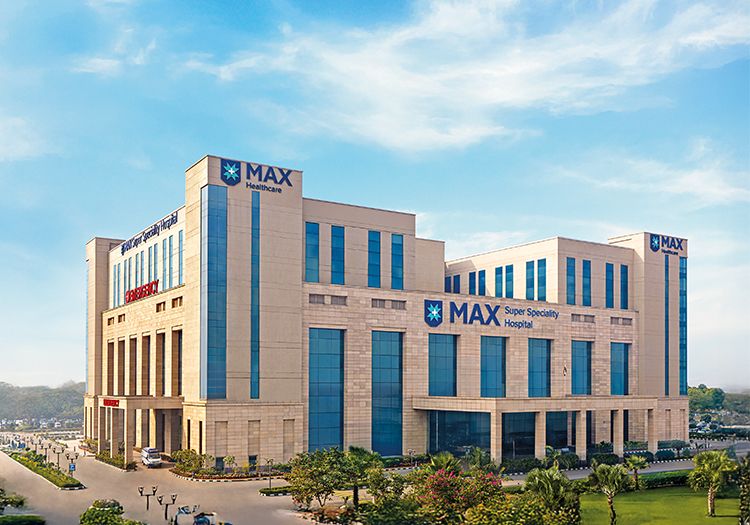
Jaypee Hospital Road, Goberdhanpur, Sector 128, Noida, Uttar Pradesh – 201304, India
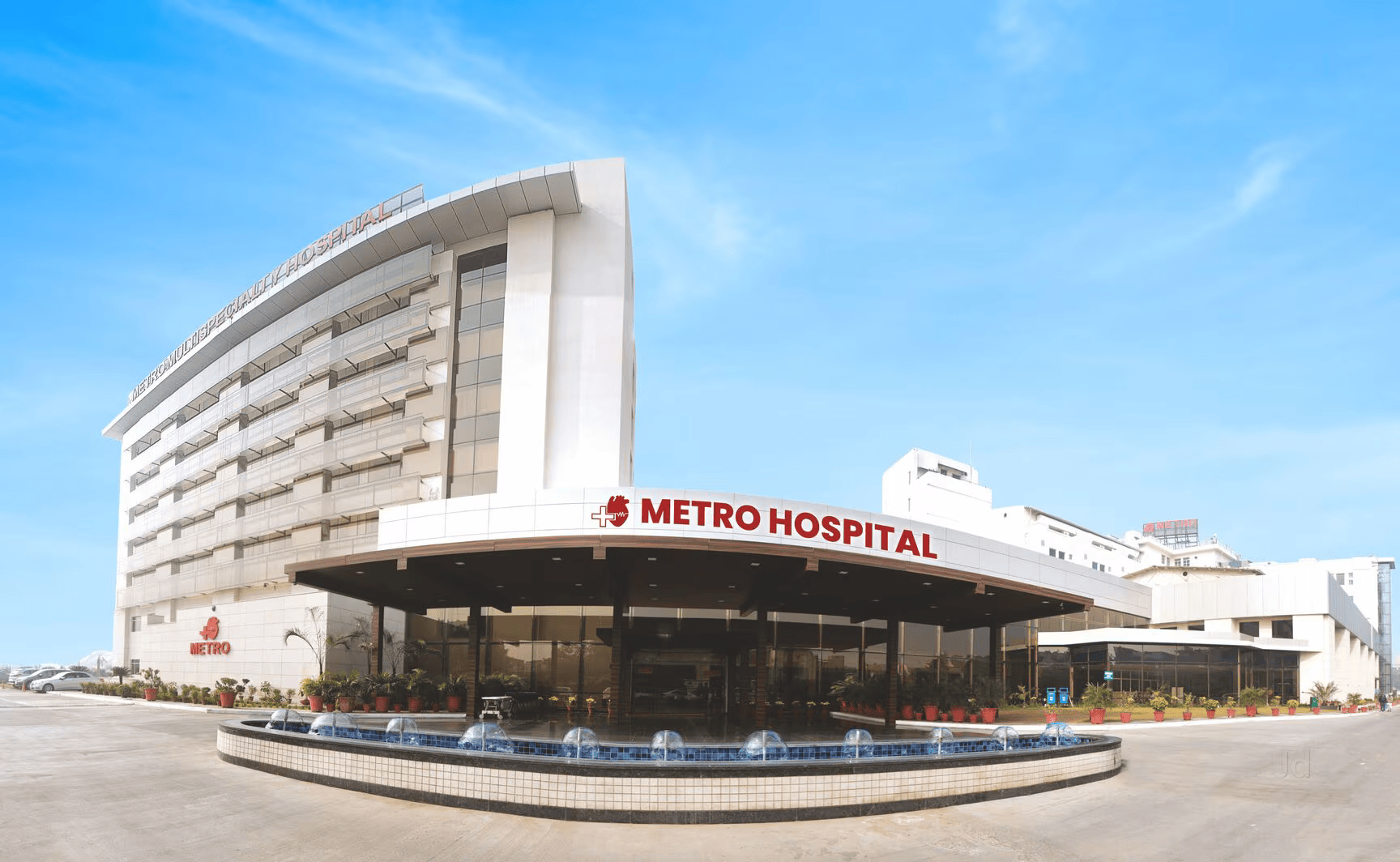
Sector 16A, Faridabad, Haryana – 121002, India
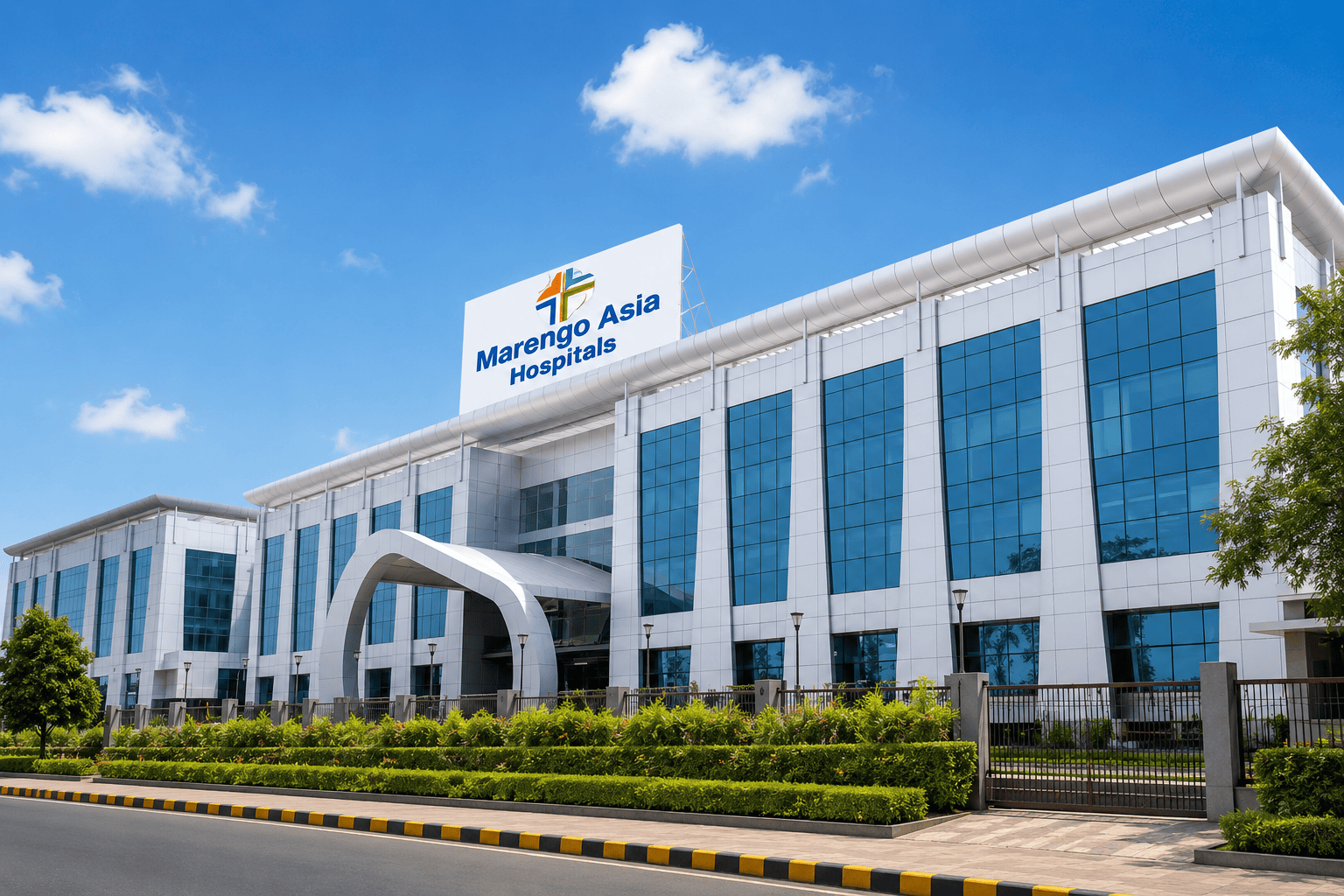
Plot No. 1, HUDA Staff Colony, Sector 16, Faridabad, Haryana – 121002, India
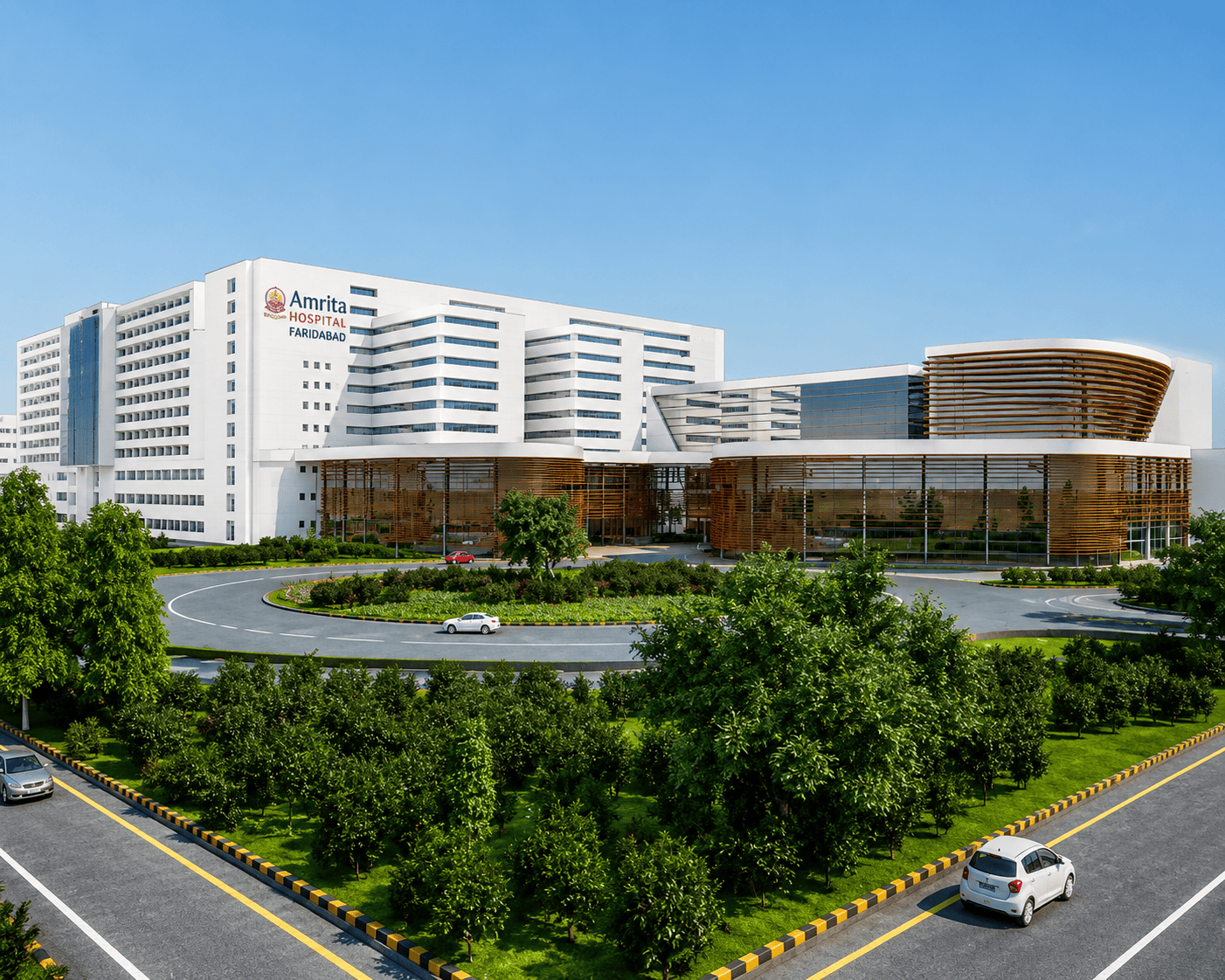
Mata Amritanandamayi Marg, Sector 88, Faridabad, Haryana – 121014, India
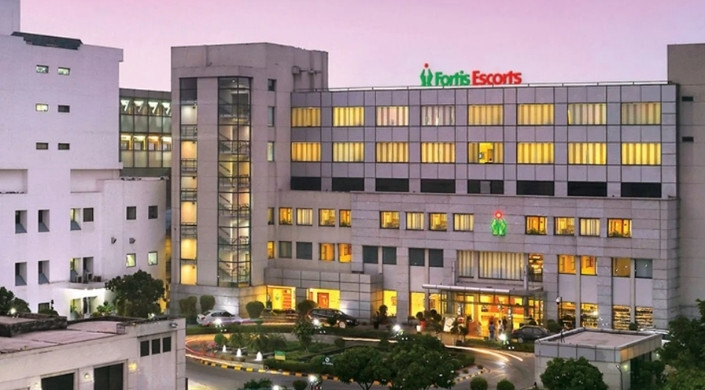
Okhla Road, Opposite Sukhdev Vihar Metro Station, New Delhi – 110025, India

Pusa Road, Rajendra Place, New Delhi – 110005, India
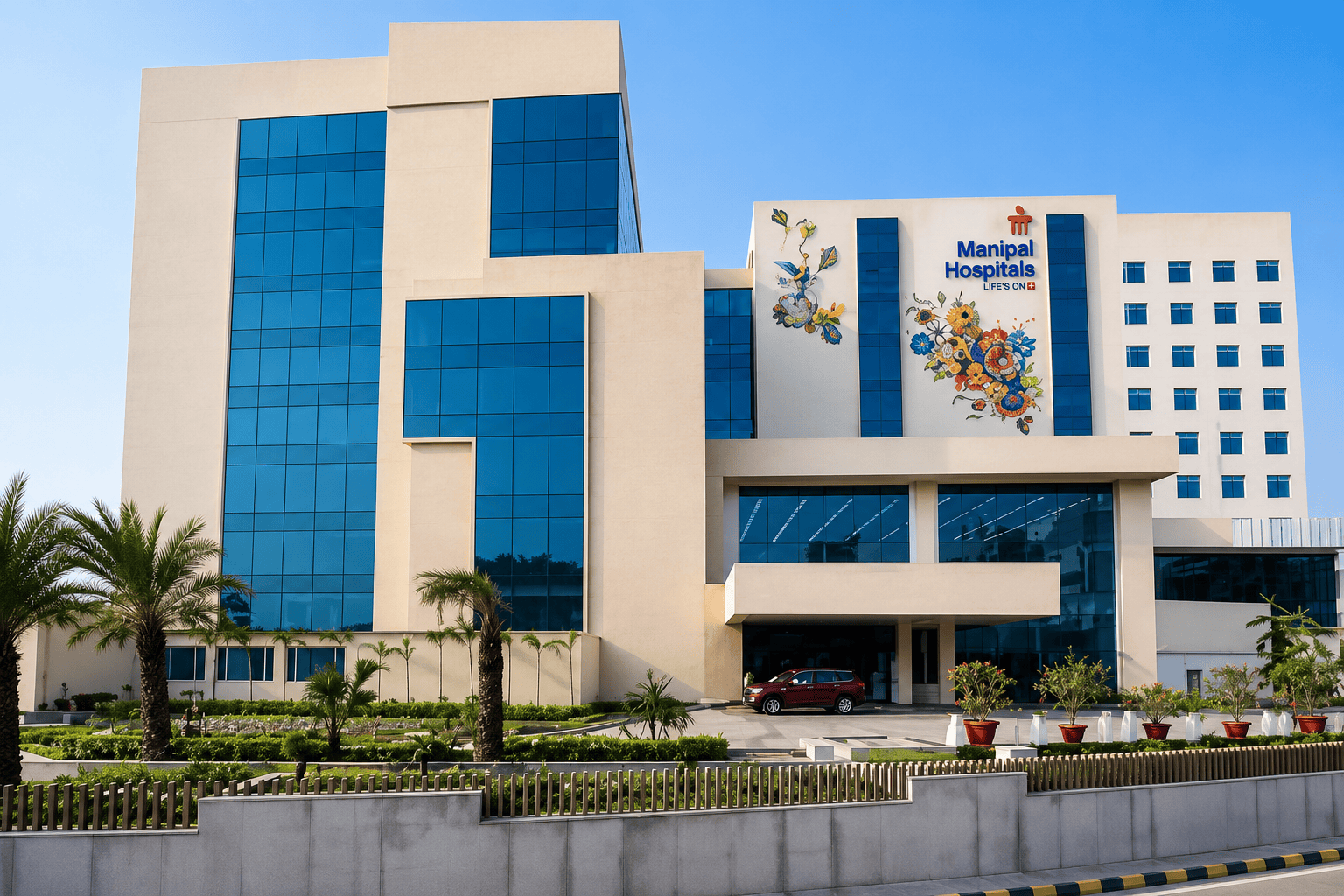
Palam Vihar, Sector 6, Dwarka, New Delhi – 110075, India
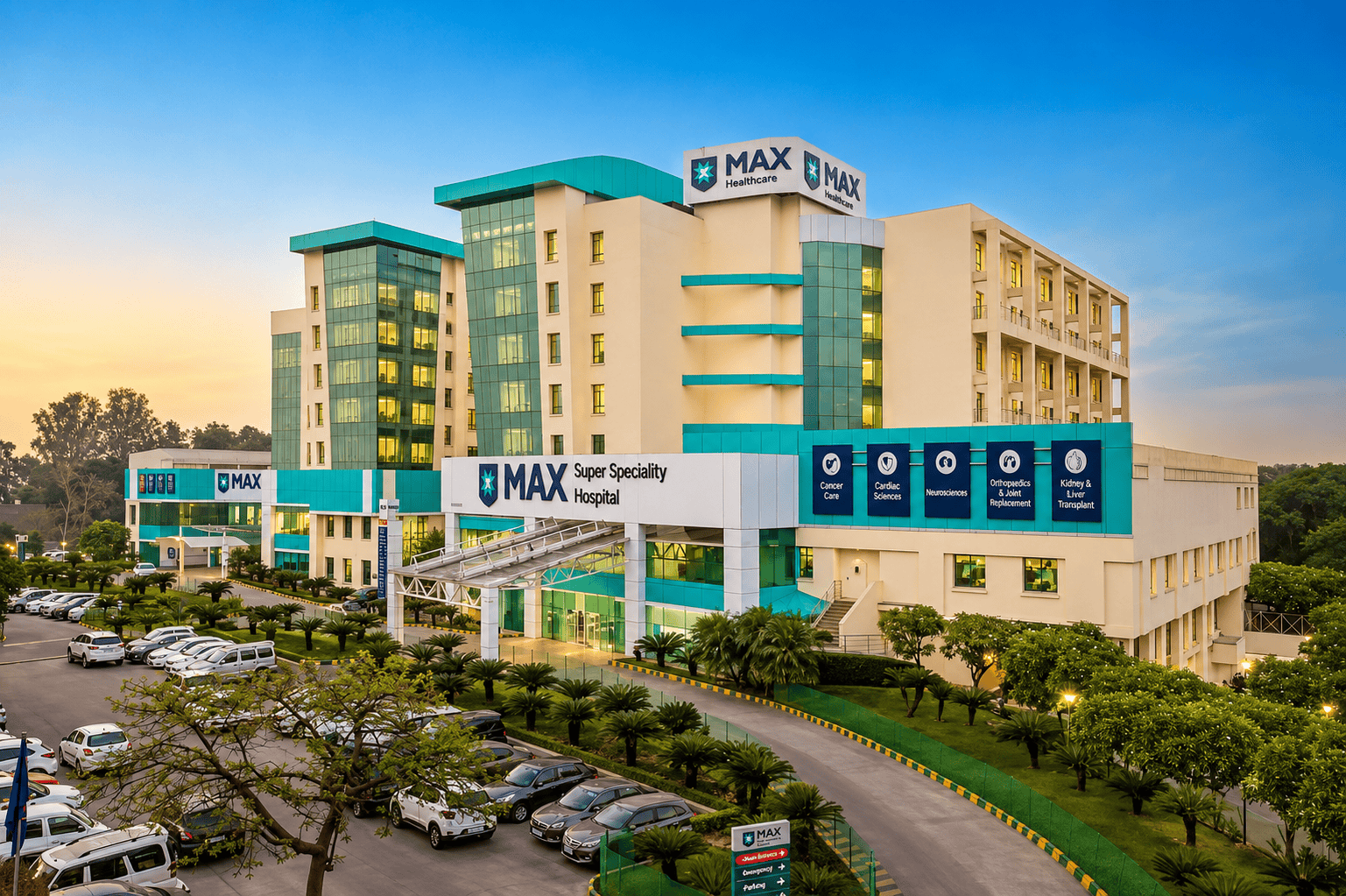
1 & 2, Press Enclave Road, Saket Institutional Area, Saket, New Delhi – 110017, India
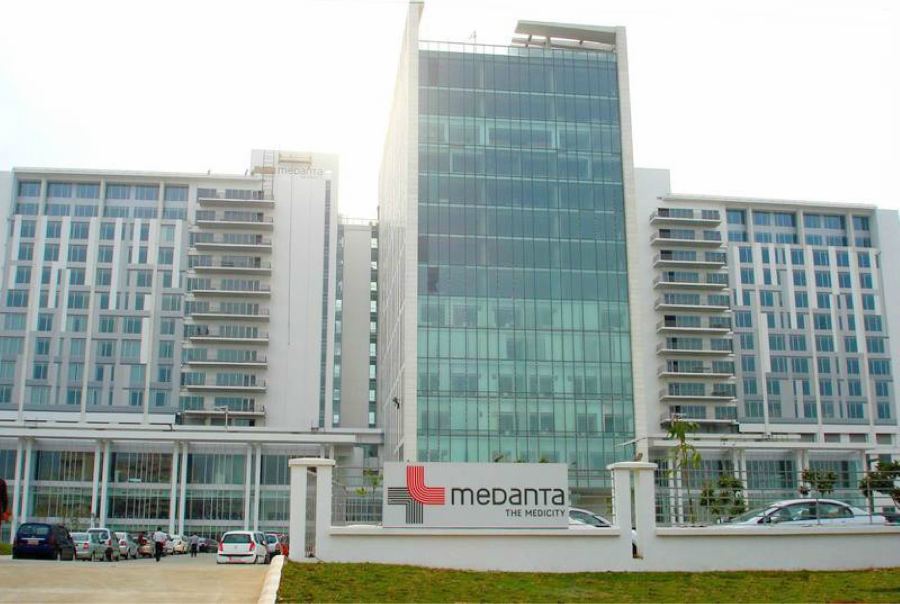
CH Baktawar Singh Road, Sector 38, Gurugram, Haryana – 122001, India
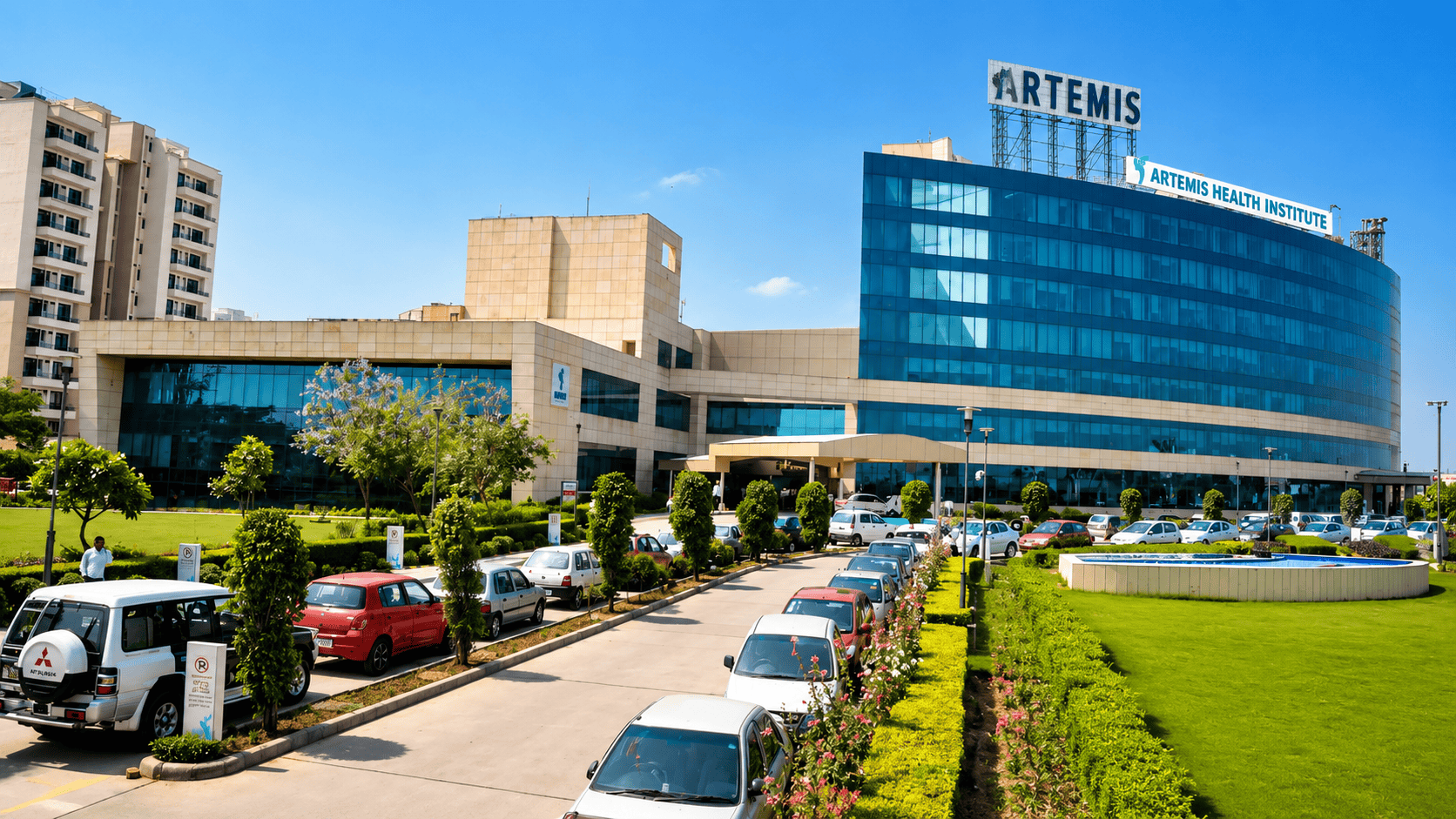
Sector 51, Gurugram, Haryana – 122018, India
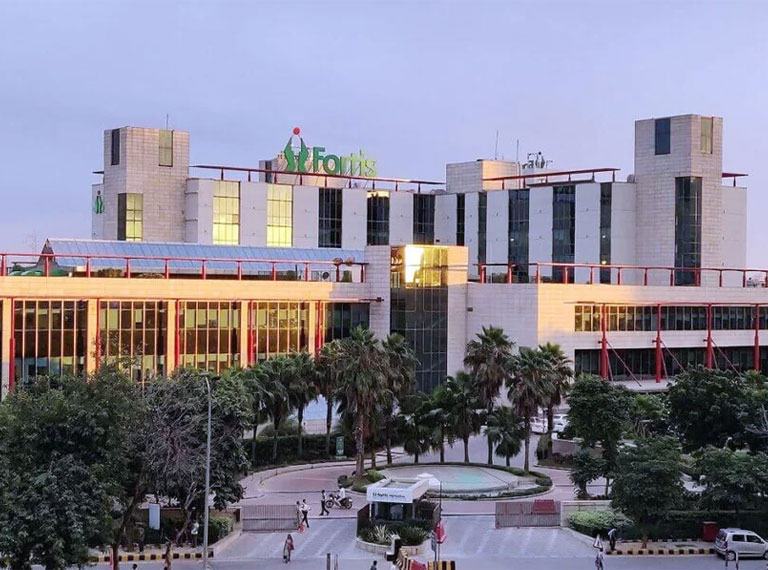
Sector - 44, Gurugram, Haryana – 122002, India
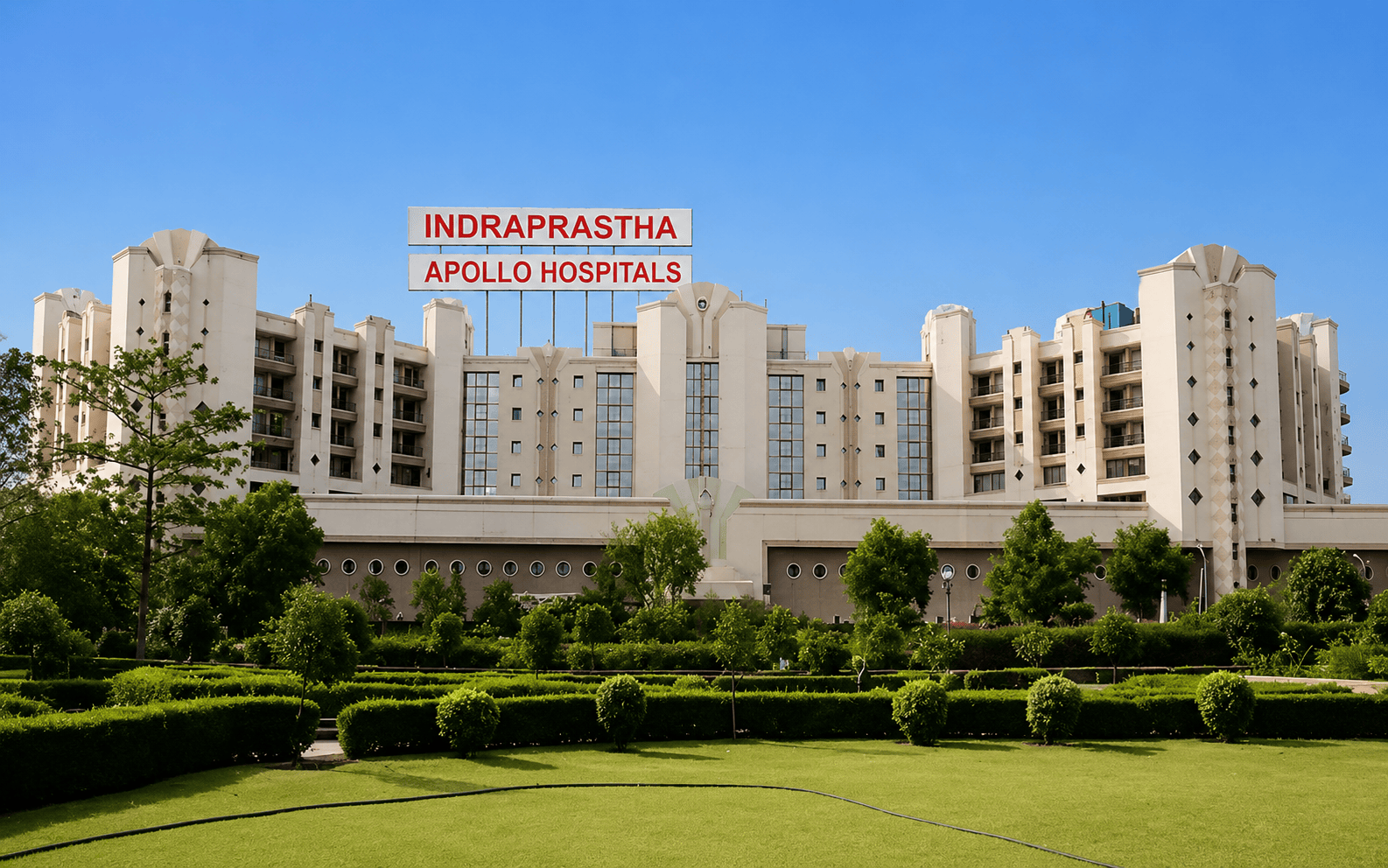
Sarita Vihar, Delhi-Mathura Road, New Delhi – 110076, India