
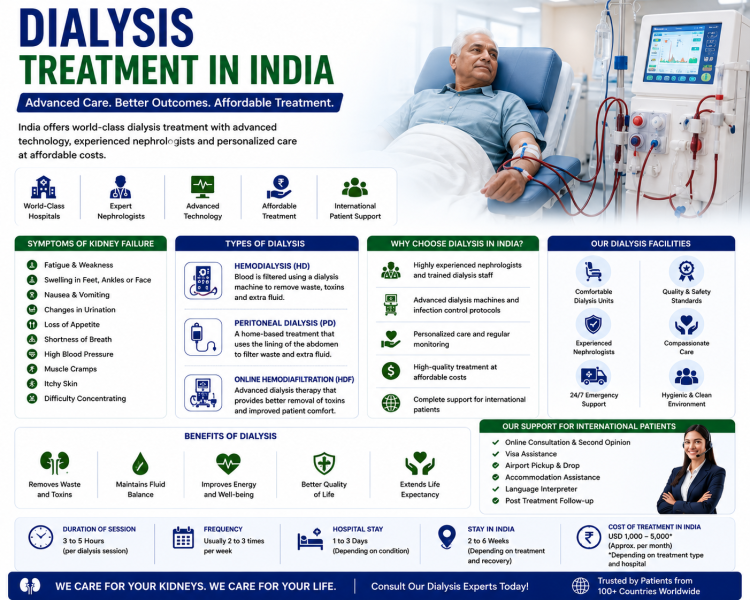
A standard dialysis session usually takes 3 to 5 hours. Frequency depends on the patient's kidney function and treatment plan.
Usually 1 to 3 days for initial evaluation and dialysis planning. Long-term dialysis patients may continue treatment on an outpatient basis.
No anesthesia is required for routine dialysis procedures. Local anesthesia may be used during vascular access procedures.
100 to 1,500 USD*
Dialysis is a life-saving treatment that helps perform the essential functions of the kidneys when they are no longer able to effectively remove waste products, excess fluids, and toxins from the blood. It is commonly recommended for patients with Chronic Kidney Disease (CKD), End-Stage Renal Disease (ESRD), acute kidney injury, and severe kidney failure. India has become one of the leading destinations for affordable and advanced dialysis treatment, offering world-class nephrology care, modern dialysis centers, and internationally trained kidney specialists.
Thousands of patients from African countries, the Middle East, and other parts of the world choose India for dialysis treatment because of its advanced medical infrastructure, highly experienced nephrologists, shorter waiting times, and significantly lower treatment costs. Leading hospitals in India provide comprehensive dialysis services including Hemodialysis, Peritoneal Dialysis, Online Hemodiafiltration (HDF), Home Dialysis Programs, and Continuous Renal Replacement Therapy (CRRT).
Recent advancements in dialysis treatment have significantly improved patient comfort and outcomes. Modern hospitals now use AI-assisted dialysis monitoring, online hemodiafiltration (HDF), high-flux dialysis machines, infection-control dialysis units, remote patient monitoring, portable dialysis systems, and personalized renal care programs. These innovations help improve treatment efficiency, reduce complications, and enhance quality of life.
Whether you require temporary dialysis, long-term dialysis management, or preparation for kidney transplantation, India offers comprehensive kidney care with international standards of quality, safety, and affordability.
Patients requiring dialysis may experience:
Patients experiencing these symptoms should seek immediate nephrology evaluation.
Common conditions that may lead to dialysis include:
Early treatment of kidney disease can help delay or avoid dialysis.
Before starting dialysis, specialists perform a comprehensive kidney evaluation.
Diagnostic tests may include:
International patients can share medical reports online for preliminary review before travel.
The most common form of dialysis. Blood is filtered through a dialysis machine to remove toxins, waste products, and excess fluid.
A home-based dialysis option that uses the lining of the abdomen to filter waste products naturally.
One of the latest advancements in dialysis care, providing superior toxin removal and improved patient outcomes.
Specialized dialysis treatment used in intensive care units for critically ill patients.
Selected patients may undergo dialysis at home under expert supervision and monitoring.
Procedures such as AV Fistula creation and vascular access placement help ensure safe and effective long-term dialysis treatment.
Patients on long-term dialysis may be evaluated for kidney transplantation as a permanent treatment solution.
Advanced nephrology teams create individualized treatment plans based on each patient's medical condition and lifestyle.
After dialysis treatment, patients receive ongoing care and monitoring.
Post-treatment care may include:
Proper follow-up helps improve long-term health and quality of life.
India has achieved excellent outcomes in dialysis treatment due to advanced nephrology care, experienced specialists, and modern dialysis technologies.
Recent innovations such as online hemodiafiltration (HDF), AI-assisted dialysis monitoring, high-flux dialysis systems, precision nephrology, and infection-control protocols have significantly improved patient safety, comfort, and survival rates.
Patients receiving regular dialysis and specialist care often achieve better health outcomes and improved quality of life.
Patients requiring dialysis may experience:
Patients experiencing these symptoms should seek immediate nephrology evaluation.
Common conditions that may lead to dialysis include:
Early treatment of kidney disease can help delay or avoid dialysis.
Before starting dialysis, specialists perform a comprehensive kidney evaluation.
Diagnostic tests may include:
International patients can share medical reports online for preliminary review before travel.
The most common form of dialysis. Blood is filtered through a dialysis machine to remove toxins, waste products, and excess fluid.
A home-based dialysis option that uses the lining of the abdomen to filter waste products naturally.
One of the latest advancements in dialysis care, providing superior toxin removal and improved patient outcomes.
Specialized dialysis treatment used in intensive care units for critically ill patients.
Selected patients may undergo dialysis at home under expert supervision and monitoring.
Procedures such as AV Fistula creation and vascular access placement help ensure safe and effective long-term dialysis treatment.
Patients on long-term dialysis may be evaluated for kidney transplantation as a permanent treatment solution.
Advanced nephrology teams create individualized treatment plans based on each patient's medical condition and lifestyle.
After dialysis treatment, patients receive ongoing care and monitoring.
Post-treatment care may include:
Proper follow-up helps improve long-term health and quality of life.
India has achieved excellent outcomes in dialysis treatment due to advanced nephrology care, experienced specialists, and modern dialysis technologies.
Recent innovations such as online hemodiafiltration (HDF), AI-assisted dialysis monitoring, high-flux dialysis systems, precision nephrology, and infection-control protocols have significantly improved patient safety, comfort, and survival rates.
Patients receiving regular dialysis and specialist care often achieve better health outcomes and improved quality of life.
Yes. Dialysis treatment in India is significantly more affordable than in many countries while maintaining international standards of care.
Recent advancements include Online Hemodiafiltration (HDF), AI-assisted monitoring, high-flux dialysis machines, portable dialysis systems, home dialysis programs, and remote patient monitoring.
Most hemodialysis patients require treatment three times per week, while peritoneal dialysis schedules vary based on individual needs.
Dialysis is generally well tolerated. Most patients experience minimal discomfort during treatment.
Dialysis is a highly effective treatment, but kidney transplantation is often considered the best long-term solution for eligible patients.
Yes. India offers advanced dialysis facilities, experienced nephrologists, modern hospitals, and affordable treatment options for international patients.

Jaypee Hospital Road, Goberdhanpur, Sector 128, Noida, Uttar Pradesh – 201304, India

Sector 16A, Faridabad, Haryana – 121002, India
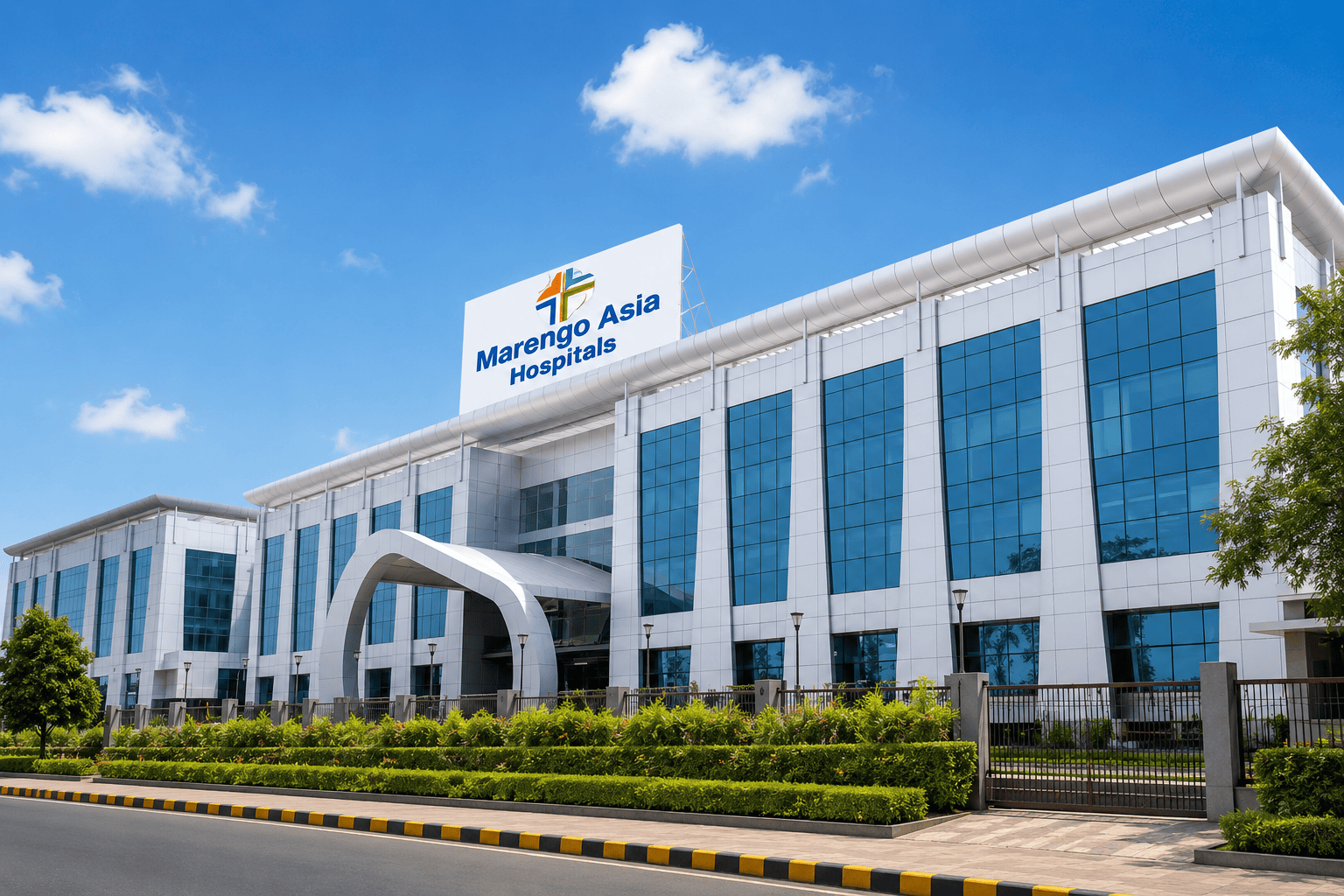
Plot No. 1, HUDA Staff Colony, Sector 16, Faridabad, Haryana – 121002, India

Mata Amritanandamayi Marg, Sector 88, Faridabad, Haryana – 121014, India

Okhla Road, Opposite Sukhdev Vihar Metro Station, New Delhi – 110025, India

Pusa Road, Rajendra Place, New Delhi – 110005, India
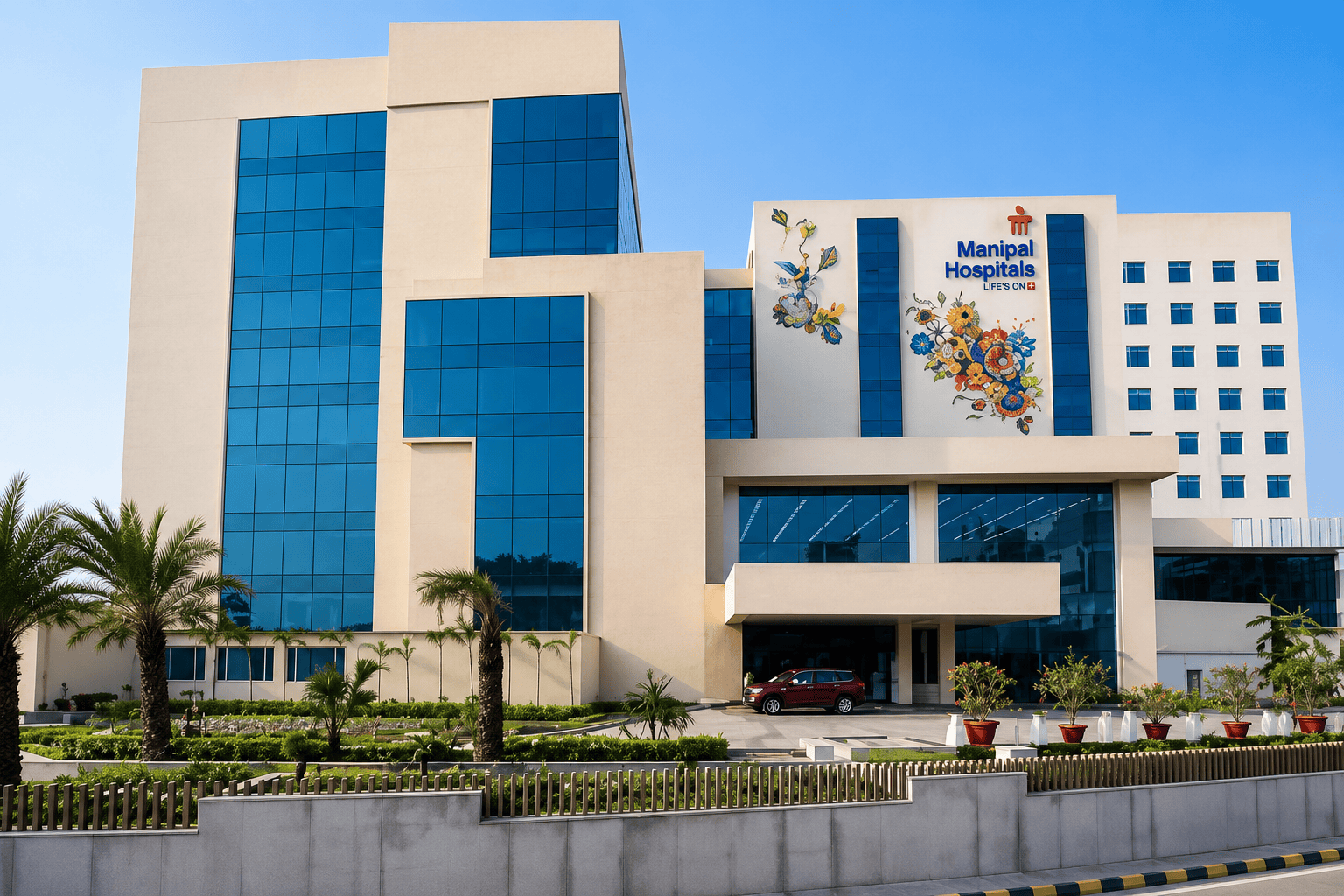
Palam Vihar, Sector 6, Dwarka, New Delhi – 110075, India

1 & 2, Press Enclave Road, Saket Institutional Area, Saket, New Delhi – 110017, India
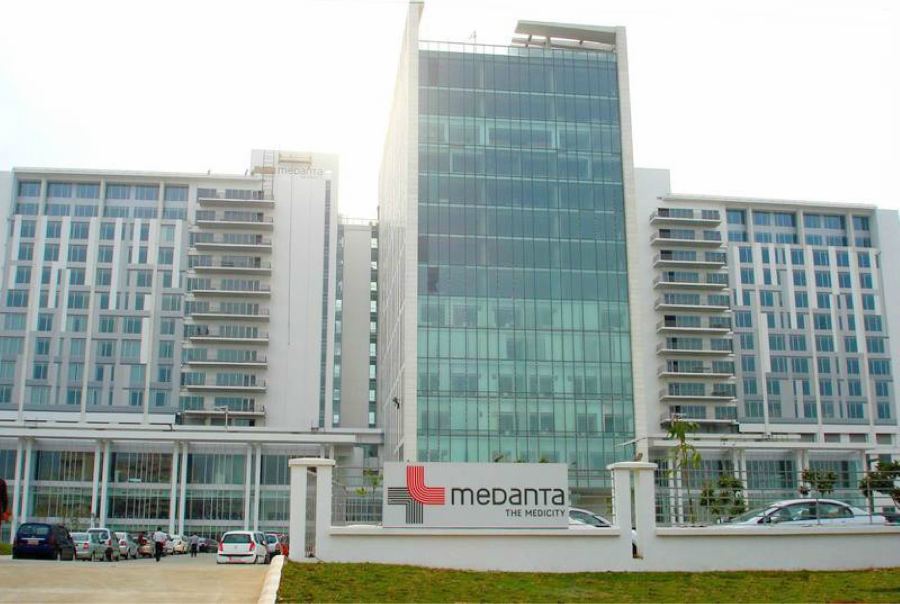
CH Baktawar Singh Road, Sector 38, Gurugram, Haryana – 122001, India
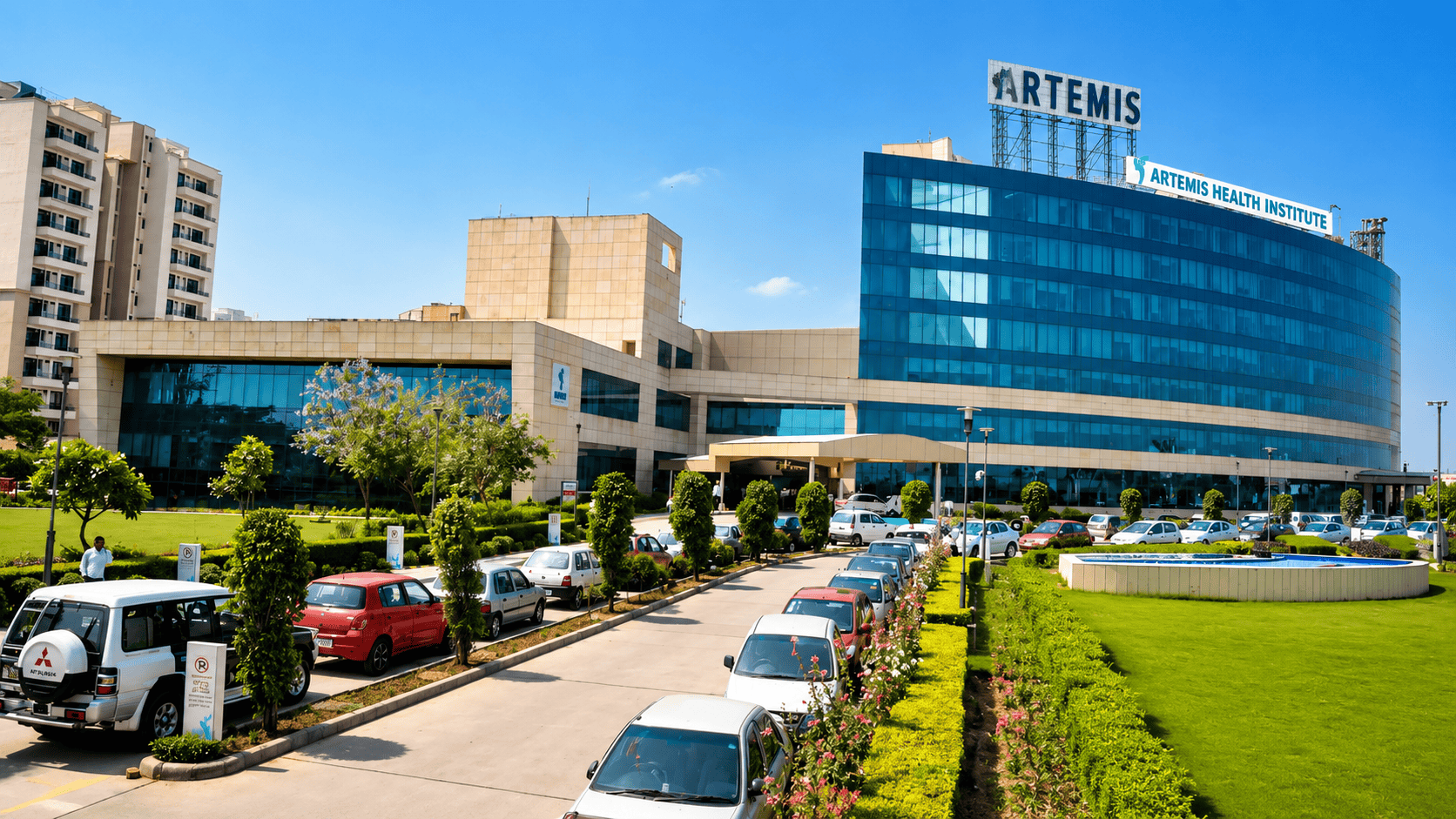
Sector 51, Gurugram, Haryana – 122018, India
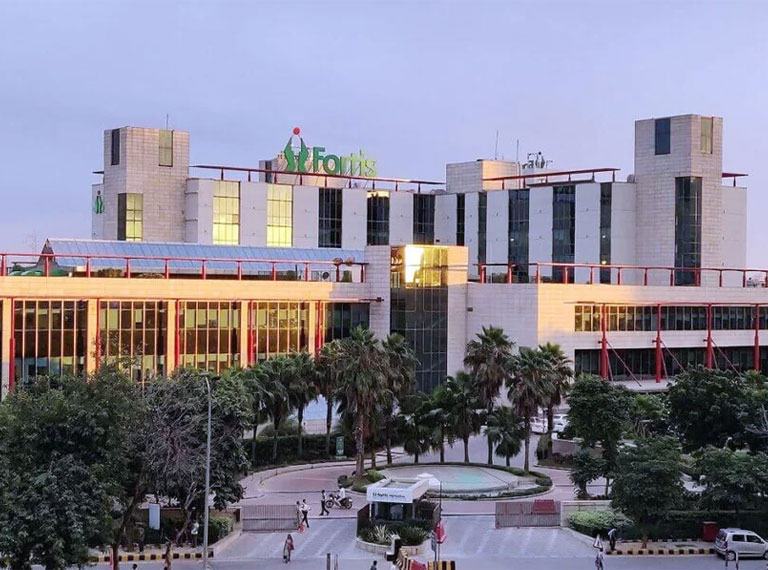
Sector - 44, Gurugram, Haryana – 122002, India

Sarita Vihar, Delhi-Mathura Road, New Delhi – 110076, India