
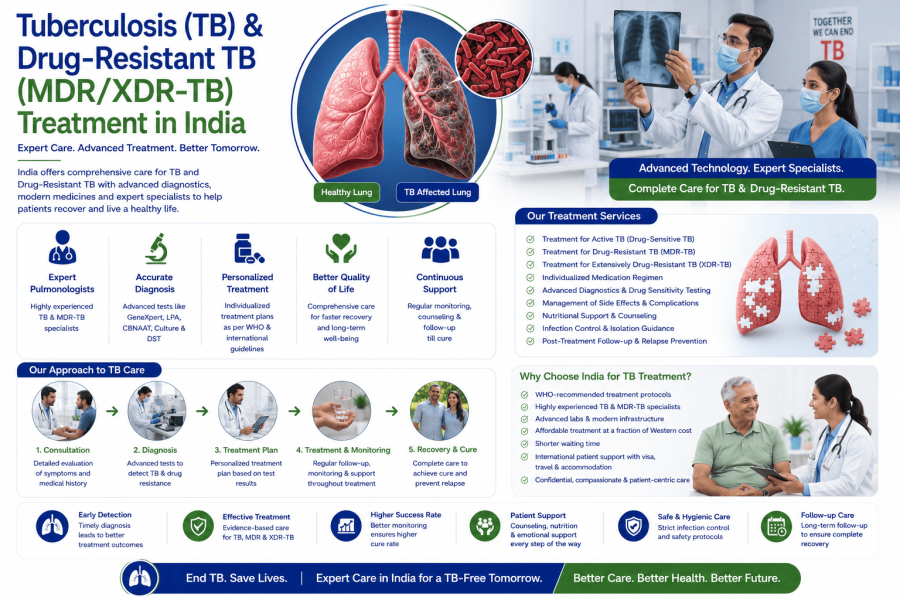
Treatment duration depends on the type of tuberculosis. Drug-sensitive TB generally requires 6 months, while MDR-TB and XDR-TB usually require 6 to 18 months or longer, depending on the patient's response and drug resistance pattern.
Most patients receive treatment on an outpatient basis. Hospitalization, when required, usually lasts 3 to 14 days depending on disease severity and associated complications.
Routine TB treatment does not require anesthesia. Bronchoscopy or biopsy procedures may be performed under local anesthesia with sedation or general anesthesia, depending on the procedure.
1,500 to 10,000*
Tuberculosis (TB) is a serious infectious disease caused by the bacterium Mycobacterium tuberculosis, most commonly affecting the lungs, although it can also involve the brain, bones, kidneys, lymph nodes, spine, and other organs. TB spreads through the air when an infected person coughs or sneezes. With timely diagnosis and appropriate treatment, most patients with drug-sensitive tuberculosis can be completely cured. However, delayed diagnosis or incomplete treatment may lead to Drug-Resistant Tuberculosis (DR-TB), including Multi-Drug Resistant TB (MDR-TB) and Extensively Drug-Resistant TB (XDR-TB), which require specialized treatment.
India is recognized globally for its expertise in tuberculosis management and offers advanced, evidence-based treatment for both drug-sensitive and drug-resistant TB. International patients from Africa, the Middle East, and neighboring countries choose India because of its internationally accredited hospitals, experienced pulmonologists, infectious disease specialists, advanced diagnostic laboratories, and affordable treatment programs.
Recent advancements in TB management have significantly improved treatment outcomes. Leading hospitals in India now offer Rapid Molecular Testing (CBNAAT/GeneXpert), Line Probe Assay (LPA), Whole Genome Sequencing (selected cases), Liquid Culture & Drug Susceptibility Testing (MGIT), Digital Chest Imaging, Bronchoscopy, Therapeutic Drug Monitoring, Shorter MDR-TB Treatment Regimens, New Anti-TB Medicines including Bedaquiline, Delamanid, and Pretomanid (when clinically indicated), AI-assisted Chest X-ray Interpretation, and Comprehensive Infection Control Programs. These innovations enable earlier diagnosis, personalized treatment, improved cure rates, and reduced disease transmission.
Whether you have pulmonary TB, extrapulmonary TB, recurrent tuberculosis, MDR-TB, or XDR-TB, India offers comprehensive tuberculosis care following international treatment guidelines and personalized patient management.
Patients with Tuberculosis may experience:
Patients with persistent respiratory symptoms should undergo early TB evaluation to prevent disease progression and transmission.
Several factors increase the risk of Tuberculosis, including:
Before starting treatment, patients undergo detailed investigations to confirm the diagnosis, determine drug sensitivity, and assess disease severity.
Diagnostic tests may include:
International patients can submit their medical reports online for an expert opinion before travelling to India.
Treatment is individualized based on the type of tuberculosis, drug susceptibility, disease severity, and overall health.
Most patients receive a combination of first-line anti-tuberculosis medications according to internationally accepted treatment protocols. Regular follow-up ensures treatment effectiveness and medication safety.
Patients with Multi-Drug Resistant TB receive individualized treatment using second-line anti-TB medicines, including newer medications where appropriate, based on drug susceptibility testing.
Extensively Drug-Resistant TB requires specialized treatment using advanced multidrug regimens, close monitoring, nutritional support, and multidisciplinary care.
Advanced bronchoscopy may be performed when sputum samples are inconclusive or when tissue sampling is required.
Nutritional counseling, respiratory rehabilitation, infection control, and management of treatment side effects play an essential role in successful recovery.
Selected patients with localized, treatment-resistant disease or TB-related complications may benefit from thoracic surgery as part of a comprehensive treatment plan.
Standard anti-tuberculosis medication regimen with regular monitoring.
Personalized treatment using second-line and newer anti-TB medications based on laboratory testing.
Advanced treatment using specialized multidrug regimens with expert infectious disease and pulmonary care.
Treatment tailored according to the affected organ, such as lymph nodes, bones, spine, kidneys, brain, or abdomen.
Patients receive regular follow-up throughout the treatment period.
Post-treatment care includes:
Most patients with drug-sensitive tuberculosis recover completely when treatment is started early and completed as prescribed. Patients with MDR-TB and XDR-TB can also achieve successful outcomes with modern medications, careful monitoring, and specialized care.
Maintaining good nutrition, avoiding smoking, completing the full course of medication, attending regular follow-up visits, and adopting healthy lifestyle practices help reduce the risk of recurrence and improve long-term lung health.
Patients with Tuberculosis may experience:
Patients with persistent respiratory symptoms should undergo early TB evaluation to prevent disease progression and transmission.
Several factors increase the risk of Tuberculosis, including:
Before starting treatment, patients undergo detailed investigations to confirm the diagnosis, determine drug sensitivity, and assess disease severity.
Diagnostic tests may include:
International patients can submit their medical reports online for an expert opinion before travelling to India.
Treatment is individualized based on the type of tuberculosis, drug susceptibility, disease severity, and overall health.
Most patients receive a combination of first-line anti-tuberculosis medications according to internationally accepted treatment protocols. Regular follow-up ensures treatment effectiveness and medication safety.
Patients with Multi-Drug Resistant TB receive individualized treatment using second-line anti-TB medicines, including newer medications where appropriate, based on drug susceptibility testing.
Extensively Drug-Resistant TB requires specialized treatment using advanced multidrug regimens, close monitoring, nutritional support, and multidisciplinary care.
Advanced bronchoscopy may be performed when sputum samples are inconclusive or when tissue sampling is required.
Nutritional counseling, respiratory rehabilitation, infection control, and management of treatment side effects play an essential role in successful recovery.
Selected patients with localized, treatment-resistant disease or TB-related complications may benefit from thoracic surgery as part of a comprehensive treatment plan.
Standard anti-tuberculosis medication regimen with regular monitoring.
Personalized treatment using second-line and newer anti-TB medications based on laboratory testing.
Advanced treatment using specialized multidrug regimens with expert infectious disease and pulmonary care.
Treatment tailored according to the affected organ, such as lymph nodes, bones, spine, kidneys, brain, or abdomen.
Patients receive regular follow-up throughout the treatment period.
Post-treatment care includes:
Most patients with drug-sensitive tuberculosis recover completely when treatment is started early and completed as prescribed. Patients with MDR-TB and XDR-TB can also achieve successful outcomes with modern medications, careful monitoring, and specialized care.
Maintaining good nutrition, avoiding smoking, completing the full course of medication, attending regular follow-up visits, and adopting healthy lifestyle practices help reduce the risk of recurrence and improve long-term lung health.
Yes. Tuberculosis treatment in India is highly affordable while maintaining international standards of diagnosis, treatment, and patient care.
Yes. Most patients with drug-sensitive TB can be completely cured with appropriate medication. Drug-resistant TB can also be successfully treated using specialized treatment regimens.
Recent advancements include CBNAAT (GeneXpert), Line Probe Assay, Whole Genome Sequencing (selected cases), AI-assisted chest imaging, shorter MDR-TB regimens, therapeutic drug monitoring, and newer anti-TB medicines such as Bedaquiline, Delamanid, and Pretomanid when clinically indicated.
Yes. International patients receive comprehensive assistance including diagnosis, treatment planning, accommodation, medical visa support, interpreter services, and follow-up care.
Drug-sensitive TB generally requires 6 months of treatment. MDR-TB and XDR-TB treatment may require 6 to 18 months or longer, depending on drug susceptibility, disease severity, and treatment response.
Most patients receive treatment as outpatients. Hospitalization may be required for severe disease, complications, or patients requiring specialized monitoring.
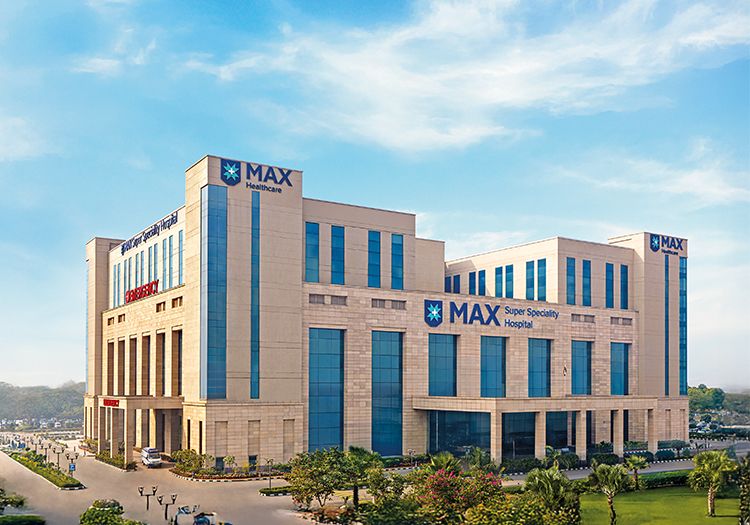
Jaypee Hospital Road, Goberdhanpur, Sector 128, Noida, Uttar Pradesh – 201304, India
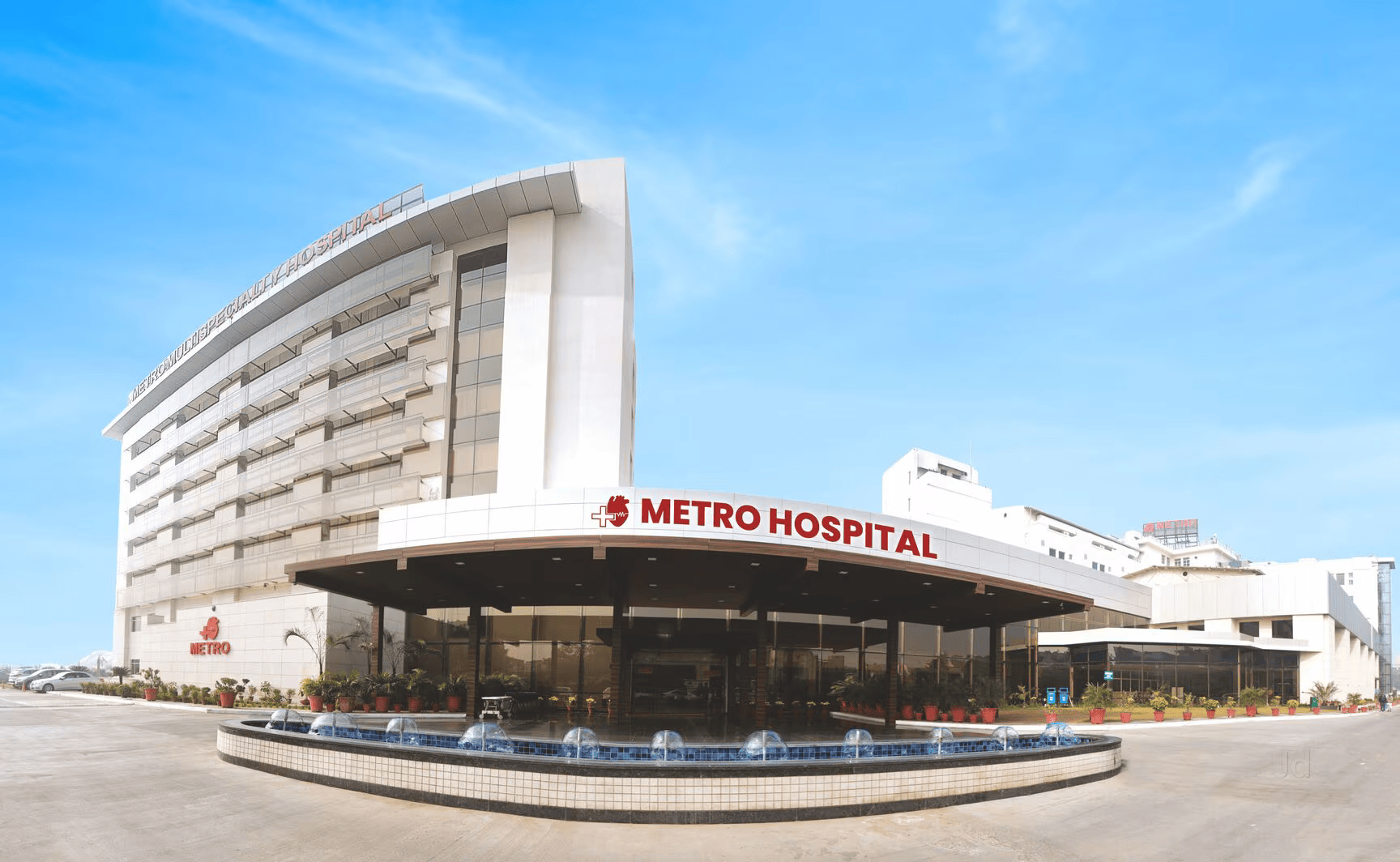
Sector 16A, Faridabad, Haryana – 121002, India
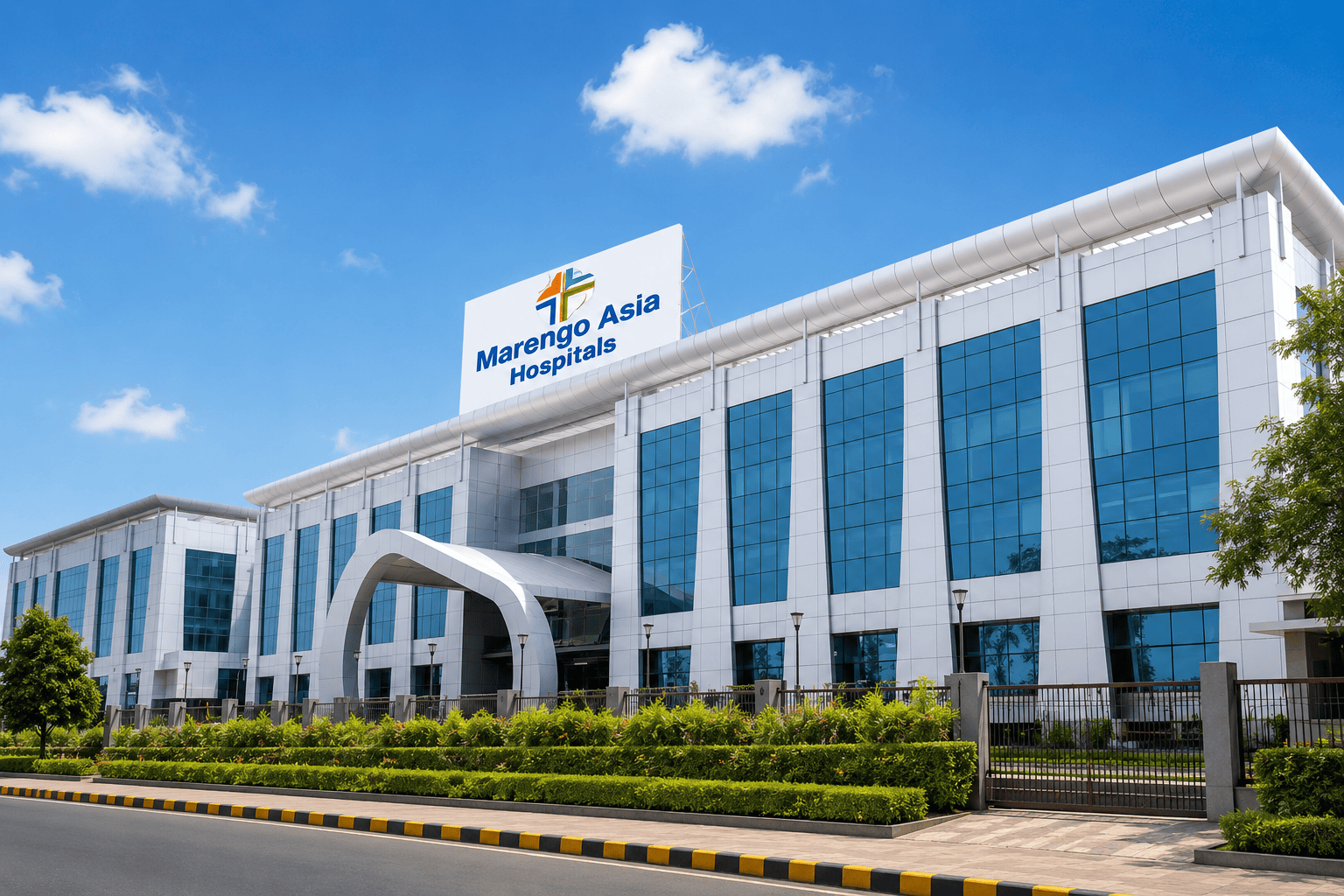
Plot No. 1, HUDA Staff Colony, Sector 16, Faridabad, Haryana – 121002, India
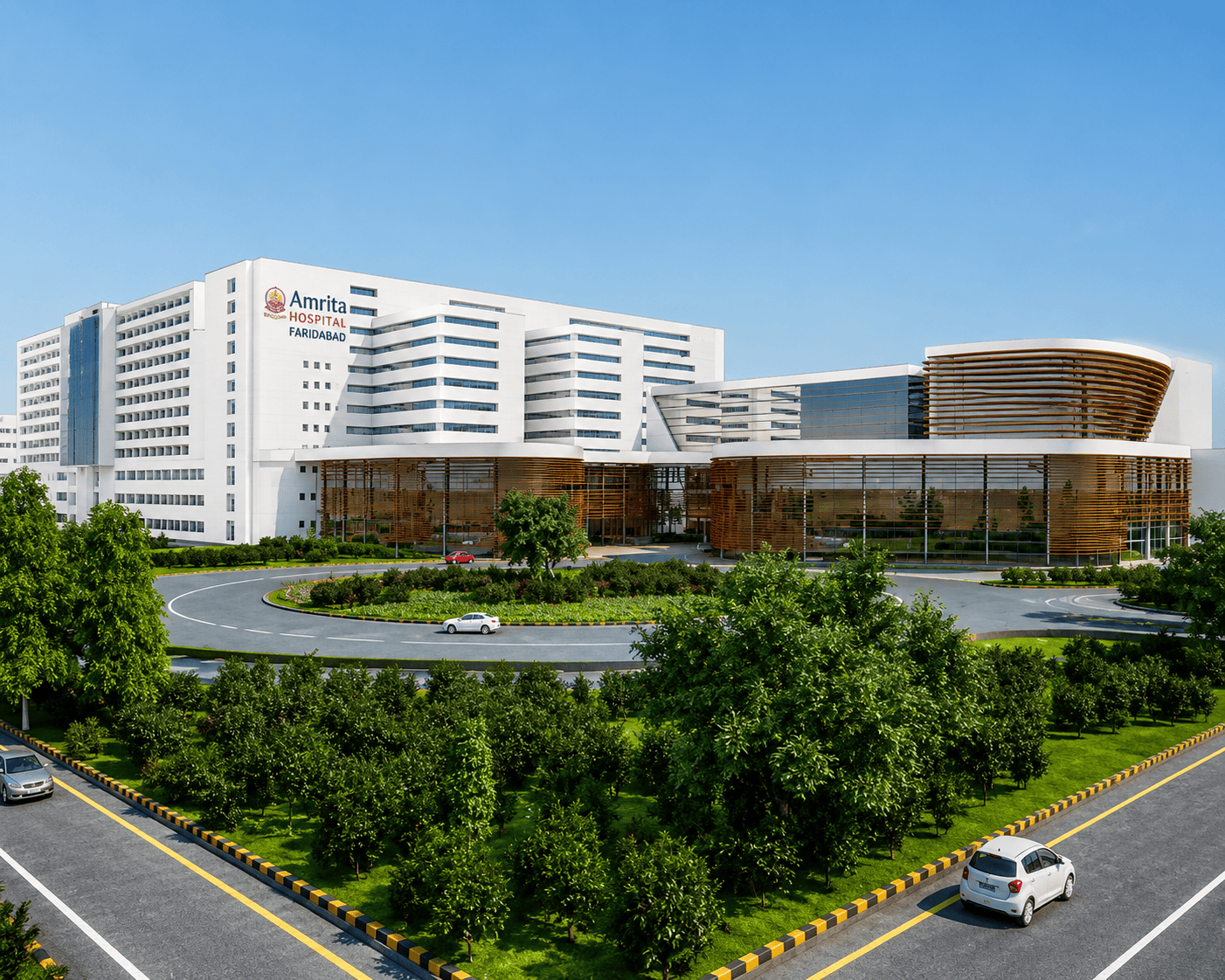
Mata Amritanandamayi Marg, Sector 88, Faridabad, Haryana – 121014, India
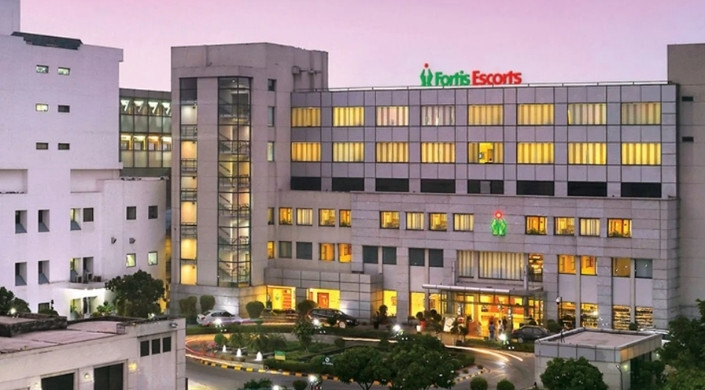
Okhla Road, Opposite Sukhdev Vihar Metro Station, New Delhi – 110025, India
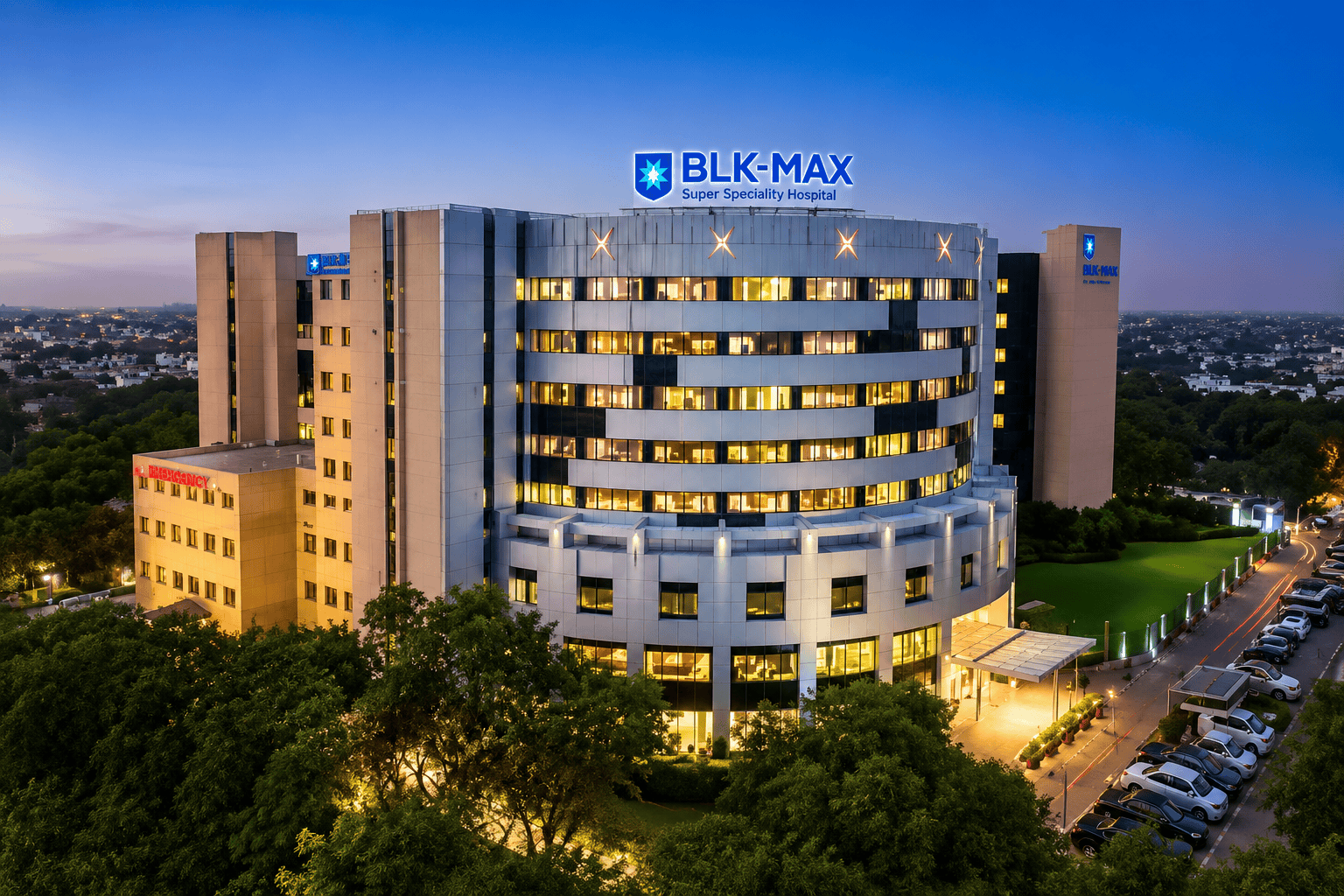
Pusa Road, Rajendra Place, New Delhi – 110005, India
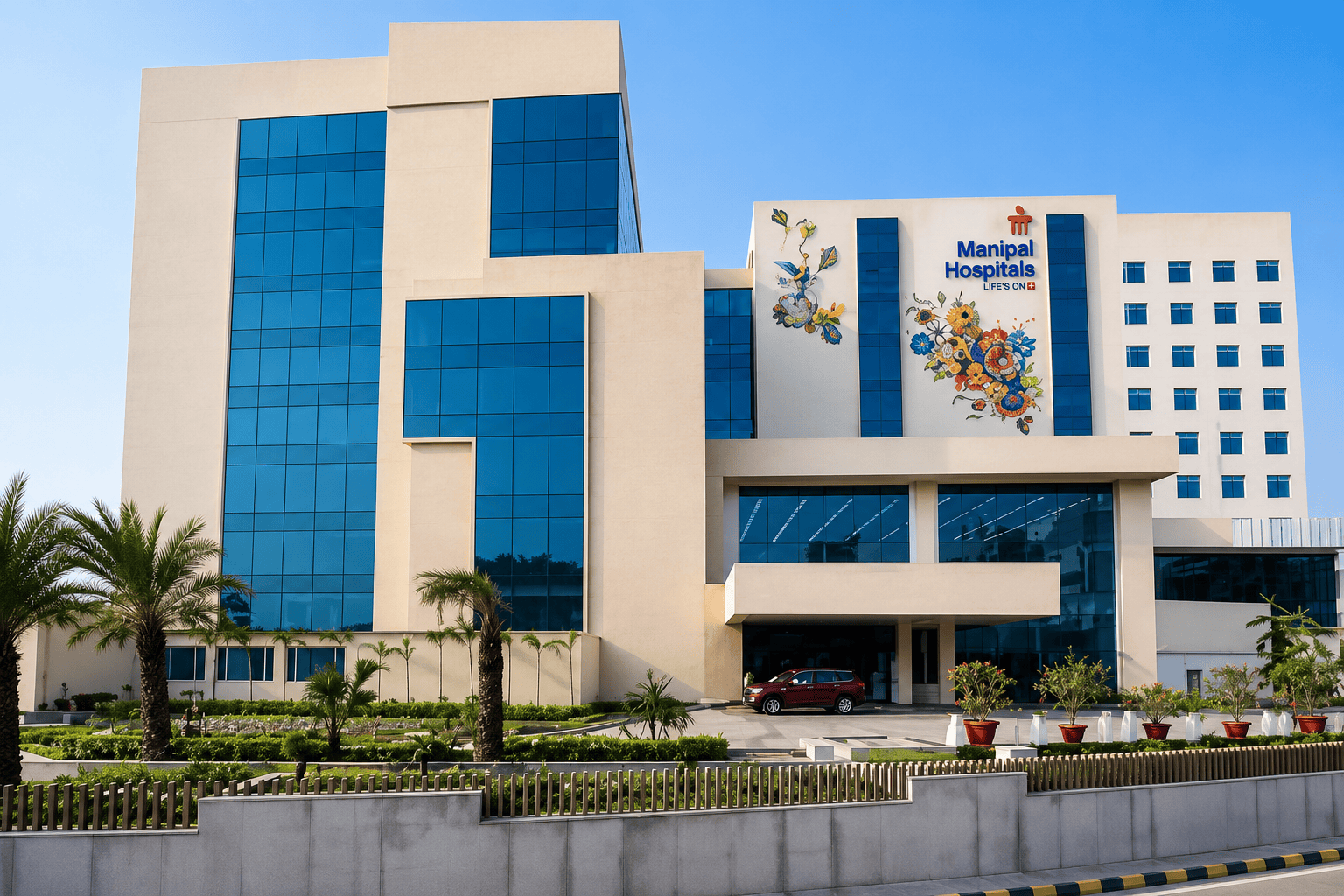
Palam Vihar, Sector 6, Dwarka, New Delhi – 110075, India
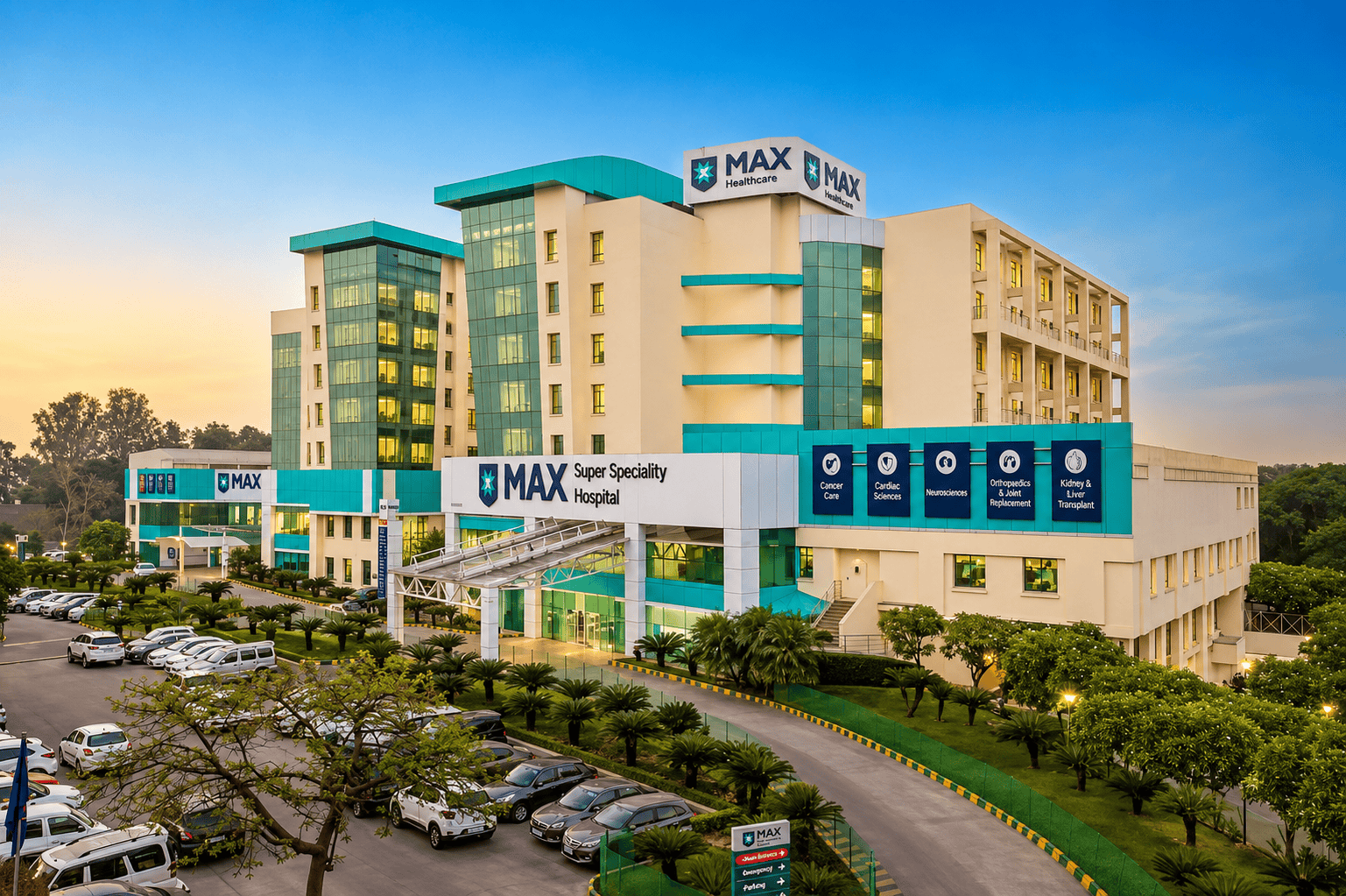
1 & 2, Press Enclave Road, Saket Institutional Area, Saket, New Delhi – 110017, India
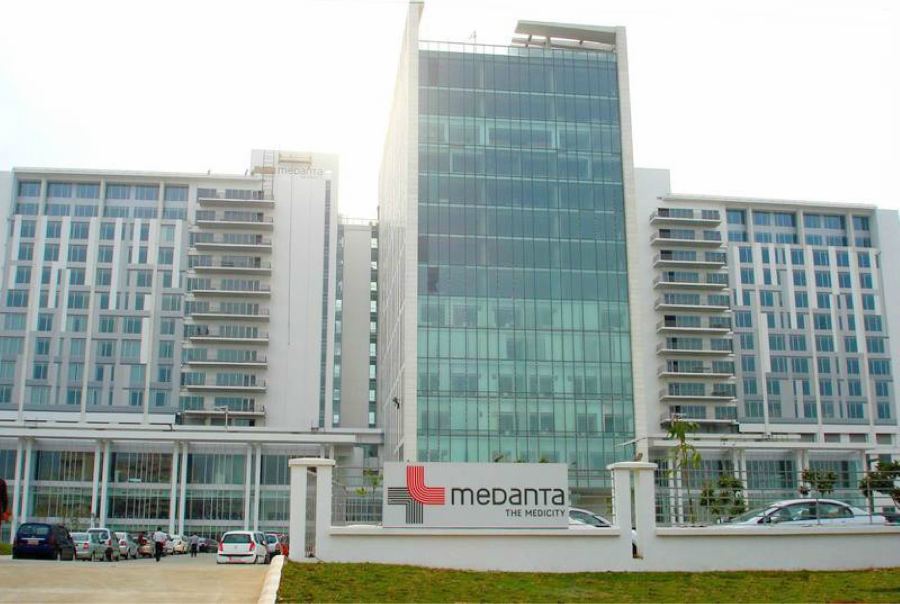
CH Baktawar Singh Road, Sector 38, Gurugram, Haryana – 122001, India
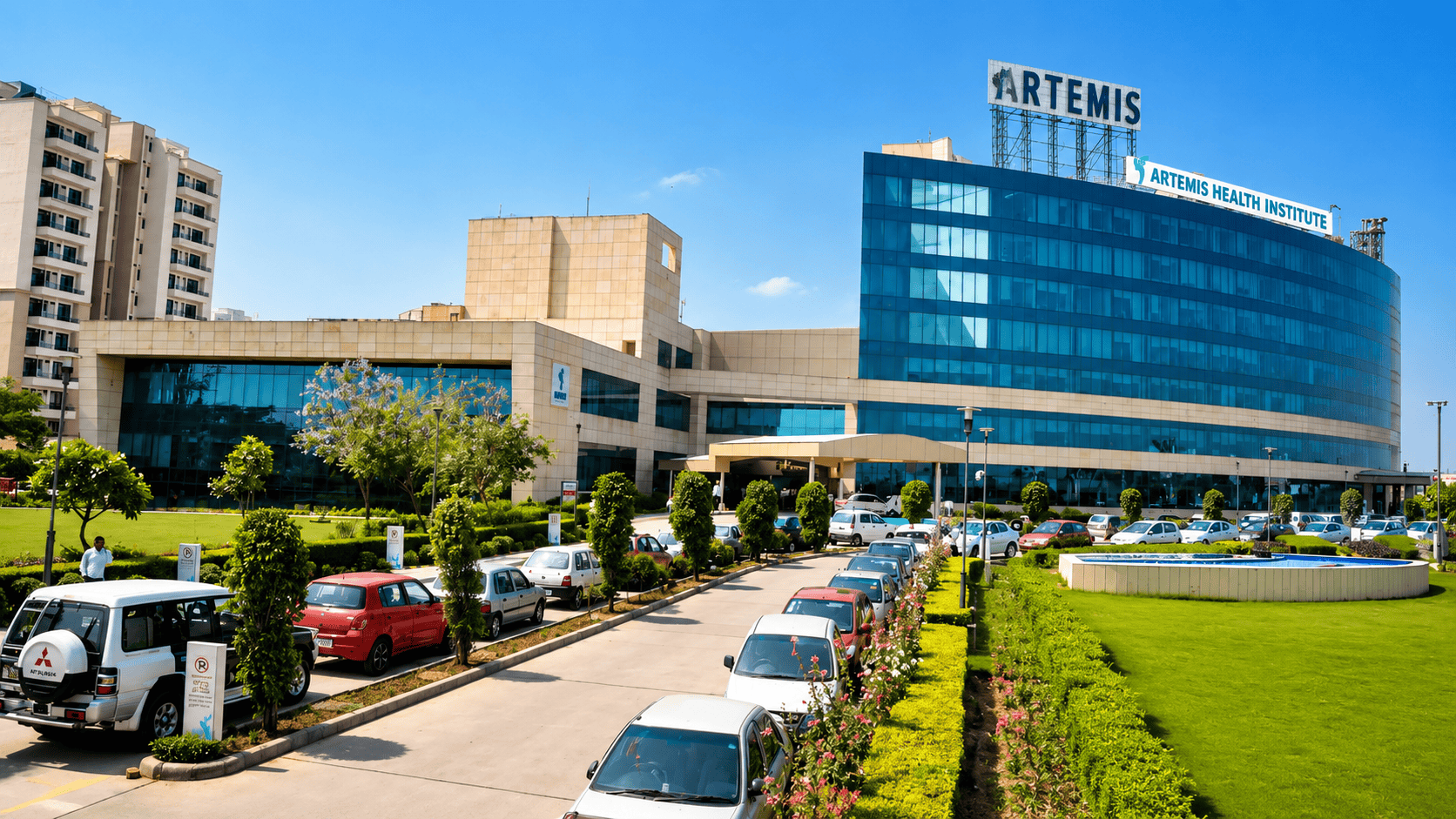
Sector 51, Gurugram, Haryana – 122018, India
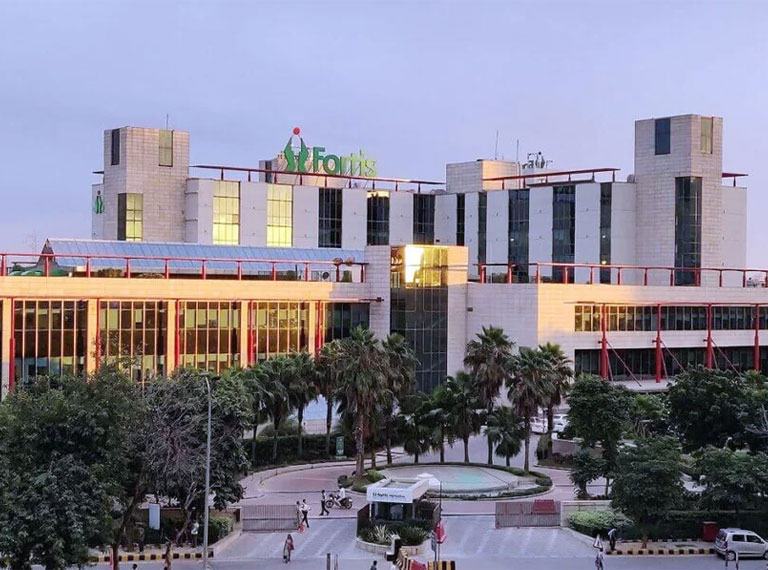
Sector - 44, Gurugram, Haryana – 122002, India
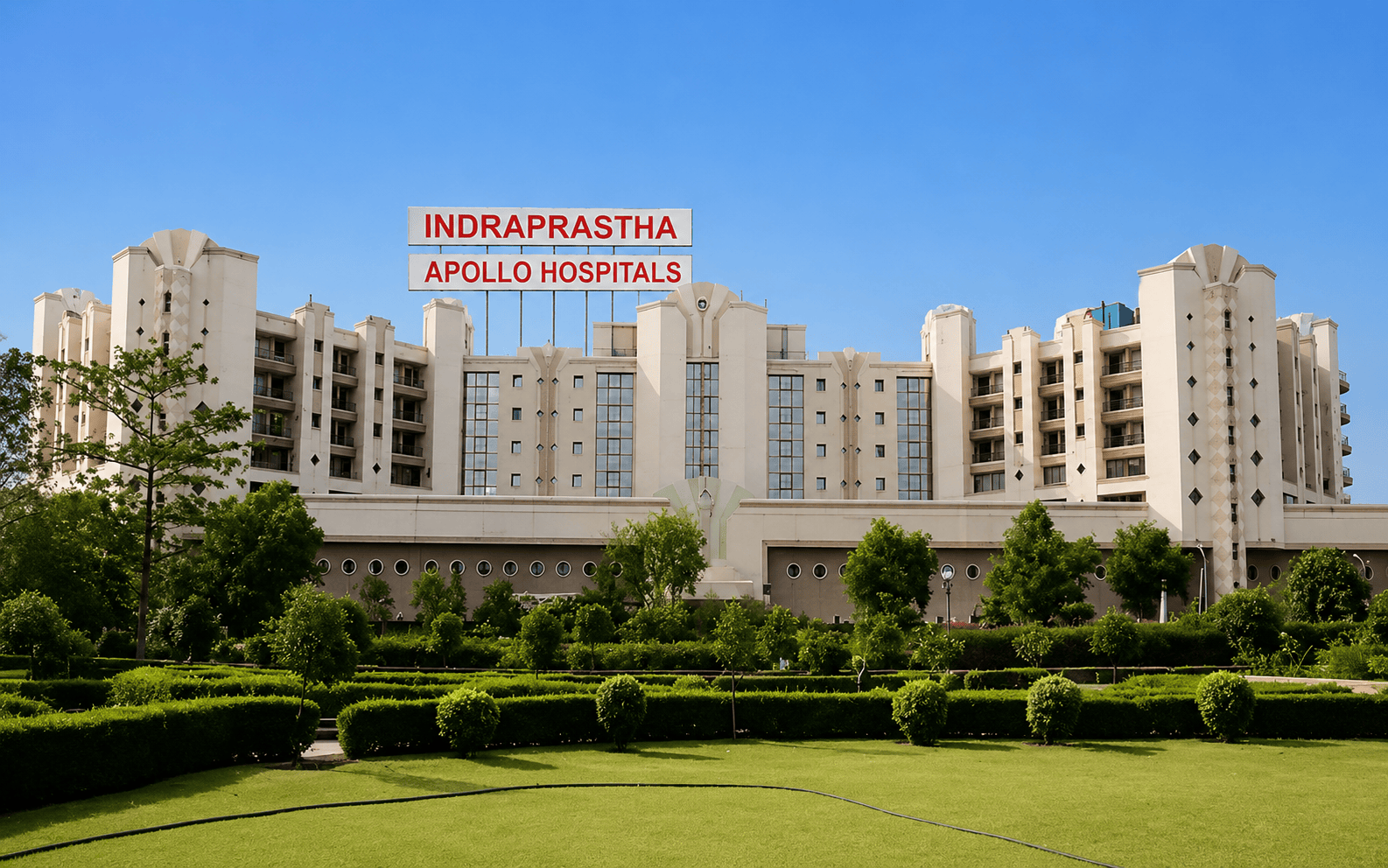
Sarita Vihar, Delhi-Mathura Road, New Delhi – 110076, India