
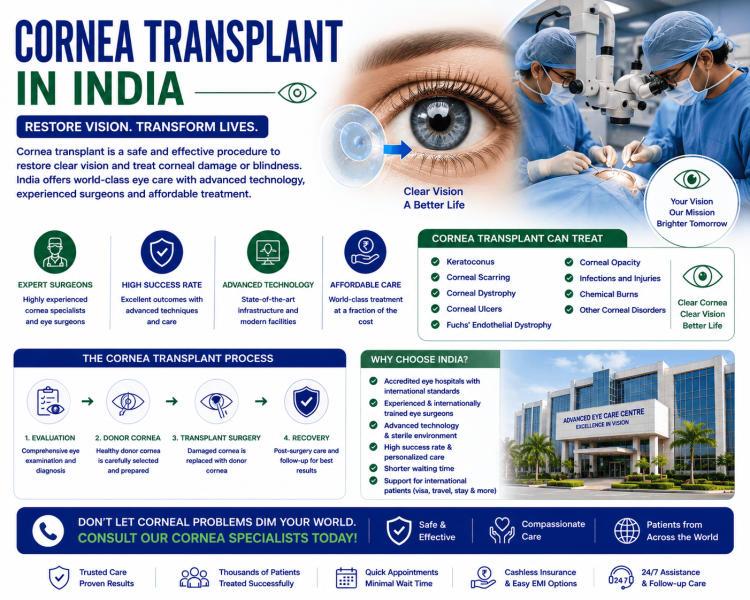
Cornea transplant surgery generally takes 45 minutes to 2 hours, depending on the type of transplant and the complexity of the condition.
Most patients are discharged on the same day or within 1 day after surgery.
Local anesthesia with sedation is commonly used. General anesthesia may be recommended for children or selected complex cases.
2,500 to 5,000USD*
A Cornea Transplant, also known as Keratoplasty, is a specialized eye surgery performed to replace a damaged, scarred, swollen, or diseased cornea with healthy donor corneal tissue. The cornea is the clear, dome-shaped front surface of the eye that helps focus light and provides sharp vision. When the cornea becomes cloudy or damaged due to injury, infection, inherited disorders, or disease, vision can become severely impaired. A successful cornea transplant can restore vision, relieve discomfort, and significantly improve a patient's quality of life.
India has become one of the world's leading destinations for affordable and advanced cornea transplant surgery. Patients from Africa, the Middle East, and other countries travel to India because of its internationally accredited eye hospitals, experienced corneal surgeons, advanced eye banks, modern microsurgical technology, and significantly lower treatment costs compared to many developed countries.
Recent advancements in corneal transplantation have greatly improved surgical precision and visual outcomes. Leading eye hospitals in India now offer Descemet Membrane Endothelial Keratoplasty (DMEK), Descemet Stripping Automated Endothelial Keratoplasty (DSAEK), Deep Anterior Lamellar Keratoplasty (DALK), Femtosecond Laser-Assisted Keratoplasty, Artificial Cornea (Keratoprosthesis) for selected cases, High-Resolution Corneal OCT Imaging, Advanced Eye Bank Tissue Preservation, AI-assisted Corneal Imaging, and Sutureless Lamellar Transplant Techniques. These innovations help achieve faster recovery, lower rejection rates, and better visual outcomes.
Whether you have corneal scarring, keratoconus, corneal ulcers, Fuchs' dystrophy, corneal edema, or corneal failure after previous eye surgery, India offers world-class cornea transplant treatment supported by international standards of quality, safety, and patient care.
Patients who may require a cornea transplant often experience:
Early consultation with a cornea specialist helps prevent further vision deterioration.
Cornea transplantation may become necessary due to:
Before surgery, patients undergo a detailed eye examination to determine the most appropriate transplant technique.
Pre-operative investigations may include:
International patients can share their eye reports online for an expert opinion before travelling to India.
Cornea transplantation is performed by highly experienced corneal surgeons using advanced microsurgical techniques.
Healthy donor corneal tissue is carefully screened by certified eye banks for quality, safety, and suitability before transplantation.
The surgeon evaluates the type and extent of corneal disease to determine the most suitable transplant procedure.
A full-thickness cornea transplant where the entire damaged cornea is replaced with healthy donor tissue.
Only the front layers of the cornea are replaced while preserving the healthy inner layer, reducing the risk of rejection.
A partial-thickness transplant used to replace damaged endothelial cells while preserving most of the patient's cornea.
An advanced, ultra-thin endothelial transplant offering faster visual recovery, better visual quality, and lower rejection rates.
Laser technology improves surgical precision, wound healing, and graft alignment in selected patients.
For patients who are not suitable candidates for traditional donor corneal transplantation, an artificial cornea may be considered in carefully selected cases.
Replacement of the entire cornea when all layers are affected.
Only the damaged portion of the cornea is replaced while preserving healthy tissue.
Includes DSAEK and DMEK procedures for diseases affecting the inner corneal layer.
Selective replacement of the front layers of the cornea for conditions such as keratoconus and corneal scarring.
Following cornea transplantation, patients are closely monitored to ensure successful healing and graft survival.
Post-operative care includes:
Most patients experience gradual improvement in vision over several weeks to months after surgery. Recovery depends on the type of transplant performed, the underlying eye condition, and adherence to post-operative care.
Modern corneal transplantation techniques have significantly reduced recovery time and improved long-term graft survival. With regular follow-up, proper medication use, and protection of the operated eye, many patients regain functional vision and return to their normal personal and professional activities.
Patients who may require a cornea transplant often experience:
Early consultation with a cornea specialist helps prevent further vision deterioration.
Cornea transplantation may become necessary due to:
Before surgery, patients undergo a detailed eye examination to determine the most appropriate transplant technique.
Pre-operative investigations may include:
International patients can share their eye reports online for an expert opinion before travelling to India.
Cornea transplantation is performed by highly experienced corneal surgeons using advanced microsurgical techniques.
Healthy donor corneal tissue is carefully screened by certified eye banks for quality, safety, and suitability before transplantation.
The surgeon evaluates the type and extent of corneal disease to determine the most suitable transplant procedure.
A full-thickness cornea transplant where the entire damaged cornea is replaced with healthy donor tissue.
Only the front layers of the cornea are replaced while preserving the healthy inner layer, reducing the risk of rejection.
A partial-thickness transplant used to replace damaged endothelial cells while preserving most of the patient's cornea.
An advanced, ultra-thin endothelial transplant offering faster visual recovery, better visual quality, and lower rejection rates.
Laser technology improves surgical precision, wound healing, and graft alignment in selected patients.
For patients who are not suitable candidates for traditional donor corneal transplantation, an artificial cornea may be considered in carefully selected cases.
Following cornea transplantation, patients are closely monitored to ensure successful healing and graft survival.
Post-operative care includes:
Most patients experience gradual improvement in vision over several weeks to months after surgery. Recovery depends on the type of transplant performed, the underlying eye condition, and adherence to post-operative care.
Modern corneal transplantation techniques have significantly reduced recovery time and improved long-term graft survival. With regular follow-up, proper medication use, and protection of the operated eye, many patients regain functional vision and return to their normal personal and professional activities.
Yes. Cornea transplant surgery in India is significantly more affordable than in many developed countries while maintaining international standards of eye care.
Recent advancements include DMEK, DSAEK, DALK, Femtosecond Laser-Assisted Keratoplasty, AI-assisted corneal imaging, advanced eye bank preservation techniques, and artificial cornea implantation for selected patients.
Corneas are donated voluntarily after death through registered eye banks. Every donor tissue is carefully screened before transplantation.
Many corneal grafts remain healthy and functional for decades with proper care and regular follow-up.
Yes. International patients receive comprehensive medical evaluation, surgery, accommodation assistance, visa support, and long-term follow-up care.
Most patients gradually resume normal daily activities within a few weeks, although complete visual recovery may continue for several months depending on the type of transplant.
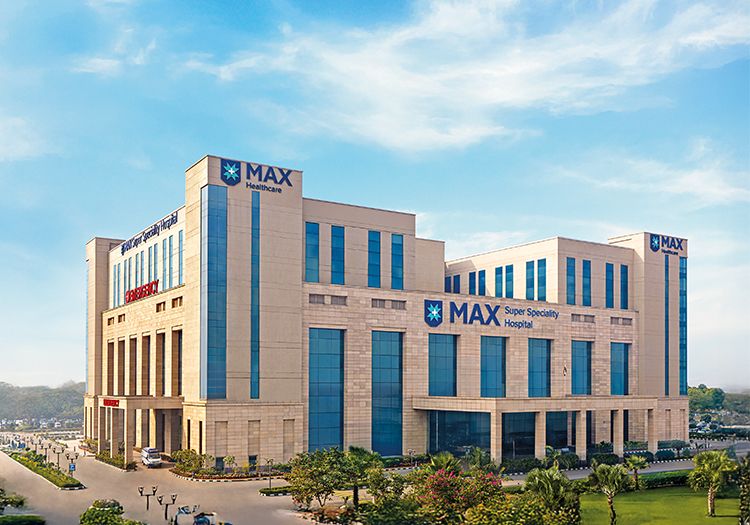
Jaypee Hospital Road, Goberdhanpur, Sector 128, Noida, Uttar Pradesh – 201304, India
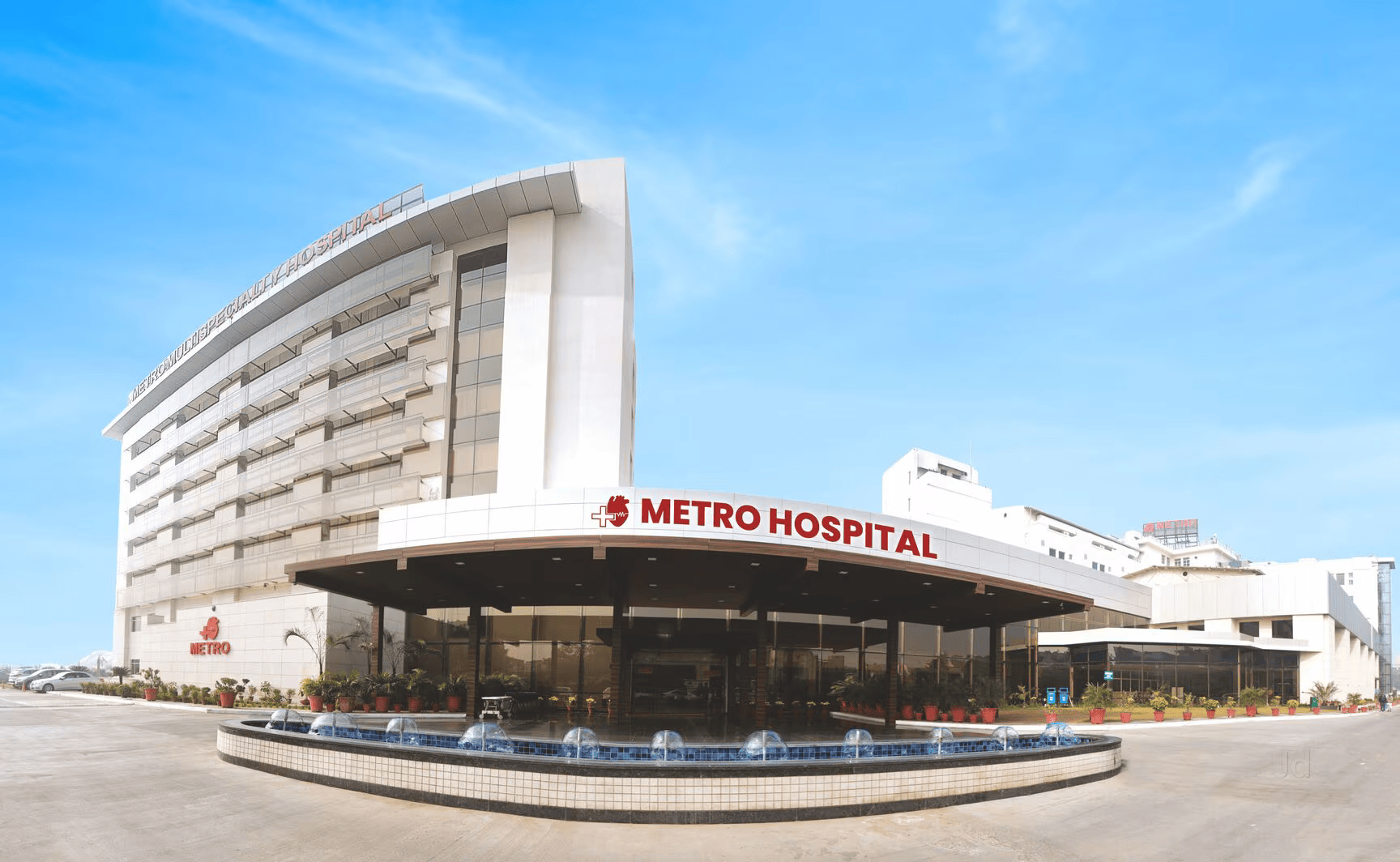
Sector 16A, Faridabad, Haryana – 121002, India

Plot No. 1, HUDA Staff Colony, Sector 16, Faridabad, Haryana – 121002, India

Mata Amritanandamayi Marg, Sector 88, Faridabad, Haryana – 121014, India
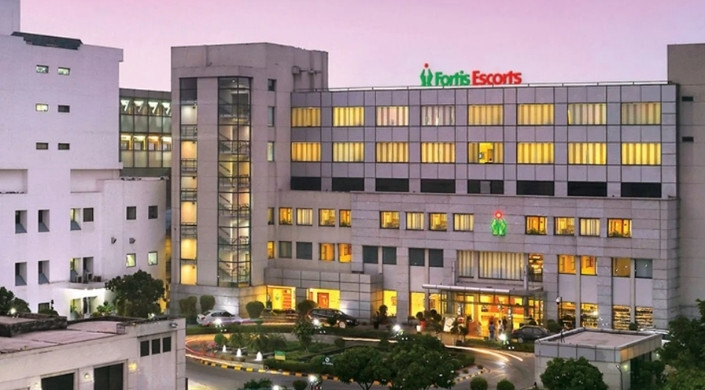
Okhla Road, Opposite Sukhdev Vihar Metro Station, New Delhi – 110025, India
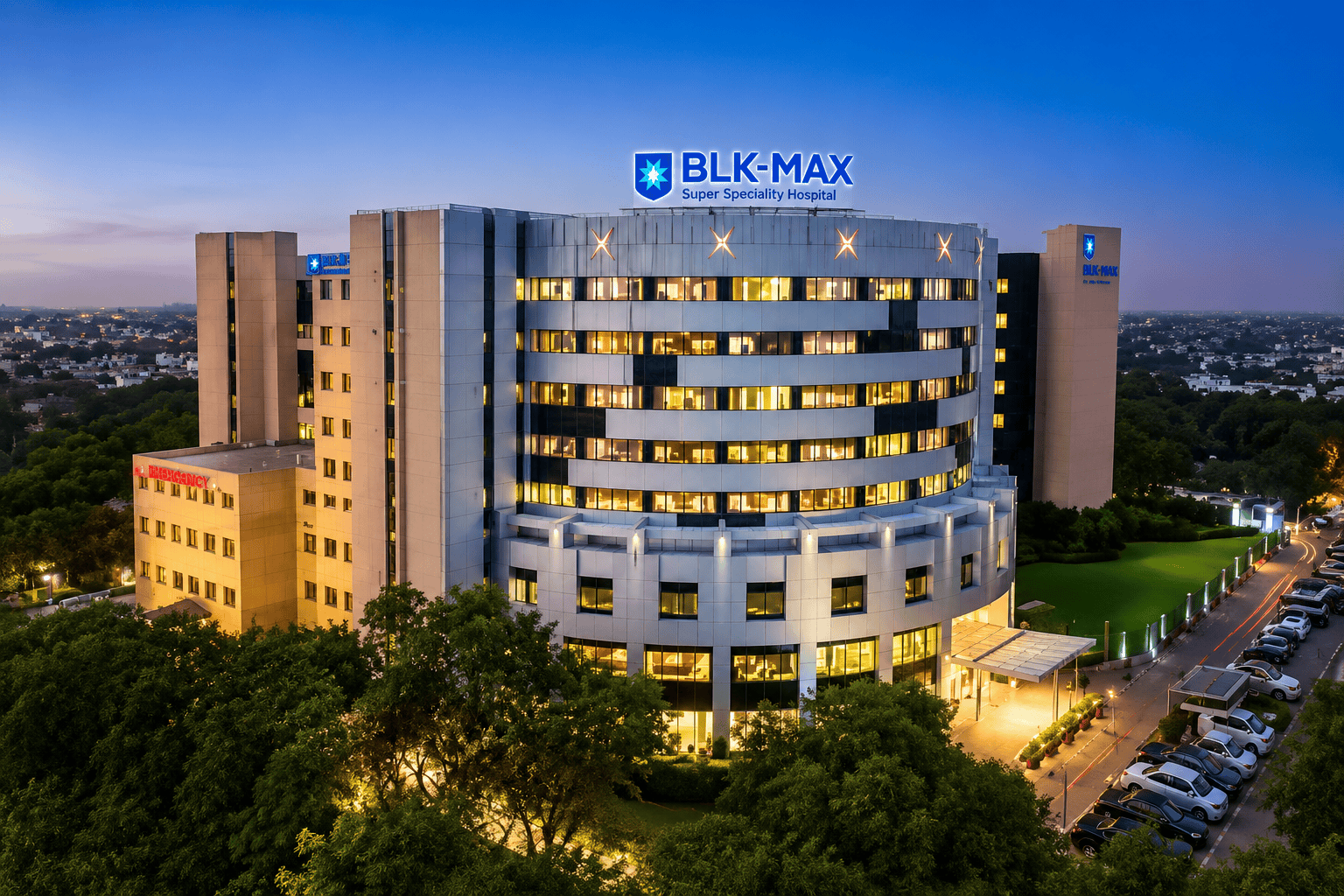
Pusa Road, Rajendra Place, New Delhi – 110005, India
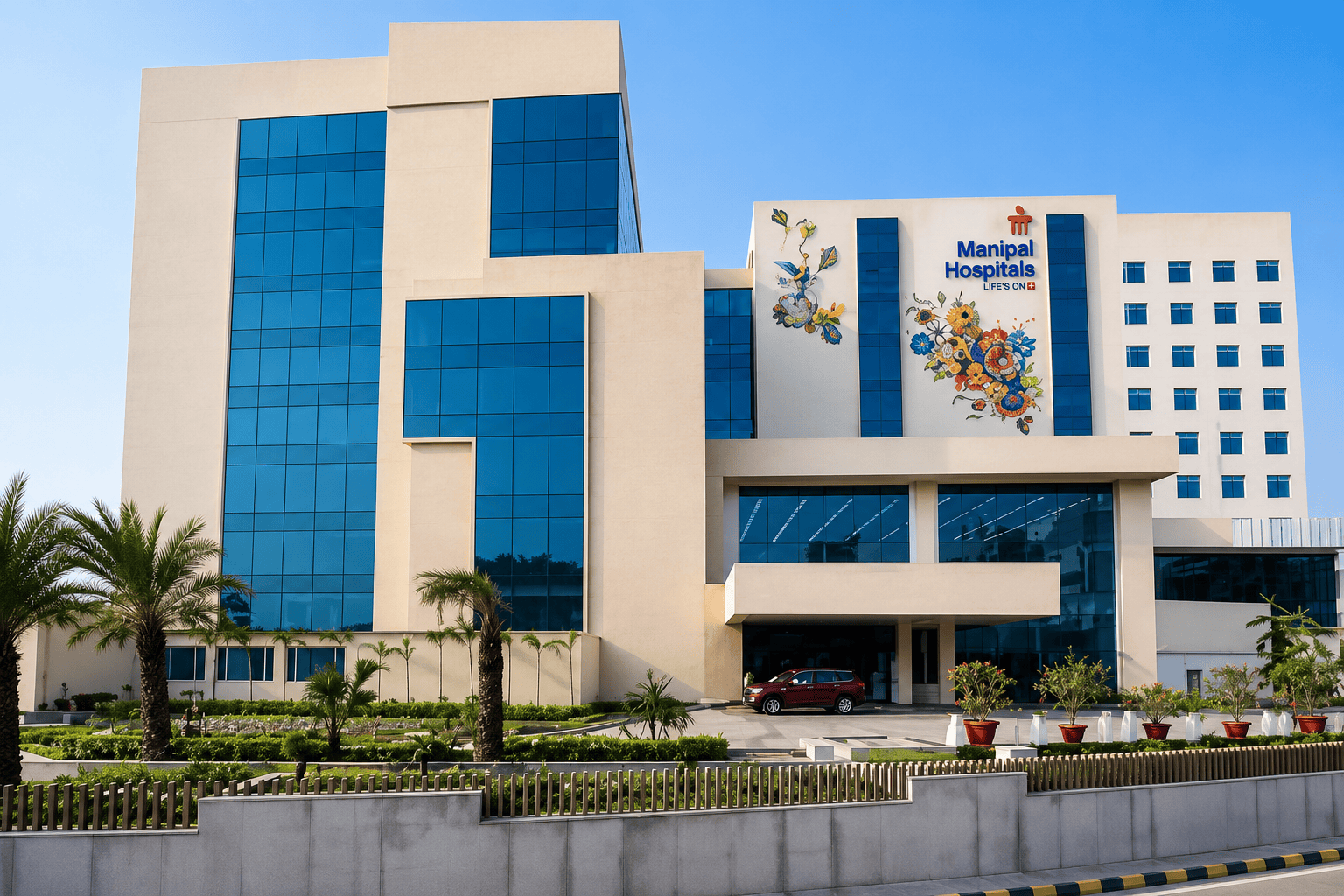
Palam Vihar, Sector 6, Dwarka, New Delhi – 110075, India
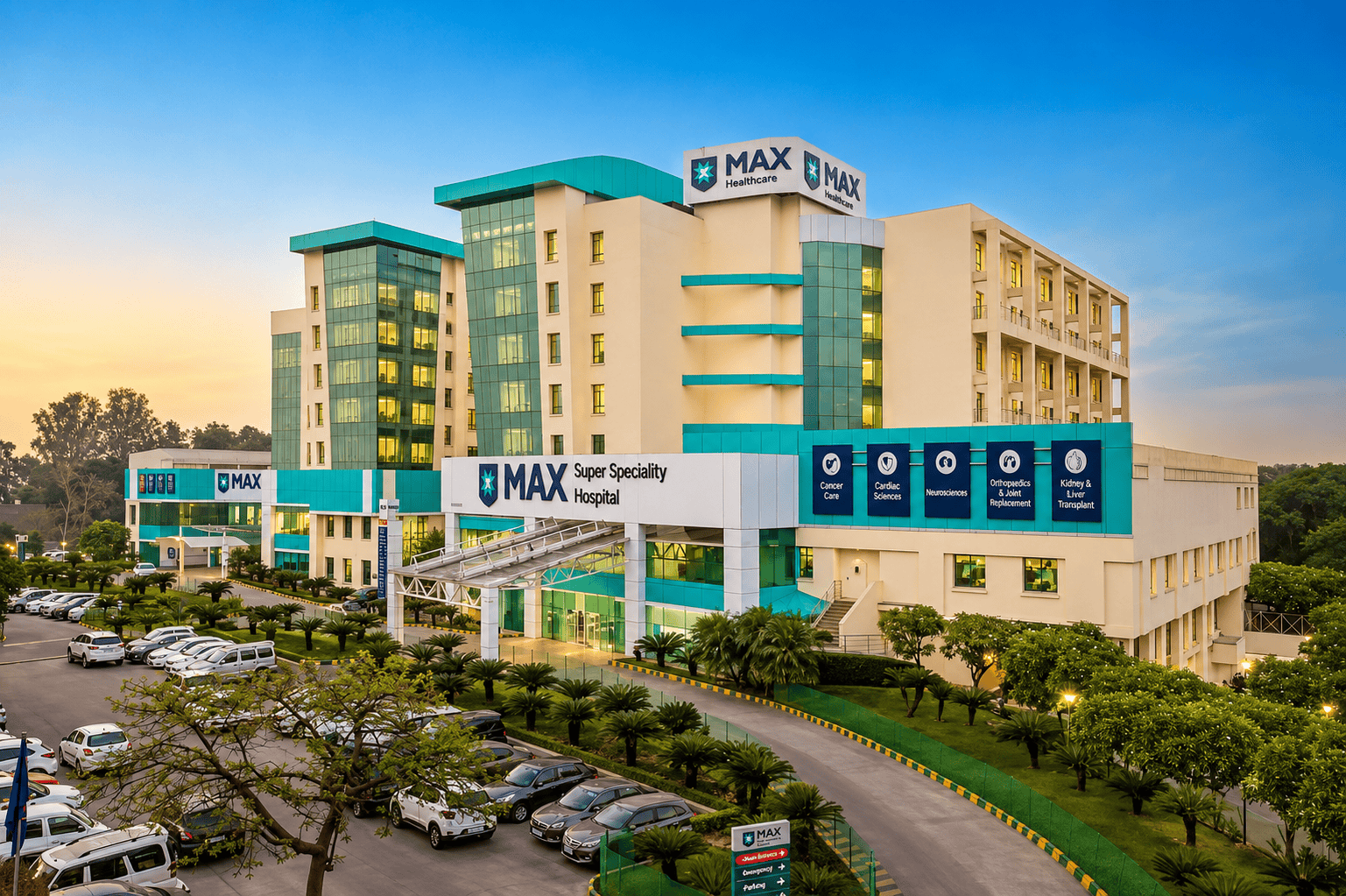
1 & 2, Press Enclave Road, Saket Institutional Area, Saket, New Delhi – 110017, India
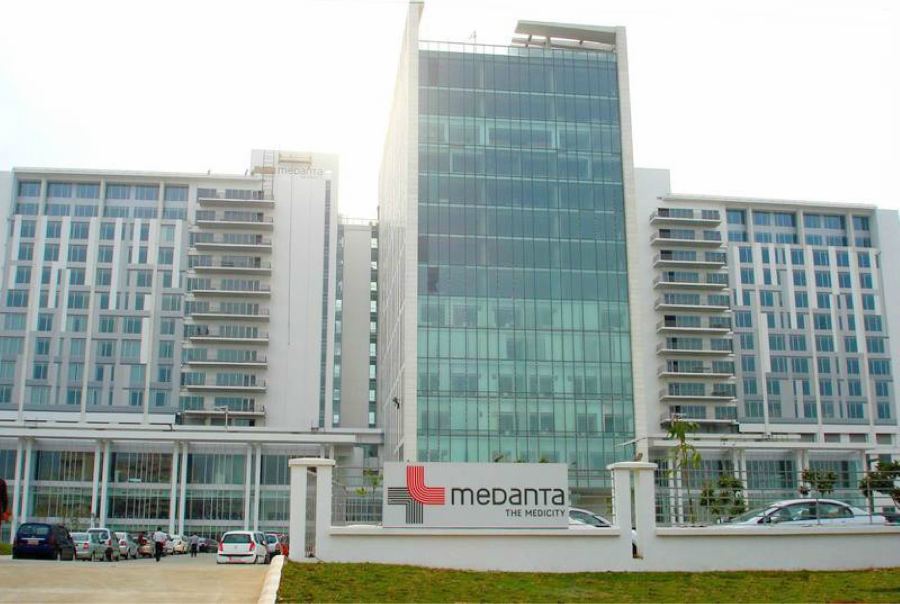
CH Baktawar Singh Road, Sector 38, Gurugram, Haryana – 122001, India
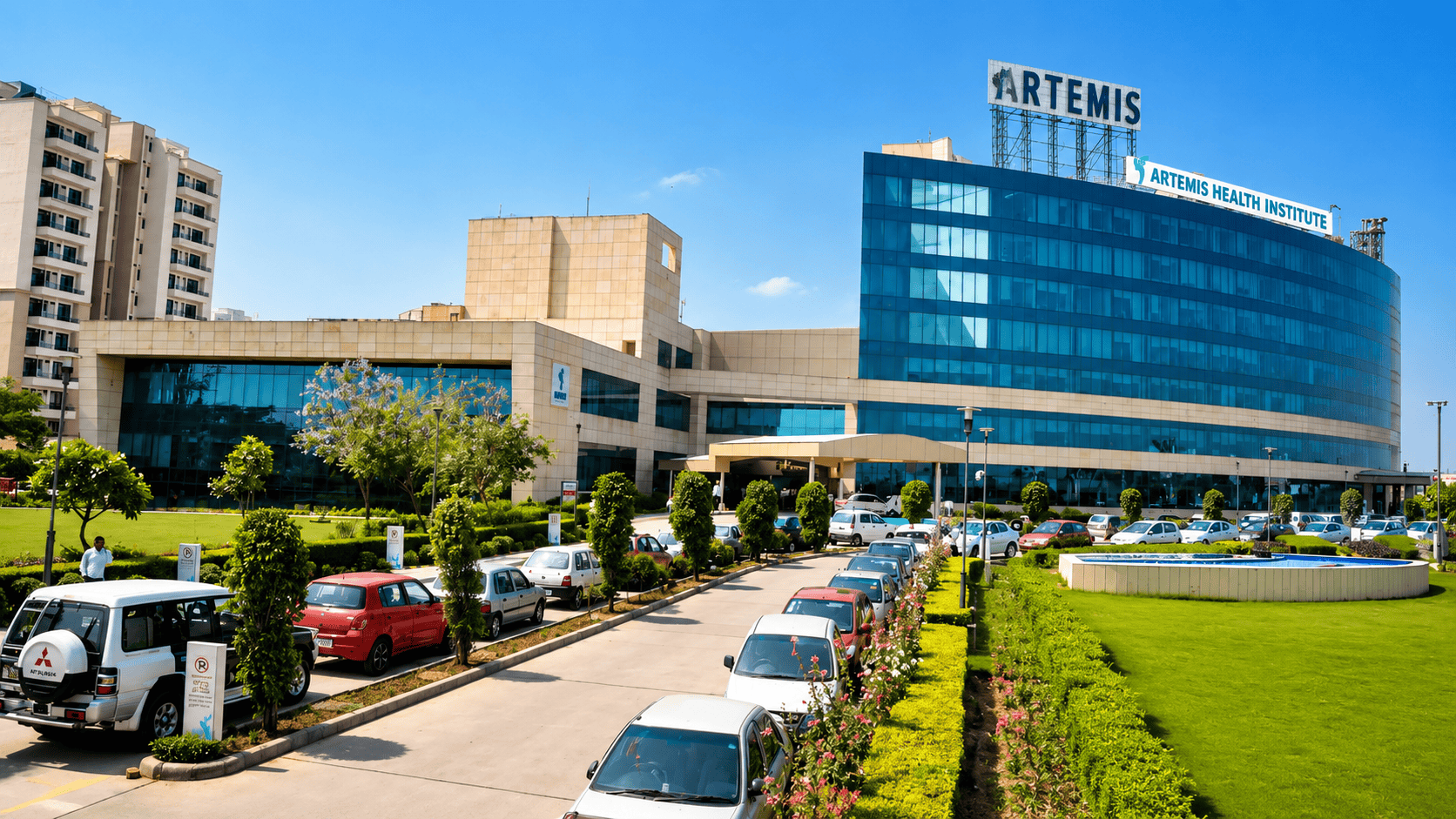
Sector 51, Gurugram, Haryana – 122018, India
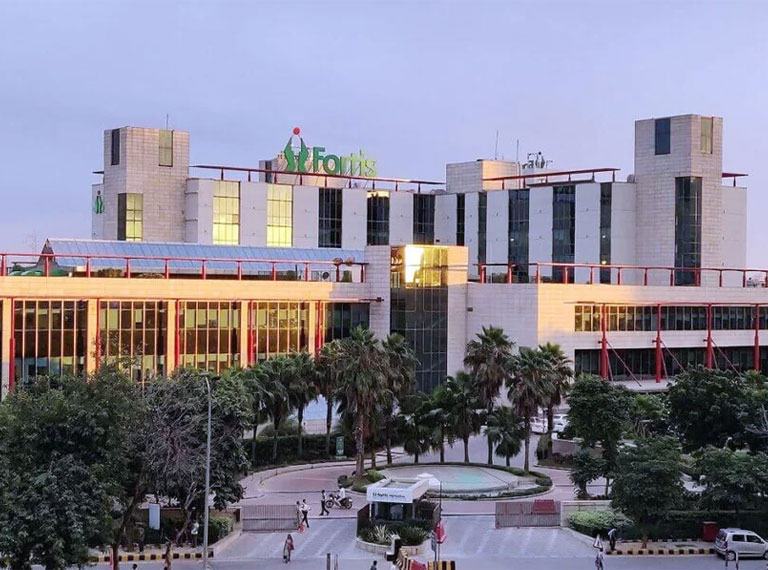
Sector - 44, Gurugram, Haryana – 122002, India
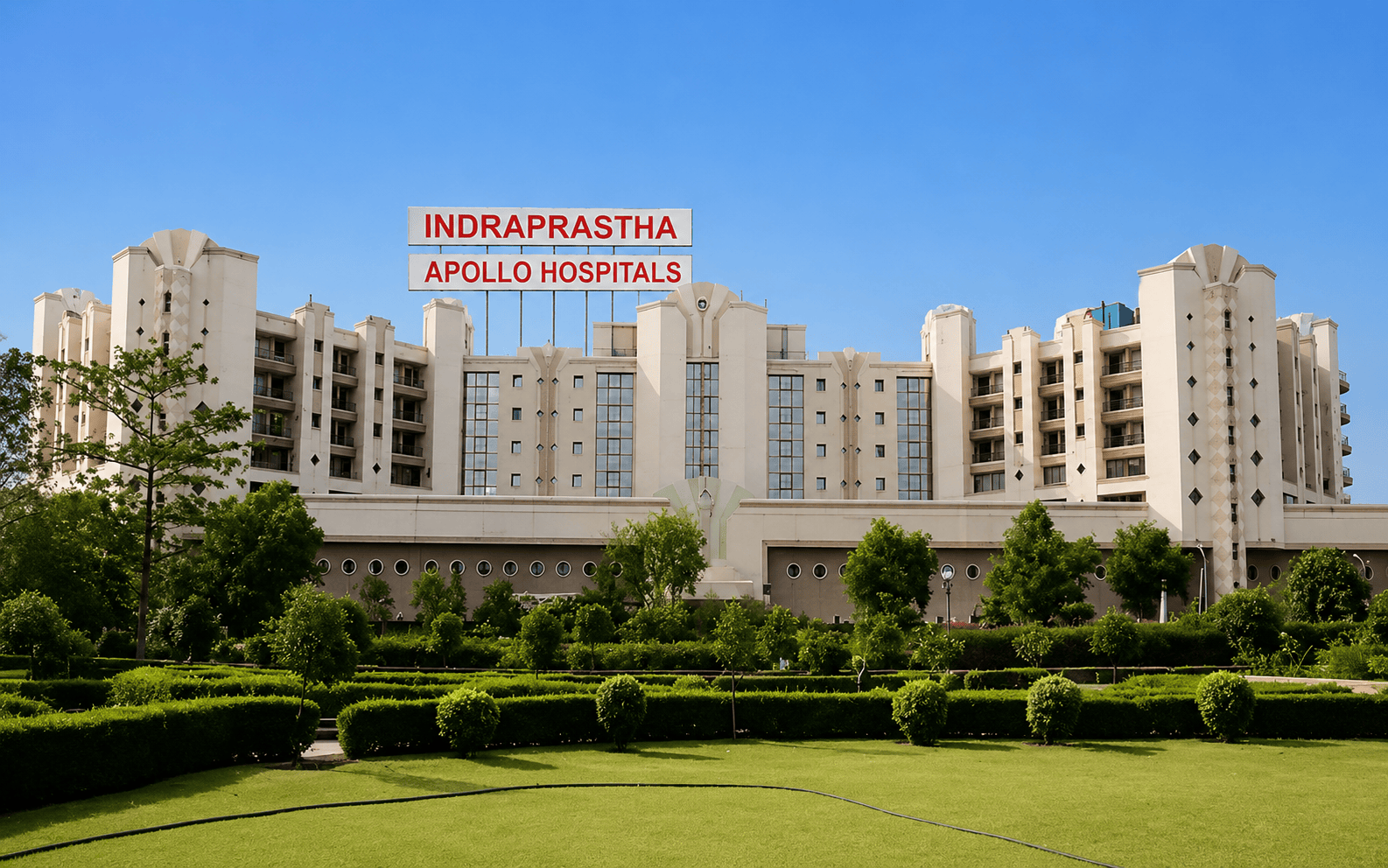
Sarita Vihar, Delhi-Mathura Road, New Delhi – 110076, India