
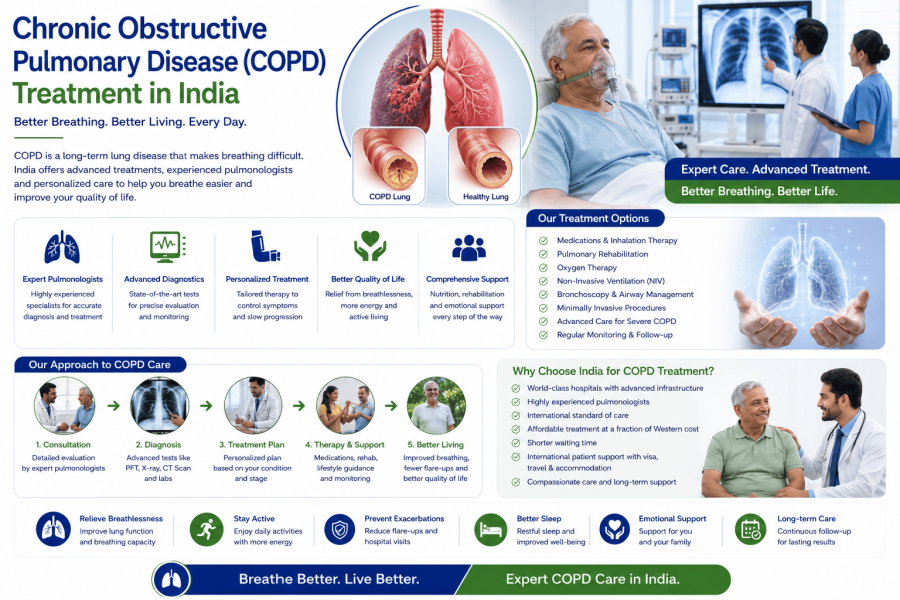
COPD is a long-term condition that requires ongoing management. Specialized procedures such as Bronchoscopic Lung Volume Reduction (BLVR) generally take 1 to 2 hours, while pulmonary rehabilitation programs usually continue for 6 to 12 weeks.
Most patients undergoing advanced procedures remain hospitalized for 2 to 5 days, while routine COPD treatment is usually provided on an outpatient basis.
Most bronchoscopic procedures are performed under general anesthesia or deep sedation, while routine COPD treatment does not require anesthesia.
2,000 to 15,000 USD*
Chronic Obstructive Pulmonary Disease (COPD) is a progressive lung disease that causes persistent airflow obstruction, making it difficult to breathe. It includes conditions such as chronic bronchitis and emphysema, which gradually damage the lungs and reduce their ability to deliver oxygen to the body. Although COPD cannot be completely cured, early diagnosis and advanced treatment can effectively control symptoms, slow disease progression, reduce exacerbations, and significantly improve quality of life.
India has become one of the world's leading destinations for advanced and affordable COPD treatment. Patients from Africa, the Middle East, and many other countries choose India because of its internationally accredited hospitals, experienced pulmonologists, advanced respiratory care units, modern diagnostic technology, and comprehensive pulmonary rehabilitation programs offered at significantly lower costs than many developed nations.
Recent advancements in COPD management have transformed patient outcomes. Leading hospitals in India now offer High-Resolution Pulmonary Function Testing (PFT), Low-Dose CT (LDCT) Lung Assessment, Endobronchial Valve Therapy, Bronchoscopic Lung Volume Reduction (BLVR), Pulmonary Rehabilitation Programs, Long-Term Oxygen Therapy (LTOT), Non-Invasive Ventilation (NIV/BiPAP), AI-assisted Respiratory Monitoring, Targeted Biological Therapies (selected patients), Tele-Pulmonology Follow-up, and Advanced Smoking Cessation Programs. These innovations improve breathing capacity, reduce hospital admissions, and enhance long-term disease management.
Whether you have mild COPD, severe emphysema, chronic bronchitis, or advanced respiratory failure, India offers comprehensive COPD treatment with international standards of quality, safety, and personalized patient care.
Patients with COPD commonly experience:
Patients experiencing persistent breathing problems should seek early evaluation by a pulmonologist.
Several factors increase the risk of developing COPD, including:
Before starting treatment, patients undergo a comprehensive respiratory evaluation to determine disease severity and lung function.
Diagnostic tests may include:
International patients can submit their medical reports online to receive an expert opinion before travelling to India.
Treatment is individualized according to disease severity, symptoms, lung function, and associated medical conditions.
Bronchodilators, inhaled corticosteroids, combination inhalers, mucolytics, and other medications help improve breathing and reduce flare-ups.
A structured rehabilitation program including supervised exercise training, breathing techniques, nutritional counseling, and patient education improves exercise capacity and quality of life.
Patients with chronic low oxygen levels may require oxygen therapy to improve daily functioning and reduce complications.
Advanced respiratory support is provided for selected patients with severe COPD and respiratory failure.
A minimally invasive procedure using endobronchial valves to reduce lung hyperinflation in carefully selected patients with severe emphysema.
Selected patients with advanced emphysema may benefit from surgical removal of damaged lung tissue to improve breathing efficiency.
For carefully selected patients with end-stage COPD who no longer respond to other treatments, lung transplantation may be considered.
Medications, inhalers, vaccinations, and lifestyle modifications remain the foundation of COPD treatment.
Exercise-based rehabilitation programs improve breathing efficiency, physical endurance, and overall health.
Includes Bronchoscopic Lung Volume Reduction (BLVR), Endobronchial Valve Therapy, and advanced bronchoscopy procedures.
Lung Volume Reduction Surgery (LVRS) and Lung Transplantation are reserved for selected patients with advanced disease.
Patients receive ongoing monitoring and long-term respiratory care.
Post-treatment care includes:
Although COPD is a chronic condition, modern treatment allows many patients to lead active and independent lives. Early diagnosis, proper medication, pulmonary rehabilitation, smoking cessation, regular exercise, and healthy nutrition significantly improve breathing, reduce exacerbations, and enhance overall quality of life.
Advanced therapies such as bronchoscopic lung volume reduction, long-term oxygen therapy, and personalized rehabilitation programs help many patients reduce hospital admissions and maintain better lung function for years.
Patients with COPD commonly experience:
Patients experiencing persistent breathing problems should seek early evaluation by a pulmonologist.
Several factors increase the risk of developing COPD, including:
Before starting treatment, patients undergo a comprehensive respiratory evaluation to determine disease severity and lung function.
Diagnostic tests may include:
International patients can submit their medical reports online to receive an expert opinion before travelling to India.
Treatment is individualized according to disease severity, symptoms, lung function, and associated medical conditions.
Bronchodilators, inhaled corticosteroids, combination inhalers, mucolytics, and other medications help improve breathing and reduce flare-ups.
A structured rehabilitation program including supervised exercise training, breathing techniques, nutritional counseling, and patient education improves exercise capacity and quality of life.
Patients with chronic low oxygen levels may require oxygen therapy to improve daily functioning and reduce complications.
Advanced respiratory support is provided for selected patients with severe COPD and respiratory failure.
A minimally invasive procedure using endobronchial valves to reduce lung hyperinflation in carefully selected patients with severe emphysema.
Selected patients with advanced emphysema may benefit from surgical removal of damaged lung tissue to improve breathing efficiency.
For carefully selected patients with end-stage COPD who no longer respond to other treatments, lung transplantation may be considered.
Patients receive ongoing monitoring and long-term respiratory care.
Post-treatment care includes:
Although COPD is a chronic condition, modern treatment allows many patients to lead active and independent lives. Early diagnosis, proper medication, pulmonary rehabilitation, smoking cessation, regular exercise, and healthy nutrition significantly improve breathing, reduce exacerbations, and enhance overall quality of life.
Advanced therapies such as bronchoscopic lung volume reduction, long-term oxygen therapy, and personalized rehabilitation programs help many patients reduce hospital admissions and maintain better lung function for years.
Yes. COPD treatment in India is significantly more affordable than in many developed countries while maintaining international standards of respiratory care.
COPD cannot be completely cured, but modern treatment can effectively control symptoms, slow disease progression, reduce flare-ups, and improve quality of life.
Recent advancements include Bronchoscopic Lung Volume Reduction (BLVR), Endobronchial Valve Therapy, AI-assisted respiratory monitoring, advanced pulmonary rehabilitation, non-invasive ventilation, targeted biological therapies for selected patients, and tele-pulmonology services.
Yes. International patients receive complete assistance with online consultations, medical visas, accommodation, airport transfers, interpreter services, pulmonary rehabilitation, and follow-up care.
Lung transplantation may be recommended for carefully selected patients with end-stage COPD who continue to have severe symptoms despite optimal medical treatment.
Yes. Pulmonary rehabilitation is one of the most effective non-surgical treatments for COPD and helps improve exercise capacity, reduce breathlessness, and enhance daily functioning.
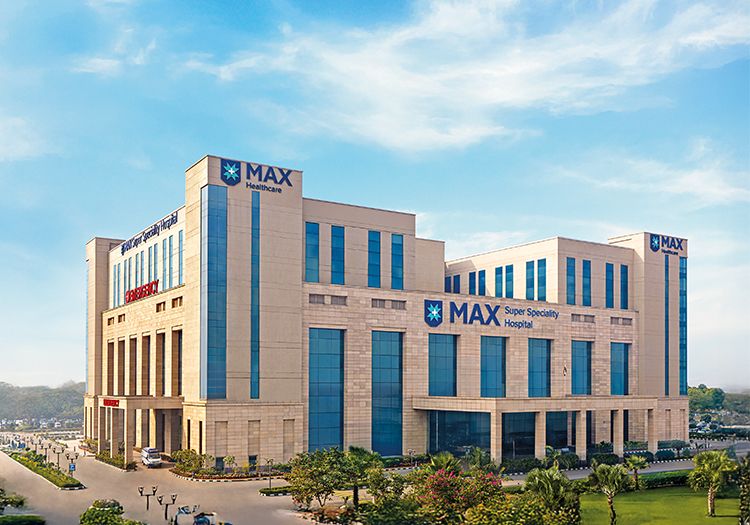
Jaypee Hospital Road, Goberdhanpur, Sector 128, Noida, Uttar Pradesh – 201304, India
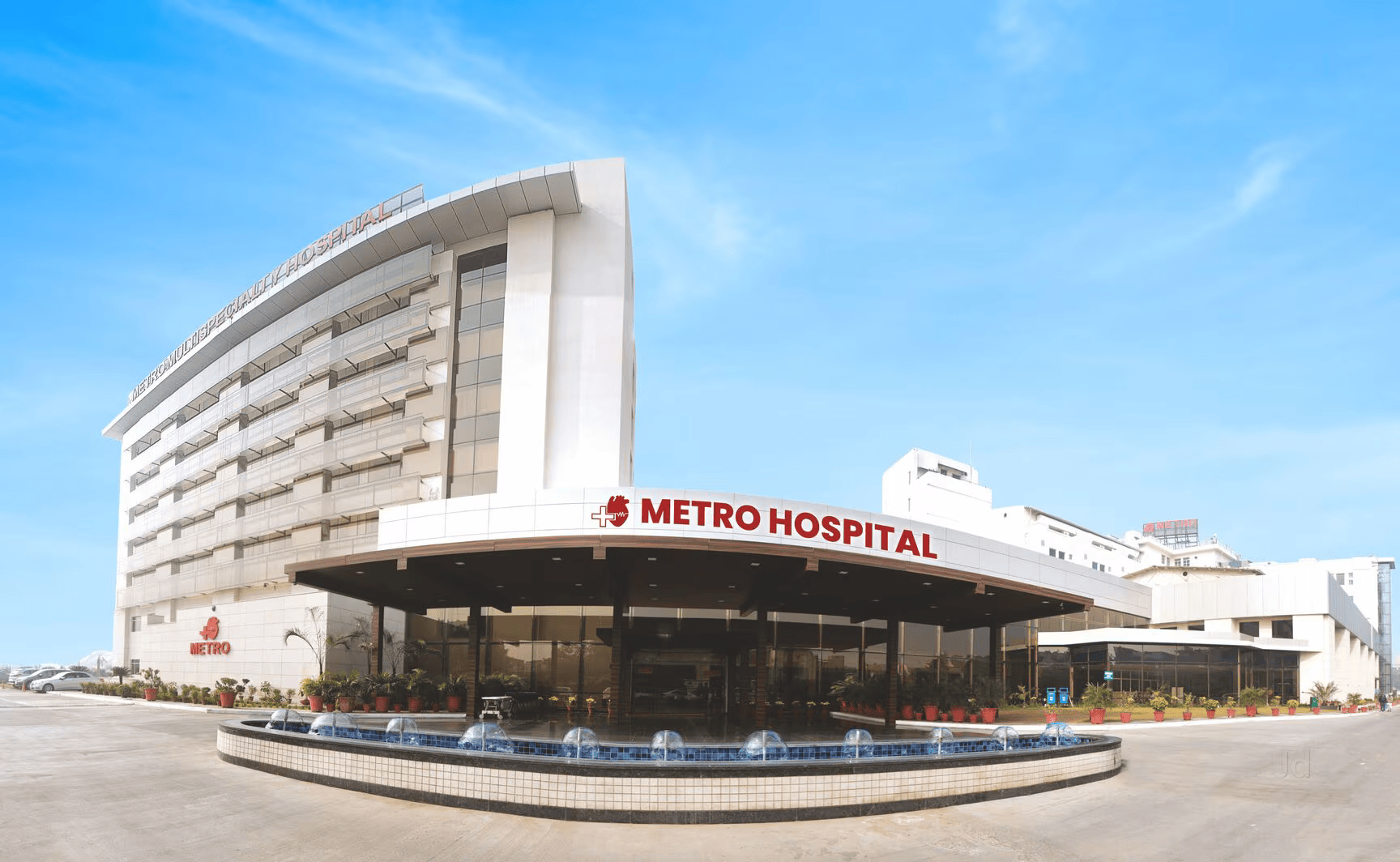
Sector 16A, Faridabad, Haryana – 121002, India
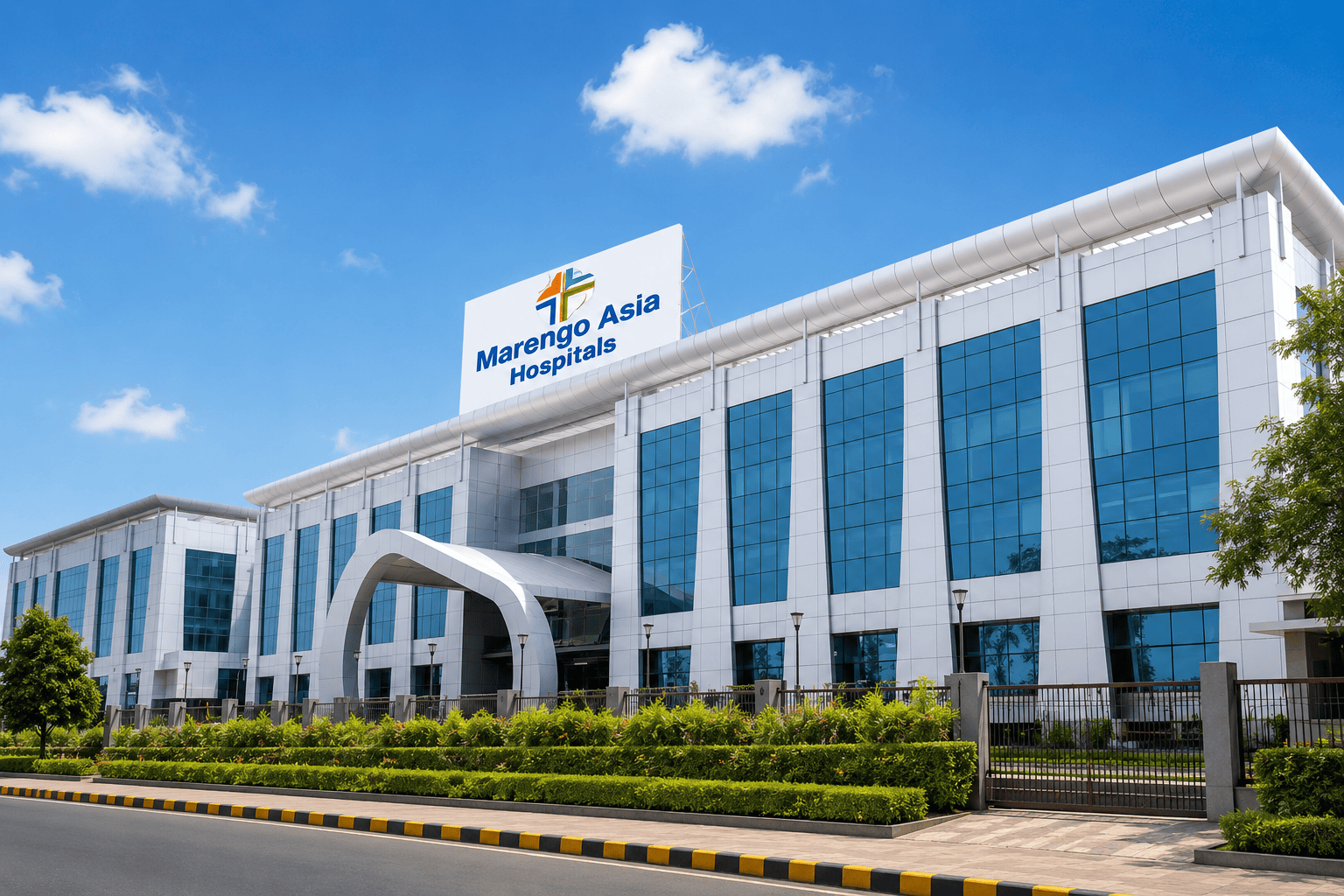
Plot No. 1, HUDA Staff Colony, Sector 16, Faridabad, Haryana – 121002, India
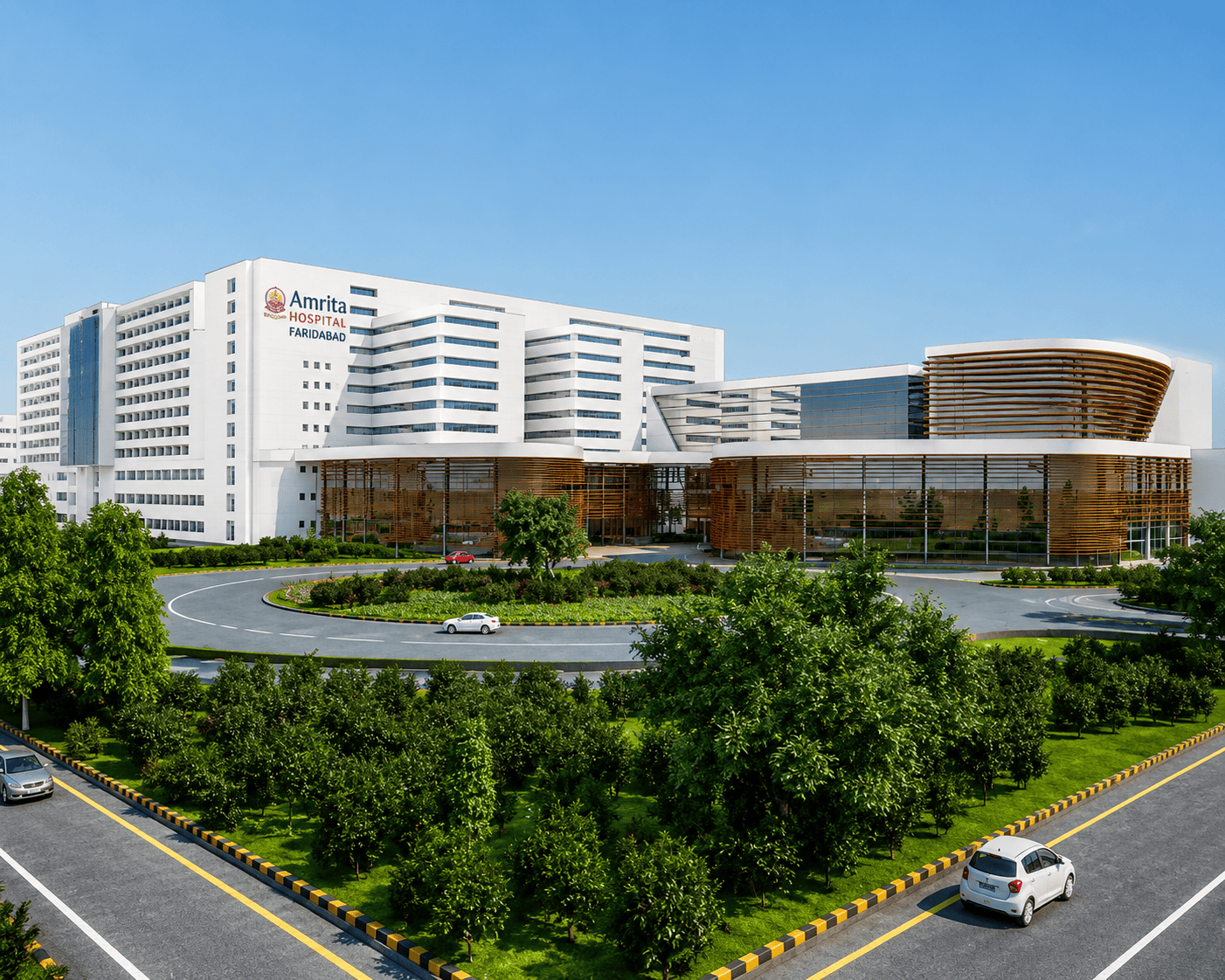
Mata Amritanandamayi Marg, Sector 88, Faridabad, Haryana – 121014, India
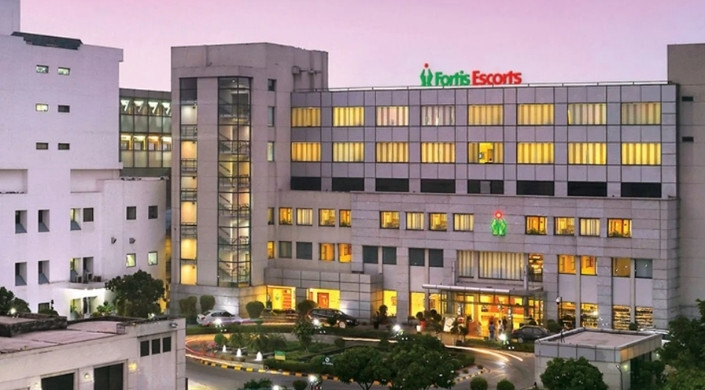
Okhla Road, Opposite Sukhdev Vihar Metro Station, New Delhi – 110025, India
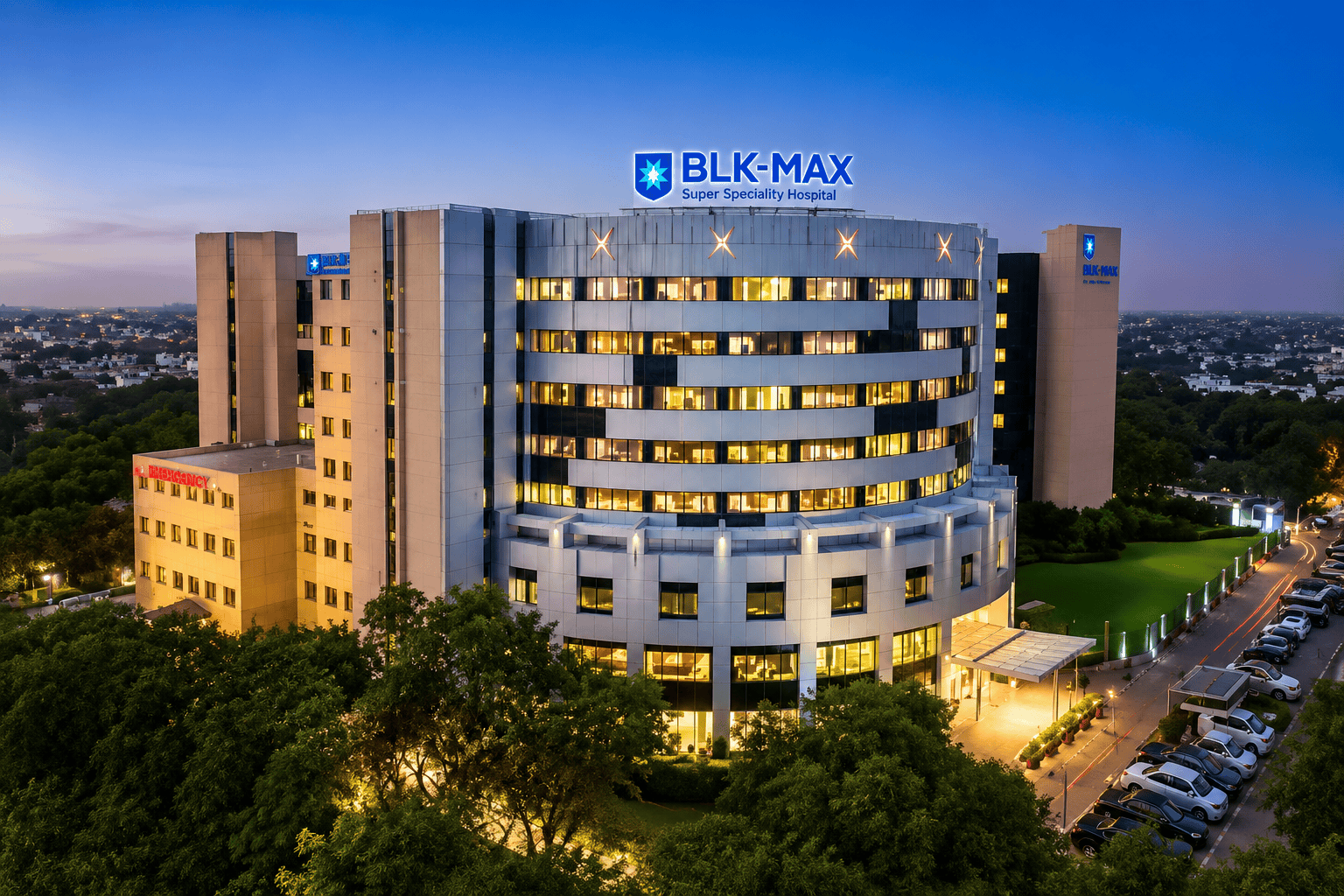
Pusa Road, Rajendra Place, New Delhi – 110005, India
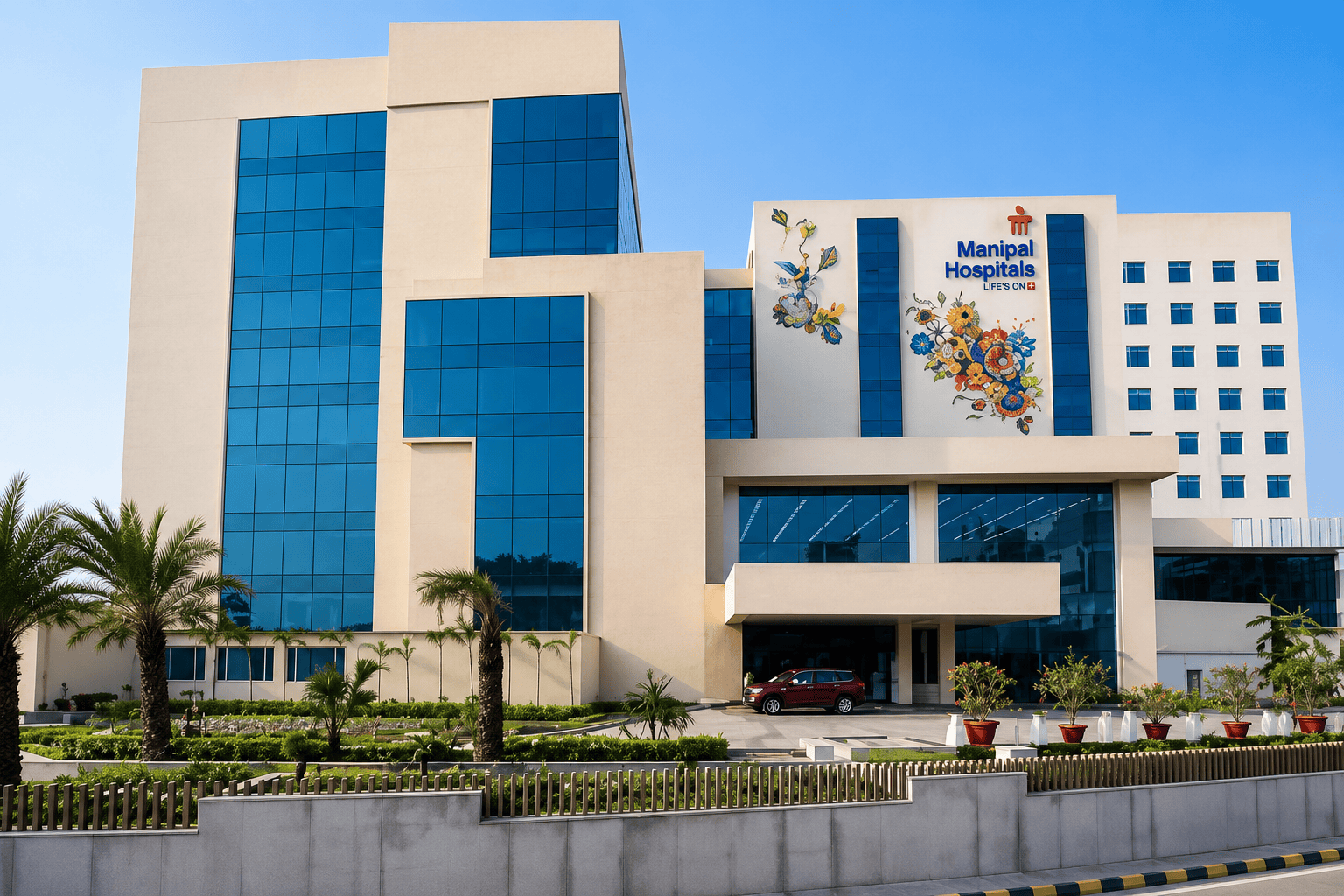
Palam Vihar, Sector 6, Dwarka, New Delhi – 110075, India
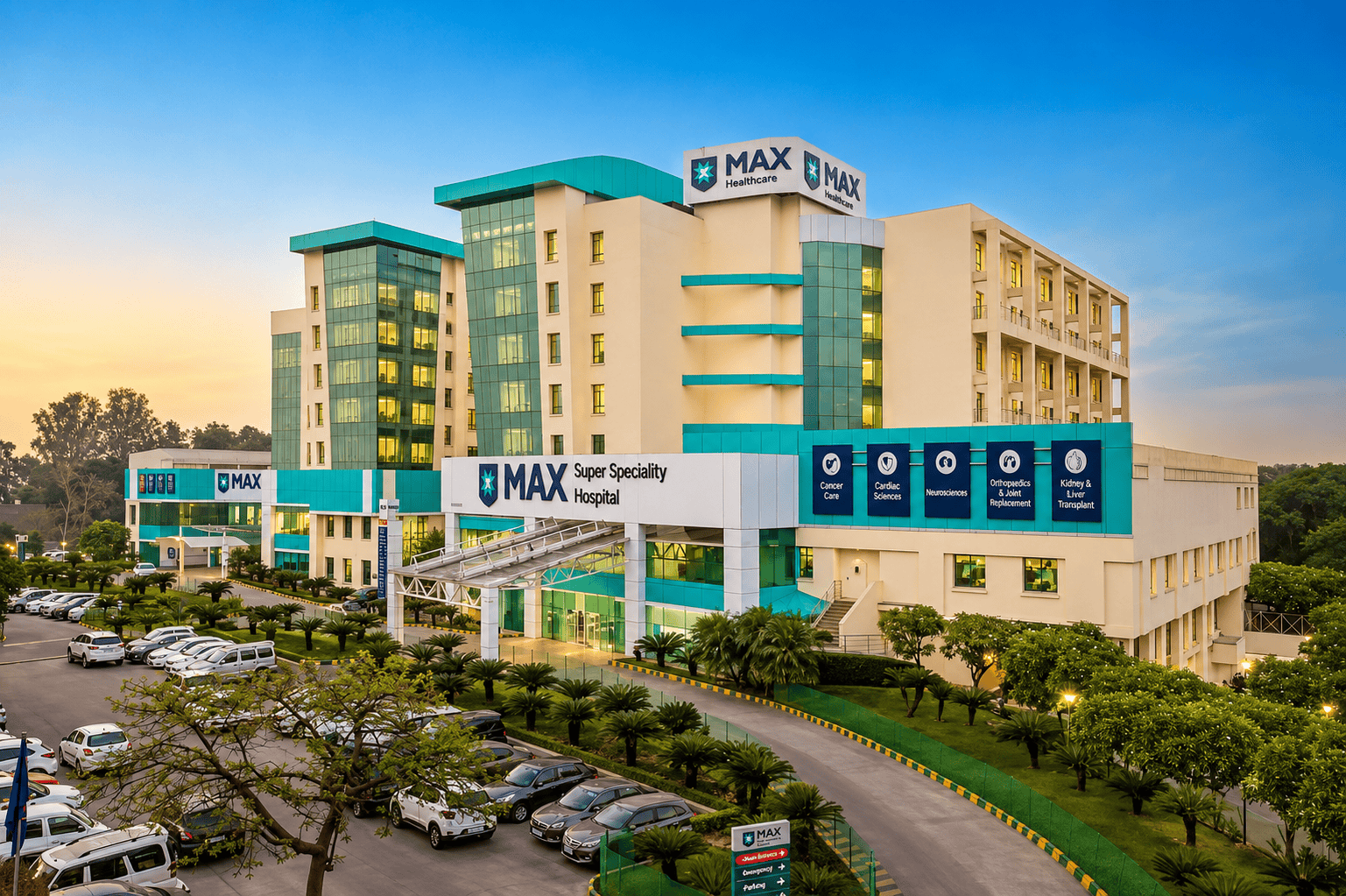
1 & 2, Press Enclave Road, Saket Institutional Area, Saket, New Delhi – 110017, India
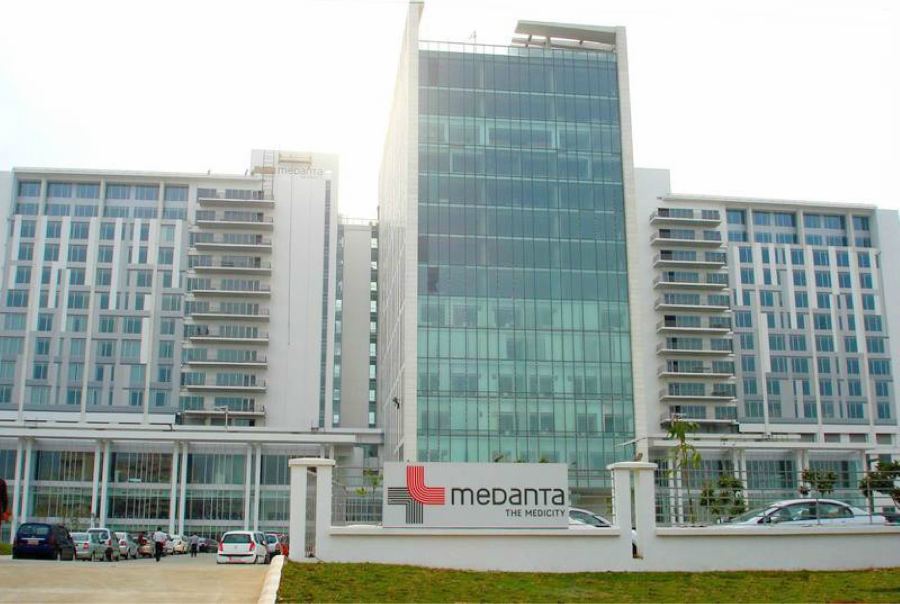
CH Baktawar Singh Road, Sector 38, Gurugram, Haryana – 122001, India
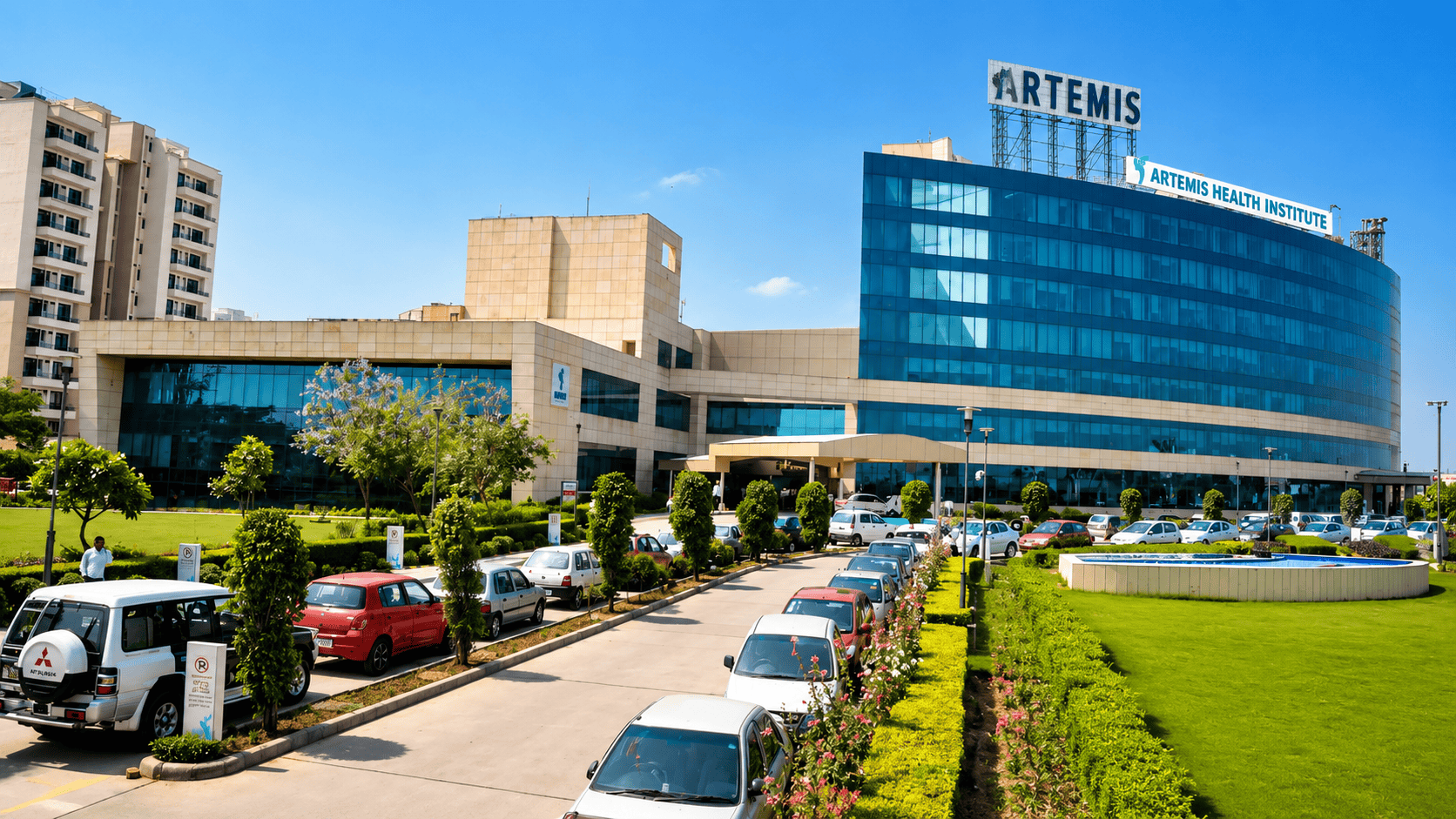
Sector 51, Gurugram, Haryana – 122018, India
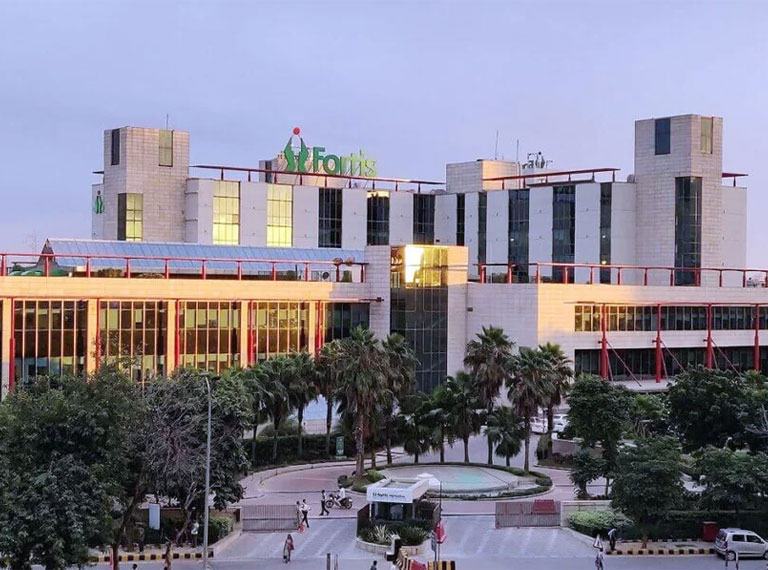
Sector - 44, Gurugram, Haryana – 122002, India
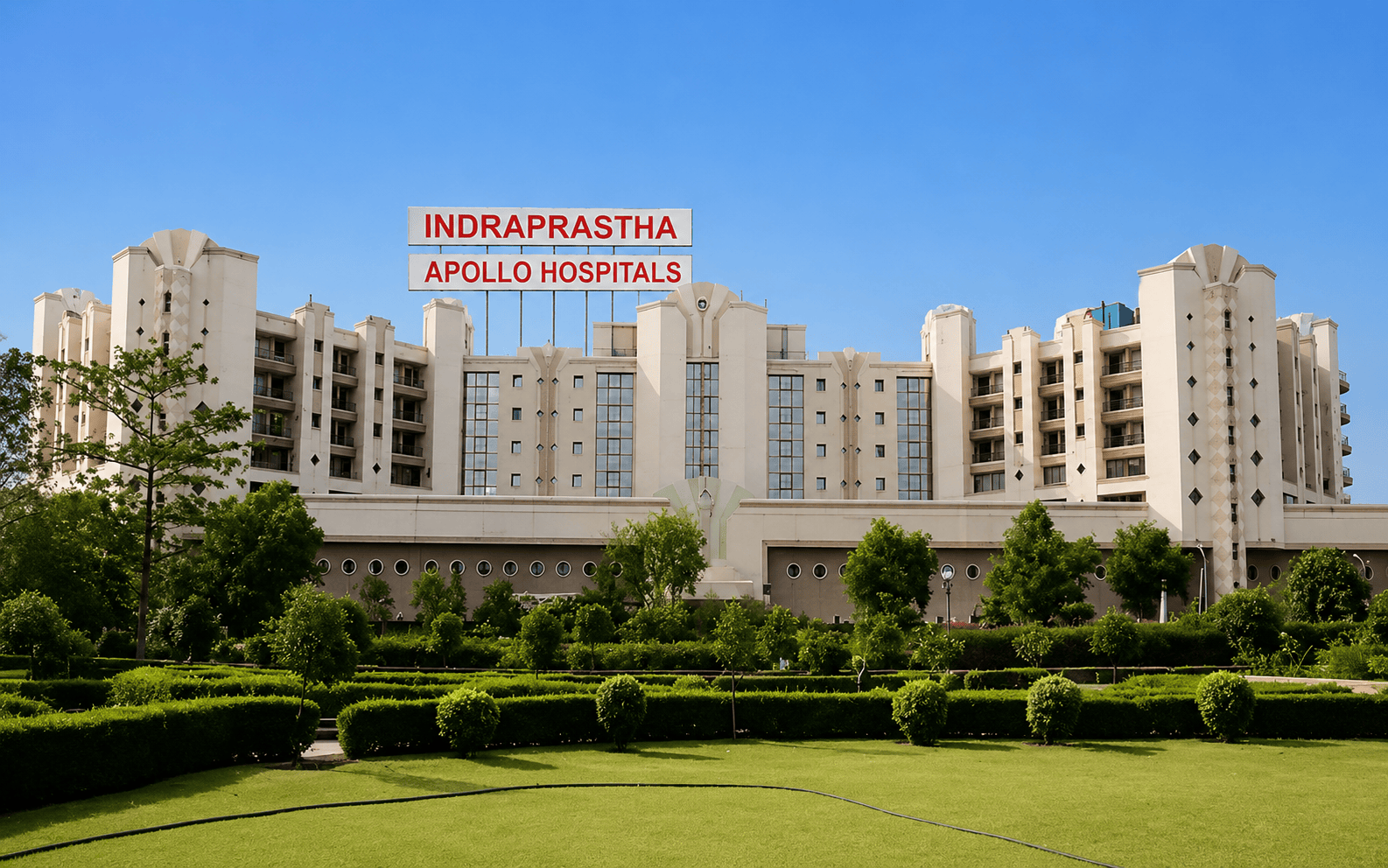
Sarita Vihar, Delhi-Mathura Road, New Delhi – 110076, India