
Pulmonary Hypertension is a long-term condition requiring continuous management. Interventional procedures such as Balloon Pulmonary Angioplasty usually take 1 to 3 hours per session, while Pulmonary Endarterectomy generally takes 6 to 10 hours. Long-term
Most patients receiving medical treatment are managed on an outpatient basis. Patients undergoing Balloon Pulmonary Angioplasty usually remain hospitalized for 2 to 4 days, while Pulmonary Endarterectomy generally requires 10 to 21 days of hospitalization
Routine medical treatment does not require anesthesia. Balloon Pulmonary Angioplasty is usually performed under local anesthesia with sedation, while Pulmonary Endarterectomy requires general anesthesia.
3,000 to 25,000*
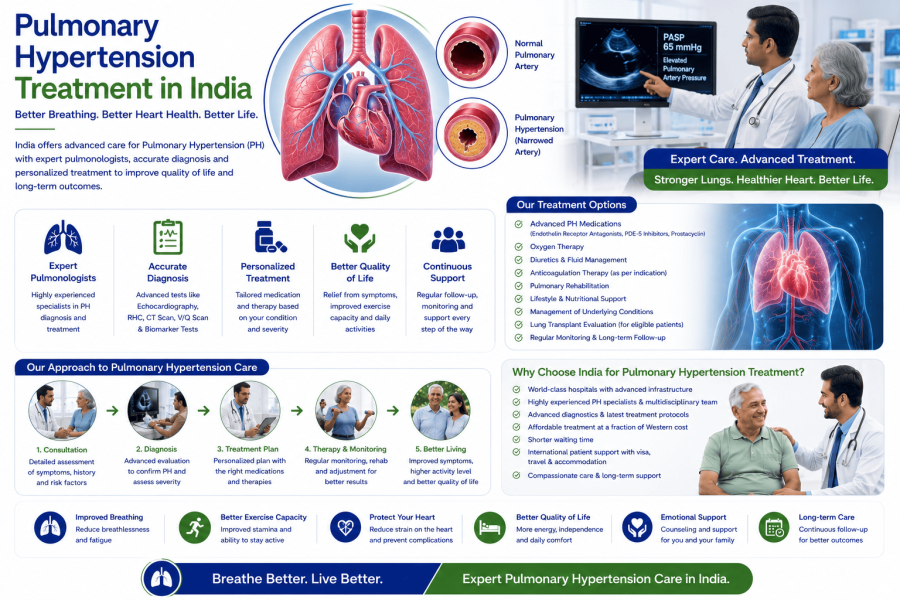
Pulmonary Hypertension (PH) is a serious and progressive condition characterized by high blood pressure in the arteries of the lungs, causing the heart to work harder to pump blood through the pulmonary circulation. Over time, untreated pulmonary hypertension can lead to right-sided heart failure, reduced oxygen delivery, and life-threatening complications. Early diagnosis and specialized treatment can slow disease progression, improve exercise capacity, relieve symptoms, and significantly enhance quality of life.
India has become one of the world's leading destinations for advanced and affordable Pulmonary Hypertension treatment. Patients from Africa, the Middle East, and many other countries choose India because of its internationally accredited hospitals, experienced pulmonologists, cardiologists, pulmonary hypertension specialists, advanced cardiac and respiratory care units, and comprehensive multidisciplinary treatment programs at significantly lower costs than many developed countries.
Recent advancements in Pulmonary Hypertension management have transformed patient outcomes. Leading hospitals in India now offer Right Heart Catheterization (Gold Standard Diagnosis), 3D Echocardiography, Cardiac MRI, High-Resolution CT Pulmonary Angiography, Ventilation-Perfusion (V/Q) Scan, Pulmonary Function Testing (PFT), Advanced Vasoreactivity Testing, Targeted Pulmonary Hypertension Therapy, Combination Drug Therapy, Balloon Pulmonary Angioplasty (BPA) for selected patients with Chronic Thromboembolic Pulmonary Hypertension (CTEPH), Pulmonary Endarterectomy (PEA), AI-assisted Cardiac Imaging, and Lung or Heart-Lung Transplant Evaluation for advanced cases. These innovations improve diagnostic accuracy, reduce symptoms, delay disease progression, and improve long-term survival.
Whether you have Pulmonary Arterial Hypertension (PAH), Chronic Thromboembolic Pulmonary Hypertension (CTEPH), PH associated with heart disease, lung disease, connective tissue disorders, or congenital heart disease, India offers comprehensive treatment with international standards of quality, safety, and personalized patient care.
Patients with Pulmonary Hypertension may experience:
Persistent breathlessness or unexplained exercise intolerance should be evaluated by a pulmonologist or cardiologist.
Several factors increase the risk of developing Pulmonary Hypertension, including:
Before treatment, patients undergo comprehensive cardiopulmonary evaluation to determine the type, severity, and underlying cause of Pulmonary Hypertension.
Diagnostic tests may include:
International patients can submit their medical reports online to receive an expert opinion before travelling to India.
Treatment is individualized based on the type of pulmonary hypertension, disease severity, underlying cause, and overall health.
Patients may receive advanced pulmonary hypertension medications including:
Many patients benefit from combination treatment using two or more targeted medications to improve long-term outcomes.
Patients with low oxygen levels may require long-term oxygen therapy to improve oxygen delivery and reduce strain on the heart.
A minimally invasive catheter-based procedure used to open narrowed pulmonary arteries in selected patients with Chronic Thromboembolic Pulmonary Hypertension (CTEPH) who are not suitable for surgery.
A highly specialized surgical procedure performed for eligible patients with CTEPH to remove chronic blood clots from the pulmonary arteries and restore blood flow.
Patients with advanced pulmonary hypertension who no longer respond to medical treatment may be evaluated for lung transplantation or combined heart-lung transplantation.
Targeted medications, diuretics, anticoagulants (when indicated), oxygen therapy, and lifestyle modifications.
Balloon Pulmonary Angioplasty (BPA) for selected CTEPH patients.
Pulmonary Endarterectomy (PEA) and lung transplantation for eligible patients.
Many patients benefit from coordinated care involving pulmonologists, cardiologists, cardiac surgeons, thoracic surgeons, rehabilitation specialists, and transplant teams.
Patients receive continuous monitoring and long-term cardiopulmonary care.
Post-treatment care includes:
Although Pulmonary Hypertension is a chronic condition, modern treatment has significantly improved survival, exercise capacity, and quality of life. Early diagnosis, targeted medications, pulmonary rehabilitation, oxygen therapy, and regular specialist follow-up help many patients remain active and independent.
Patients who adhere to prescribed medications, maintain a healthy lifestyle, avoid smoking, participate in supervised rehabilitation, and attend regular follow-up appointments often experience better long-term outcomes. For carefully selected patients with advanced disease, pulmonary endarterectomy or lung transplantation can offer substantial improvement in survival and quality of life.
Patients with Pulmonary Hypertension may experience:
Persistent breathlessness or unexplained exercise intolerance should be evaluated by a pulmonologist or cardiologist.
Several factors increase the risk of developing Pulmonary Hypertension, including:
Before treatment, patients undergo comprehensive cardiopulmonary evaluation to determine the type, severity, and underlying cause of Pulmonary Hypertension.
Diagnostic tests may include:
International patients can submit their medical reports online to receive an expert opinion before travelling to India.
Treatment is individualized based on the type of pulmonary hypertension, disease severity, underlying cause, and overall health.
Patients may receive advanced pulmonary hypertension medications including:
Many patients benefit from combination treatment using two or more targeted medications to improve long-term outcomes.
Patients with low oxygen levels may require long-term oxygen therapy to improve oxygen delivery and reduce strain on the heart.
A minimally invasive catheter-based procedure used to open narrowed pulmonary arteries in selected patients with Chronic Thromboembolic Pulmonary Hypertension (CTEPH) who are not suitable for surgery.
A highly specialized surgical procedure performed for eligible patients with CTEPH to remove chronic blood clots from the pulmonary arteries and restore blood flow.
Patients with advanced pulmonary hypertension who no longer respond to medical treatment may be evaluated for lung transplantation or combined heart-lung transplantation.
Targeted medications, diuretics, anticoagulants (when indicated), oxygen therapy, and lifestyle modifications.
Balloon Pulmonary Angioplasty (BPA) for selected CTEPH patients.
Pulmonary Endarterectomy (PEA) and lung transplantation for eligible patients.
Many patients benefit from coordinated care involving pulmonologists, cardiologists, cardiac surgeons, thoracic surgeons, rehabilitation specialists, and transplant teams.
Patients receive continuous monitoring and long-term cardiopulmonary care.
Post-treatment care includes:
Although Pulmonary Hypertension is a chronic condition, modern treatment has significantly improved survival, exercise capacity, and quality of life. Early diagnosis, targeted medications, pulmonary rehabilitation, oxygen therapy, and regular specialist follow-up help many patients remain active and independent.
Patients who adhere to prescribed medications, maintain a healthy lifestyle, avoid smoking, participate in supervised rehabilitation, and attend regular follow-up appointments often experience better long-term outcomes. For carefully selected patients with advanced disease, pulmonary endarterectomy or lung transplantation can offer substantial improvement in survival and quality of life.
Yes. Pulmonary Hypertension treatment in India is considerably more affordable than in many developed countries while maintaining international standards of cardiopulmonary care.
Some forms, such as Chronic Thromboembolic Pulmonary Hypertension (CTEPH), may be effectively treated with Pulmonary Endarterectomy. Most other forms cannot be completely cured but can be successfully managed with advanced medications and specialized care.
Recent advancements include Right Heart Catheterization, AI-assisted cardiac imaging, targeted combination drug therapy, Balloon Pulmonary Angioplasty (BPA), Pulmonary Endarterectomy (PEA), precision risk assessment, and lung transplantation for advanced disease.
Yes. International patients receive comprehensive assistance including online consultations, medical visas, accommodation, airport transfers, interpreter services, rehabilitation, and long-term follow-up.
Lung transplantation may be considered for patients with severe pulmonary hypertension who continue to deteriorate despite optimal medical therapy.
Yes. Pulmonary rehabilitation improves exercise tolerance, breathing efficiency, and overall quality of life and is an important part of long-term disease management.
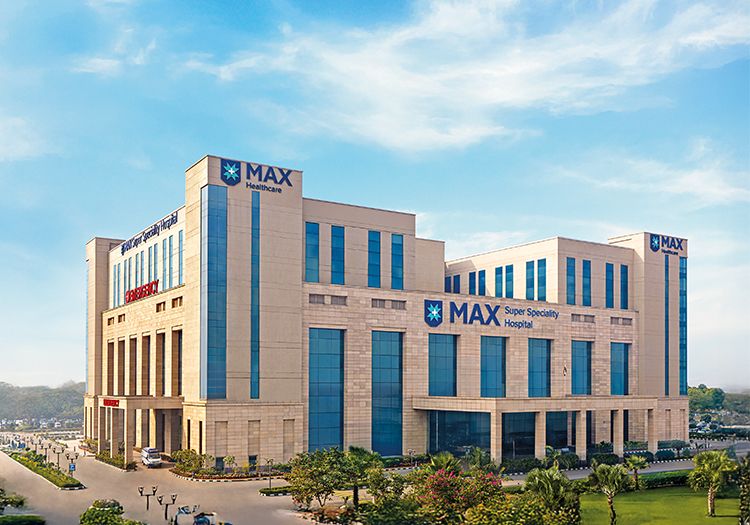
Jaypee Hospital Road, Goberdhanpur, Sector 128, Noida, Uttar Pradesh – 201304, India
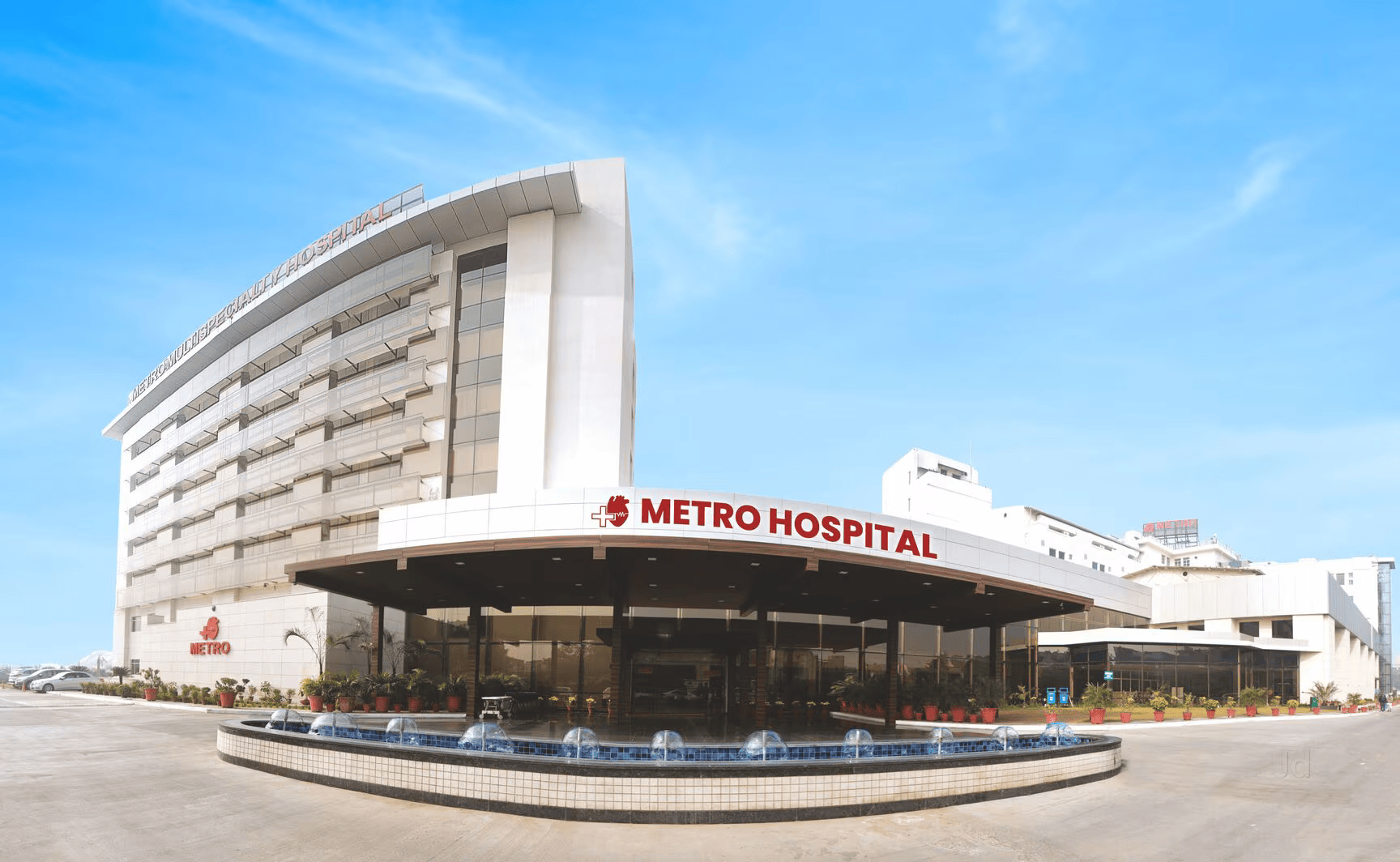
Sector 16A, Faridabad, Haryana – 121002, India
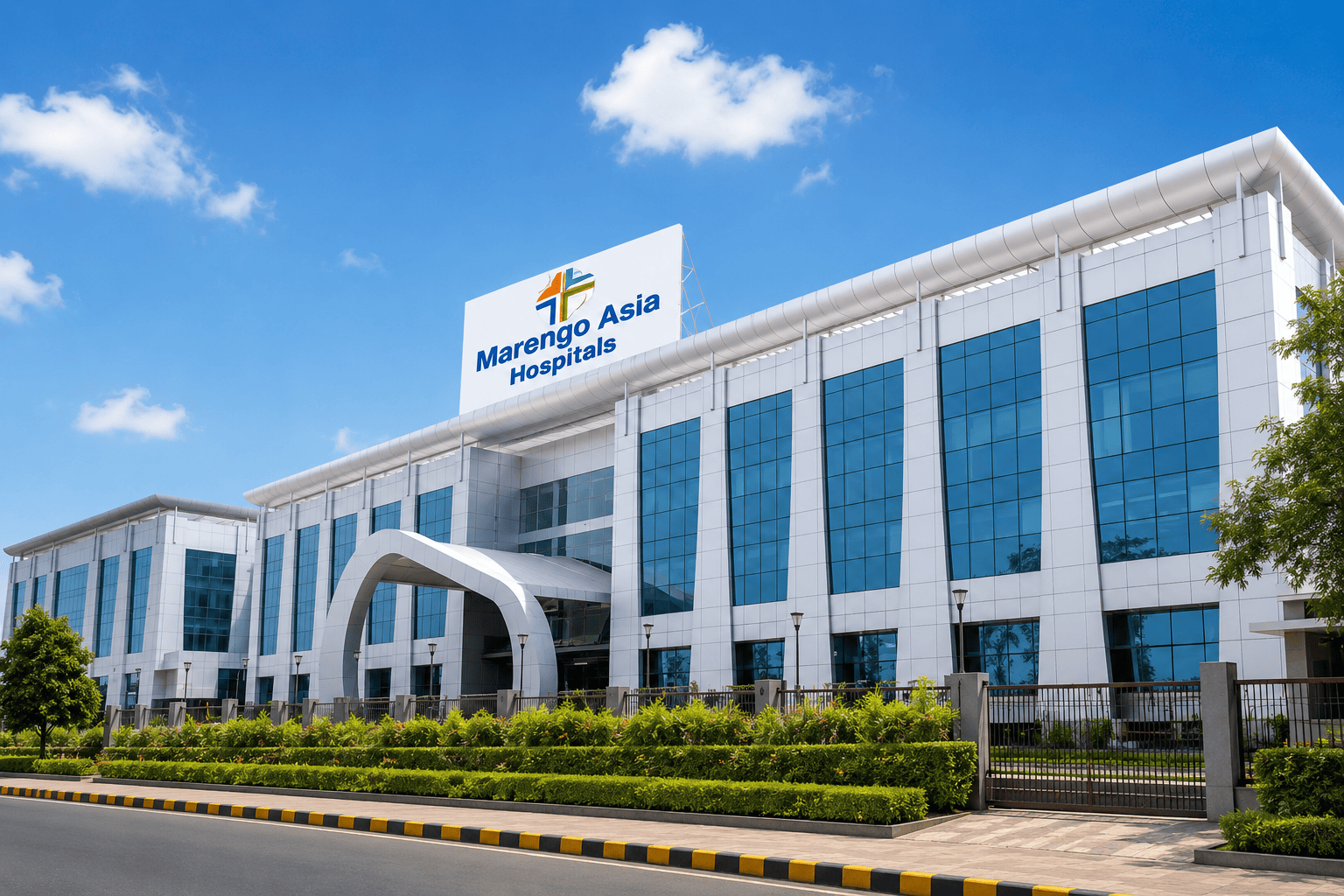
Plot No. 1, HUDA Staff Colony, Sector 16, Faridabad, Haryana – 121002, India
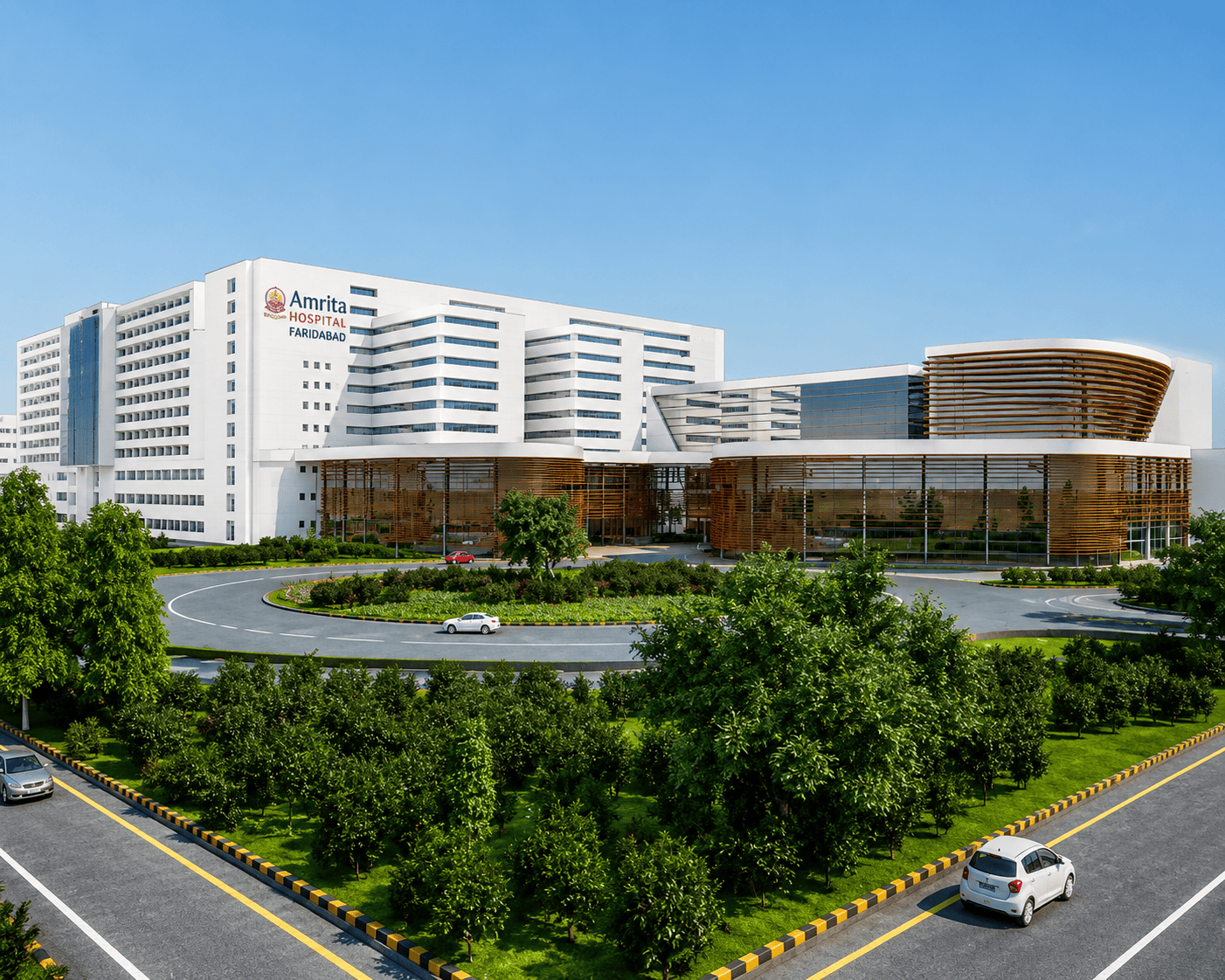
Mata Amritanandamayi Marg, Sector 88, Faridabad, Haryana – 121014, India
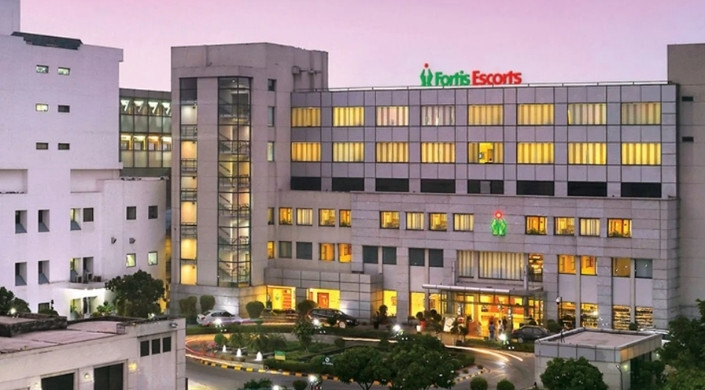
Okhla Road, Opposite Sukhdev Vihar Metro Station, New Delhi – 110025, India
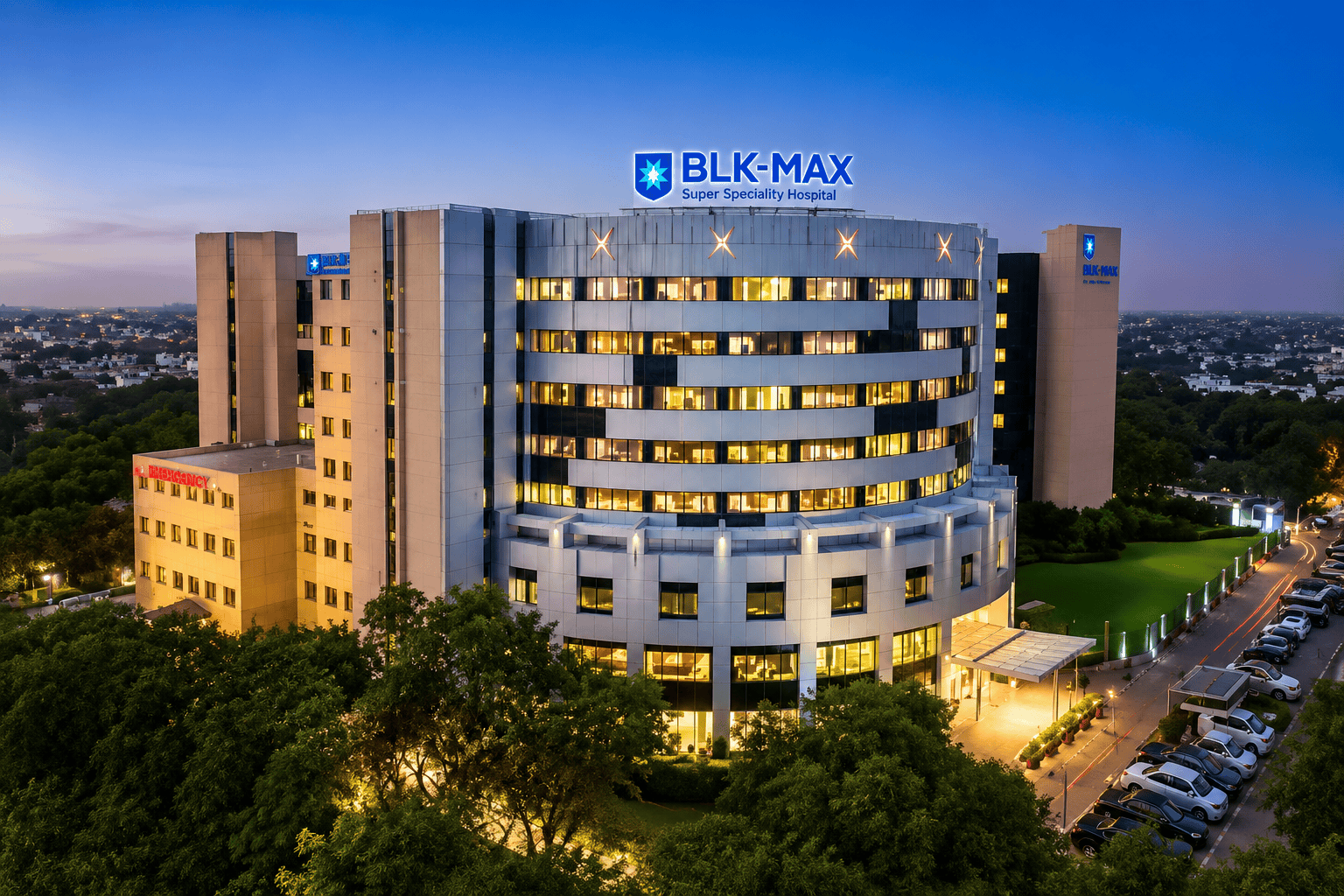
Pusa Road, Rajendra Place, New Delhi – 110005, India
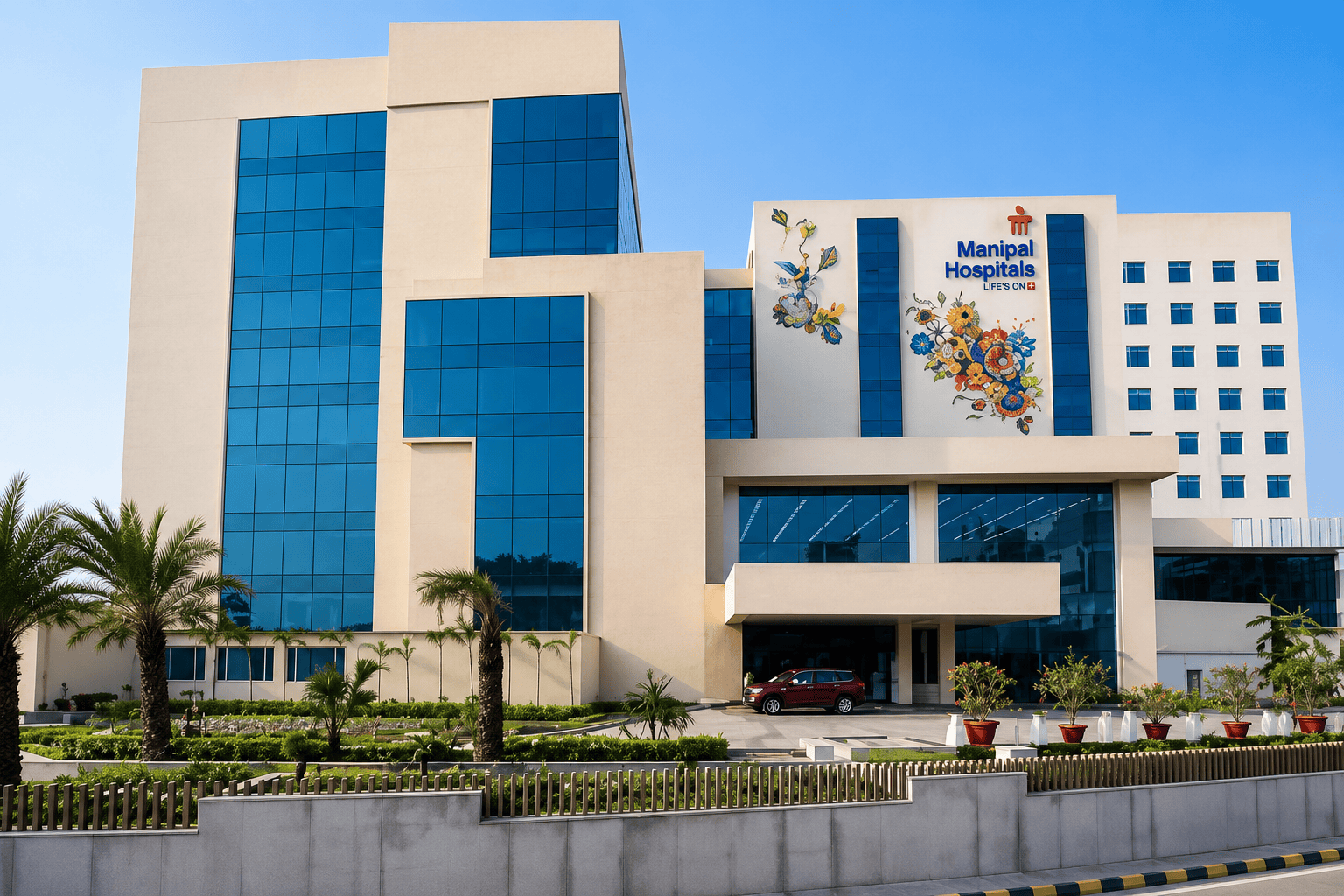
Palam Vihar, Sector 6, Dwarka, New Delhi – 110075, India
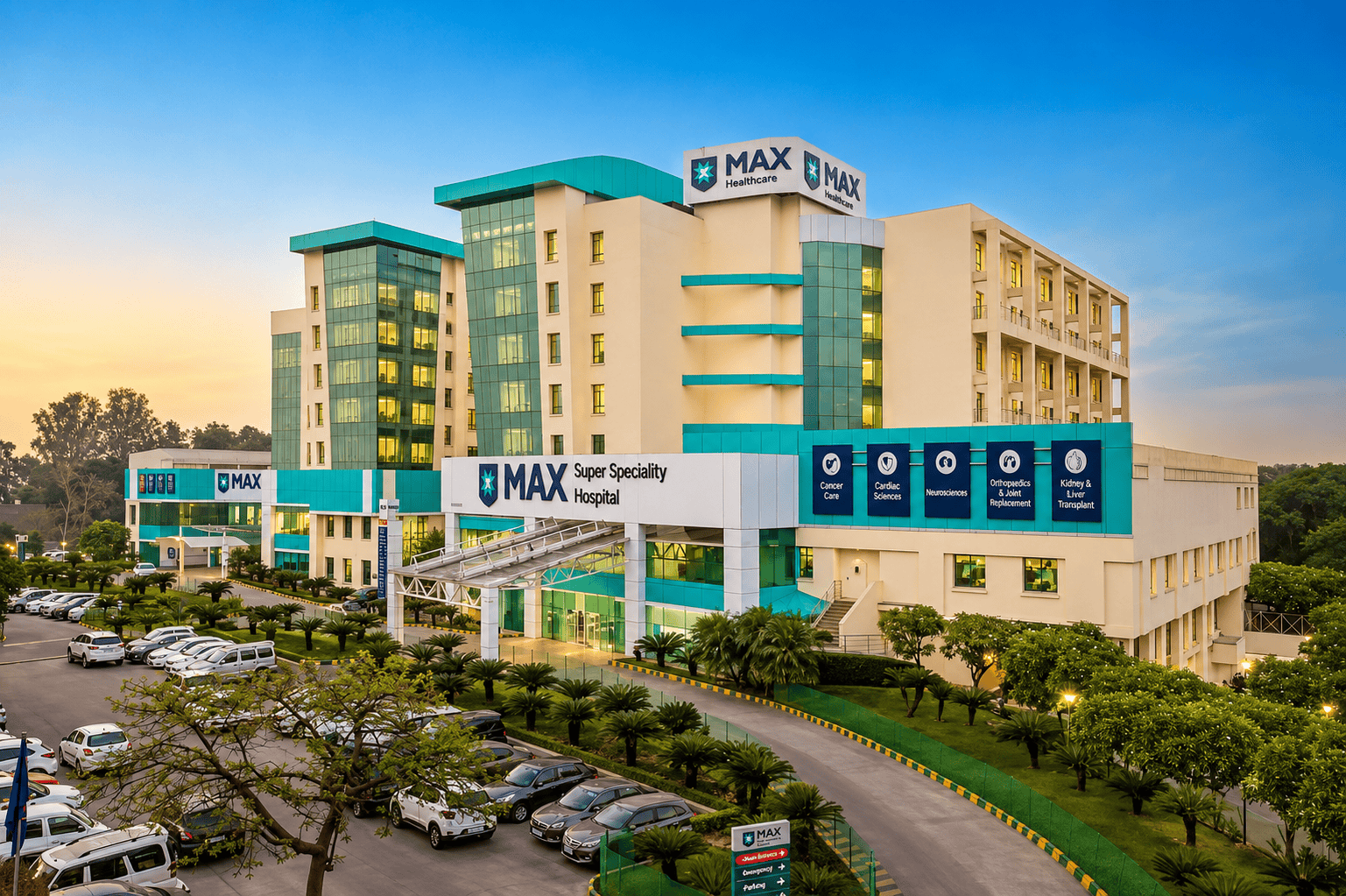
1 & 2, Press Enclave Road, Saket Institutional Area, Saket, New Delhi – 110017, India
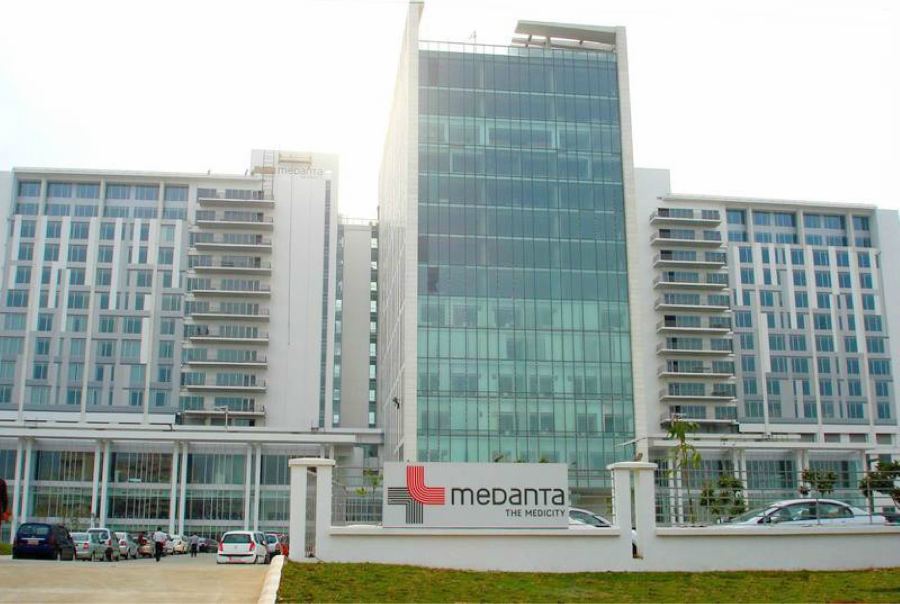
CH Baktawar Singh Road, Sector 38, Gurugram, Haryana – 122001, India
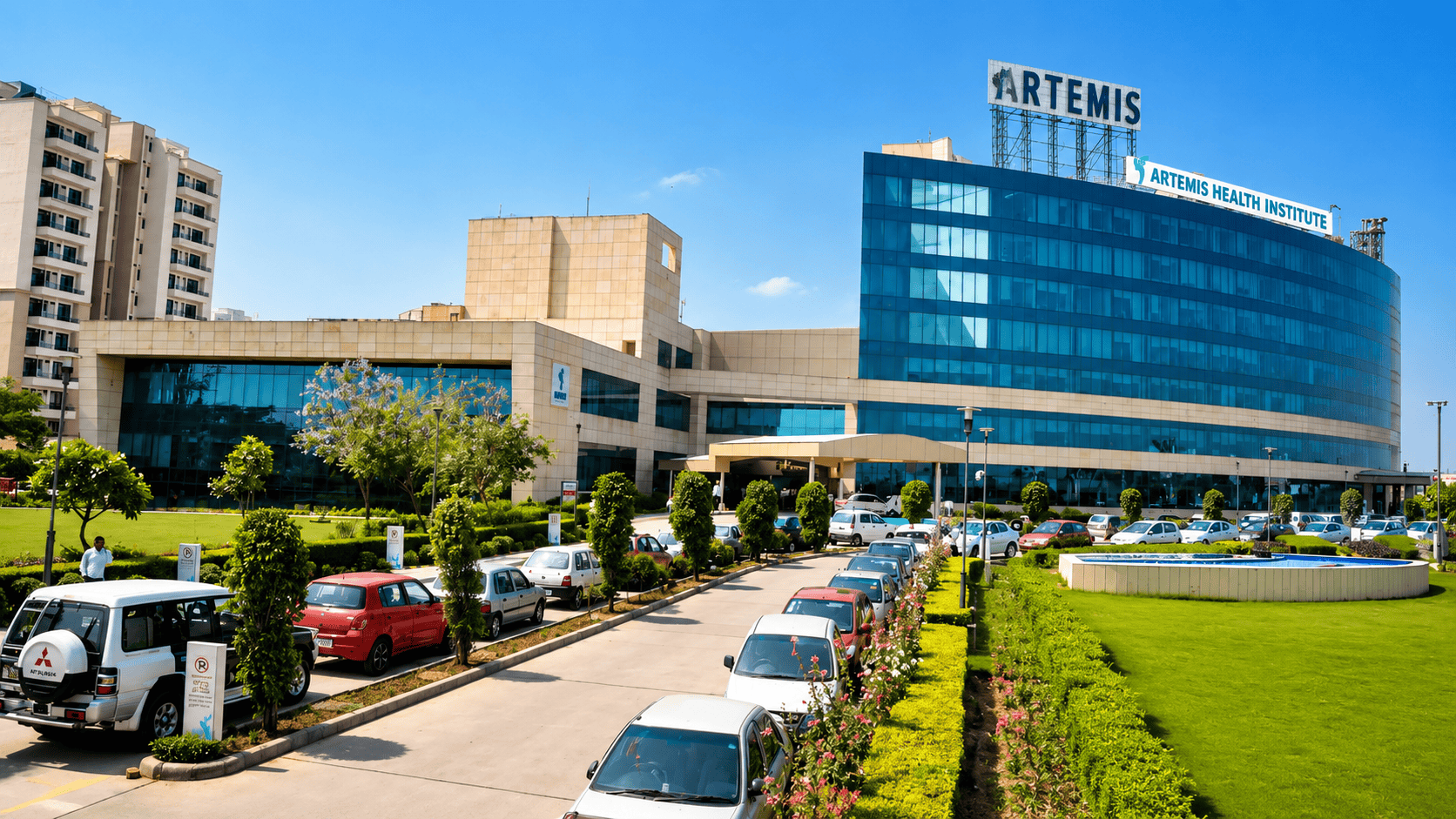
Sector 51, Gurugram, Haryana – 122018, India
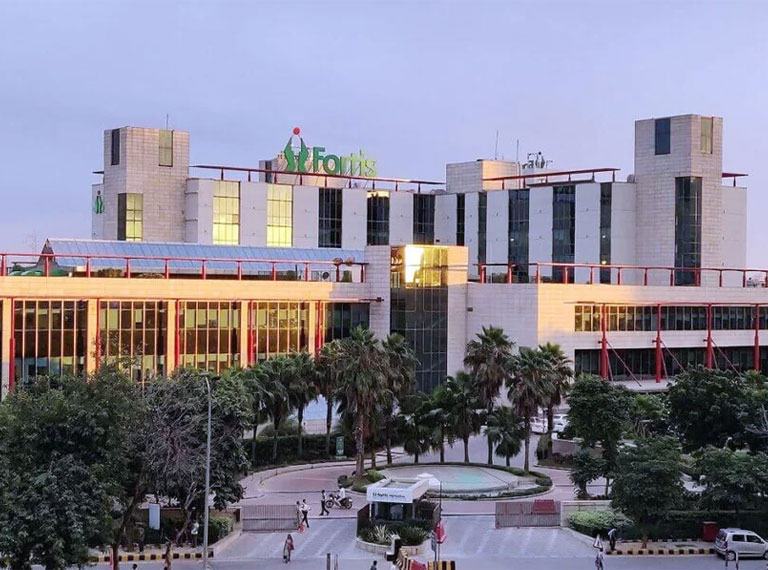
Sector - 44, Gurugram, Haryana – 122002, India
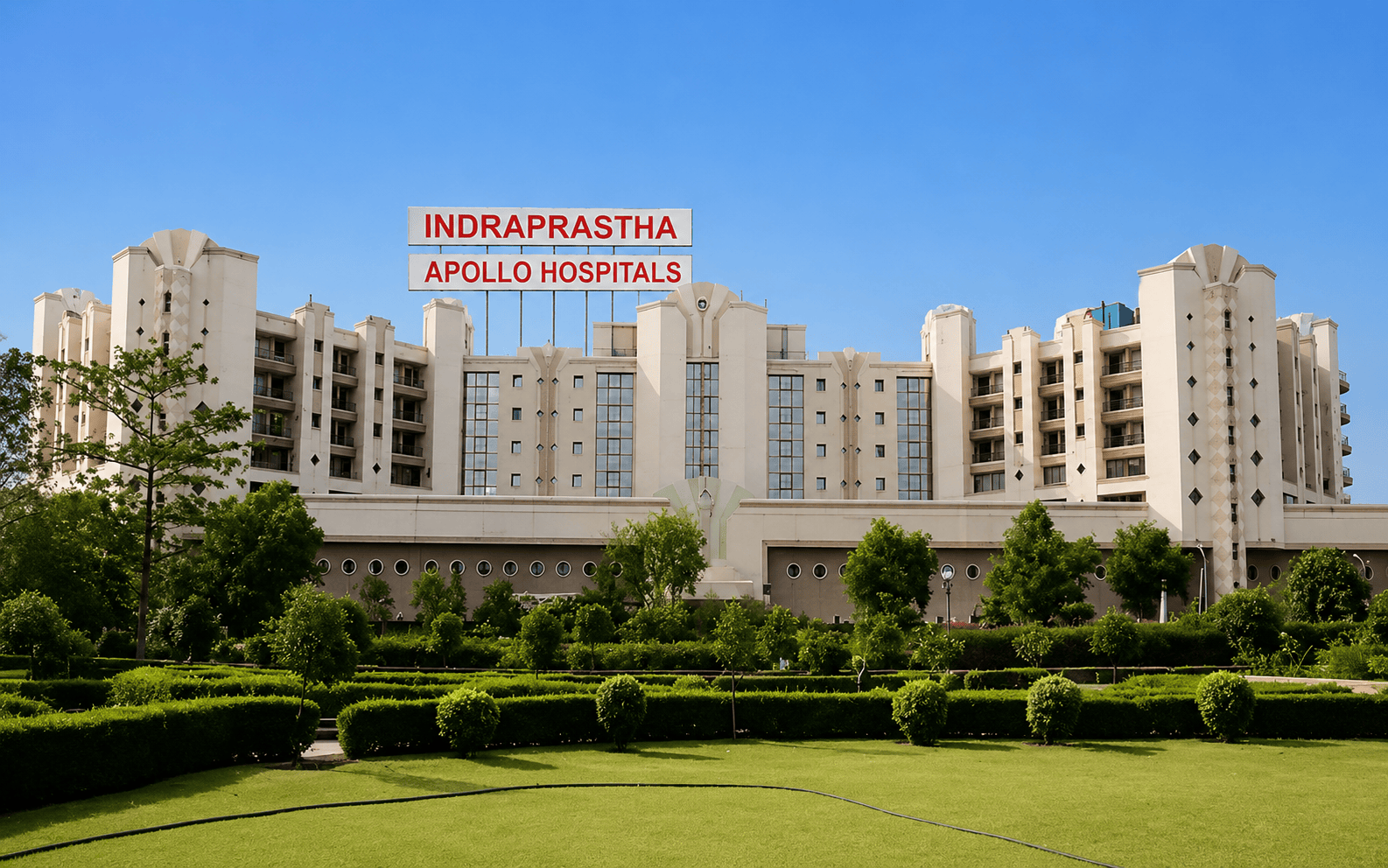
Sarita Vihar, Delhi-Mathura Road, New Delhi – 110076, India