
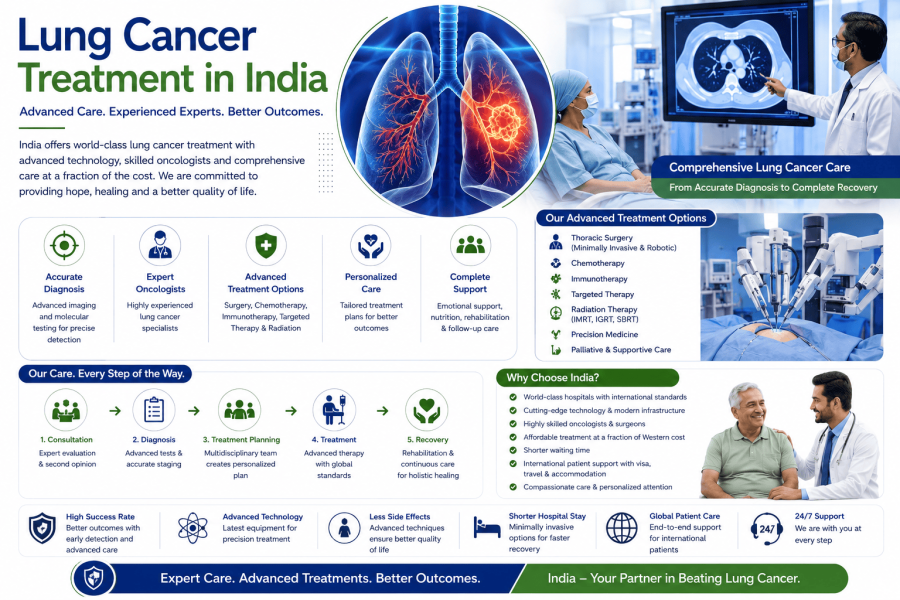
Treatment duration depends on the stage and treatment plan. Lung cancer surgery usually takes 2 to 6 hours, while chemotherapy, immunotherapy, targeted therapy, or radiation therapy may continue over several weeks or months.
Patients undergoing surgery generally remain hospitalized for 4 to 7 days, while chemotherapy and radiation therapy are usually provided on an outpatient basis.
General anesthesia is used for lung cancer surgery. Radiation therapy, chemotherapy, immunotherapy, and targeted therapy generally do not require anesthesia.
5,000 to 30,000 USD*
Lung Cancer is one of the most common and serious cancers worldwide, affecting both smokers and non-smokers. It develops when abnormal cells in the lungs grow uncontrollably, forming a tumor that can interfere with normal breathing and spread to other parts of the body if left untreated. Early diagnosis and timely treatment significantly improve survival rates and quality of life.
India has become one of the world's leading destinations for advanced and affordable lung cancer treatment. Every year, thousands of international patients, particularly from Africa, the Middle East, and neighboring countries, choose India because of its internationally accredited cancer hospitals, experienced thoracic surgeons, medical oncologists, radiation oncologists, advanced diagnostic technology, and comprehensive cancer care at affordable costs.
Recent advancements in lung cancer treatment have revolutionized patient care. Leading cancer centers in India now offer Low-Dose CT (LDCT) Lung Cancer Screening, Robotic-Assisted Thoracic Surgery (RATS), Video-Assisted Thoracoscopic Surgery (VATS), PET-CT Guided Cancer Staging, Endobronchial Ultrasound (EBUS), Electromagnetic Navigation Bronchoscopy (ENB), Next-Generation Sequencing (NGS), Liquid Biopsy, Targeted Therapy, Immunotherapy, Stereotactic Body Radiation Therapy (SBRT), Intensity-Modulated Radiation Therapy (IMRT), AI-assisted Radiation Planning, and Precision Molecular Oncology. These innovations allow earlier diagnosis, personalized treatment, fewer complications, and significantly improved survival outcomes.
Whether you have early-stage lung cancer, locally advanced disease, or metastatic lung cancer, India offers world-class treatment with international standards of quality, safety, and personalized patient care.
Patients with lung cancer may experience:
Persistent respiratory symptoms should be evaluated promptly by a specialist.
Several factors increase the risk of developing lung cancer, including:
Before starting treatment, patients undergo comprehensive evaluation to determine the type, stage, and molecular characteristics of the cancer.
Diagnostic tests may include:
International patients can submit their medical reports online to receive an expert opinion before travelling to India.
Treatment is individualized based on the type of lung cancer, stage, genetic profile, and overall health.
Robotic surgery enables highly precise removal of lung tumors through small incisions, resulting in less pain, reduced blood loss, and faster recovery.
A minimally invasive procedure performed using a tiny camera and specialized instruments to remove cancerous lung tissue with minimal trauma.
The affected lobe of the lung is surgically removed and remains the standard treatment for many patients with early-stage lung cancer.
Smaller portions of the lung are removed for selected patients with early-stage tumors or limited lung function.
Removal of an entire lung may be required for extensive tumors involving major airways or blood vessels.
Advanced radiation techniques including SBRT, IMRT, IGRT, and VMAT precisely target cancer cells while protecting healthy tissues.
Systemic chemotherapy is used before surgery, after surgery, or for advanced lung cancer depending on the treatment plan.
Patients with specific genetic mutations such as EGFR, ALK, ROS1, BRAF, MET, RET, and KRAS may benefit from personalized targeted medications.
Advanced immunotherapy helps the immune system recognize and destroy cancer cells and has significantly improved survival for many patients with advanced lung cancer.
Robotic surgery, VATS, Lobectomy, Segmentectomy, Wedge Resection, or Pneumonectomy depending on the stage of disease.
SBRT, IMRT, IGRT, and VMAT provide highly precise treatment for localized lung tumors.
Chemotherapy, Targeted Therapy, Immunotherapy, and Precision Medicine based on molecular testing.
Many patients benefit from a combination of surgery, chemotherapy, radiation therapy, targeted therapy, and immunotherapy for the best possible outcomes.
Patients receive individualized follow-up care after treatment.
Post-treatment care includes:
Advances in lung cancer treatment have significantly improved survival and quality of life. Many patients are able to return to work and resume normal activities after successful treatment.
Leading cancer hospitals in India combine minimally invasive surgery, precision radiation therapy, targeted therapy, immunotherapy, and personalized rehabilitation programs to achieve excellent long-term outcomes. Regular follow-up, healthy lifestyle changes, smoking cessation, physical activity, and periodic imaging help monitor recovery and detect any recurrence at an early stage.
Patients with lung cancer may experience:
Persistent respiratory symptoms should be evaluated promptly by a specialist.
Several factors increase the risk of developing lung cancer, including:
Before starting treatment, patients undergo comprehensive evaluation to determine the type, stage, and molecular characteristics of the cancer.
Diagnostic tests may include:
International patients can submit their medical reports online to receive an expert opinion before travelling to India.
Treatment is individualized based on the type of lung cancer, stage, genetic profile, and overall health.
Robotic surgery enables highly precise removal of lung tumors through small incisions, resulting in less pain, reduced blood loss, and faster recovery.
A minimally invasive procedure performed using a tiny camera and specialized instruments to remove cancerous lung tissue with minimal trauma.
The affected lobe of the lung is surgically removed and remains the standard treatment for many patients with early-stage lung cancer.
Smaller portions of the lung are removed for selected patients with early-stage tumors or limited lung function.
Removal of an entire lung may be required for extensive tumors involving major airways or blood vessels.
Advanced radiation techniques including SBRT, IMRT, IGRT, and VMAT precisely target cancer cells while protecting healthy tissues.
Systemic chemotherapy is used before surgery, after surgery, or for advanced lung cancer depending on the treatment plan.
Patients with specific genetic mutations such as EGFR, ALK, ROS1, BRAF, MET, RET, and KRAS may benefit from personalized targeted medications.
Advanced immunotherapy helps the immune system recognize and destroy cancer cells and has significantly improved survival for many patients with advanced lung cancer.
Robotic surgery, VATS, Lobectomy, Segmentectomy, Wedge Resection, or Pneumonectomy depending on the stage of disease.
SBRT, IMRT, IGRT, and VMAT provide highly precise treatment for localized lung tumors.
Chemotherapy, Targeted Therapy, Immunotherapy, and Precision Medicine based on molecular testing.
Many patients benefit from a combination of surgery, chemotherapy, radiation therapy, targeted therapy, and immunotherapy for the best possible outcomes.
Patients receive individualized follow-up care after treatment.
Post-treatment care includes:
Advances in lung cancer treatment have significantly improved survival and quality of life. Many patients are able to return to work and resume normal activities after successful treatment.
Leading cancer hospitals in India combine minimally invasive surgery, precision radiation therapy, targeted therapy, immunotherapy, and personalized rehabilitation programs to achieve excellent long-term outcomes. Regular follow-up, healthy lifestyle changes, smoking cessation, physical activity, and periodic imaging help monitor recovery and detect any recurrence at an early stage.
Yes. Lung cancer treatment in India is significantly more affordable than in many developed countries while maintaining international standards of cancer care.
Recent advancements include Robotic Thoracic Surgery, VATS, PET-CT-guided staging, EBUS, Liquid Biopsy, Next-Generation Sequencing (NGS), Targeted Therapy, Immunotherapy, SBRT, AI-assisted radiation planning, and Precision Molecular Oncology.
Many patients with early-stage lung cancer can be successfully treated with surgery and other therapies. Advanced lung cancer can often be effectively managed with personalized treatment to improve survival and quality of life.
Yes. Many leading cancer hospitals in India perform robotic-assisted thoracic surgery using advanced robotic systems for selected patients.
Yes. International patients receive complete assistance with online consultations, medical visas, airport transfers, accommodation, interpreter services, and follow-up care.
No. Treatment depends on the stage, type of cancer, molecular profile, and overall health. Some patients may require surgery alone, while others benefit from chemotherapy, radiation therapy, targeted therapy, immunotherapy, or a combination of treatments.
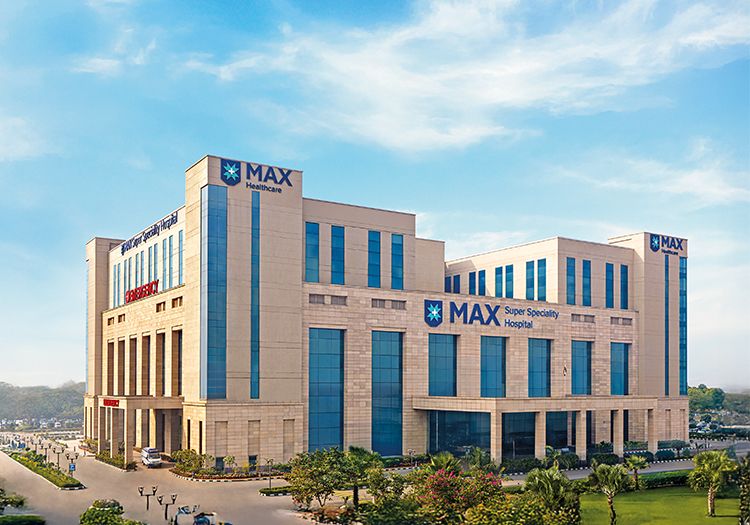
Jaypee Hospital Road, Goberdhanpur, Sector 128, Noida, Uttar Pradesh – 201304, India
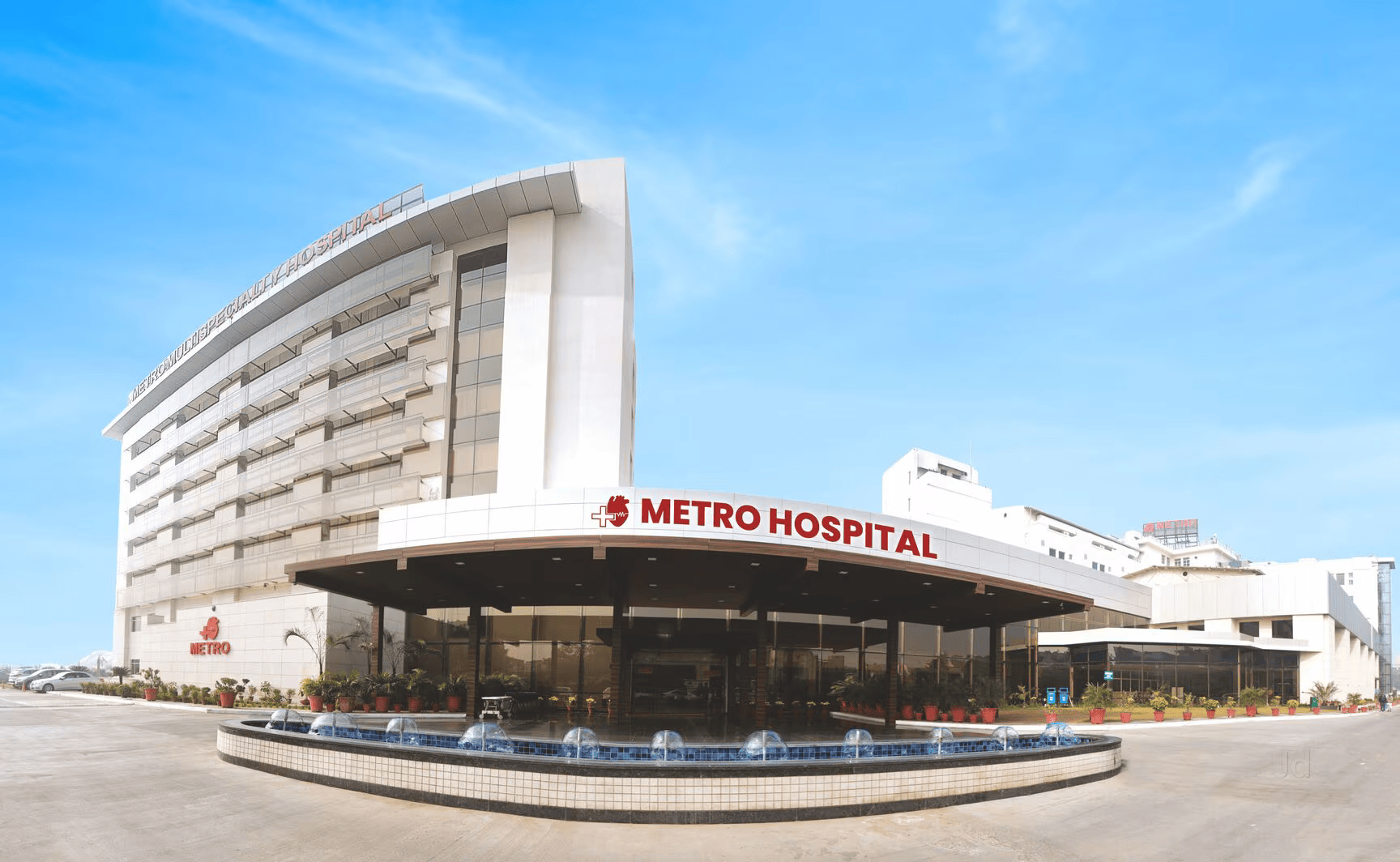
Sector 16A, Faridabad, Haryana – 121002, India
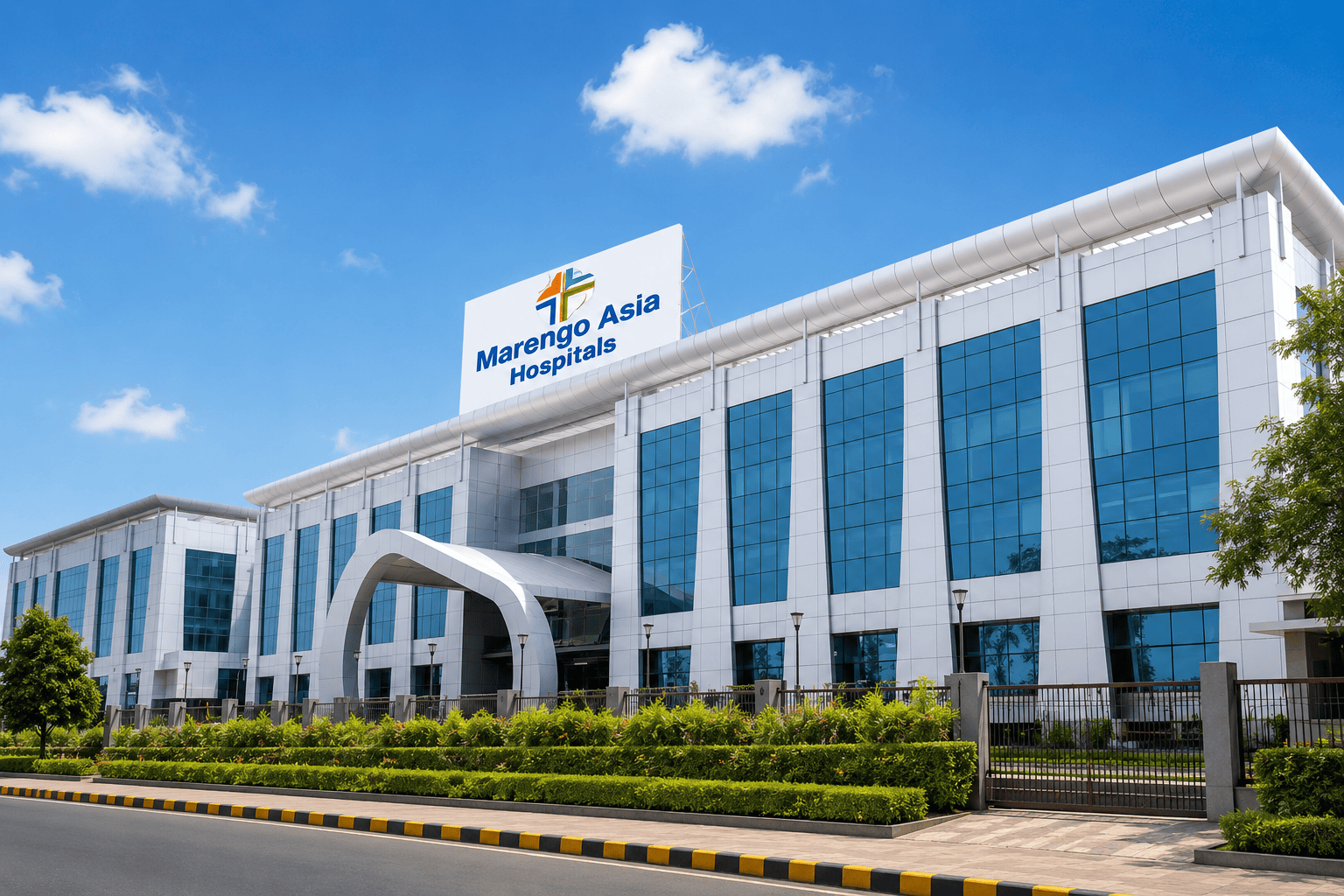
Plot No. 1, HUDA Staff Colony, Sector 16, Faridabad, Haryana – 121002, India
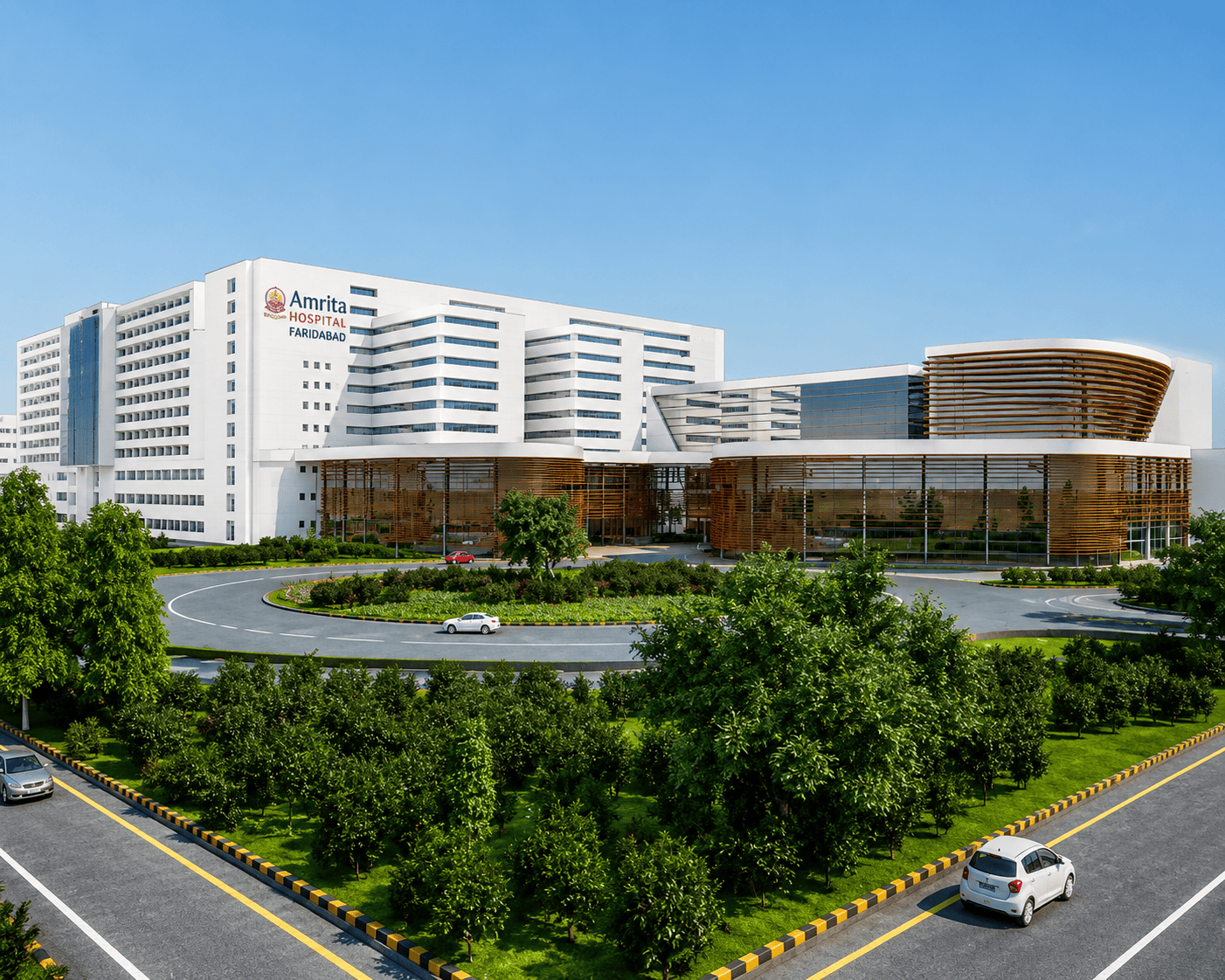
Mata Amritanandamayi Marg, Sector 88, Faridabad, Haryana – 121014, India
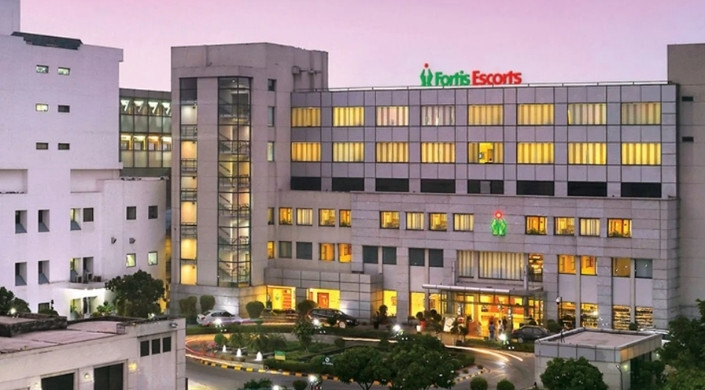
Okhla Road, Opposite Sukhdev Vihar Metro Station, New Delhi – 110025, India
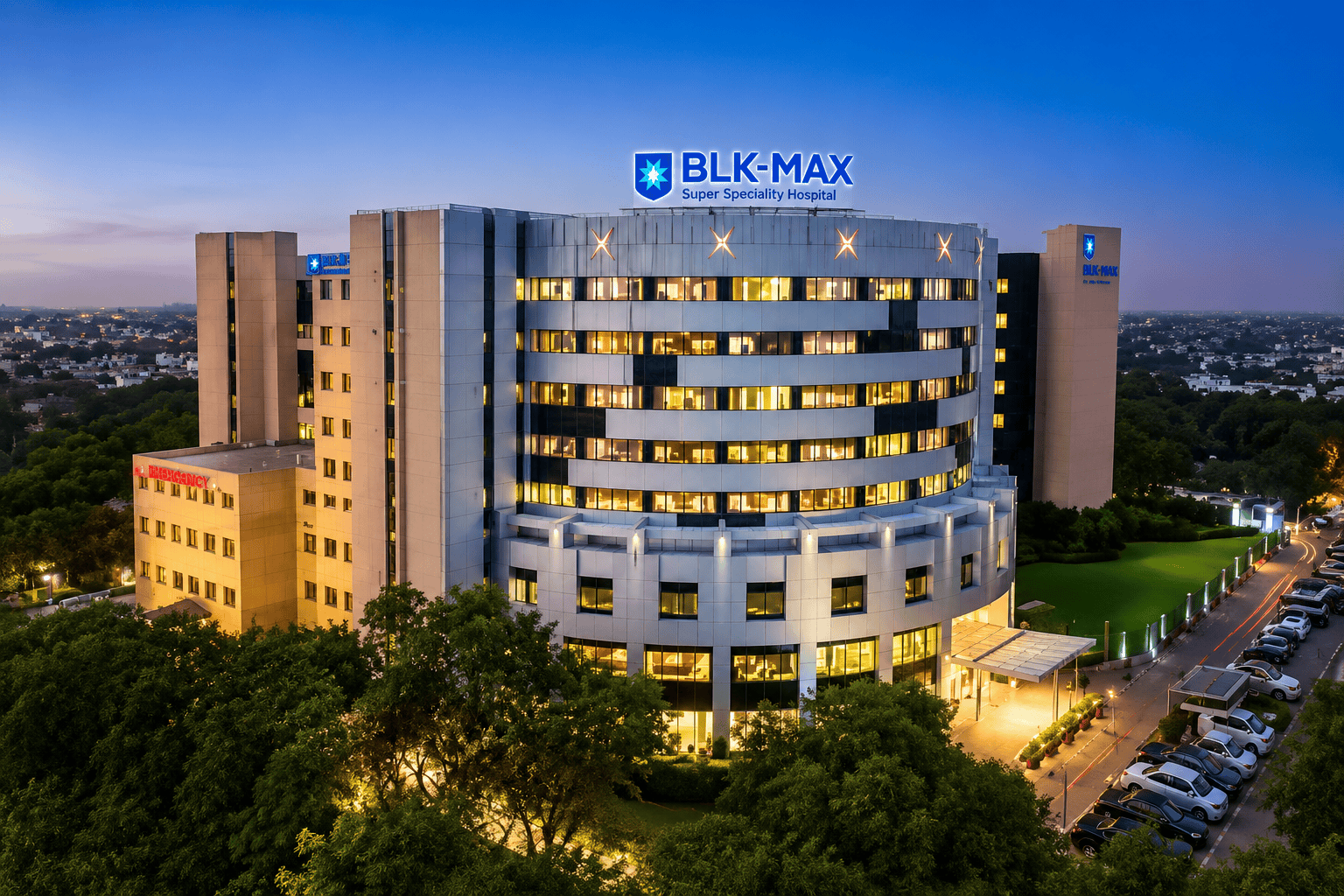
Pusa Road, Rajendra Place, New Delhi – 110005, India
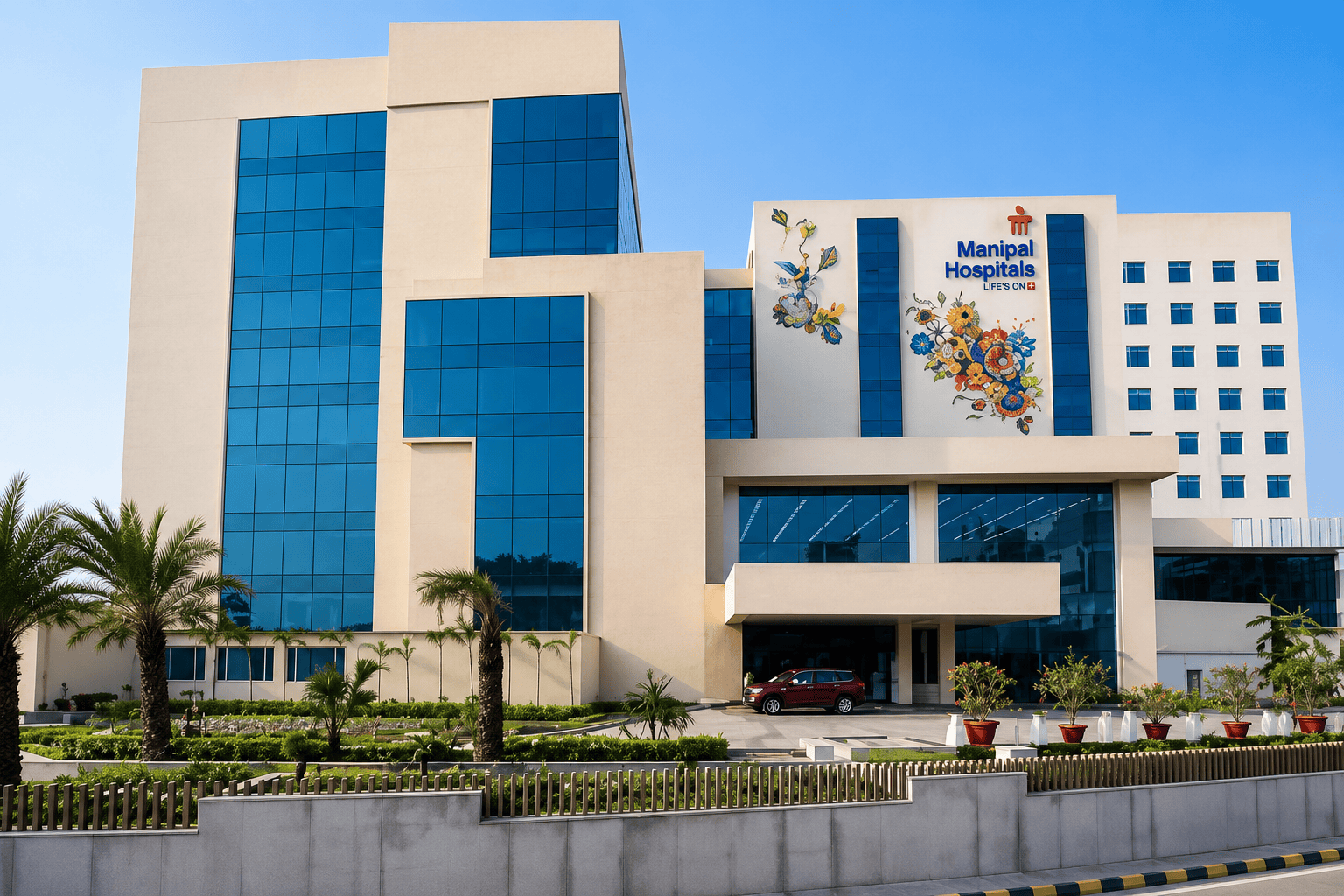
Palam Vihar, Sector 6, Dwarka, New Delhi – 110075, India
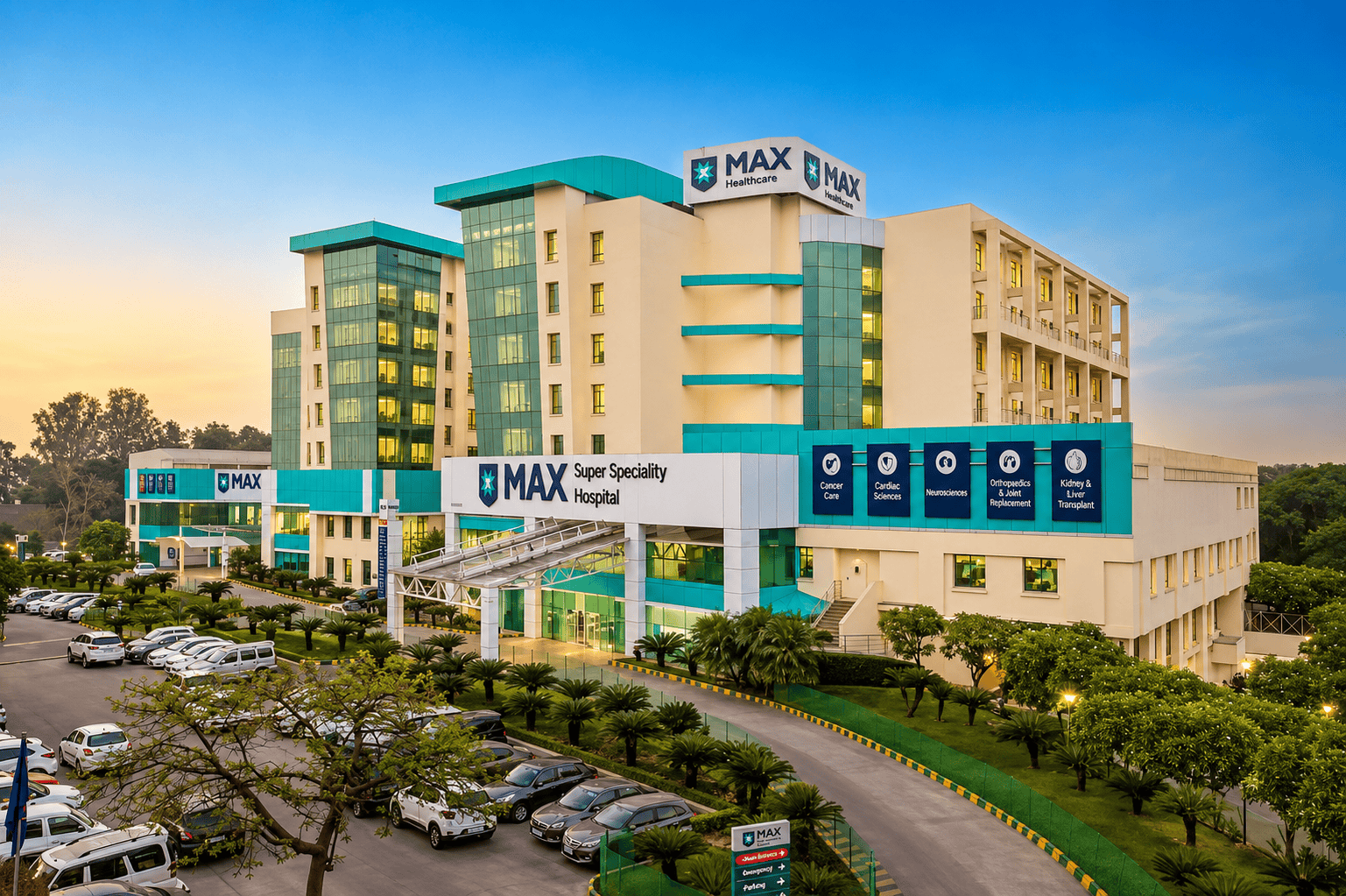
1 & 2, Press Enclave Road, Saket Institutional Area, Saket, New Delhi – 110017, India
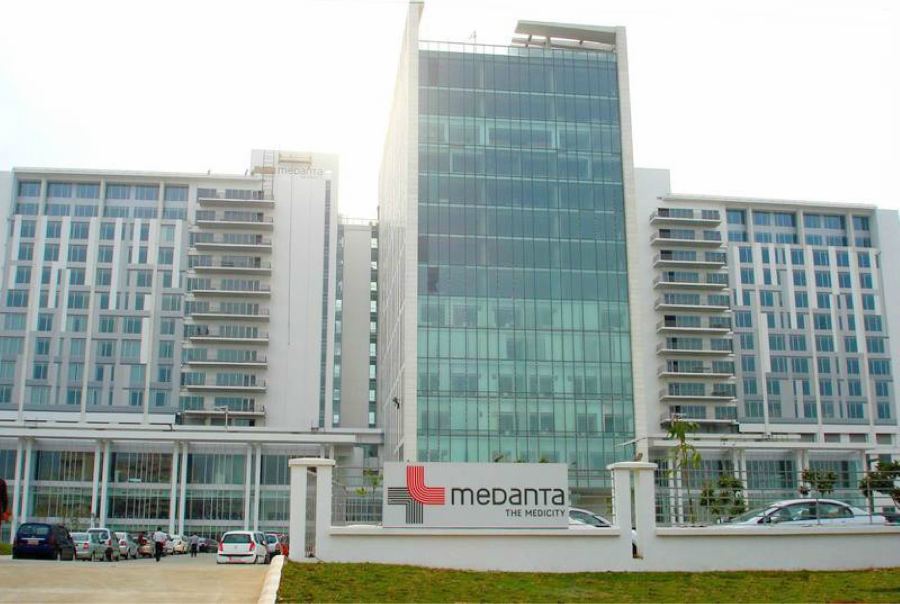
CH Baktawar Singh Road, Sector 38, Gurugram, Haryana – 122001, India
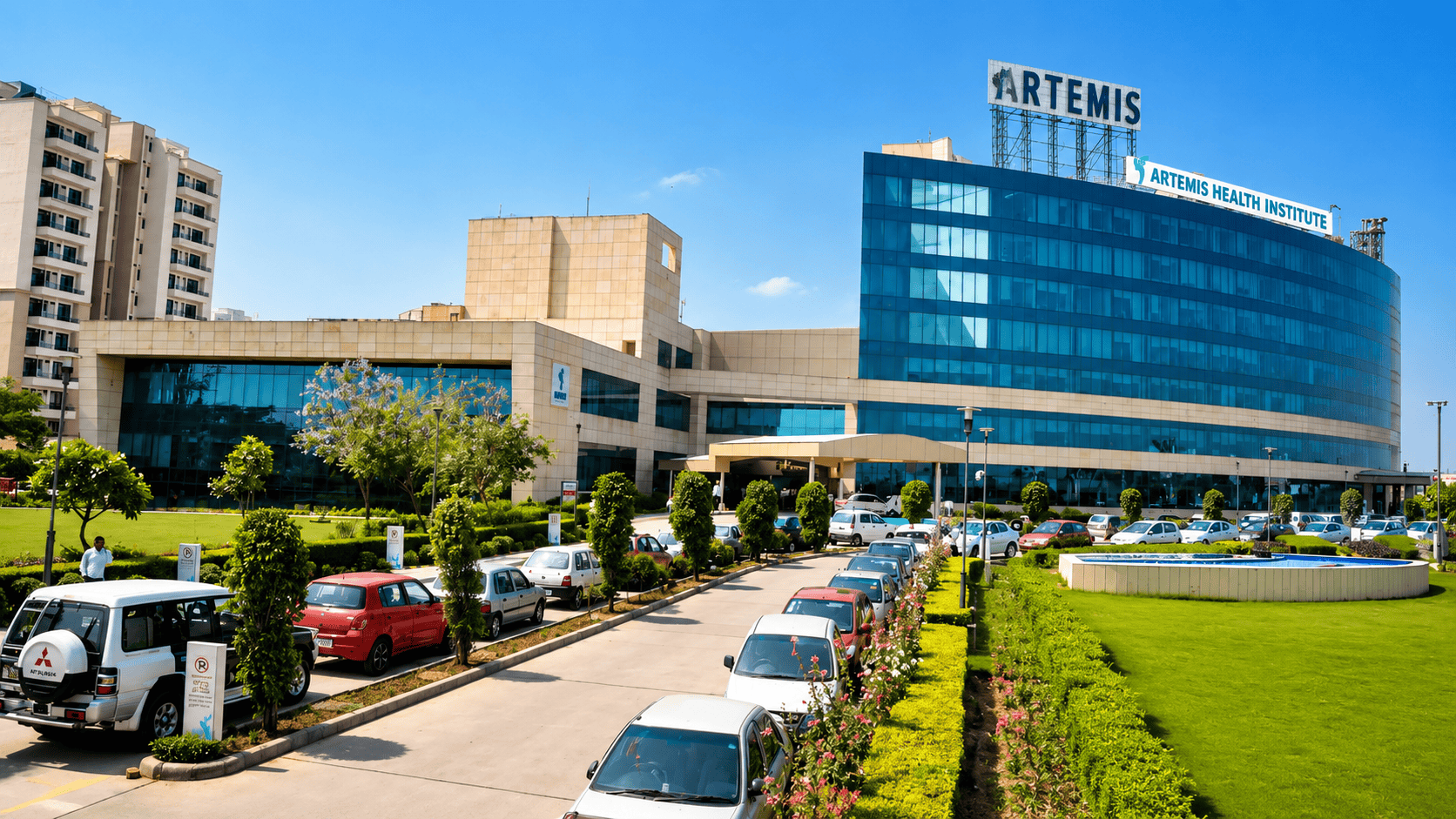
Sector 51, Gurugram, Haryana – 122018, India
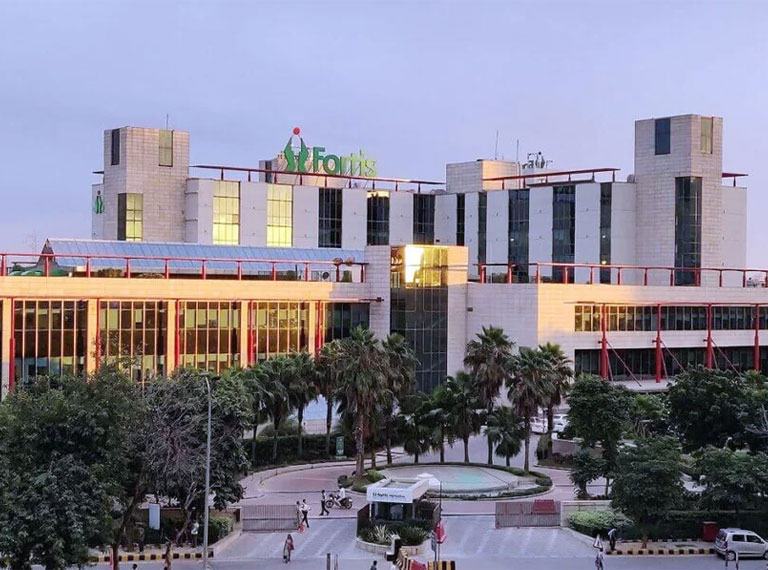
Sector - 44, Gurugram, Haryana – 122002, India
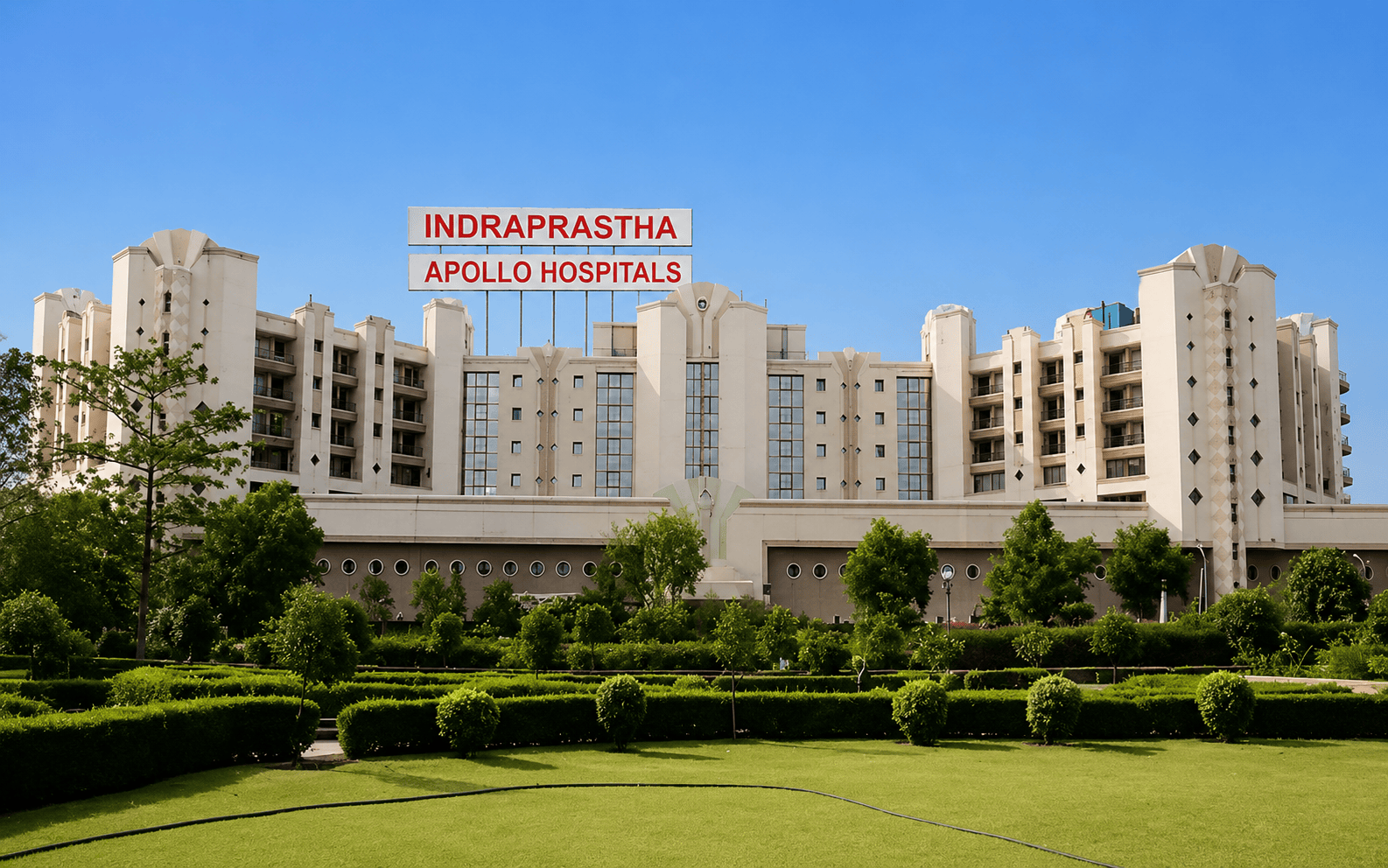
Sarita Vihar, Delhi-Mathura Road, New Delhi – 110076, India