
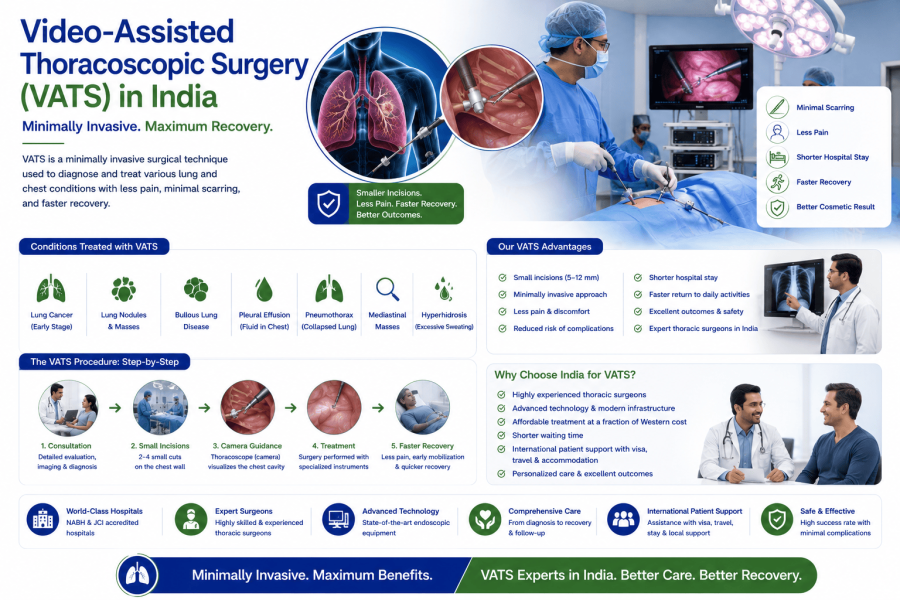
VATS generally takes 1 to 4 hours, depending on the type and complexity of the procedure.
Most patients remain hospitalized for 3 to 7 days, depending on the surgery performed and postoperative recovery.
General anesthesia is administered throughout the VATS procedure.
4,000 to 13,000 USD*
Video-Assisted Thoracoscopic Surgery (VATS) is an advanced minimally invasive chest surgery performed using a tiny high-definition camera (thoracoscope) and specialized surgical instruments inserted through small incisions between the ribs. Unlike traditional open thoracotomy, VATS avoids large chest incisions and rib spreading, resulting in less pain, faster recovery, fewer complications, and shorter hospital stays. Today, VATS is considered the preferred surgical approach for many lung, pleural, mediastinal, and chest wall conditions.
India has become one of the world's leading destinations for Video-Assisted Thoracoscopic Surgery. Patients from Africa, the Middle East, and many other countries choose India because of its internationally accredited hospitals, highly experienced thoracic surgeons, advanced operating theatres, state-of-the-art imaging technology, and affordable treatment costs compared to many developed countries.
Recent advancements in thoracic surgery have further improved VATS outcomes. Leading hospitals in India now offer Uniportal VATS, Biportal VATS, Three-Dimensional (3D) Thoracoscopy, Indocyanine Green (ICG) Fluorescence Imaging, Robotic-Assisted Thoracic Surgery (RATS), Electromagnetic Navigation Bronchoscopy (ENB), Enhanced Recovery After Surgery (ERAS) Protocols, AI-assisted Surgical Planning, Digital Chest Drainage Systems, and High-Definition Endoscopic Visualization. These innovations improve surgical precision, preserve healthy lung tissue, reduce complications, and promote faster recovery.
Whether you require surgery for lung cancer, lung nodules, pneumothorax, pleural effusion, empyema, mediastinal tumors, lung biopsy, or other thoracic diseases, India offers world-class VATS procedures with international standards of safety, quality, and personalized patient care.
Patients who may require VATS often experience:
Patients with persistent chest symptoms should seek early evaluation by a thoracic surgeon or pulmonologist.
Conditions that may require VATS include:
Before surgery, patients undergo a comprehensive evaluation to determine the safest and most effective surgical approach.
Diagnostic tests may include:
International patients can submit their medical reports online to receive an expert opinion before travelling to India.
VATS is performed by experienced thoracic surgeons under general anesthesia using advanced minimally invasive surgical equipment.
The thoracic surgery team reviews imaging studies, lung function, biopsy reports, and overall health to determine the most appropriate surgical plan.
Small incisions (usually 1 to 3) are made between the ribs. A thoracoscope with a high-definition camera and specialized instruments are inserted to perform the procedure.
Depending on the condition, the surgeon may perform:
VATS is widely used for:
The procedure is also used for removal or biopsy of mediastinal tumors, cysts, and enlarged lymph nodes.
At the end of surgery, a chest drain is temporarily placed to remove air and fluid while the lung fully re-expands.
Performed through a single small incision, offering less postoperative pain and improved cosmetic results in selected patients.
Uses two or three small incisions and remains one of the most commonly performed minimally invasive thoracic procedures.
Removal of one lobe of the lung, commonly performed for early-stage lung cancer.
Removal of a small portion of lung tissue for diagnosis or treatment of small lung lesions.
Used for pleural biopsy, pleurodesis, drainage of pleural fluid, and treatment of empyema.
Patients receive specialized postoperative care to ensure optimal recovery.
Post-operative care includes:
Most patients recover significantly faster after VATS compared to traditional open chest surgery. Smaller incisions, reduced pain, fewer complications, and faster return to daily activities make VATS the preferred option for many thoracic procedures. Regular breathing exercises, pulmonary rehabilitation, smoking cessation, and scheduled follow-up visits help optimize lung function and long-term recovery.
Patients who may require VATS often experience:
Patients with persistent chest symptoms should seek early evaluation by a thoracic surgeon or pulmonologist.
Conditions that may require VATS include:
Before surgery, patients undergo a comprehensive evaluation to determine the safest and most effective surgical approach.
Diagnostic tests may include:
International patients can submit their medical reports online to receive an expert opinion before travelling to India.
VATS is performed by experienced thoracic surgeons under general anesthesia using advanced minimally invasive surgical equipment.
The thoracic surgery team reviews imaging studies, lung function, biopsy reports, and overall health to determine the most appropriate surgical plan.
Small incisions (usually 1 to 3) are made between the ribs. A thoracoscope with a high-definition camera and specialized instruments are inserted to perform the procedure.
Depending on the condition, the surgeon may perform:
VATS is widely used for:
The procedure is also used for removal or biopsy of mediastinal tumors, cysts, and enlarged lymph nodes.
At the end of surgery, a chest drain is temporarily placed to remove air and fluid while the lung fully re-expands.
Performed through a single small incision, offering less postoperative pain and improved cosmetic results in selected patients.
Uses two or three small incisions and remains one of the most commonly performed minimally invasive thoracic procedures.
Removal of one lobe of the lung, commonly performed for early-stage lung cancer.
Removal of a small portion of lung tissue for diagnosis or treatment of small lung lesions.
Used for pleural biopsy, pleurodesis, drainage of pleural fluid, and treatment of empyema.
Patients receive specialized postoperative care to ensure optimal recovery.
Post-operative care includes:
Most patients recover significantly faster after VATS compared to traditional open chest surgery. Smaller incisions, reduced pain, fewer complications, and faster return to daily activities make VATS the preferred option for many thoracic procedures. Regular breathing exercises, pulmonary rehabilitation, smoking cessation, and scheduled follow-up visits help optimize lung function and long-term recovery.
Yes. VATS surgery in India is considerably more affordable than in many developed countries while maintaining international standards of thoracic surgical care.
VATS usually results in smaller incisions, less pain, reduced blood loss, fewer complications, shorter hospitalization, and faster recovery compared to traditional thoracotomy.
Recent advancements include Uniportal VATS, 3D thoracoscopy, ICG fluorescence imaging, AI-assisted surgical planning, robotic-assisted thoracic surgery, digital chest drainage systems, and ERAS recovery protocols.
Yes. International patients receive complete assistance with online consultations, medical visas, airport transfers, accommodation, interpreter services, and follow-up care.
Most patients resume light daily activities within 2 to 4 weeks, although complete recovery depends on the type of surgery performed.
Yes. VATS is widely used for carefully selected patients with early-stage lung cancer and several other thoracic conditions. The suitability of the procedure is determined after detailed evaluation.
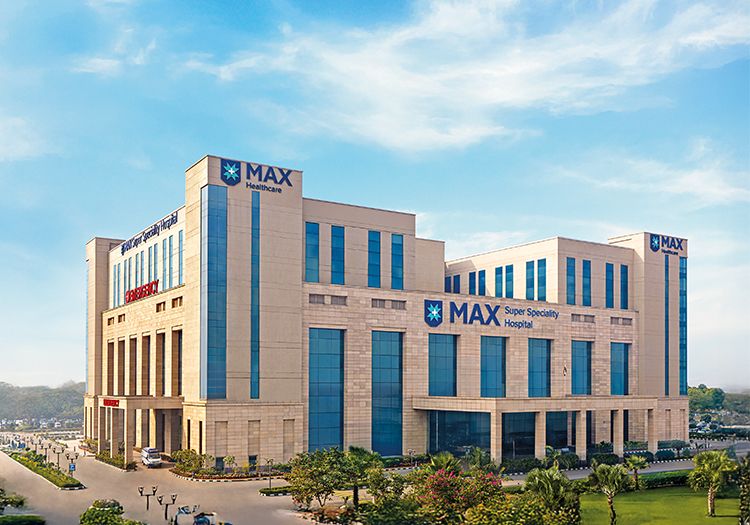
Jaypee Hospital Road, Goberdhanpur, Sector 128, Noida, Uttar Pradesh – 201304, India
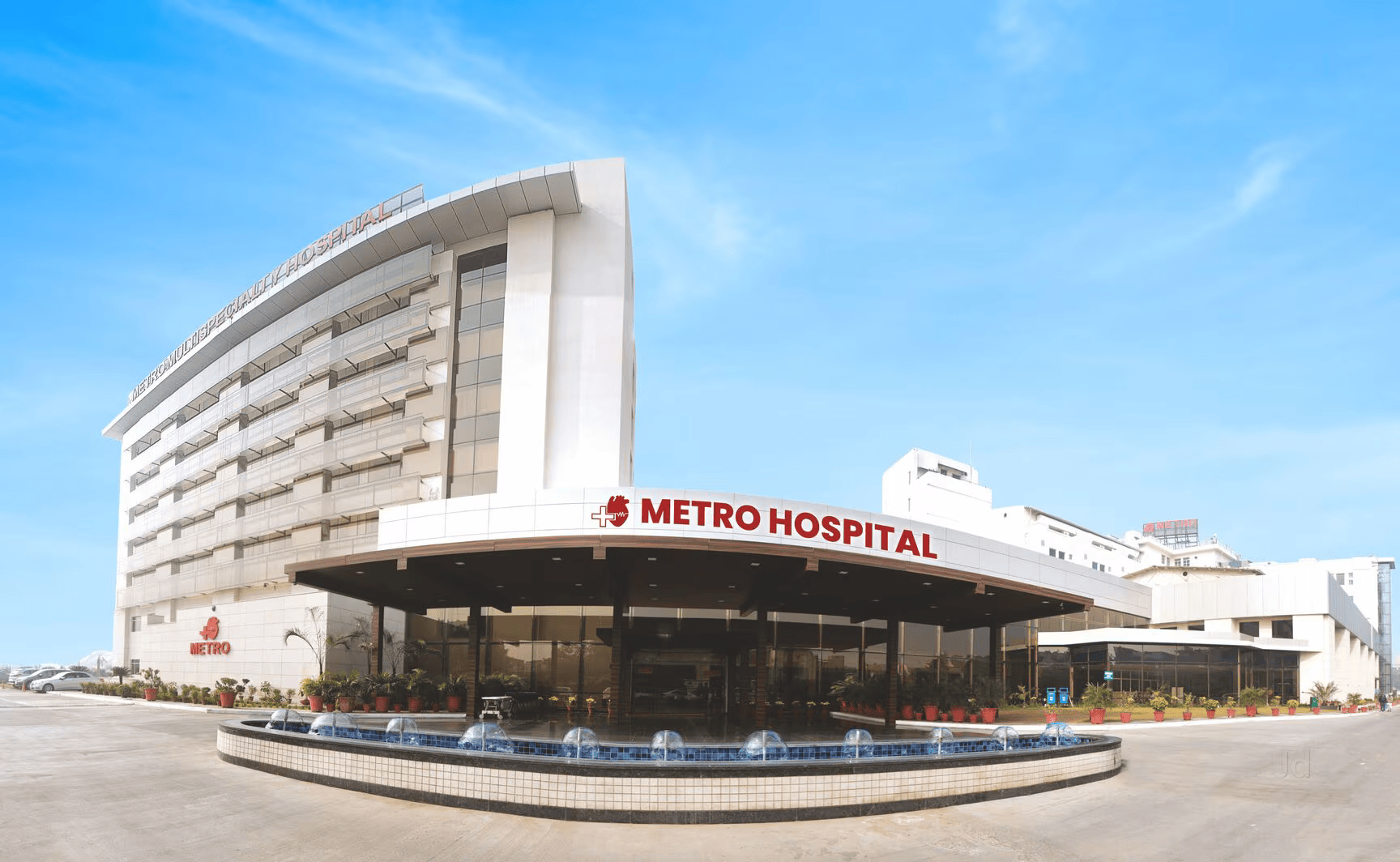
Sector 16A, Faridabad, Haryana – 121002, India
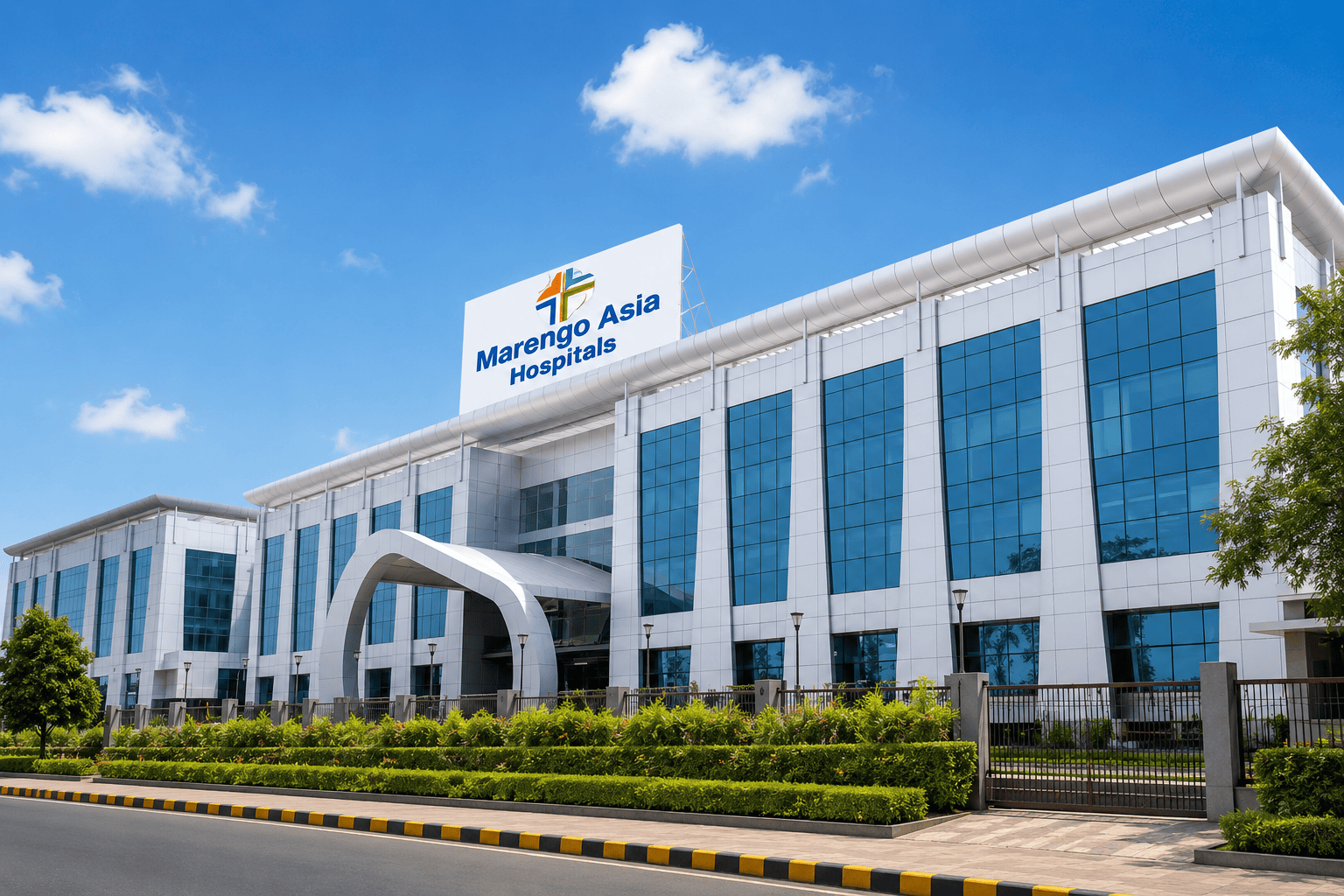
Plot No. 1, HUDA Staff Colony, Sector 16, Faridabad, Haryana – 121002, India
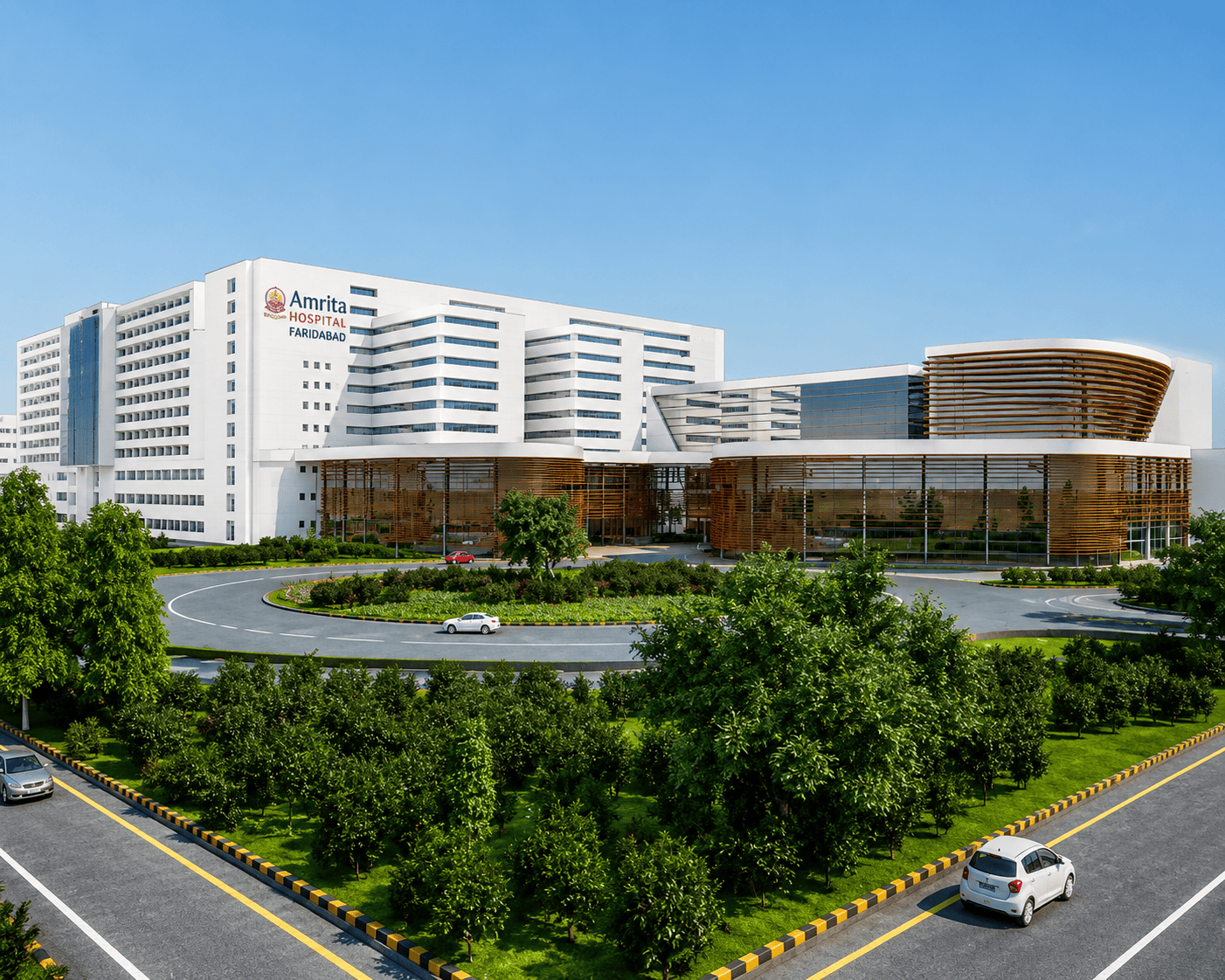
Mata Amritanandamayi Marg, Sector 88, Faridabad, Haryana – 121014, India
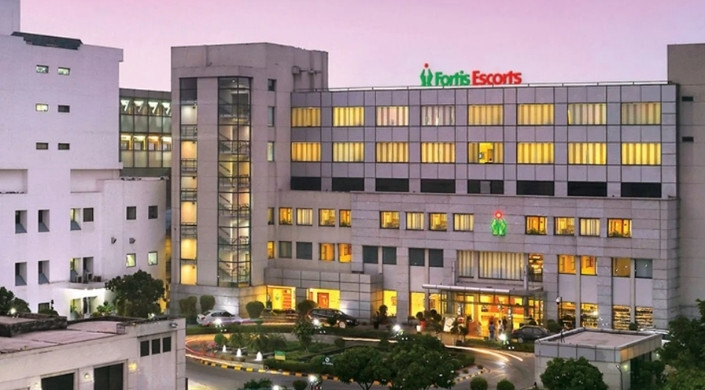
Okhla Road, Opposite Sukhdev Vihar Metro Station, New Delhi – 110025, India
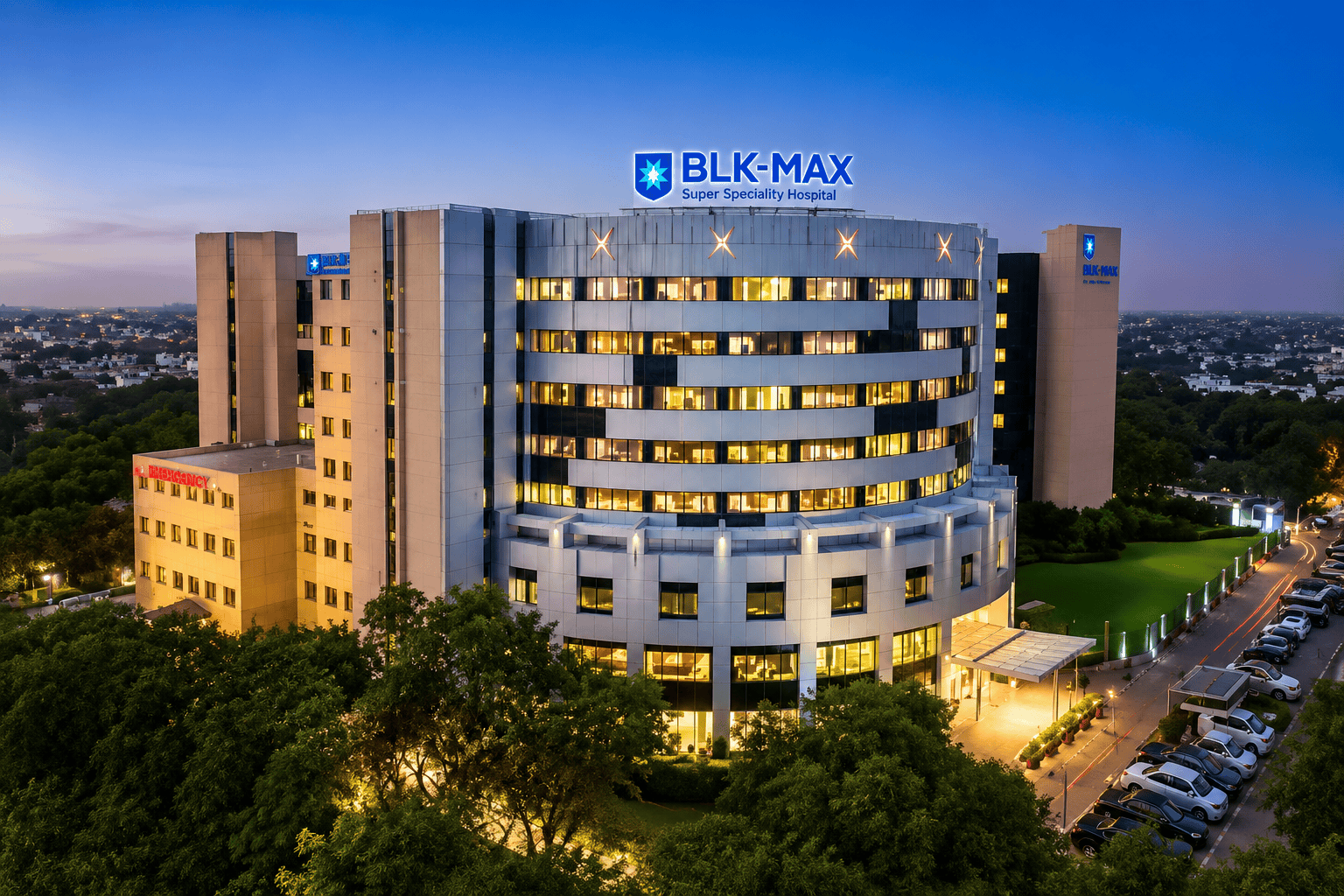
Pusa Road, Rajendra Place, New Delhi – 110005, India
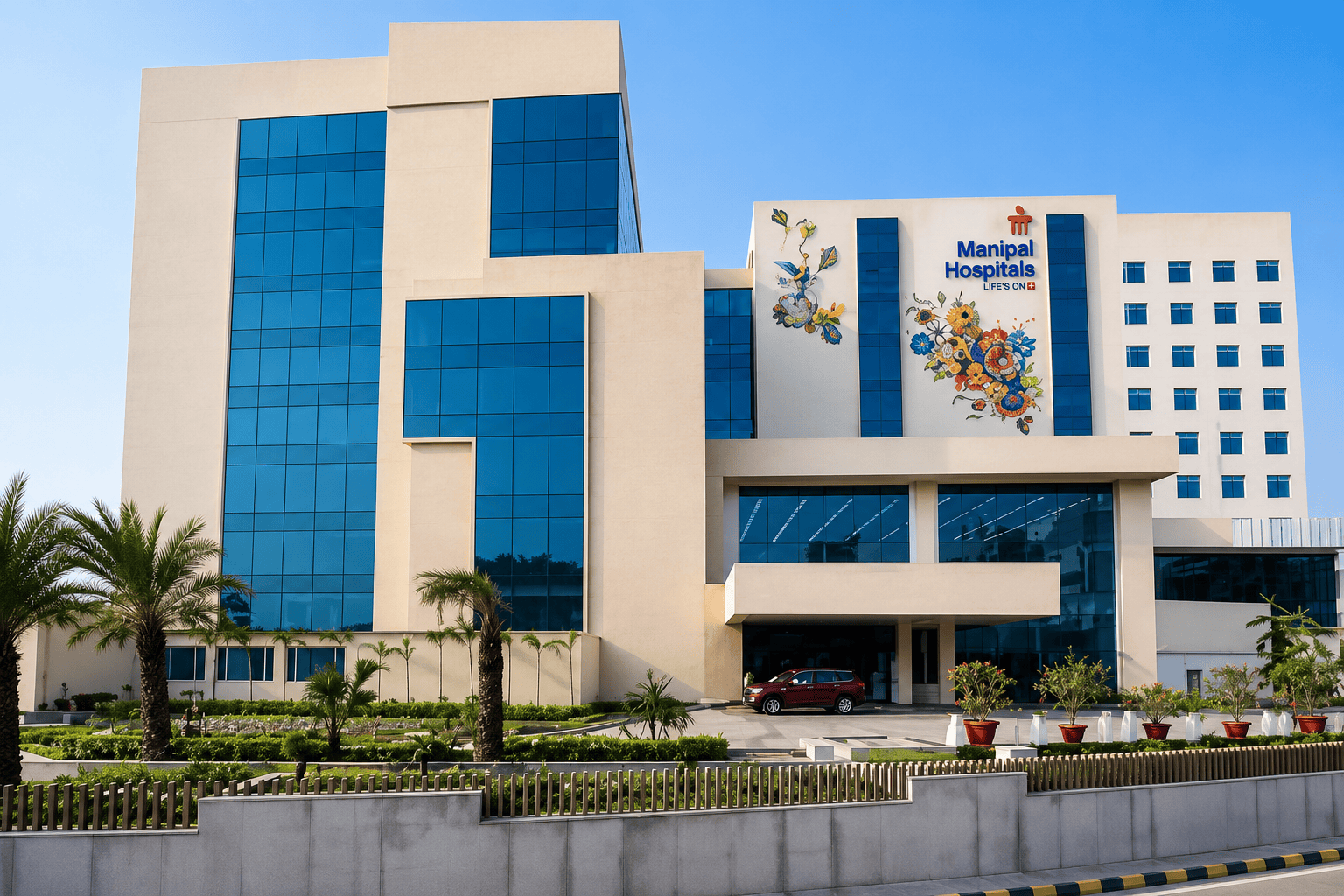
Palam Vihar, Sector 6, Dwarka, New Delhi – 110075, India
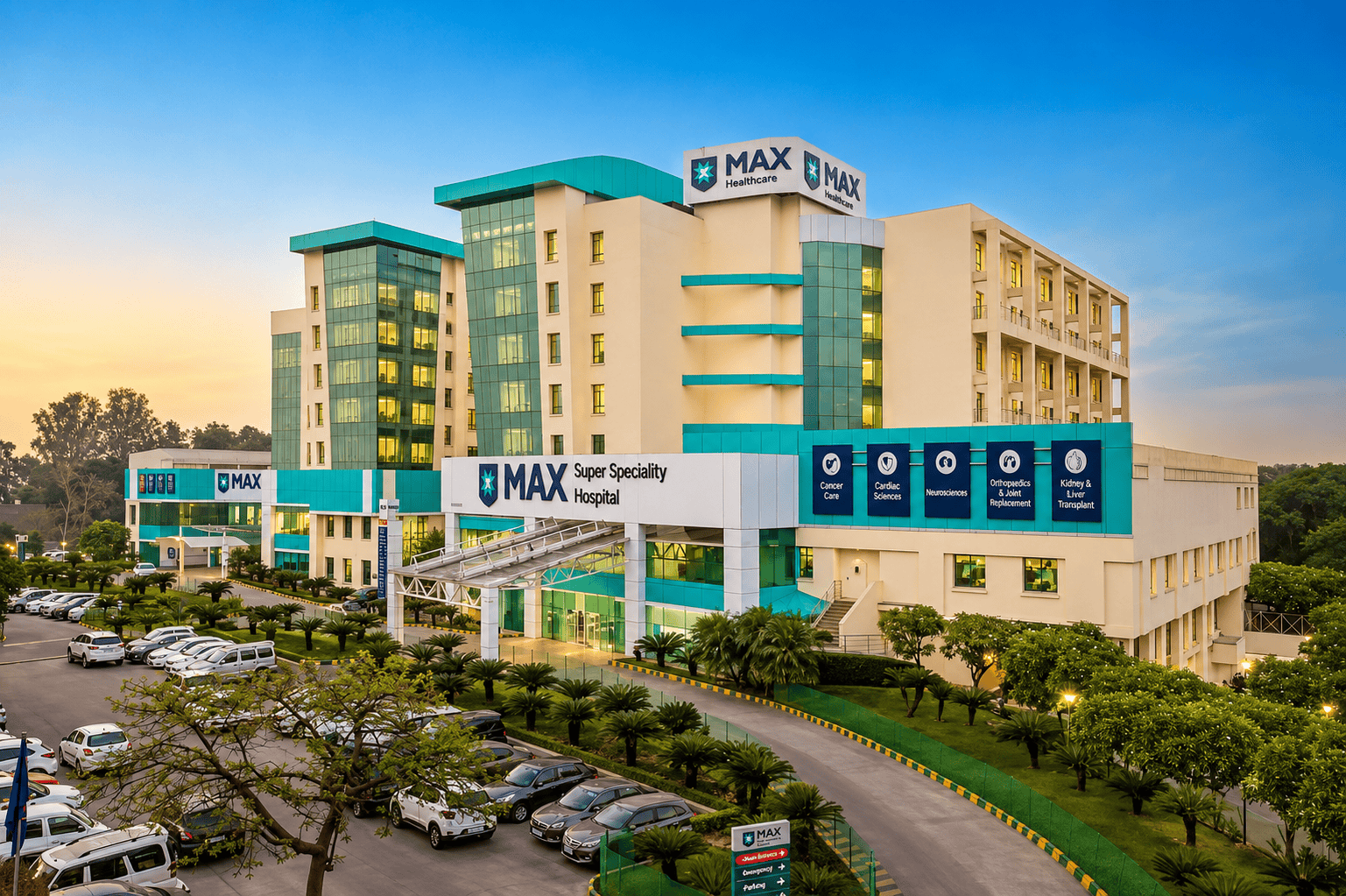
1 & 2, Press Enclave Road, Saket Institutional Area, Saket, New Delhi – 110017, India
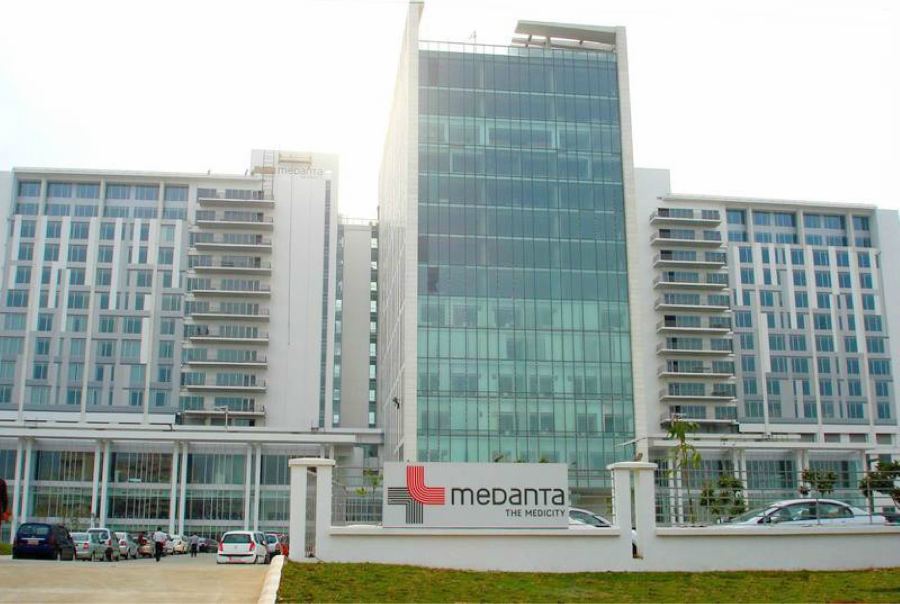
CH Baktawar Singh Road, Sector 38, Gurugram, Haryana – 122001, India
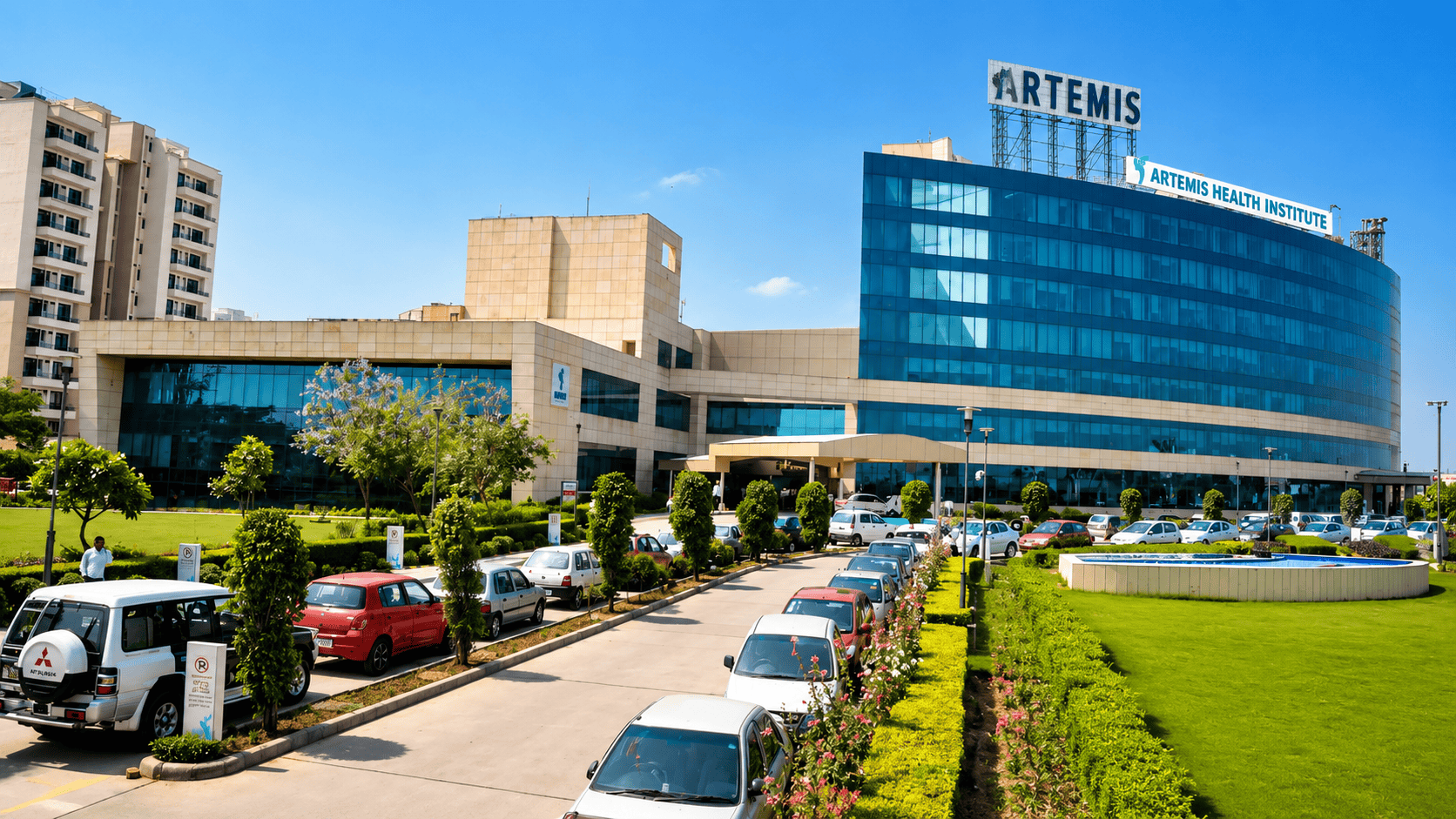
Sector 51, Gurugram, Haryana – 122018, India
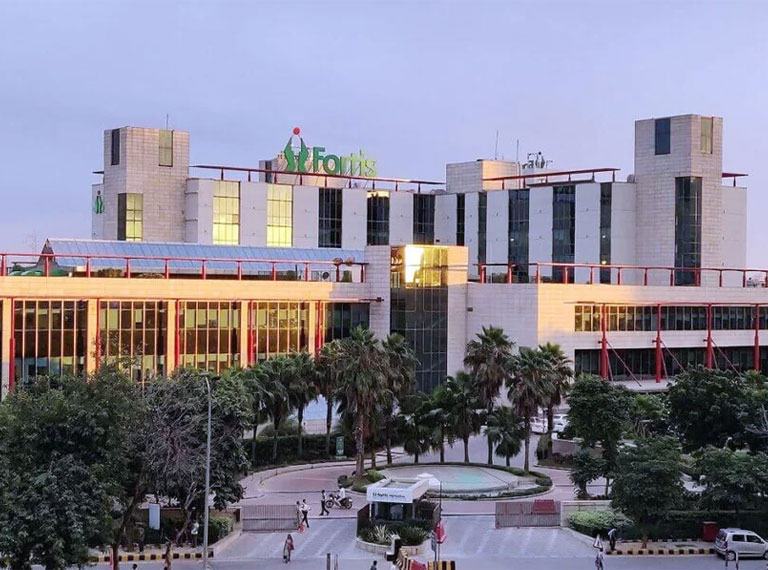
Sector - 44, Gurugram, Haryana – 122002, India
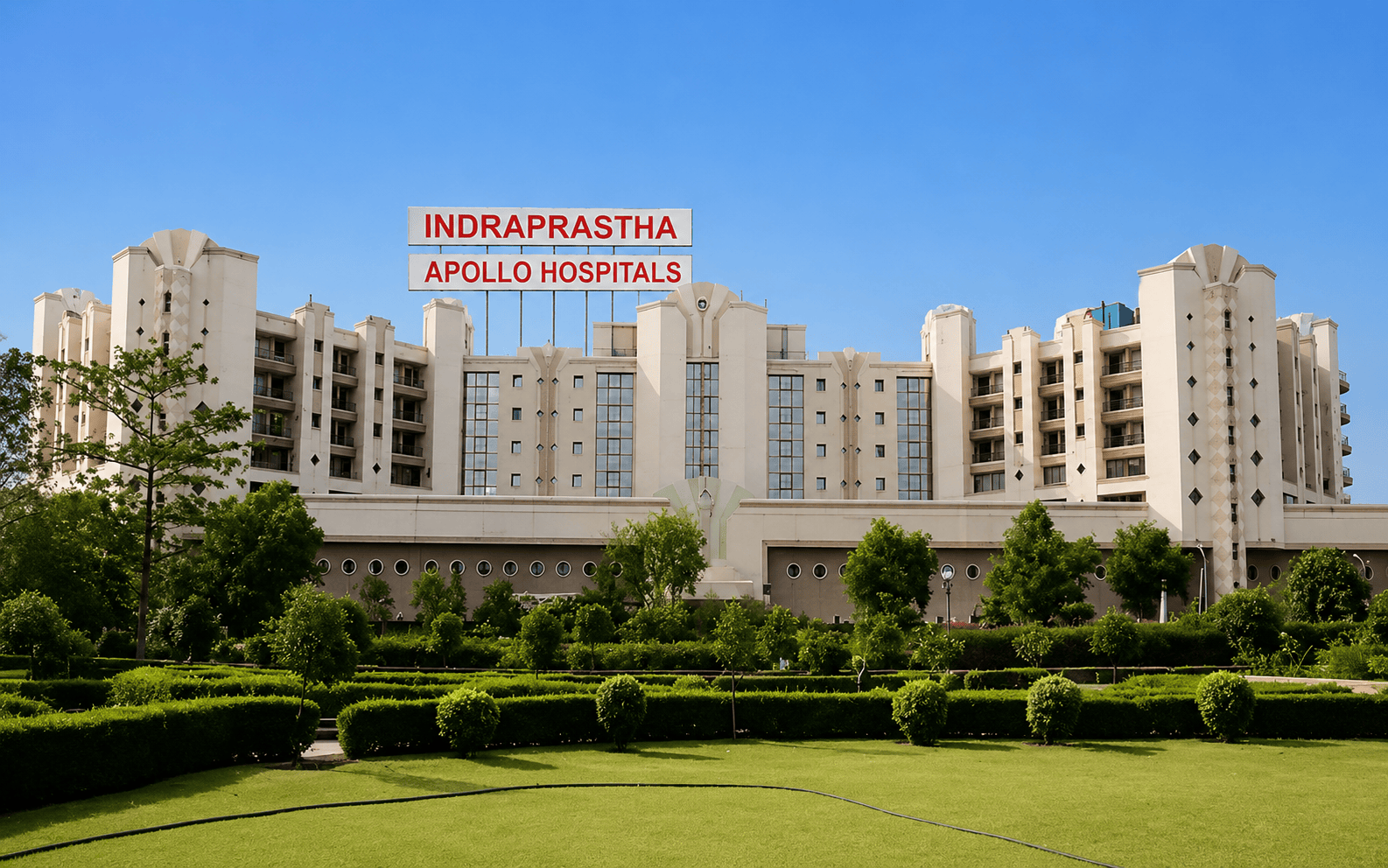
Sarita Vihar, Delhi-Mathura Road, New Delhi – 110076, India