
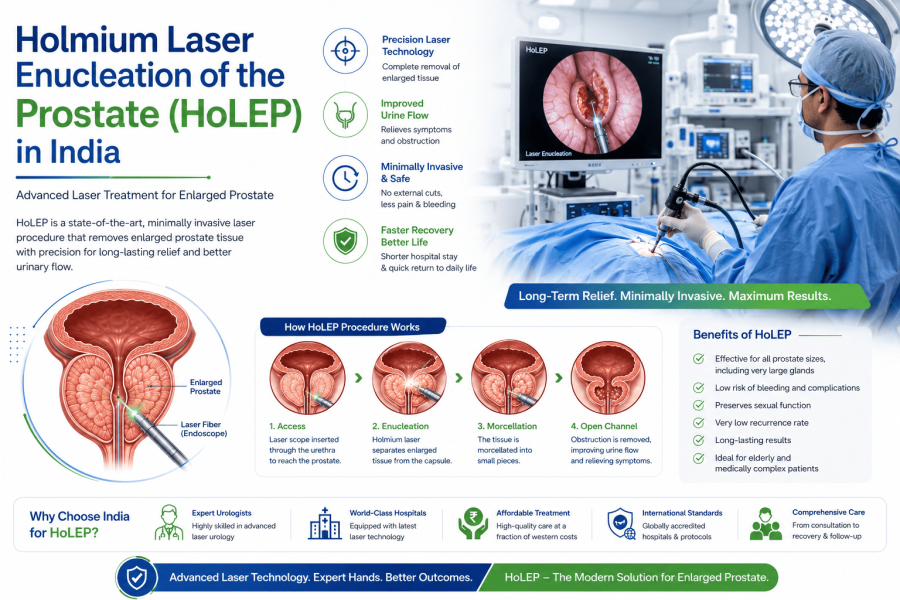
HoLEP surgery usually takes 60 minutes to 3 hours, depending on the size of the prostate and surgical complexity.
Most patients remain in the hospital for 1 to 2 days. Some patients may be discharged within 24 hours based on recovery.
Spinal anesthesia or general anesthesia may be used depending on the patient's health and surgical requirements.
3,000 to 8,500 USD*
Holmium Laser Enucleation of the Prostate (HoLEP) is one of the most advanced and effective minimally invasive surgical treatments for Benign Prostatic Hyperplasia (BPH) or enlarged prostate. Using a high-powered Holmium laser, the surgeon precisely removes the enlarged prostate tissue that blocks the flow of urine without making any external incision. HoLEP is considered the gold standard treatment for moderate to very large prostates because it provides excellent long-term results with minimal bleeding, shorter hospital stays, and faster recovery.
India has become one of the world's leading destinations for HoLEP surgery, attracting international patients from Africa, the Middle East, and many other countries. Patients choose India because of its internationally accredited hospitals, highly experienced laser urologists, state-of-the-art endourology centers, modern laser technology, and affordable treatment costs compared to many developed countries.
Recent advancements in HoLEP surgery have significantly improved patient outcomes. Leading hospitals in India now utilize High-Power Holmium Laser Systems, Moses™ Laser Technology, Pulse Modulation Technology, Morcellation Systems, 3D High-Definition Endoscopic Imaging, AI-assisted Surgical Planning, Digital Endourology Platforms, Enhanced Recovery After Surgery (ERAS) protocols, and Precision Hemostasis Techniques. These innovations reduce blood loss, shorten catheterization time, improve surgical precision, and allow patients to return to normal activities more quickly.
Whether you have moderate or severe urinary symptoms, urinary retention, recurrent urinary infections, bladder stones, or a very large prostate gland, India offers advanced HoLEP treatment with international standards of quality, safety, and personalized patient care.
Patients who may require HoLEP surgery often experience:
Persistent urinary symptoms should be evaluated by a urologist to prevent bladder and kidney complications.
Several factors increase the risk of developing enlarged prostate requiring HoLEP surgery, including:
Before HoLEP surgery, patients undergo a comprehensive urological evaluation to determine prostate size, urinary obstruction, and overall health.
Diagnostic tests may include:
International patients can submit their medical reports online for an expert opinion before travelling to India.
HoLEP surgery is performed by experienced laser urologists using advanced endoscopic equipment without any external incision.
The urologist evaluates the size of the prostate, urinary symptoms, bladder function, and overall health to determine suitability for HoLEP.
A specialized endoscope is inserted through the urethra, and the Holmium laser precisely separates and removes the enlarged prostate tissue while preserving the outer capsule.
The removed prostate tissue is safely broken into smaller pieces using a morcellator and extracted through the natural urinary passage for laboratory examination.
The Holmium laser simultaneously seals blood vessels during surgery, significantly reducing blood loss and making the procedure suitable even for many patients taking blood-thinning medications, subject to medical assessment.
A urinary catheter is temporarily placed to assist bladder drainage and is usually removed within 24 to 48 hours.
The conventional and most widely performed laser procedure for complete removal of enlarged prostate tissue.
An advanced Holmium laser technology that improves laser energy delivery, enhances surgical efficiency, reduces operative time, and improves stone and tissue fragmentation.
HoLEP is particularly effective for prostates larger than 80–100 grams and is often preferred over open surgery because of its minimally invasive nature and faster recovery.
Many elderly patients or those with medical conditions may benefit from HoLEP due to reduced bleeding, shorter catheterization, and quicker postoperative recovery, following appropriate medical evaluation.
Most patients experience noticeable improvement in urinary flow within a few days after surgery.
Post-operative care includes:
HoLEP provides durable, long-term relief from urinary symptoms caused by an enlarged prostate. Most patients experience stronger urine flow, improved bladder emptying, fewer nighttime bathroom visits, and a better quality of life.
Because HoLEP removes the obstructing prostate tissue completely, the chance of requiring repeat surgery is generally low. Most patients return to normal daily activities within one to two weeks, while strenuous exercise and heavy lifting should be avoided until approved by the treating urologist. Regular follow-up helps monitor urinary function and overall prostate health.
Patients who may require HoLEP surgery often experience:
Persistent urinary symptoms should be evaluated by a urologist to prevent bladder and kidney complications.
Several factors increase the risk of developing enlarged prostate requiring HoLEP surgery, including:
Before HoLEP surgery, patients undergo a comprehensive urological evaluation to determine prostate size, urinary obstruction, and overall health.
Diagnostic tests may include:
International patients can submit their medical reports online for an expert opinion before travelling to India.
HoLEP surgery is performed by experienced laser urologists using advanced endoscopic equipment without any external incision.
The urologist evaluates the size of the prostate, urinary symptoms, bladder function, and overall health to determine suitability for HoLEP.
A specialized endoscope is inserted through the urethra, and the Holmium laser precisely separates and removes the enlarged prostate tissue while preserving the outer capsule.
The removed prostate tissue is safely broken into smaller pieces using a morcellator and extracted through the natural urinary passage for laboratory examination.
The Holmium laser simultaneously seals blood vessels during surgery, significantly reducing blood loss and making the procedure suitable even for many patients taking blood-thinning medications, subject to medical assessment.
A urinary catheter is temporarily placed to assist bladder drainage and is usually removed within 24 to 48 hours.
Most patients experience noticeable improvement in urinary flow within a few days after surgery.
Post-operative care includes:
HoLEP provides durable, long-term relief from urinary symptoms caused by an enlarged prostate. Most patients experience stronger urine flow, improved bladder emptying, fewer nighttime bathroom visits, and a better quality of life.
Because HoLEP removes the obstructing prostate tissue completely, the chance of requiring repeat surgery is generally low. Most patients return to normal daily activities within one to two weeks, while strenuous exercise and heavy lifting should be avoided until approved by the treating urologist. Regular follow-up helps monitor urinary function and overall prostate health.
Yes. HoLEP surgery in India is significantly more affordable than in many developed countries while maintaining international standards of urological care.
HoLEP can effectively treat prostates of almost all sizes, offers excellent long-term symptom relief, minimizes bleeding, and has a low likelihood of requiring repeat surgery.
Recent advancements include Moses™ Laser Technology, high-power Holmium laser systems, pulse modulation technology, AI-assisted surgical planning, advanced morcellation systems, digital endoscopy, and ERAS recovery protocols.
For many patients, especially those with larger prostates, HoLEP offers advantages such as reduced bleeding, shorter catheterization, shorter hospital stay, and durable long-term results. The best treatment depends on individual medical evaluation.
Yes. International patients receive complete assistance with online consultations, medical visas, accommodation, airport transfers, interpreter services, and follow-up care.
Most patients resume light daily activities within 5 to 7 days, while complete recovery usually occurs within 2 to 4 weeks.
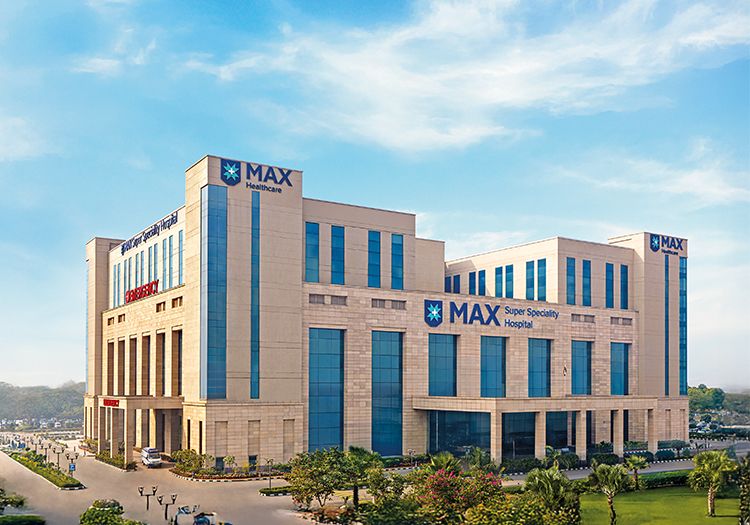
Jaypee Hospital Road, Goberdhanpur, Sector 128, Noida, Uttar Pradesh – 201304, India
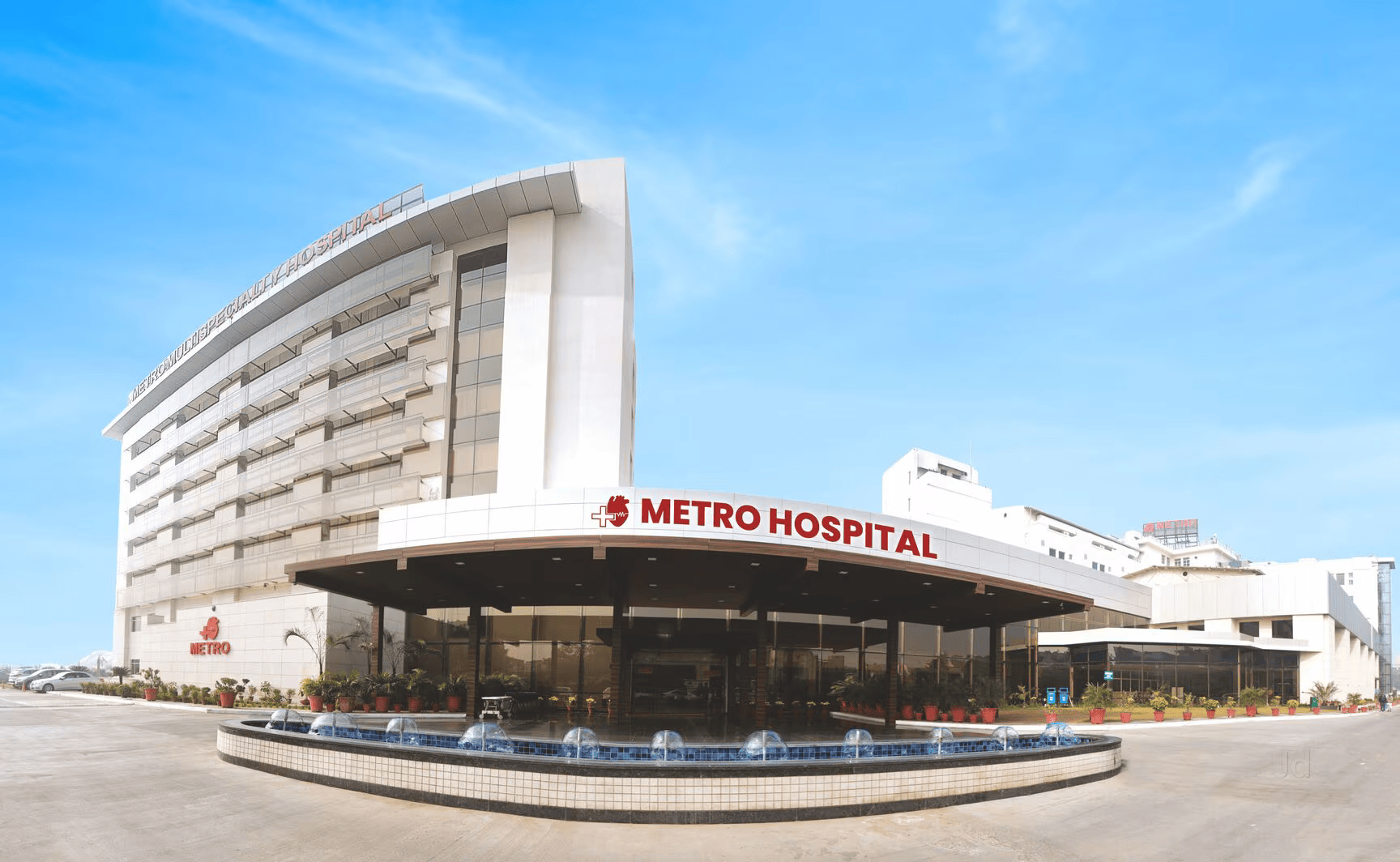
Sector 16A, Faridabad, Haryana – 121002, India
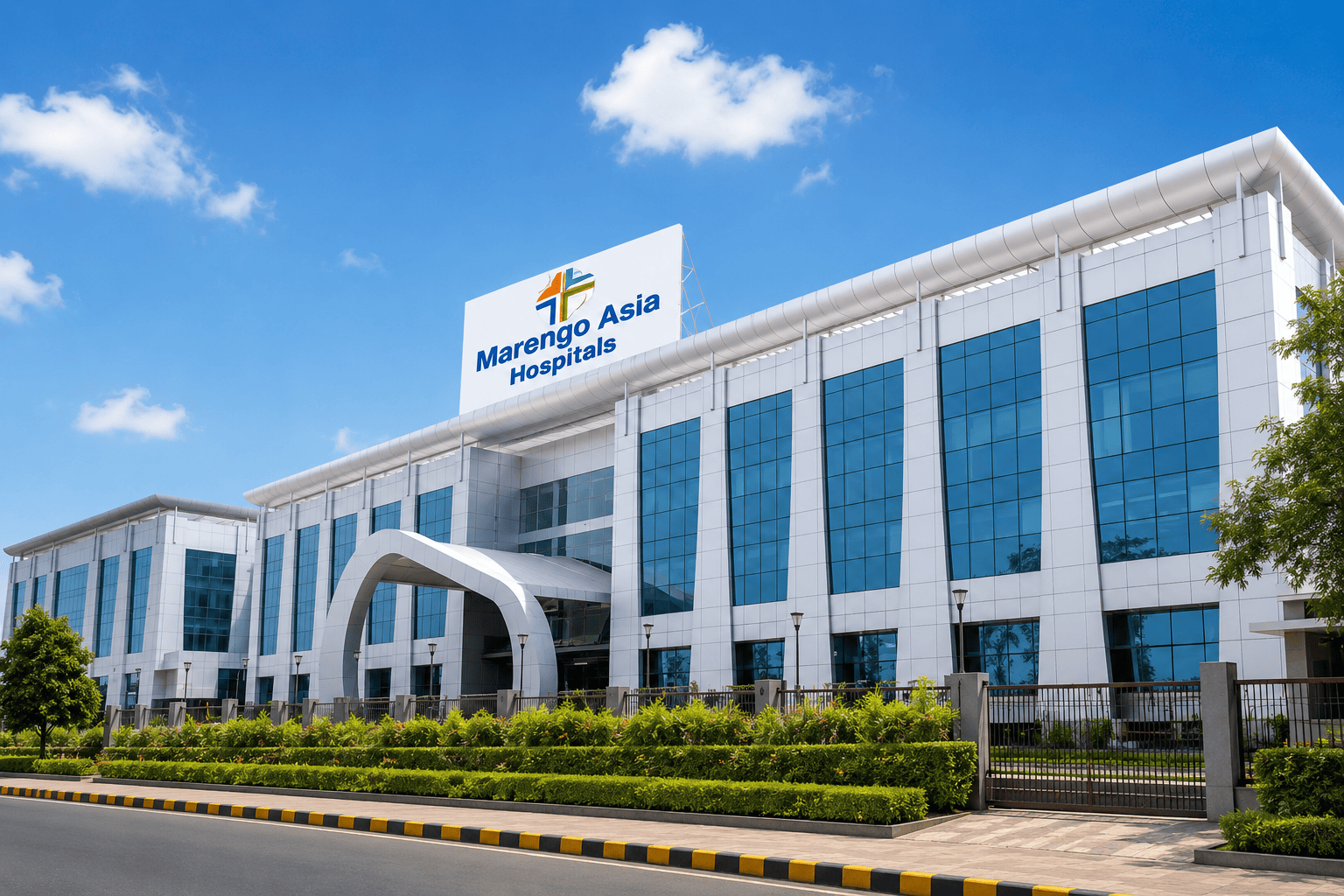
Plot No. 1, HUDA Staff Colony, Sector 16, Faridabad, Haryana – 121002, India
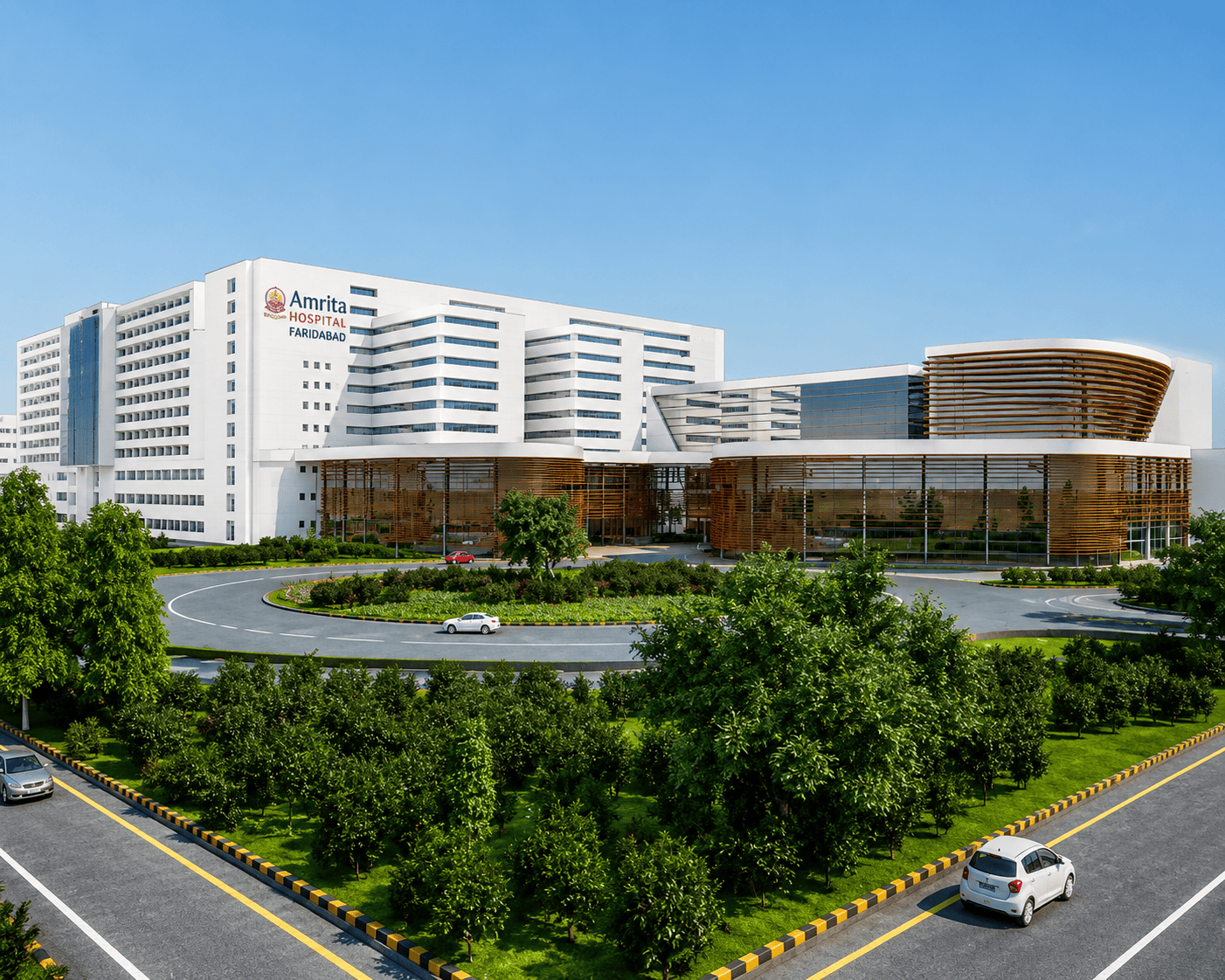
Mata Amritanandamayi Marg, Sector 88, Faridabad, Haryana – 121014, India
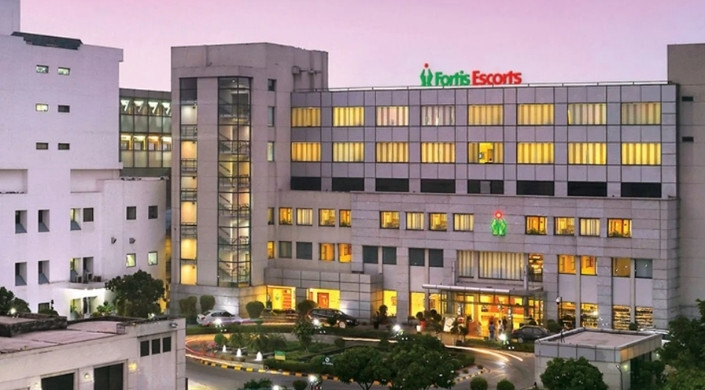
Okhla Road, Opposite Sukhdev Vihar Metro Station, New Delhi – 110025, India
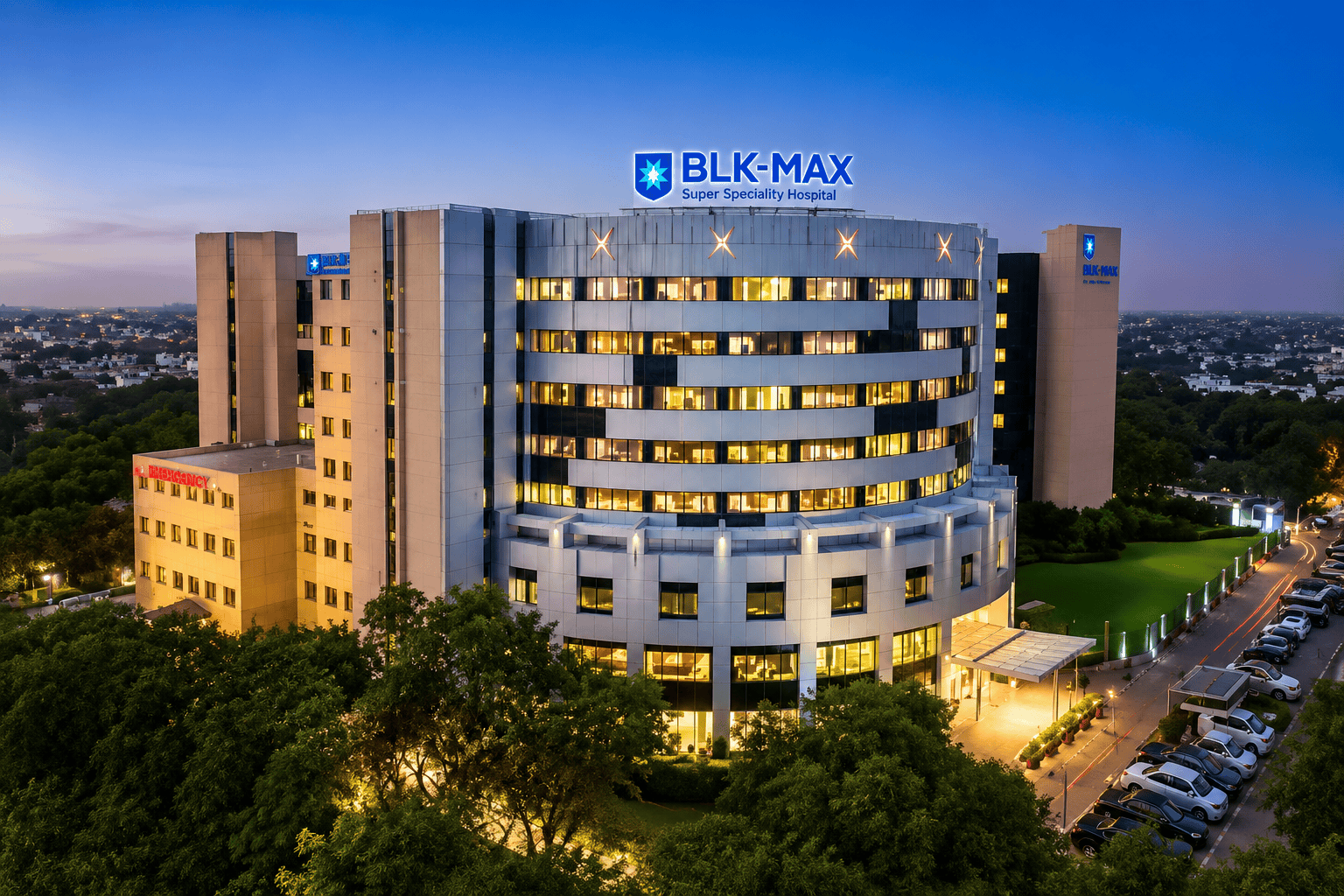
Pusa Road, Rajendra Place, New Delhi – 110005, India
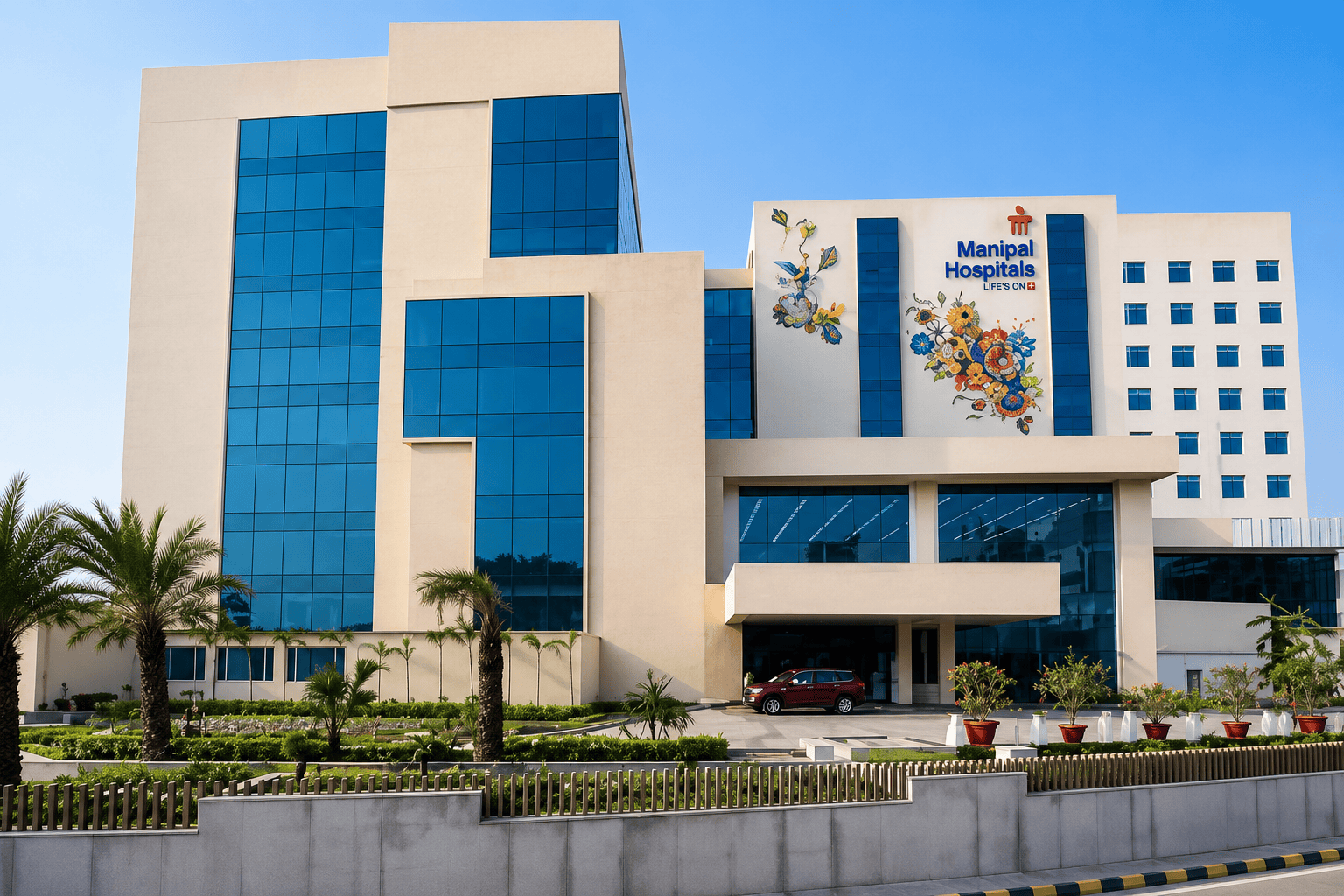
Palam Vihar, Sector 6, Dwarka, New Delhi – 110075, India
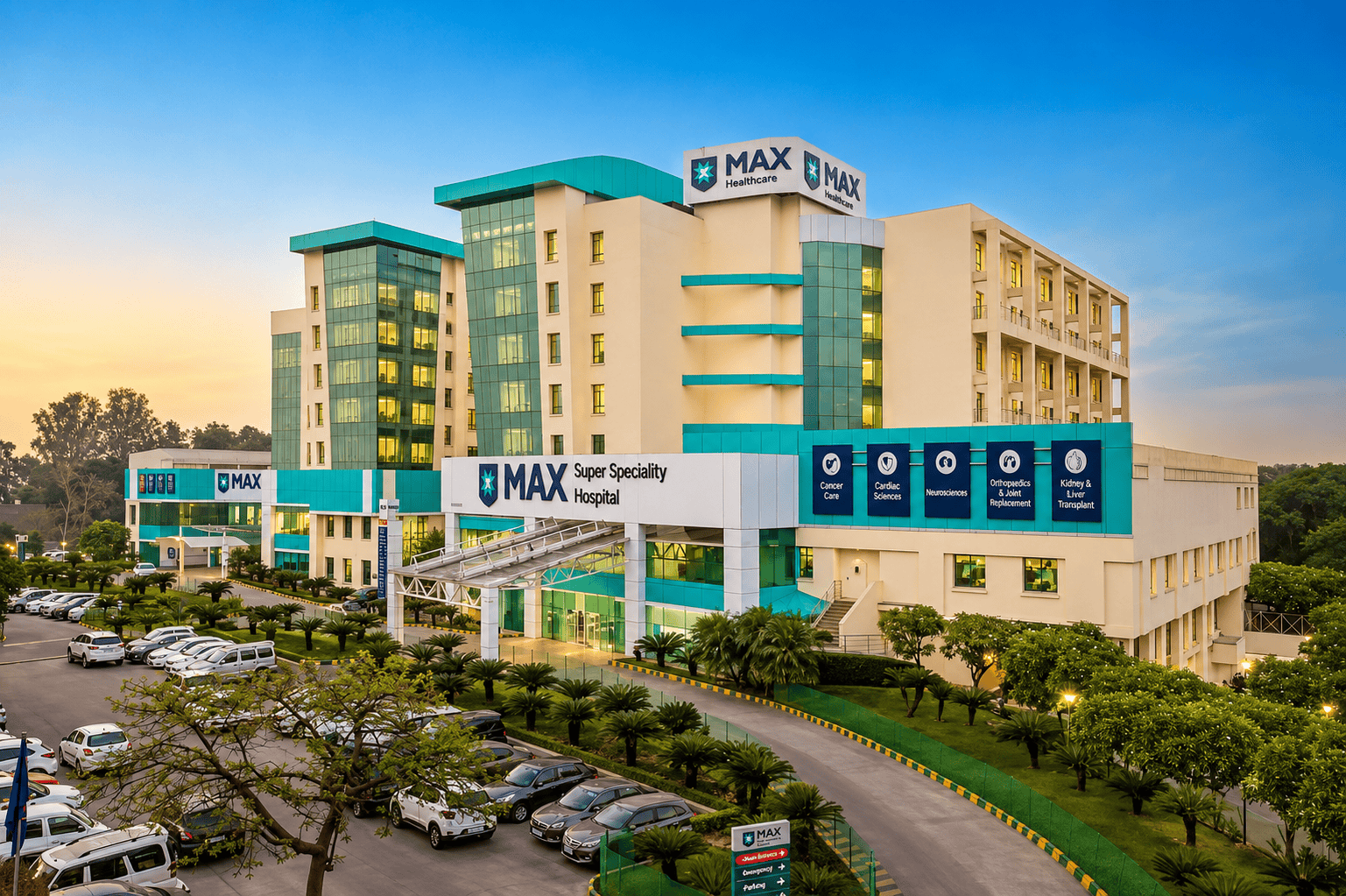
1 & 2, Press Enclave Road, Saket Institutional Area, Saket, New Delhi – 110017, India
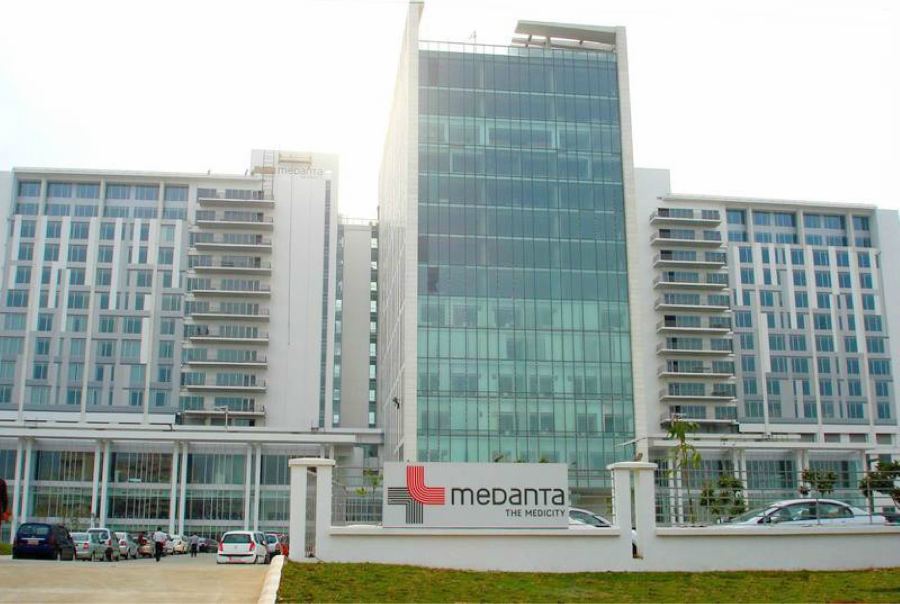
CH Baktawar Singh Road, Sector 38, Gurugram, Haryana – 122001, India
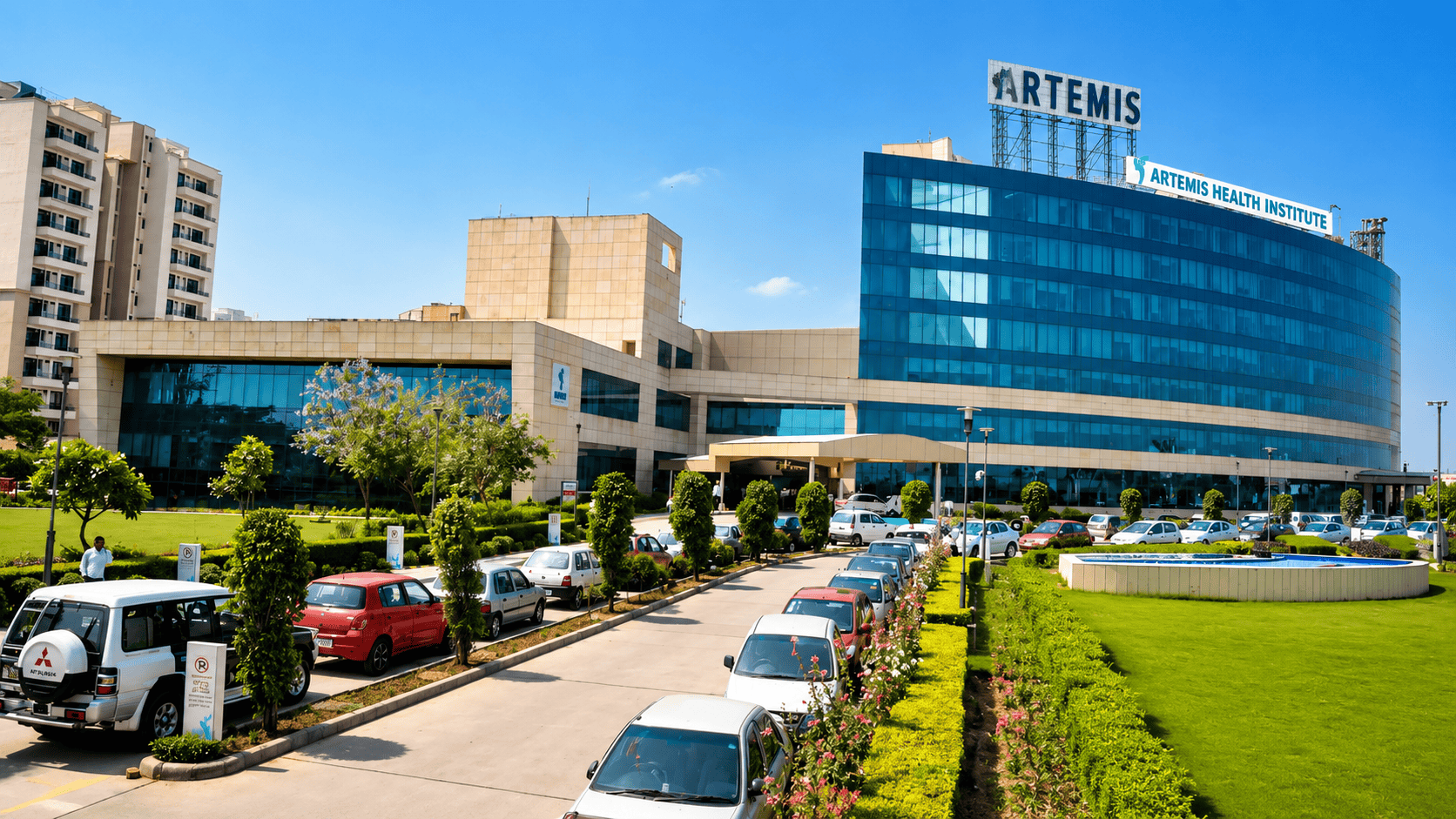
Sector 51, Gurugram, Haryana – 122018, India
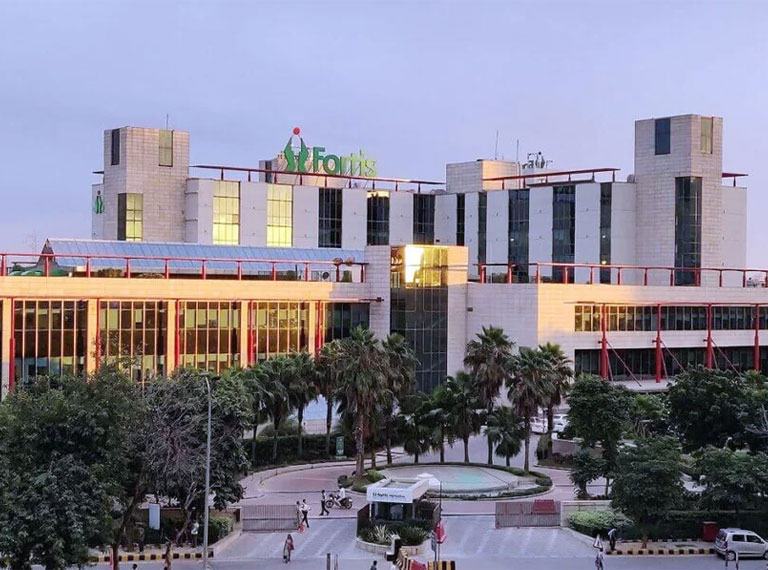
Sector - 44, Gurugram, Haryana – 122002, India
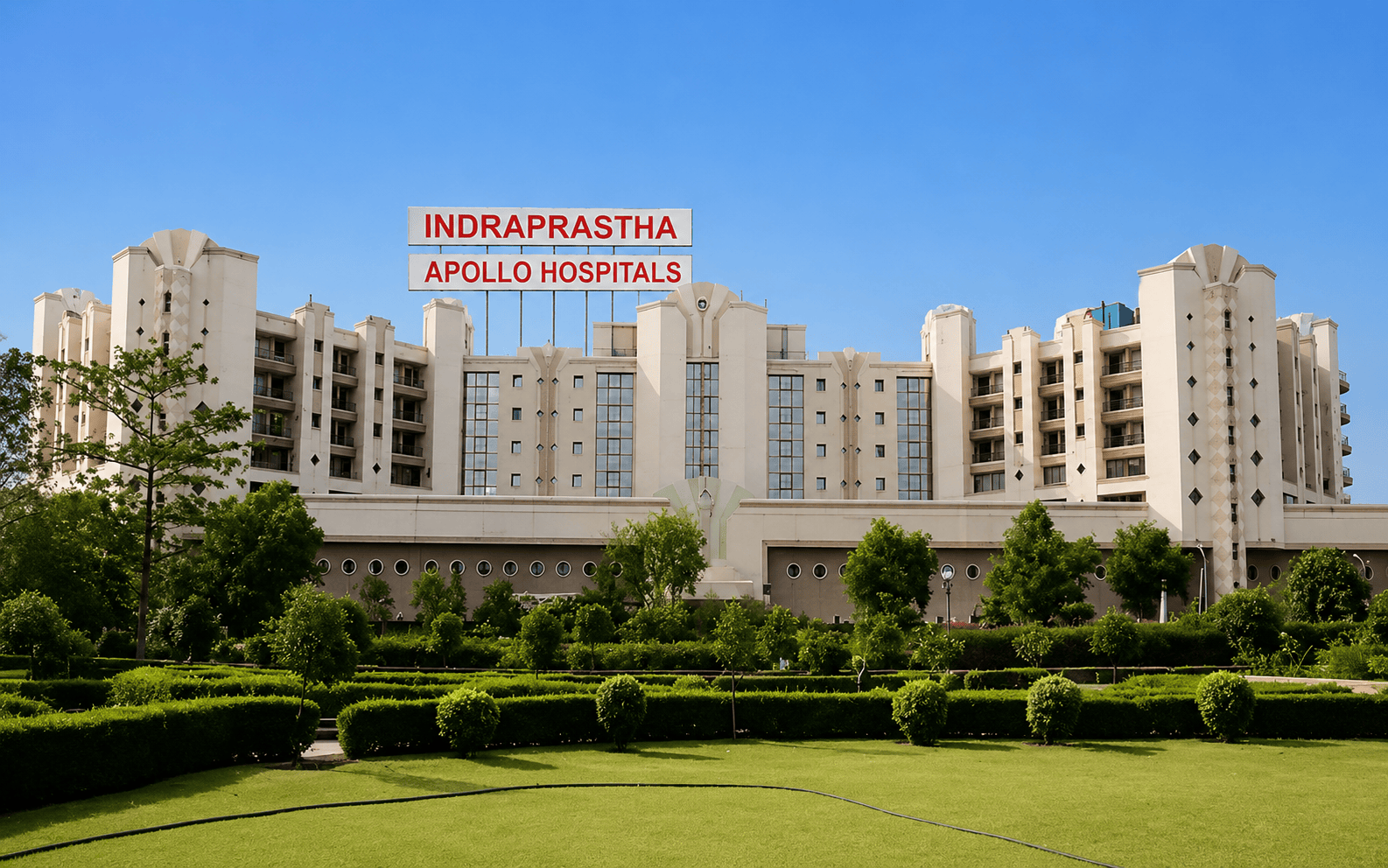
Sarita Vihar, Delhi-Mathura Road, New Delhi – 110076, India