
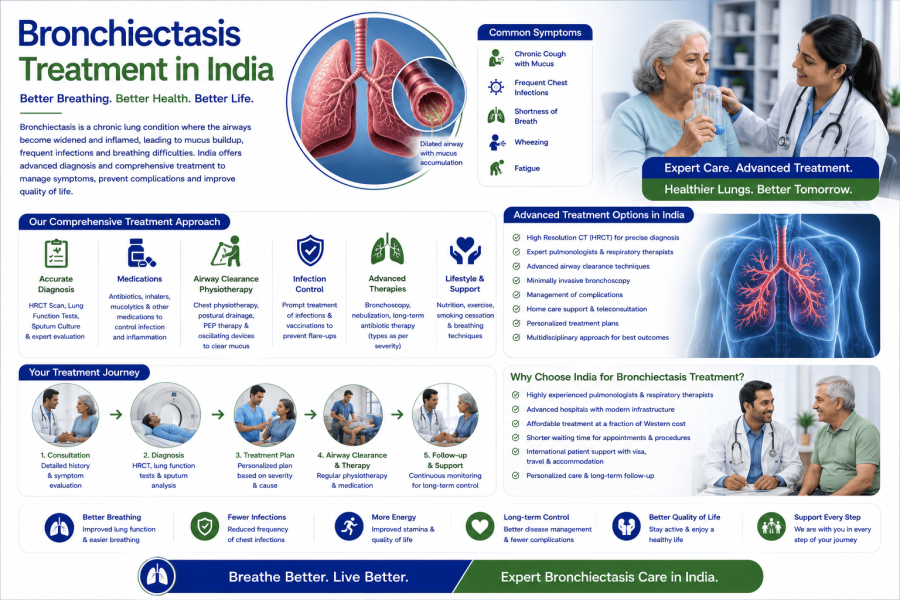
Bronchiectasis is a long-term condition requiring ongoing management. Initial evaluation usually takes 2 to 5 days, while pulmonary rehabilitation programs generally continue for 6 to 12 weeks. Treatment is individualized based on disease severity and fre
Most patients are treated on an outpatient basis. Patients requiring bronchoscopy, intravenous antibiotics, or surgery may require 3 to 7 days of hospitalization.
Routine medical treatment does not require anesthesia. Bronchoscopy is generally performed under local anesthesia with sedation, while VATS surgery is performed under general anesthesia.
2,000 to 9,000 USD*
Bronchiectasis is a chronic lung condition in which the airways (bronchi) become permanently widened and damaged, leading to mucus accumulation, recurrent infections, and progressive lung impairment. Over time, patients may experience persistent cough, excessive sputum production, repeated chest infections, and difficulty breathing. Although the damaged airways cannot usually be completely restored, early diagnosis and comprehensive treatment can effectively control infections, reduce flare-ups, improve lung function, and significantly enhance quality of life.
India has become one of the world's leading destinations for advanced and affordable Bronchiectasis treatment. Patients from Africa, the Middle East, and many other countries choose India because of its internationally accredited hospitals, experienced pulmonologists, thoracic surgeons, respiratory physiotherapists, and advanced respiratory care facilities at considerably lower costs than many developed nations.
Recent advancements in bronchiectasis management have greatly improved patient outcomes. Leading hospitals in India now offer High-Resolution CT (HRCT) Chest Imaging, Advanced Pulmonary Function Testing (PFT), Bronchoscopy, Endobronchial Ultrasound (EBUS), Comprehensive Microbiological Testing, Long-term Inhalation Therapy, Airway Clearance Devices, High-Frequency Chest Wall Oscillation (HFCWO), Nebulized Antibiotic Therapy (selected patients), AI-assisted Chest Imaging, Pulmonary Rehabilitation Programs, and Video-Assisted Thoracoscopic Surgery (VATS) for carefully selected patients requiring surgical treatment. These innovations help reduce infections, improve mucus clearance, preserve lung function, and reduce hospital admissions.
Whether you have localized bronchiectasis, recurrent respiratory infections, post-tuberculosis bronchiectasis, cystic fibrosis-related bronchiectasis, or severe disease requiring specialized intervention, India offers comprehensive treatment with international standards of quality, safety, and personalized patient care.
Patients with Bronchiectasis commonly experience:
Persistent cough with repeated lung infections should be evaluated by a pulmonologist.
Several conditions increase the risk of developing Bronchiectasis, including:
Before treatment, patients undergo a comprehensive respiratory evaluation to identify the cause, severity, and extent of airway damage.
Diagnostic tests may include:
International patients can submit their medical reports online for an expert opinion before travelling to India.
Treatment is personalized according to the severity of disease, frequency of infections, and underlying cause.
Treatment may include antibiotics, bronchodilators, mucolytic medications, inhaled therapies, and anti-inflammatory medications to control infections and improve breathing.
Specialized physiotherapy techniques help remove mucus from the lungs and reduce recurrent infections.
Nebulized saline, bronchodilators, and selected inhaled antibiotics may be recommended to improve mucus clearance and reduce bacterial infections.
Structured rehabilitation programs combining breathing exercises, supervised exercise training, nutritional counseling, and respiratory education improve physical capacity and lung health.
Bronchoscopy may be performed to remove mucus plugs, obtain microbiological samples, or investigate persistent lung infections.
Patients with localized severe bronchiectasis who continue to experience recurrent infections despite optimal medical treatment may benefit from Video-Assisted Thoracoscopic Surgery (VATS) or open lung resection, depending on the extent of disease.
Antibiotics, inhaled medications, bronchodilators, mucolytics, vaccinations, and infection prevention strategies.
Daily chest physiotherapy and mucus clearance devices form an essential part of long-term treatment.
Bronchoscopy and advanced diagnostic procedures for selected patients.
Video-Assisted Thoracoscopic Surgery (VATS) or lung resection for carefully selected patients with localized disease.
Patients require long-term respiratory monitoring and follow-up.
Post-treatment care includes:
Although Bronchiectasis is a chronic condition, appropriate treatment enables most patients to lead active and productive lives. Regular airway clearance, prompt treatment of infections, pulmonary rehabilitation, healthy nutrition, vaccination, and avoidance of smoking help preserve lung function and reduce exacerbations.
Patients who follow personalized treatment plans and attend regular follow-up appointments often experience fewer infections, improved breathing, better exercise tolerance, and enhanced quality of life. For selected patients with localized disease, surgery may provide long-term symptom relief.
Patients with Bronchiectasis commonly experience:
Persistent cough with repeated lung infections should be evaluated by a pulmonologist.
Several conditions increase the risk of developing Bronchiectasis, including:
Before treatment, patients undergo a comprehensive respiratory evaluation to identify the cause, severity, and extent of airway damage.
Diagnostic tests may include:
International patients can submit their medical reports online for an expert opinion before travelling to India.
Treatment is personalized according to the severity of disease, frequency of infections, and underlying cause.
Treatment may include antibiotics, bronchodilators, mucolytic medications, inhaled therapies, and anti-inflammatory medications to control infections and improve breathing.
Specialized physiotherapy techniques help remove mucus from the lungs and reduce recurrent infections.
Nebulized saline, bronchodilators, and selected inhaled antibiotics may be recommended to improve mucus clearance and reduce bacterial infections.
Structured rehabilitation programs combining breathing exercises, supervised exercise training, nutritional counseling, and respiratory education improve physical capacity and lung health.
Bronchoscopy may be performed to remove mucus plugs, obtain microbiological samples, or investigate persistent lung infections.
Patients with localized severe bronchiectasis who continue to experience recurrent infections despite optimal medical treatment may benefit from Video-Assisted Thoracoscopic Surgery (VATS) or open lung resection, depending on the extent of disease.
Antibiotics, inhaled medications, bronchodilators, mucolytics, vaccinations, and infection prevention strategies.
Daily chest physiotherapy and mucus clearance devices form an essential part of long-term treatment.
Bronchoscopy and advanced diagnostic procedures for selected patients.
Video-Assisted Thoracoscopic Surgery (VATS) or lung resection for carefully selected patients with localized disease.
Patients require long-term respiratory monitoring and follow-up.
Post-treatment care includes:
Although Bronchiectasis is a chronic condition, appropriate treatment enables most patients to lead active and productive lives. Regular airway clearance, prompt treatment of infections, pulmonary rehabilitation, healthy nutrition, vaccination, and avoidance of smoking help preserve lung function and reduce exacerbations.
Patients who follow personalized treatment plans and attend regular follow-up appointments often experience fewer infections, improved breathing, better exercise tolerance, and enhanced quality of life. For selected patients with localized disease, surgery may provide long-term symptom relief.
Yes. Bronchiectasis treatment in India is significantly more affordable than in many developed countries while maintaining international standards of respiratory care.
Bronchiectasis is usually a permanent condition. However, modern treatment can effectively control symptoms, reduce infections, preserve lung function, and improve quality of life.
Recent advancements include AI-assisted HRCT analysis, advanced airway clearance devices, nebulized antibiotic therapy, High-Frequency Chest Wall Oscillation (HFCWO), pulmonary rehabilitation, advanced bronchoscopy, and minimally invasive VATS surgery for selected patients.
Yes. International patients receive complete assistance including online consultations, medical visas, accommodation, airport transfers, interpreter services, rehabilitation, and follow-up care.
Surgery may be recommended for carefully selected patients with localized bronchiectasis who continue to experience recurrent infections or significant bleeding despite optimal medical treatment.
Yes. Pulmonary rehabilitation is an essential part of treatment and helps improve breathing, physical endurance, mucus clearance, and overall quality of life.
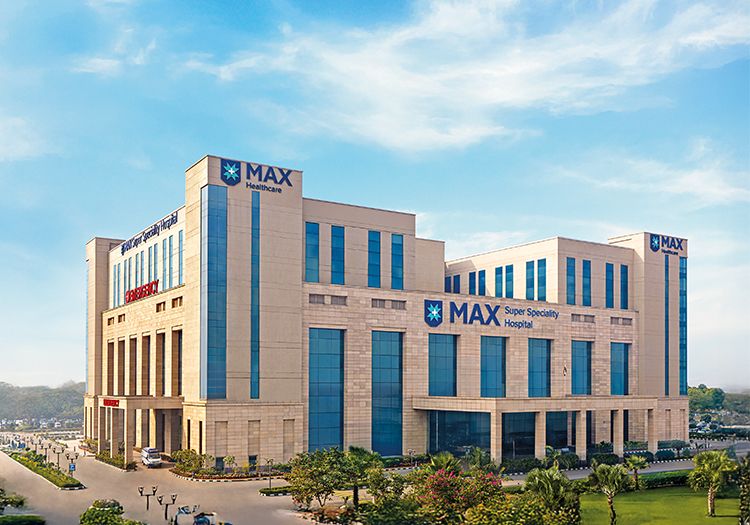
Jaypee Hospital Road, Goberdhanpur, Sector 128, Noida, Uttar Pradesh – 201304, India
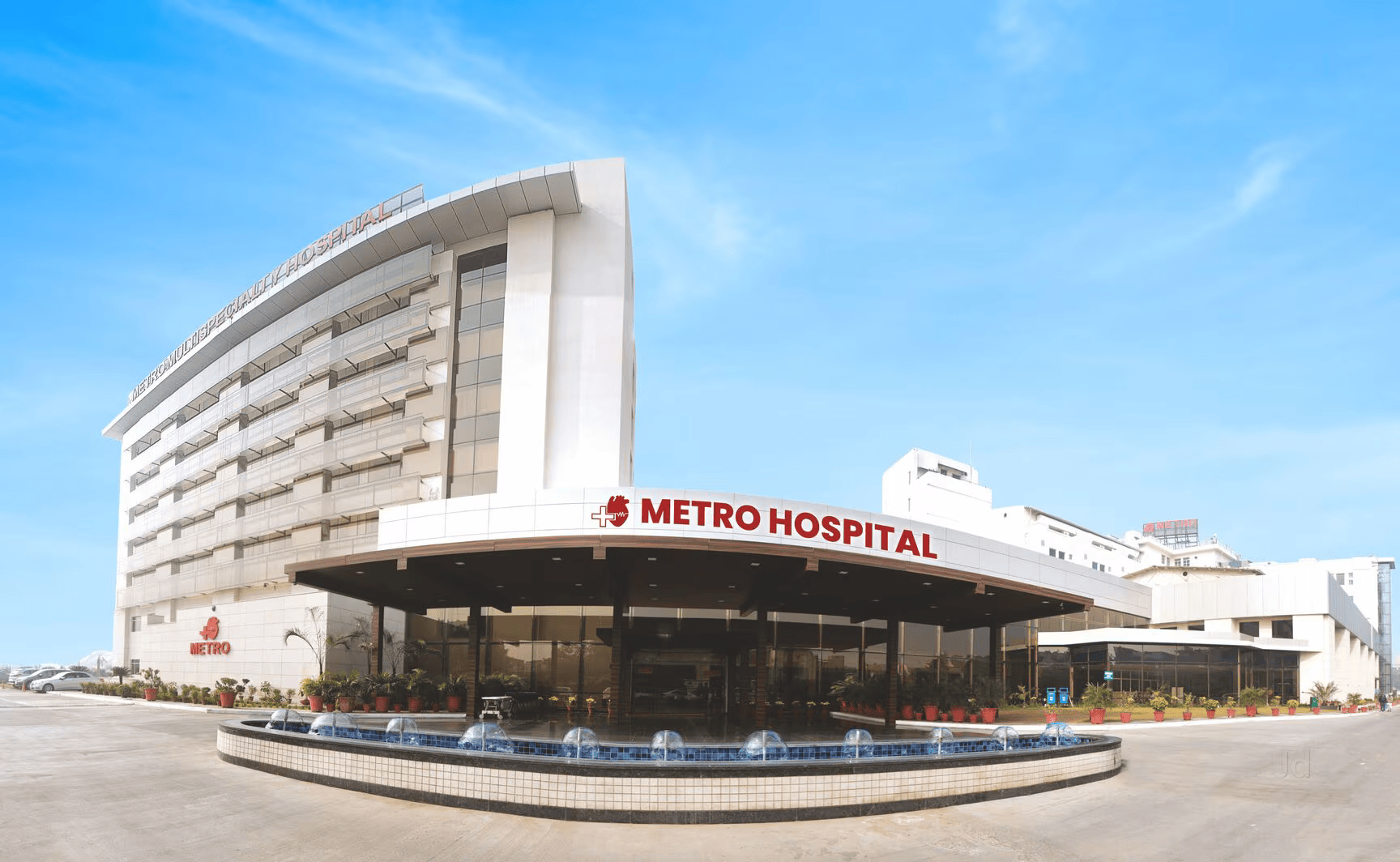
Sector 16A, Faridabad, Haryana – 121002, India
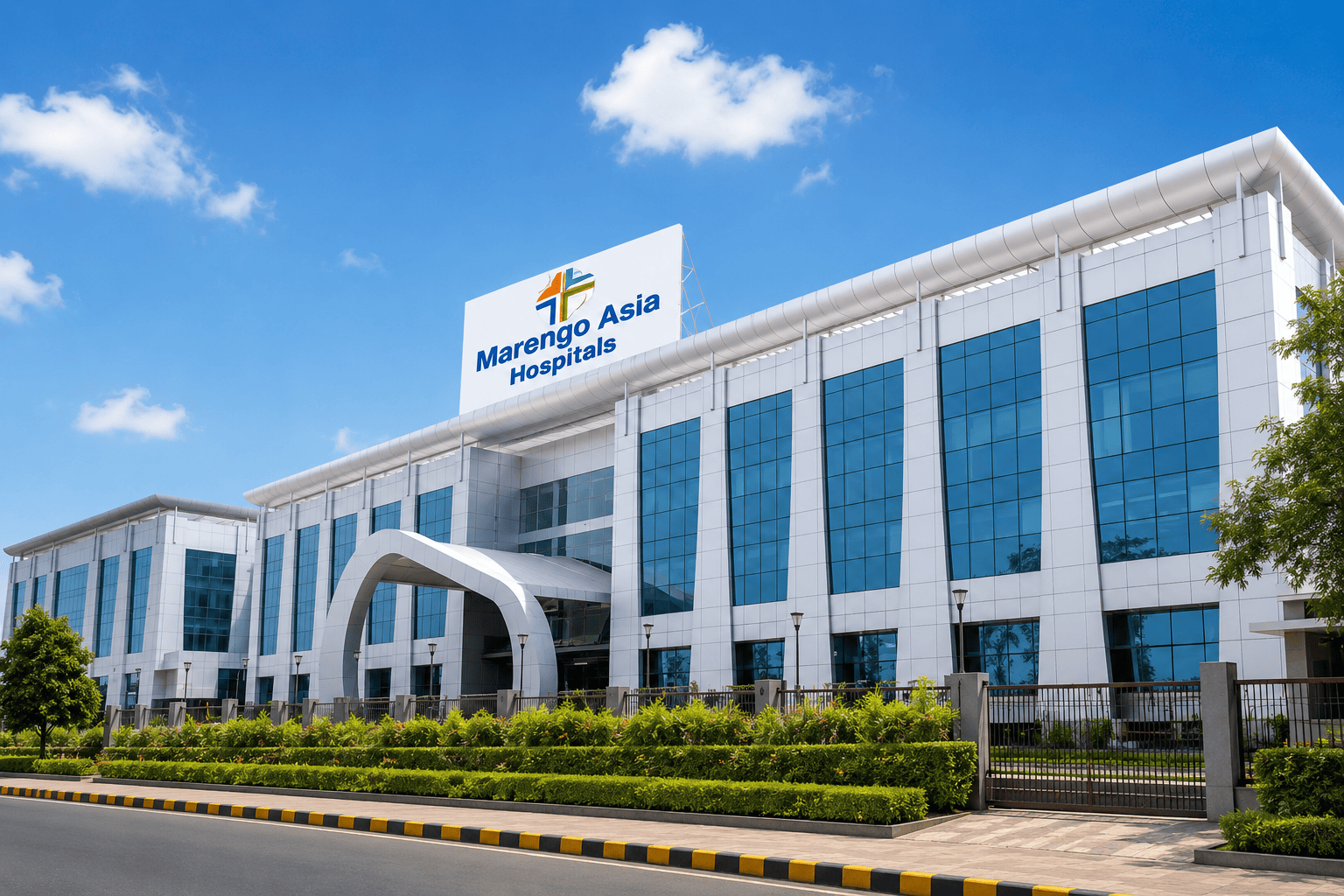
Plot No. 1, HUDA Staff Colony, Sector 16, Faridabad, Haryana – 121002, India
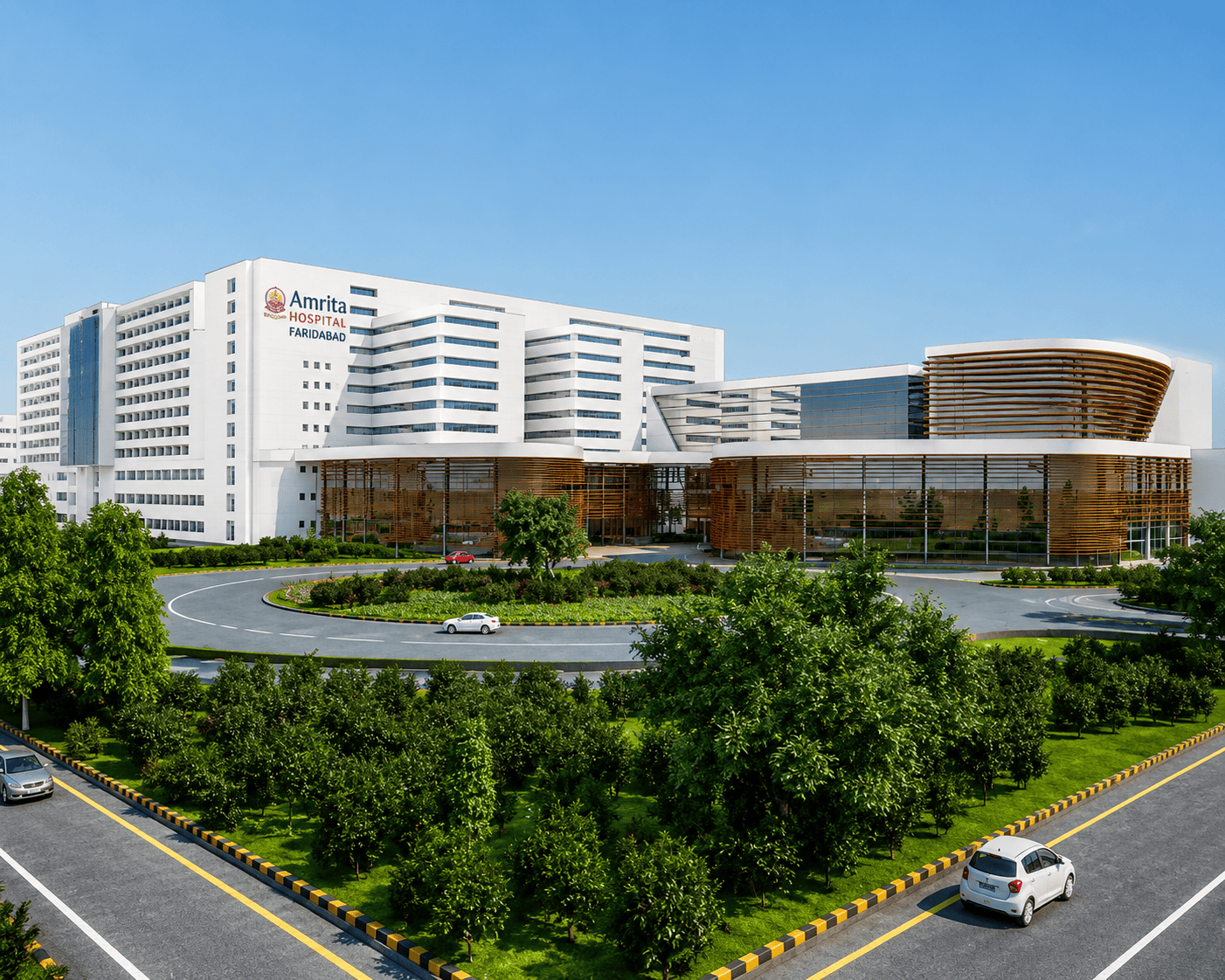
Mata Amritanandamayi Marg, Sector 88, Faridabad, Haryana – 121014, India
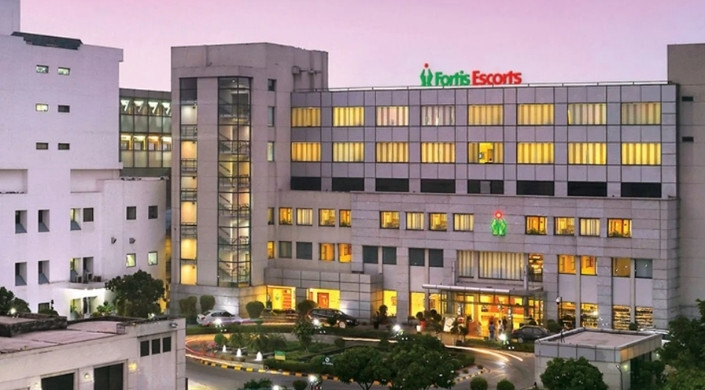
Okhla Road, Opposite Sukhdev Vihar Metro Station, New Delhi – 110025, India
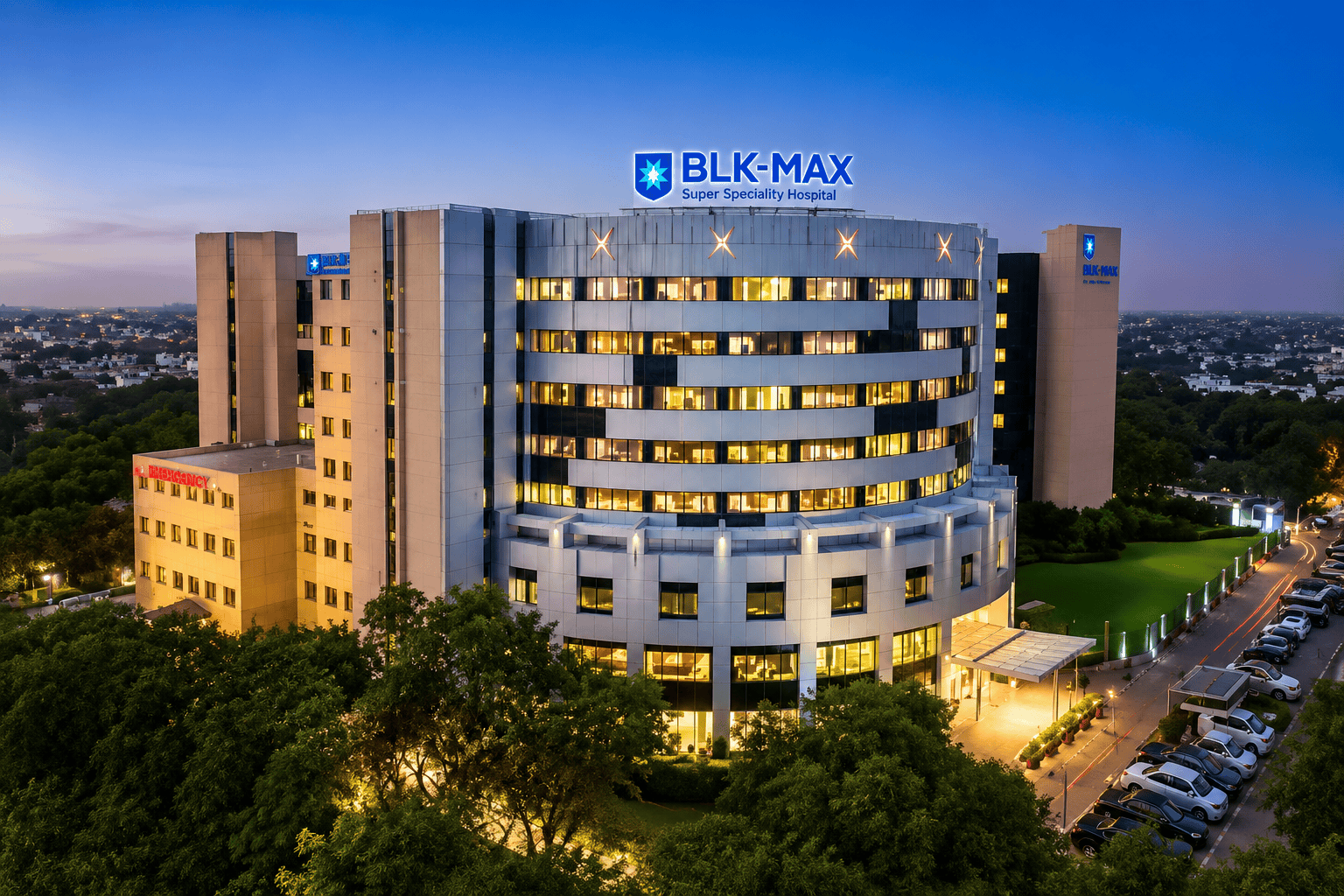
Pusa Road, Rajendra Place, New Delhi – 110005, India
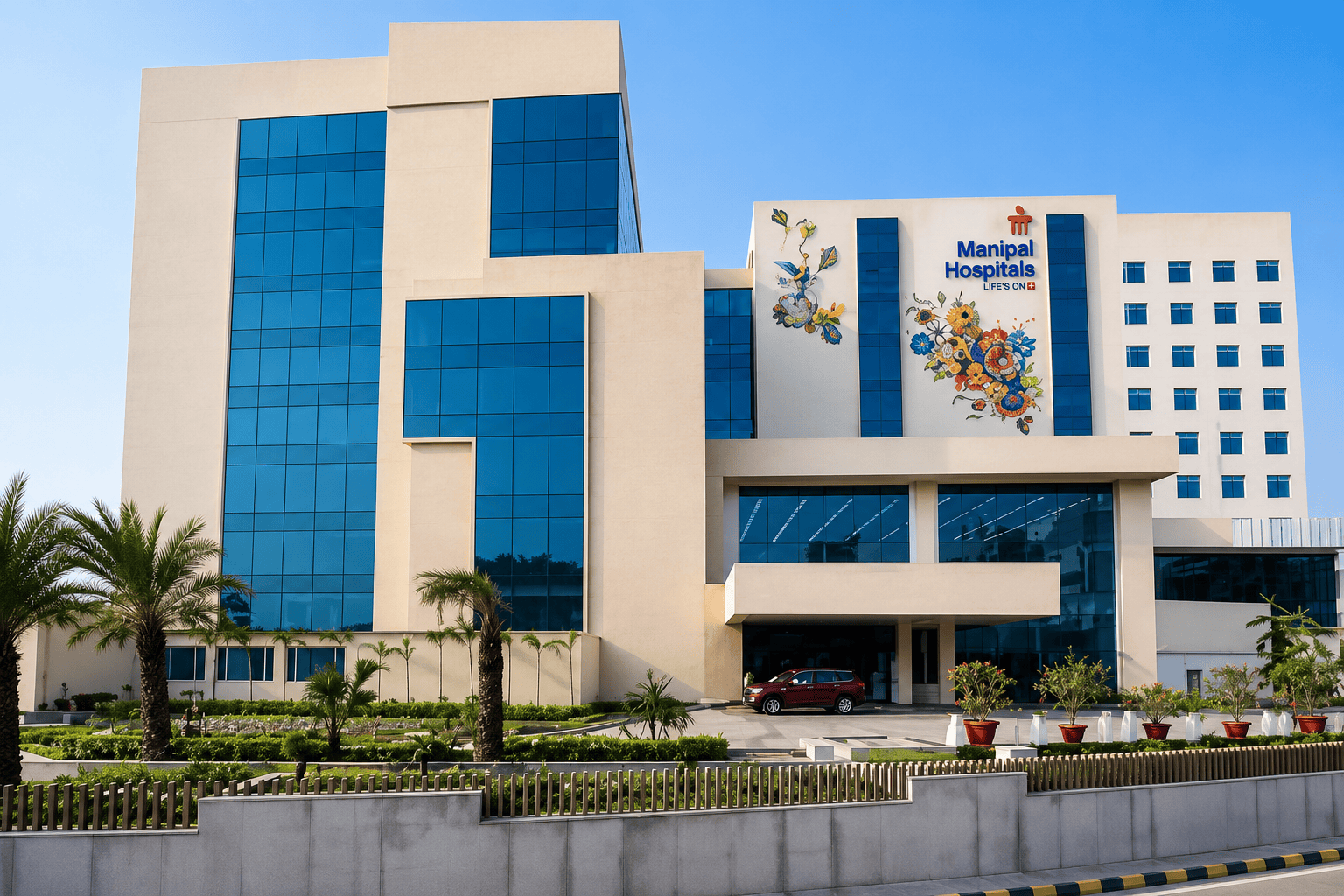
Palam Vihar, Sector 6, Dwarka, New Delhi – 110075, India
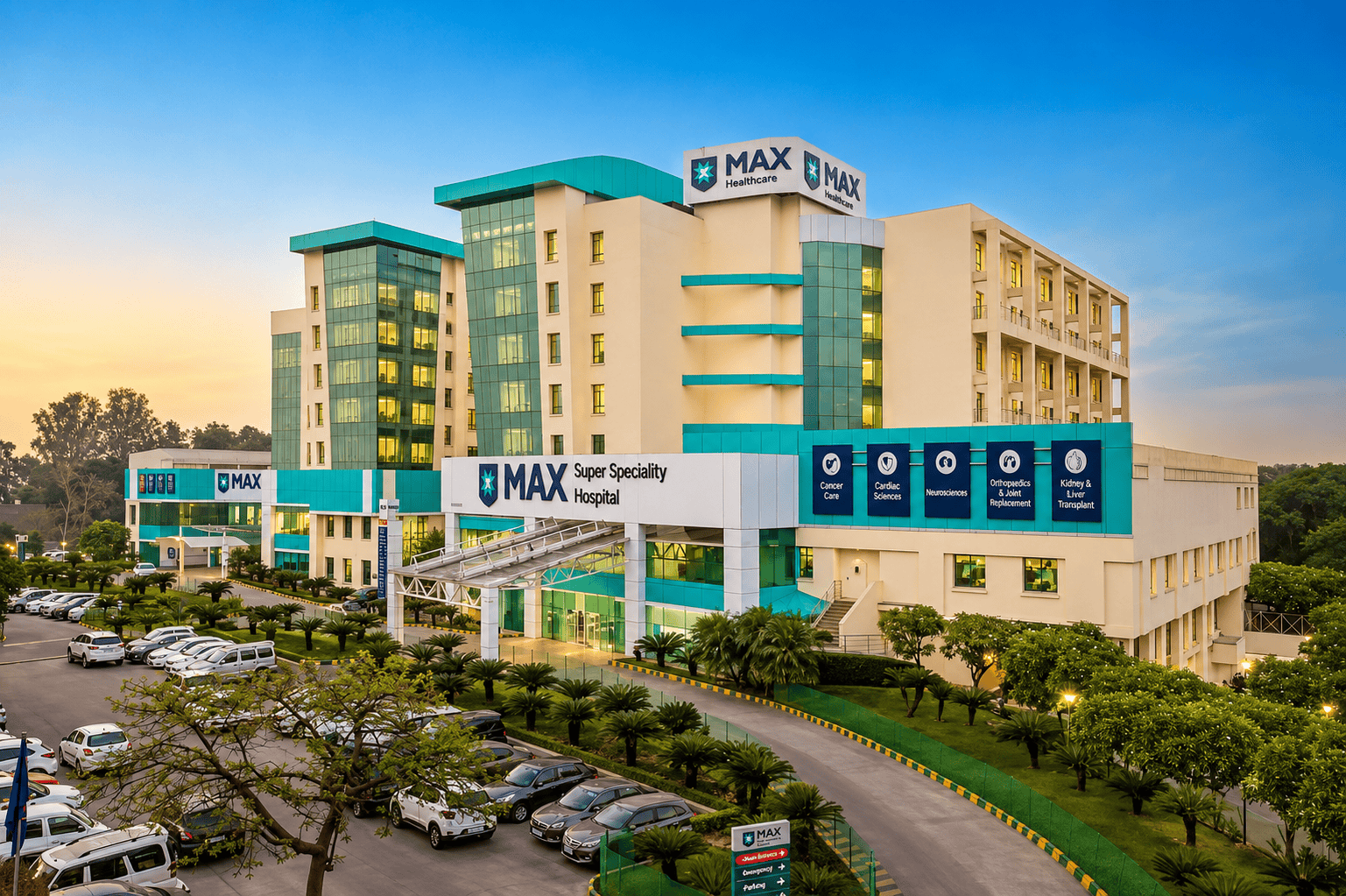
1 & 2, Press Enclave Road, Saket Institutional Area, Saket, New Delhi – 110017, India
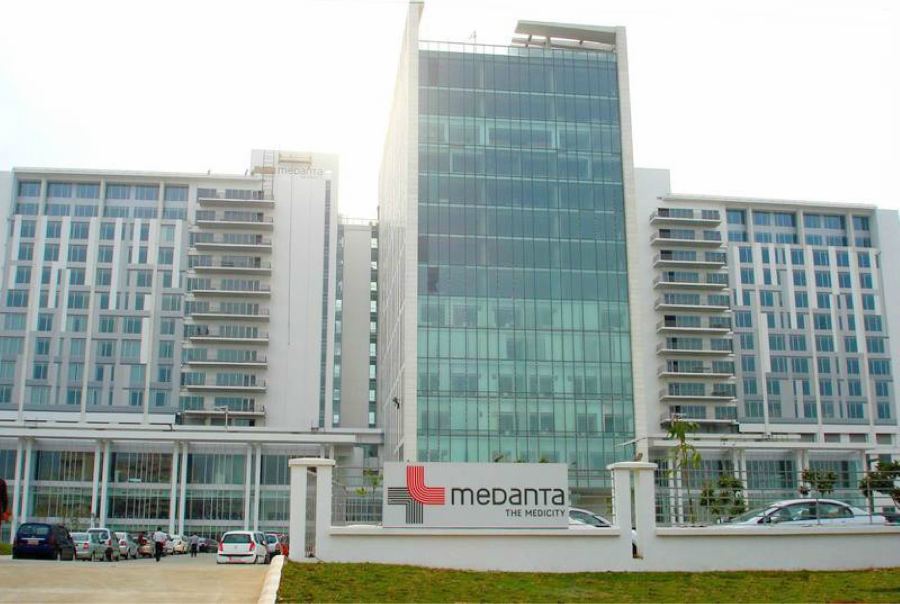
CH Baktawar Singh Road, Sector 38, Gurugram, Haryana – 122001, India
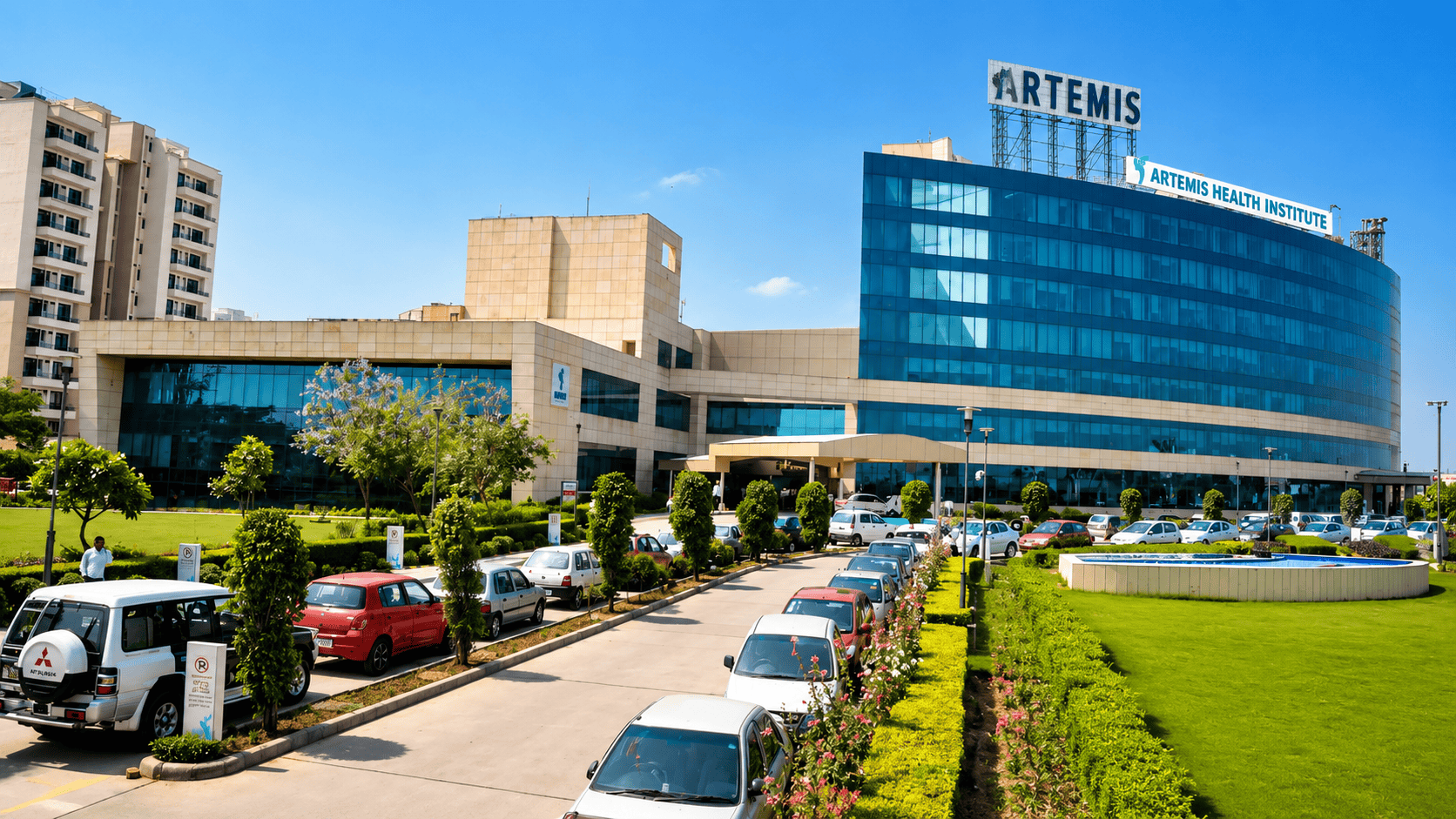
Sector 51, Gurugram, Haryana – 122018, India
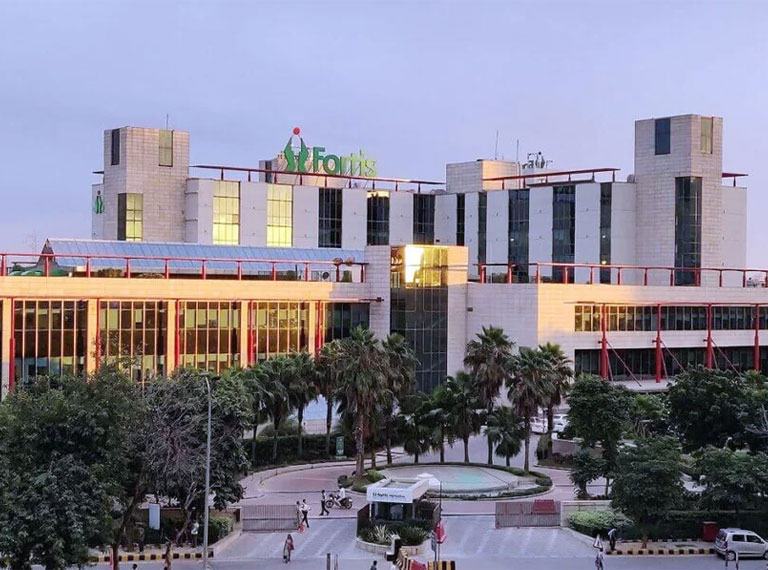
Sector - 44, Gurugram, Haryana – 122002, India
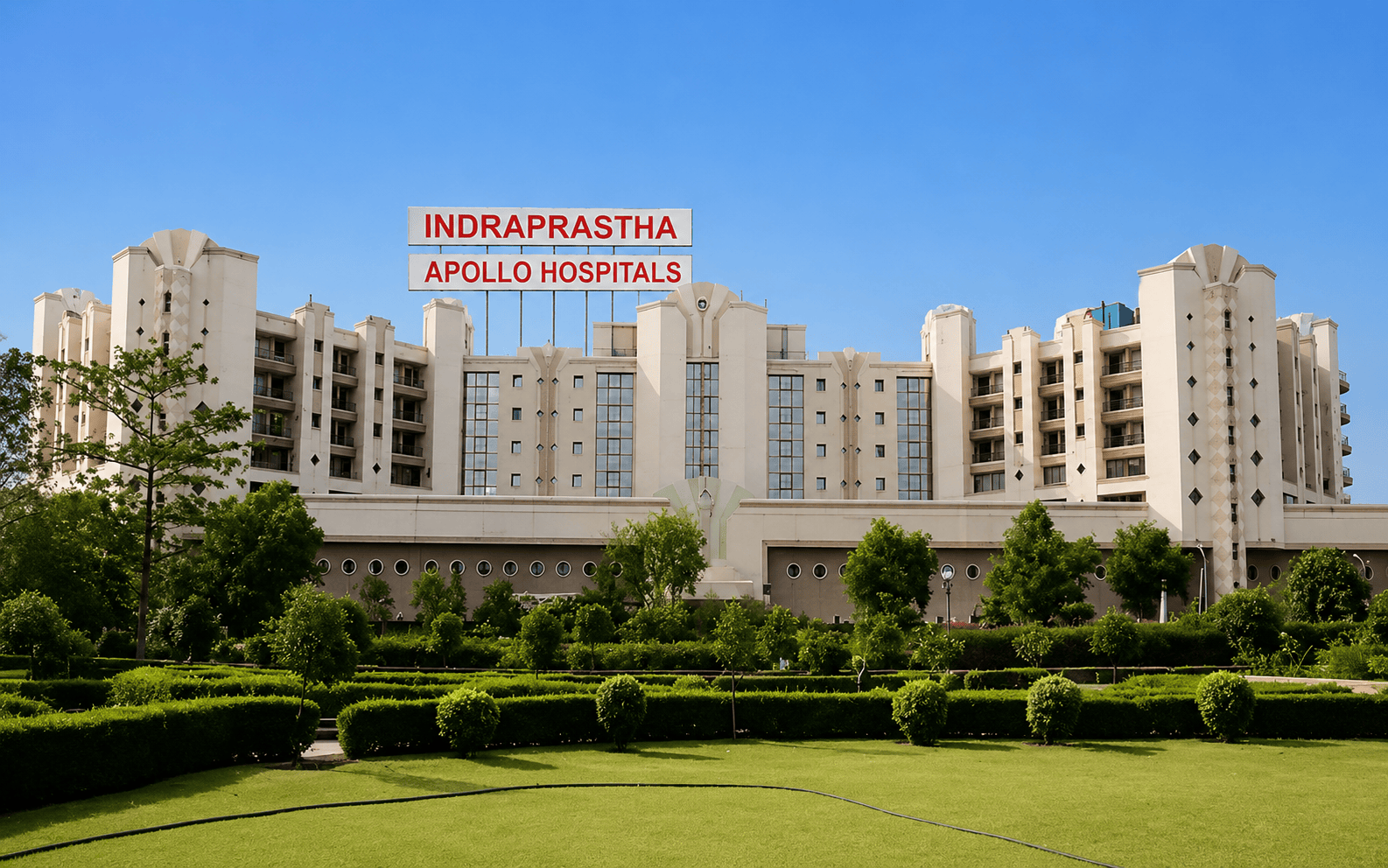
Sarita Vihar, Delhi-Mathura Road, New Delhi – 110076, India