
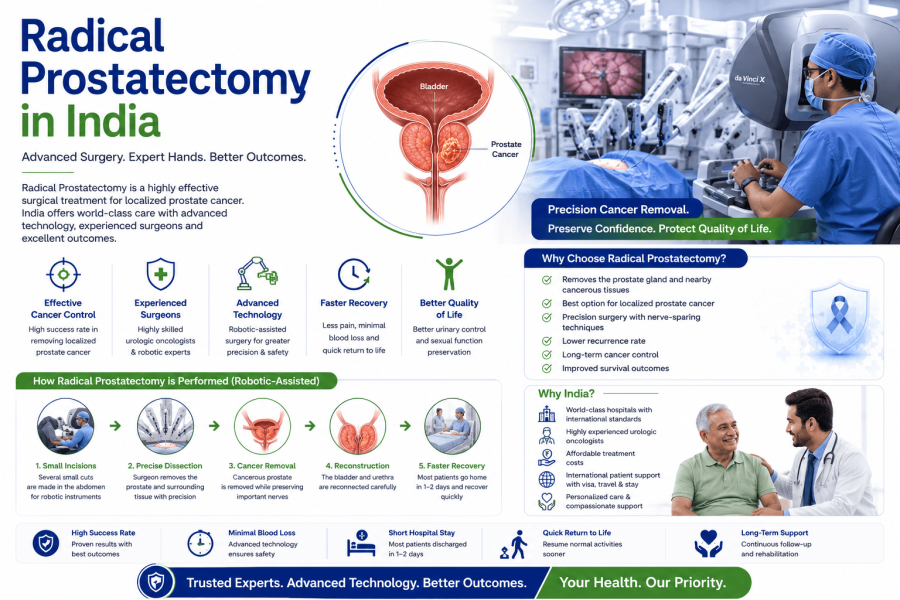
Radical Prostatectomy usually takes 2 to 5 hours, depending on the surgical approach, cancer stage, and whether pelvic lymph node dissection is required.
Patients generally remain hospitalized for 2 to 5 days, depending on the surgical technique and recovery. International patients are advised to stay in India for 2 to 4 weeks for preoperative evaluation, surgery, catheter removal, recovery, and follow-up.
General anesthesia is administered throughout the procedure.
6,000 to 14,000 USD*
Radical Prostatectomy is a highly effective surgical procedure performed to completely remove the prostate gland, seminal vesicles, and, when necessary, nearby lymph nodes for the treatment of localized or locally advanced prostate cancer. The primary goal of the surgery is to eliminate the cancer while preserving urinary continence and erectile function whenever medically appropriate. It remains one of the most successful curative treatments for men whose cancer is confined to the prostate or has limited local spread.
India has become one of the world's leading destinations for Radical Prostatectomy, offering internationally accredited hospitals, highly experienced uro-oncologists, advanced robotic surgical systems, multidisciplinary cancer teams, and affordable treatment costs. Every year, thousands of international patients from Africa, the Middle East, and other countries travel to India for high-quality prostate cancer treatment with excellent clinical outcomes.
Recent advancements in Radical Prostatectomy have significantly improved surgical precision and patient recovery. Leading hospitals now offer Robot-Assisted Radical Prostatectomy (RARP), Nerve-Sparing Radical Prostatectomy, Retzius-Sparing Robotic Surgery, Single-Port Robotic Surgery (selected centers), PSMA PET-CT-guided surgical planning, MRI Fusion Imaging, Indocyanine Green (ICG) Fluorescence Imaging, 3D High-Definition Robotic Visualization, AI-assisted surgical planning, and Enhanced Recovery After Surgery (ERAS) protocols. These innovations help achieve excellent cancer control while reducing blood loss, shortening hospital stay, and improving recovery of urinary continence and sexual function in suitable patients.
Whether you have localized prostate cancer, intermediate-risk disease, or selected cases of locally advanced prostate cancer, India offers world-class Radical Prostatectomy with international standards of safety, quality, and personalized patient care.
Early-stage prostate cancer may not produce symptoms. As the disease progresses, patients may experience:
Men over 50 years of age or those with a family history of prostate cancer should undergo regular prostate screening.
Several factors increase the risk of developing prostate cancer, including:
Before Radical Prostatectomy, patients undergo comprehensive evaluation to determine the stage of cancer and suitability for surgery.
Diagnostic tests may include:
International patients can submit their medical reports online for an expert opinion before travelling to India.
Radical Prostatectomy is performed by experienced uro-oncology surgeons using open, laparoscopic, or robotic techniques depending on the patient's condition.
The surgeon carefully reviews PSA levels, biopsy results, imaging studies, and overall health to develop an individualized surgical plan.
The entire prostate gland, seminal vesicles, and, when necessary, surrounding tissues are removed to eliminate the cancer while preserving healthy structures whenever possible.
The most advanced minimally invasive approach uses robotic technology to provide superior precision, better visualization, reduced blood loss, smaller incisions, and faster recovery.
When the cancer has not involved the surrounding nerves, surgeons may preserve the neurovascular bundles responsible for urinary continence and erectile function without compromising cancer treatment.
For selected patients with intermediate- or high-risk prostate cancer, nearby lymph nodes may be removed for accurate staging and treatment planning.
Modern reconstructive techniques help restore urinary function and improve postoperative recovery.
The most commonly preferred minimally invasive technique offering excellent cancer control with faster recovery.
A minimally invasive alternative performed through small keyhole incisions using laparoscopic instruments.
Performed through a single abdominal incision in selected patients where clinically indicated.
Recommended for eligible patients to maximize the possibility of preserving urinary continence and erectile function while maintaining oncological safety.
Patients are closely monitored after surgery to ensure a smooth recovery.
Post-operative care includes:
Most patients recover well after Radical Prostatectomy and gradually return to their normal daily activities. Modern surgical techniques have significantly reduced postoperative pain, blood loss, and recovery time while improving long-term cancer control.
Many patients regain urinary continence within a few months, while recovery of erectile function depends on age, baseline function, cancer stage, and whether nerve-sparing surgery was possible. Regular PSA testing, healthy lifestyle choices, and scheduled follow-up with a uro-oncologist are essential for monitoring long-term outcomes.
Early-stage prostate cancer may not produce symptoms. As the disease progresses, patients may experience:
Men over 50 years of age or those with a family history of prostate cancer should undergo regular prostate screening.
Several factors increase the risk of developing prostate cancer, including:
Before Radical Prostatectomy, patients undergo comprehensive evaluation to determine the stage of cancer and suitability for surgery.
Diagnostic tests may include:
International patients can submit their medical reports online for an expert opinion before travelling to India.
Radical Prostatectomy is performed by experienced uro-oncology surgeons using open, laparoscopic, or robotic techniques depending on the patient's condition.
The surgeon carefully reviews PSA levels, biopsy results, imaging studies, and overall health to develop an individualized surgical plan.
The entire prostate gland, seminal vesicles, and, when necessary, surrounding tissues are removed to eliminate the cancer while preserving healthy structures whenever possible.
The most advanced minimally invasive approach uses robotic technology to provide superior precision, better visualization, reduced blood loss, smaller incisions, and faster recovery.
When the cancer has not involved the surrounding nerves, surgeons may preserve the neurovascular bundles responsible for urinary continence and erectile function without compromising cancer treatment.
For selected patients with intermediate- or high-risk prostate cancer, nearby lymph nodes may be removed for accurate staging and treatment planning.
Modern reconstructive techniques help restore urinary function and improve postoperative recovery.
The most commonly preferred minimally invasive technique offering excellent cancer control with faster recovery.
A minimally invasive alternative performed through small keyhole incisions using laparoscopic instruments.
Performed through a single abdominal incision in selected patients where clinically indicated.
Recommended for eligible patients to maximize the possibility of preserving urinary continence and erectile function while maintaining oncological safety.
Patients are closely monitored after surgery to ensure a smooth recovery.
Post-operative care includes:
Most patients recover well after Radical Prostatectomy and gradually return to their normal daily activities. Modern surgical techniques have significantly reduced postoperative pain, blood loss, and recovery time while improving long-term cancer control.
Many patients regain urinary continence within a few months, while recovery of erectile function depends on age, baseline function, cancer stage, and whether nerve-sparing surgery was possible. Regular PSA testing, healthy lifestyle choices, and scheduled follow-up with a uro-oncologist are essential for monitoring long-term outcomes.
Yes. Radical Prostatectomy in India is significantly more affordable than in many developed countries while maintaining international standards of cancer care.
Patients with localized or selected locally advanced prostate cancer who are medically fit for surgery are generally considered suitable candidates after specialist evaluation.
Recent advancements include Robot-Assisted Radical Prostatectomy (RARP), Retzius-Sparing surgery, nerve-sparing techniques, AI-assisted surgical planning, PSMA PET-CT-guided planning, ICG fluorescence imaging, and Enhanced Recovery After Surgery (ERAS).
For many patients, robotic surgery offers less blood loss, smaller incisions, shorter hospital stay, less pain, and faster recovery. The most suitable surgical approach depends on the patient's condition and the surgeon's assessment.
Yes. International patients receive complete support including online consultations, medical visa assistance, airport transfers, accommodation, interpreter services, and follow-up care.
PSA is usually monitored regularly after surgery to detect any signs of recurrence. The follow-up schedule is individualized by the treating uro-oncologist.
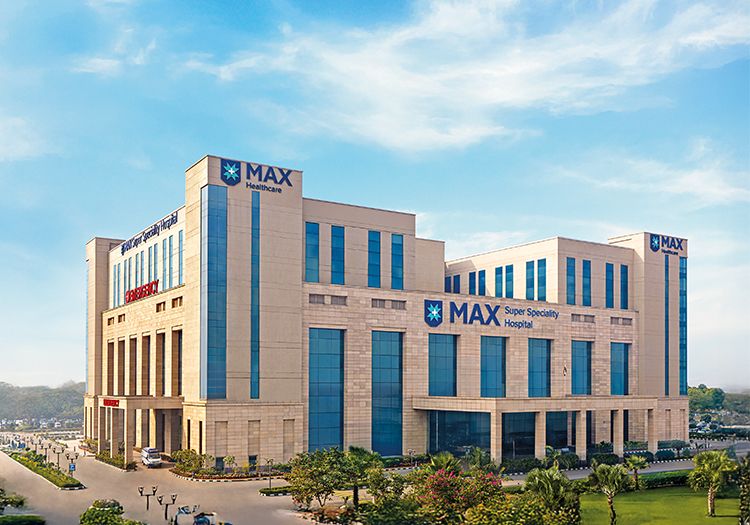
Jaypee Hospital Road, Goberdhanpur, Sector 128, Noida, Uttar Pradesh – 201304, India
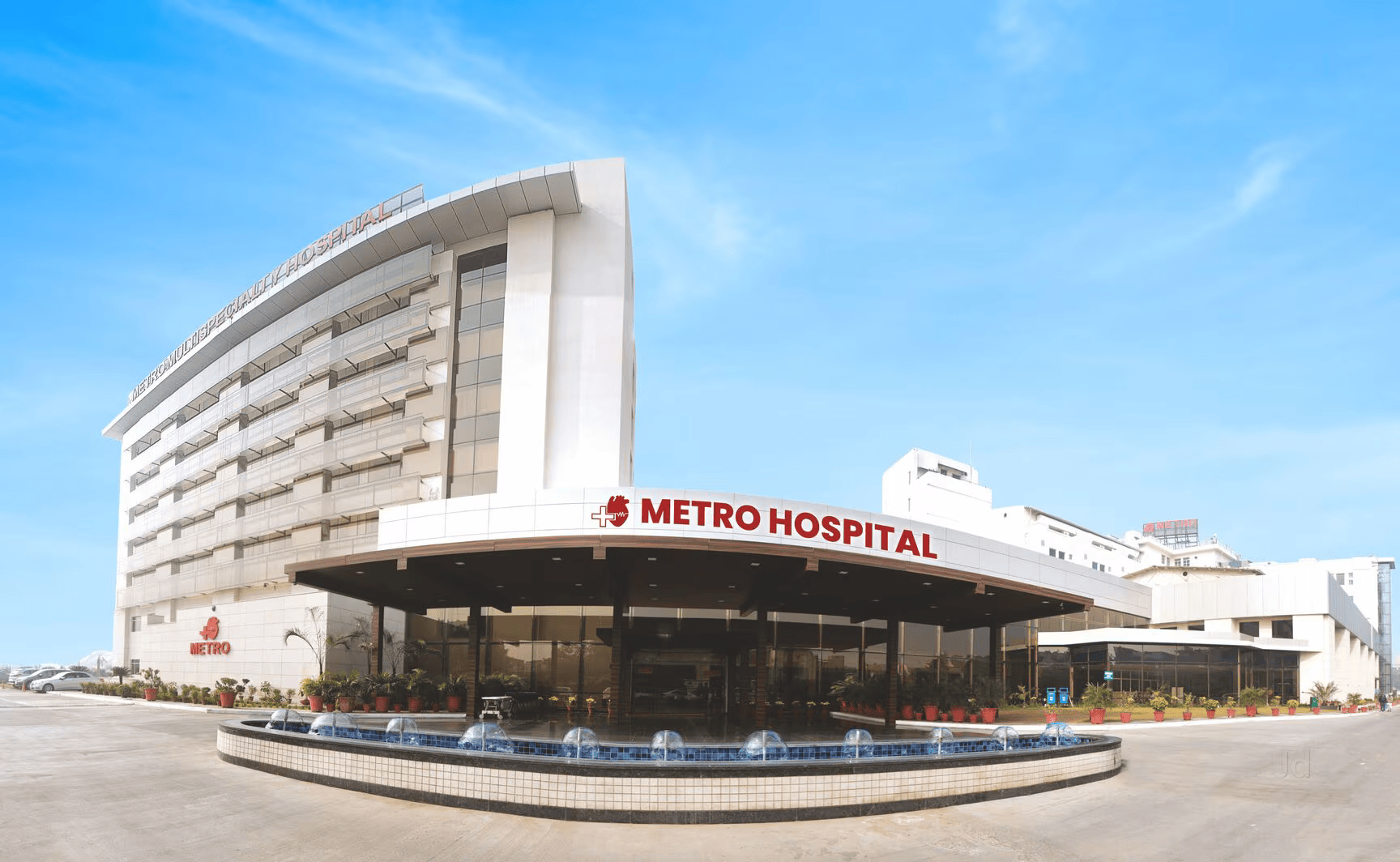
Sector 16A, Faridabad, Haryana – 121002, India
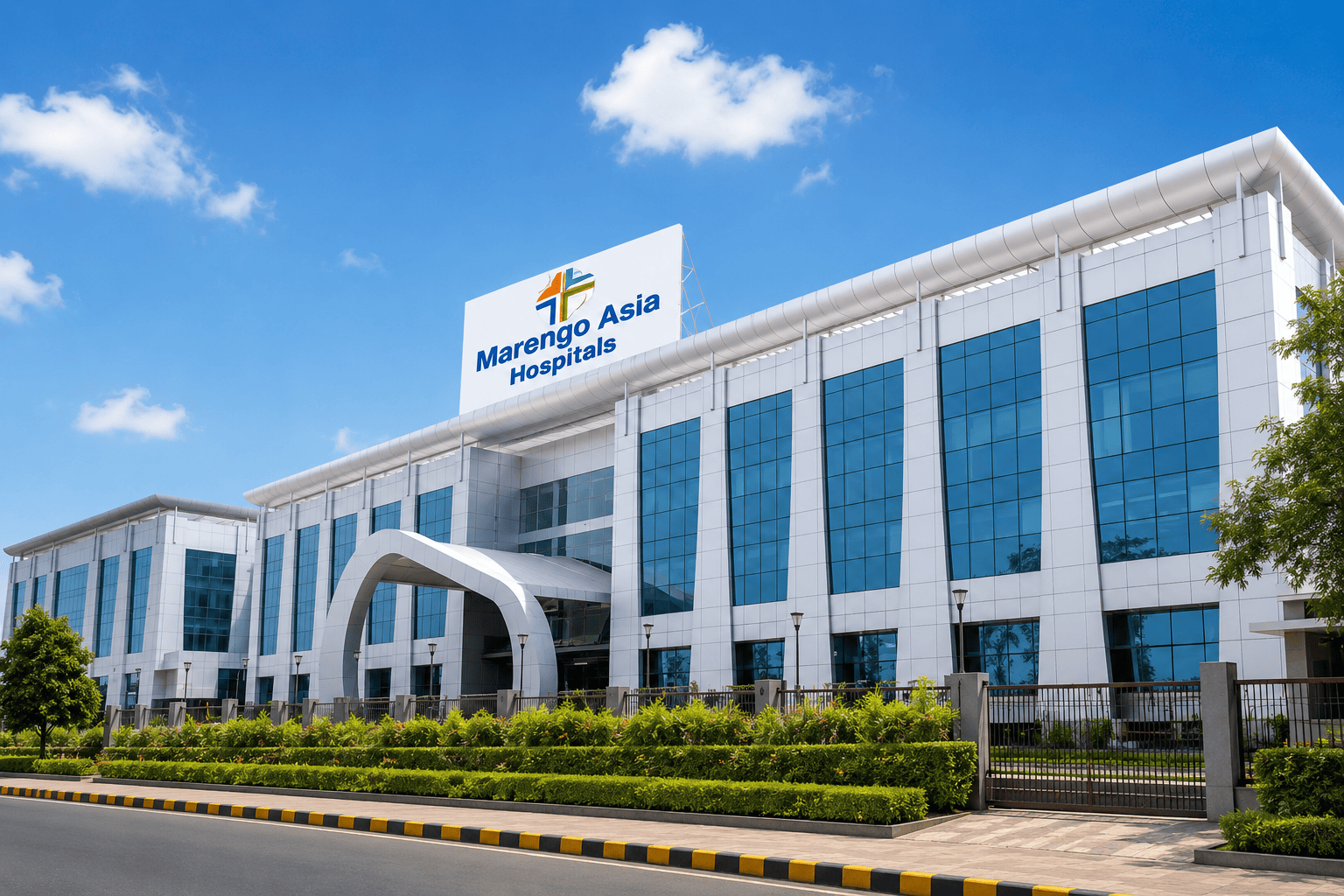
Plot No. 1, HUDA Staff Colony, Sector 16, Faridabad, Haryana – 121002, India
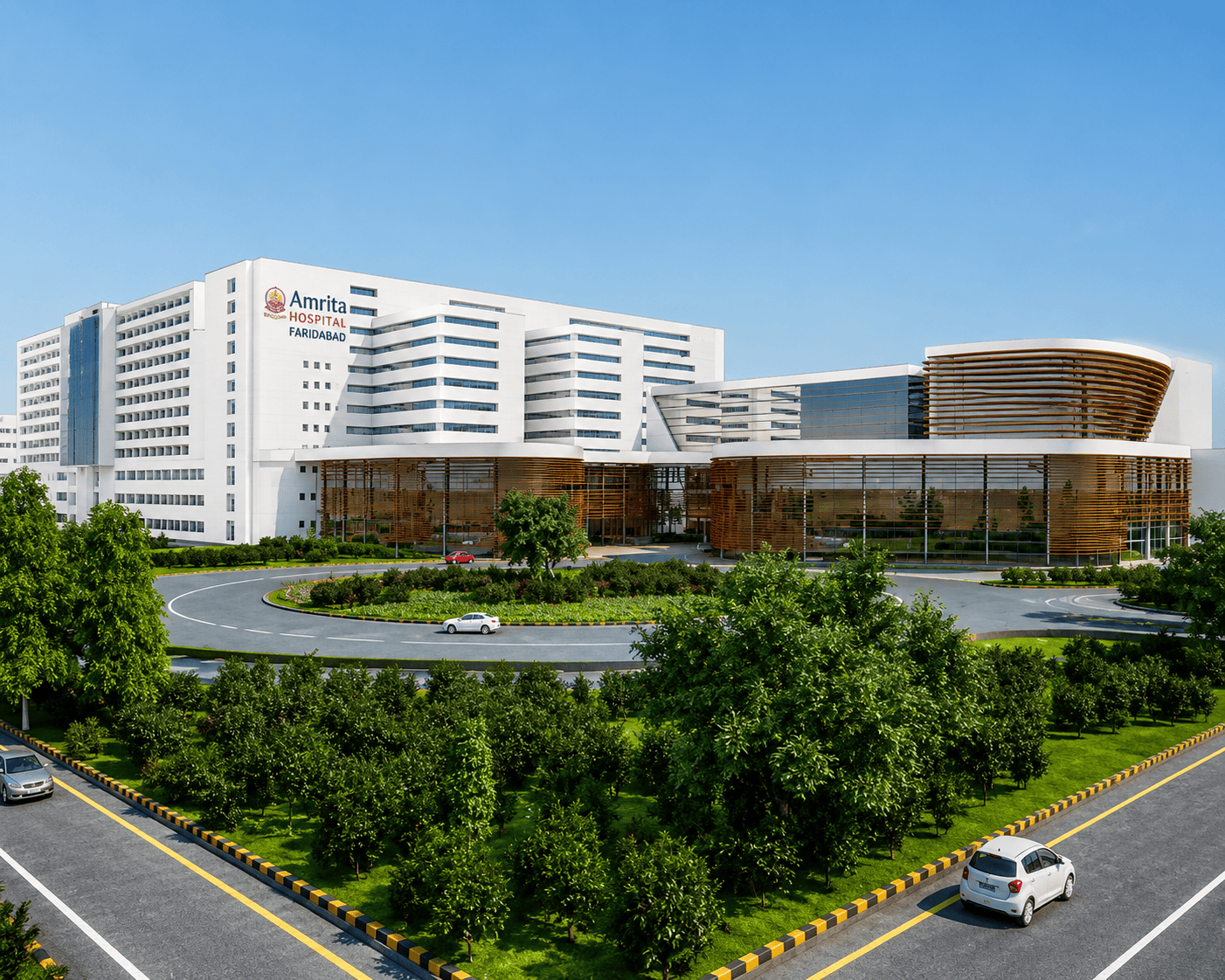
Mata Amritanandamayi Marg, Sector 88, Faridabad, Haryana – 121014, India
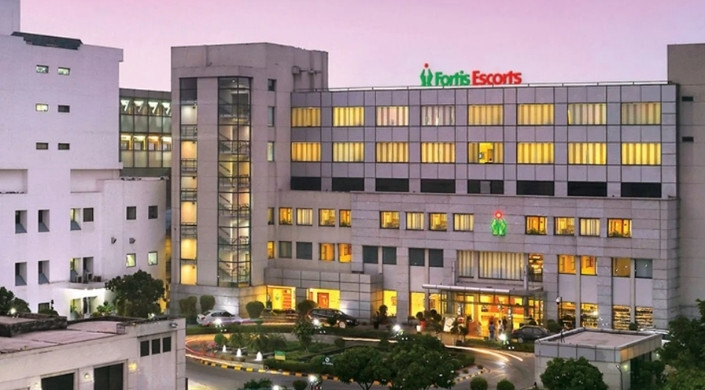
Okhla Road, Opposite Sukhdev Vihar Metro Station, New Delhi – 110025, India
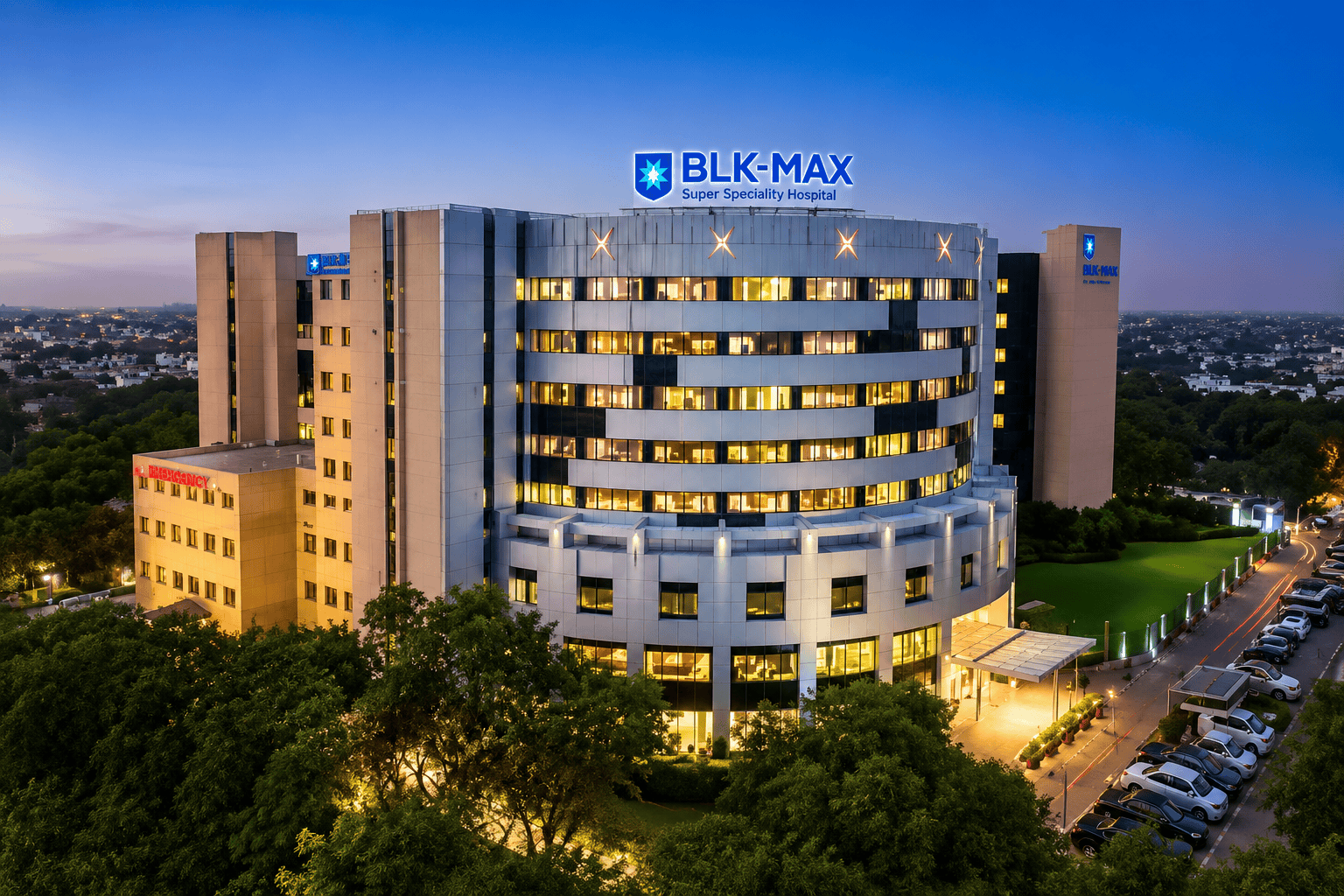
Pusa Road, Rajendra Place, New Delhi – 110005, India
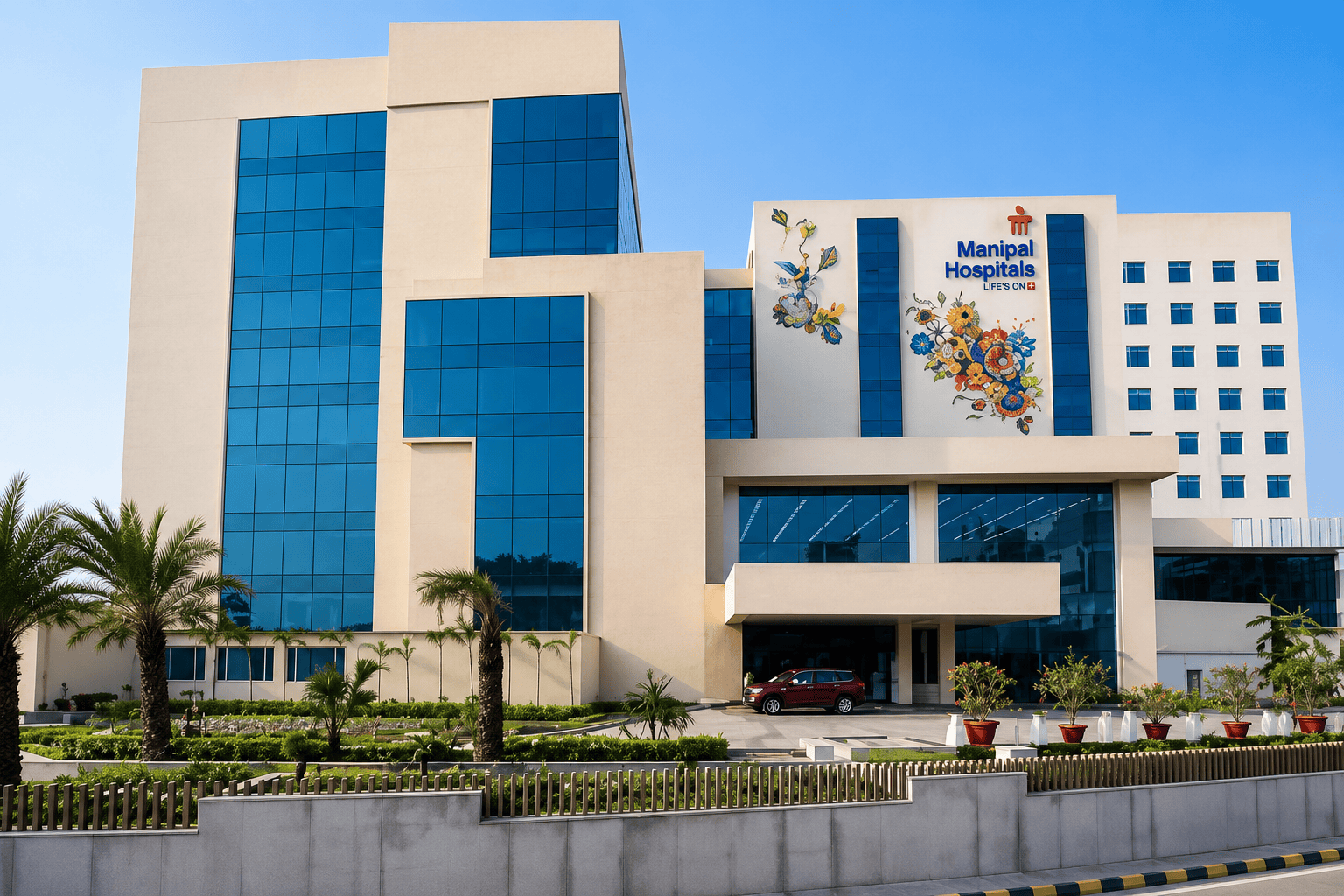
Palam Vihar, Sector 6, Dwarka, New Delhi – 110075, India
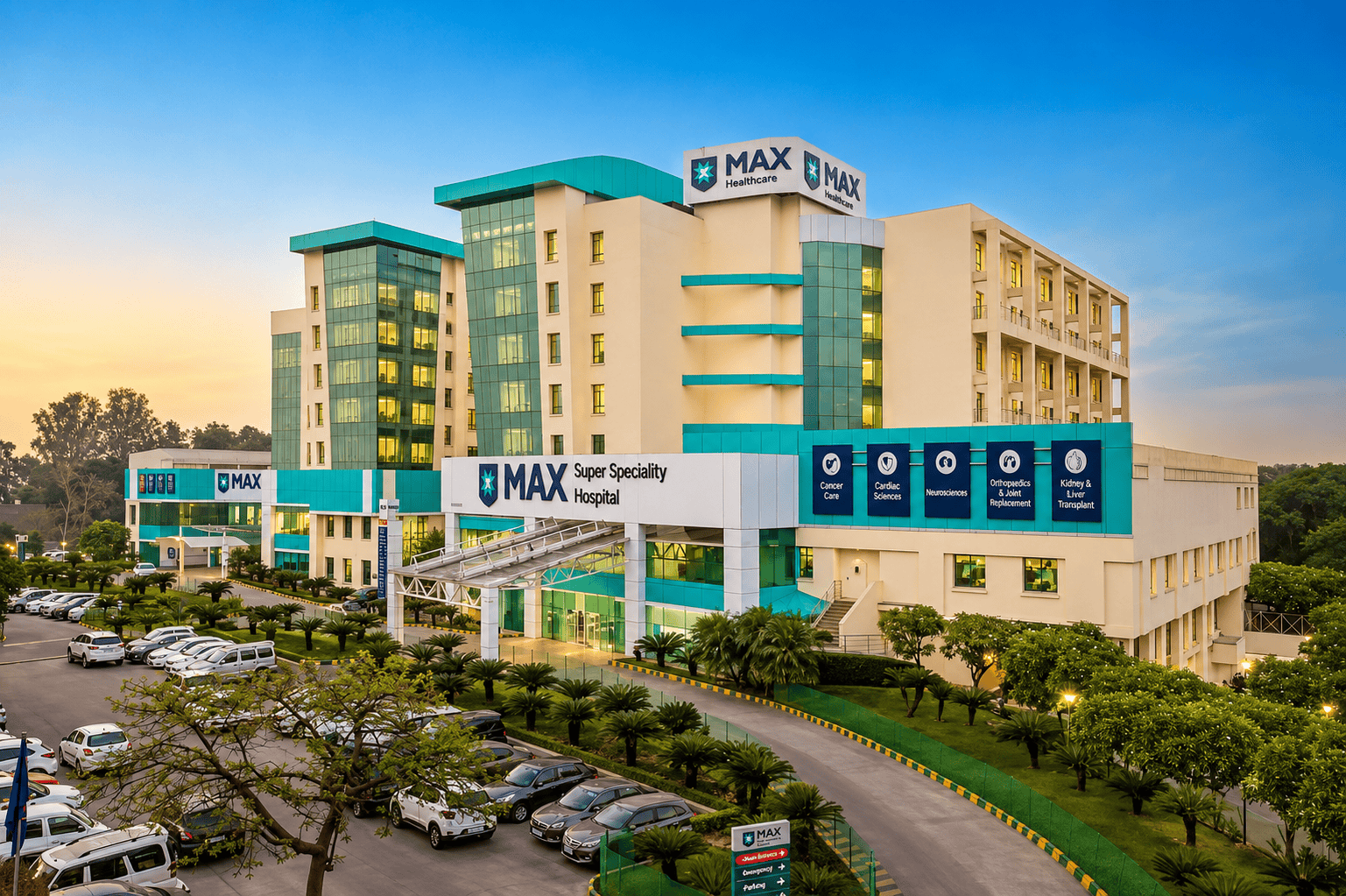
1 & 2, Press Enclave Road, Saket Institutional Area, Saket, New Delhi – 110017, India
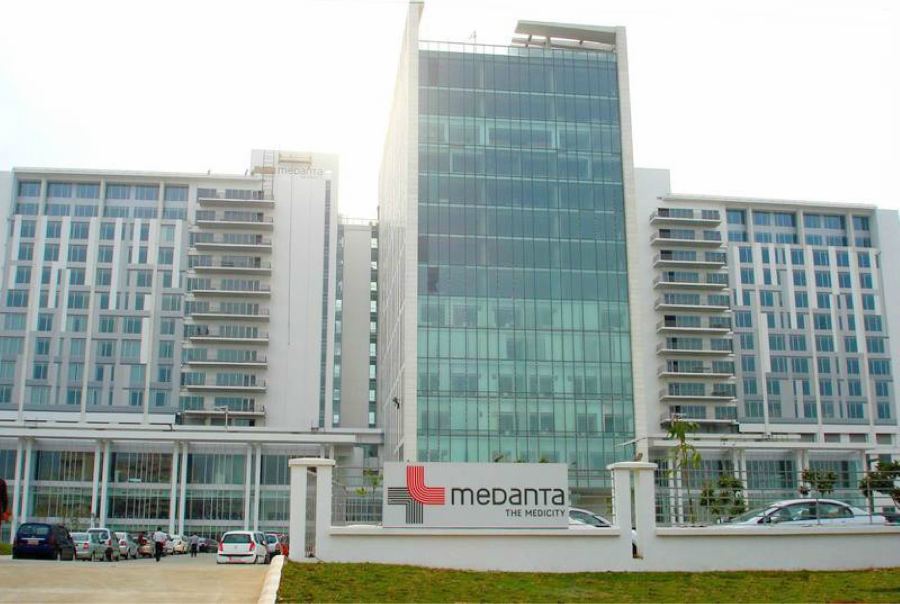
CH Baktawar Singh Road, Sector 38, Gurugram, Haryana – 122001, India
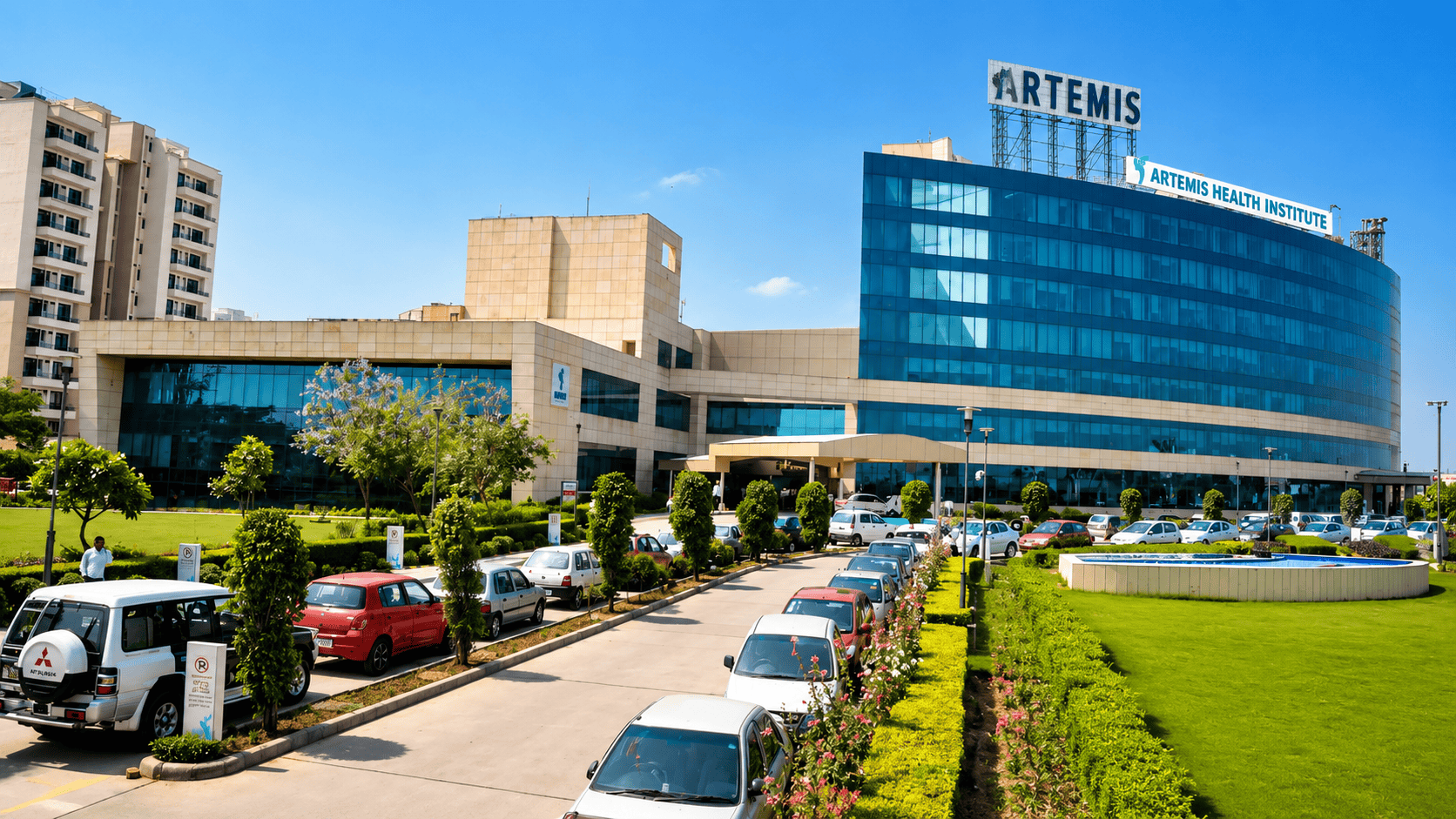
Sector 51, Gurugram, Haryana – 122018, India
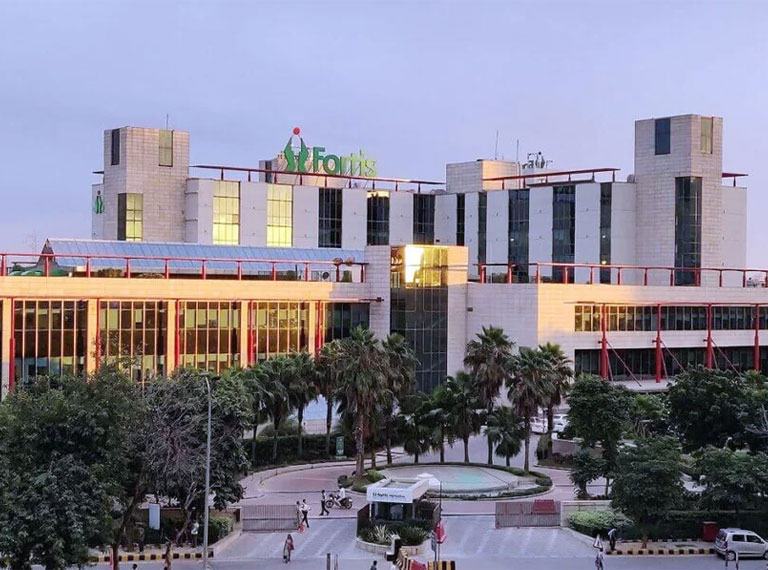
Sector - 44, Gurugram, Haryana – 122002, India
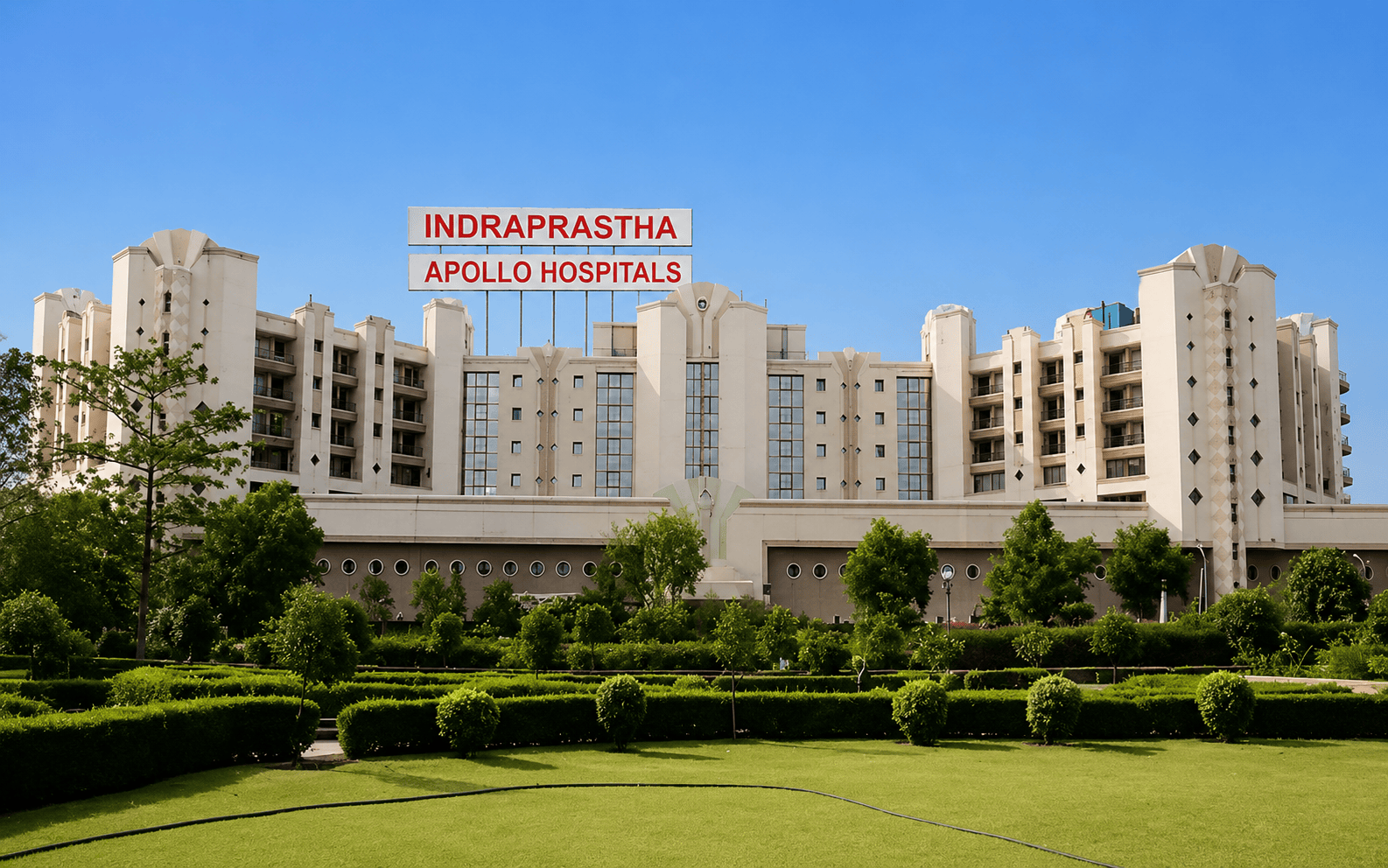
Sarita Vihar, Delhi-Mathura Road, New Delhi – 110076, India