
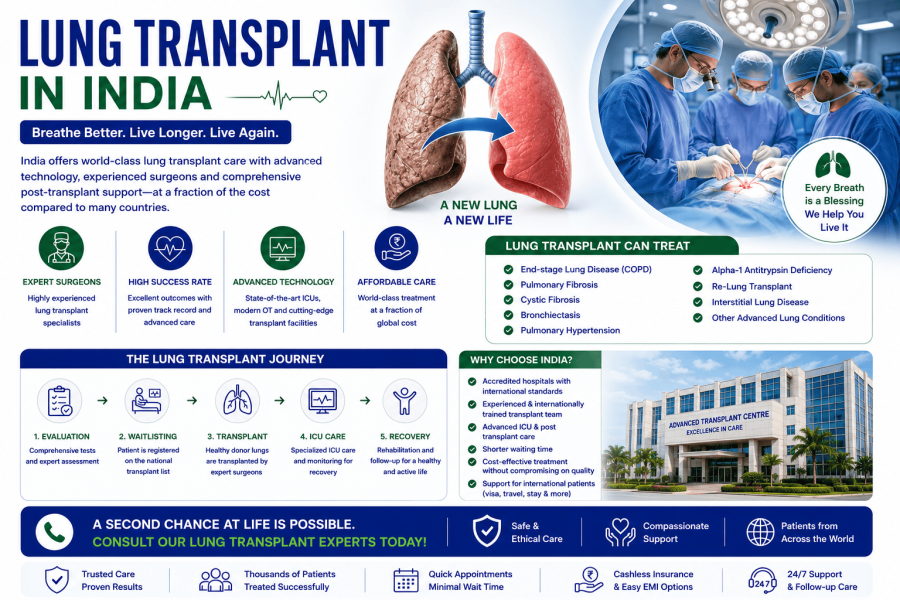
Lung transplant surgery generally takes 6 to 12 hours, depending on whether a single or double lung transplant is performed and the complexity of the procedure.
Patients usually remain hospitalized for 21 to 30 days, including intensive care, respiratory monitoring, pulmonary rehabilitation, and recovery.
General anesthesia is administered throughout the lung transplant procedure.
35,000 to 60,000 USD*
A Lung Transplant is a highly specialized surgical procedure in which one or both diseased lungs are replaced with healthy lungs from a deceased donor. It is considered the most effective treatment for patients with end-stage lung disease who no longer respond to medications, oxygen therapy, pulmonary rehabilitation, or other advanced respiratory treatments. A successful lung transplant can significantly improve breathing, increase physical activity, and restore quality of life.
India has become one of the leading destinations for advanced lung transplantation, offering internationally accredited hospitals, highly experienced thoracic transplant surgeons, advanced intensive care units, and multidisciplinary transplant teams. Every year, patients from Africa, the Middle East, and other parts of the world choose India because of its world-class medical expertise, advanced transplant technology, affordable treatment costs, and comprehensive international patient services.
Recent advancements in lung transplantation have transformed patient outcomes. Leading transplant centers in India now utilize Extracorporeal Membrane Oxygenation (ECMO) for critically ill patients, Ex-Vivo Lung Perfusion (EVLP) to assess and improve donor lungs before transplantation, 3D CT imaging for surgical planning, AI-assisted transplant monitoring, virtual crossmatch technology, next-generation HLA typing, precision immunosuppressive therapy, Enhanced Recovery After Surgery (ERAS) protocols, minimally invasive thoracic surgery, and remote post-transplant follow-up programs. These innovations have improved donor lung utilization, reduced complications, and enhanced long-term survival.
Whether you are suffering from pulmonary fibrosis, chronic obstructive pulmonary disease (COPD), pulmonary hypertension, cystic fibrosis, bronchiectasis, or advanced interstitial lung disease, India offers comprehensive lung transplant care with international standards of quality, ethics, and patient safety.
Patients who may require a lung transplant often experience:
Patients with end-stage lung disease should undergo transplant evaluation before irreversible organ damage develops.
Lung transplantation may become necessary due to:
Before lung transplantation, patients undergo a detailed medical evaluation to determine transplant eligibility and optimize their health.
Pre-transplant investigations may include:
International patients can submit their medical reports online for an expert opinion before travelling to India.
Lung transplantation is performed by a multidisciplinary team consisting of thoracic transplant surgeons, pulmonologists, anesthesiologists, intensivists, infectious disease specialists, physiotherapists, and transplant coordinators.
The donor lungs undergo extensive medical assessment to ensure they are healthy, infection-free, and suitable for transplantation.
The transplant team evaluates the patient's lung disease severity, overall health, and readiness for surgery.
One diseased lung is replaced with a healthy donor lung. This option is suitable for selected patients with specific lung diseases.
Both diseased lungs are replaced. Double lung transplantation is commonly performed for advanced bilateral lung diseases such as cystic fibrosis and severe bronchiectasis.
The diseased lung or lungs are removed and replaced with healthy donor lungs. The new lungs are connected to the patient's airways and blood vessels before normal breathing is restored.
For patients with severe respiratory failure, Extracorporeal Membrane Oxygenation (ECMO) may be used before, during, or after surgery to support heart and lung function.
Personalized medication protocols help reduce the risk of rejection while minimizing long-term side effects.
Recommended for selected patients where replacing one lung provides adequate improvement.
The preferred option for many advanced lung diseases affecting both lungs.
In rare and highly complex cases, both the heart and lungs are transplanted together for patients with severe combined heart and lung disease.
In selected centers and highly specific situations, two healthy living donors each donate a lobe of their lungs to one recipient.
Following lung transplantation, patients receive intensive monitoring to ensure proper lung function and early detection of complications.
Post-transplant care includes:
A successful lung transplant allows many patients to breathe more comfortably, improve physical endurance, and regain independence in daily life. Most patients notice a significant improvement in exercise capacity, oxygen levels, and overall quality of life after recovery.
Leading lung transplant centers in India combine advanced surgical expertise, modern intensive care, structured pulmonary rehabilitation, and precision immunosuppressive therapy to support excellent long-term outcomes. With regular follow-up, healthy lifestyle practices, medication adherence, and pulmonary rehabilitation, many patients continue to enjoy active and productive lives for many years after transplantation.
Patients who may require a lung transplant often experience:
Patients with end-stage lung disease should undergo transplant evaluation before irreversible organ damage develops.
Lung transplantation may become necessary due to:
Before lung transplantation, patients undergo a detailed medical evaluation to determine transplant eligibility and optimize their health.
Pre-transplant investigations may include:
International patients can submit their medical reports online for an expert opinion before travelling to India.
Lung transplantation is performed by a multidisciplinary team consisting of thoracic transplant surgeons, pulmonologists, anesthesiologists, intensivists, infectious disease specialists, physiotherapists, and transplant coordinators.
The donor lungs undergo extensive medical assessment to ensure they are healthy, infection-free, and suitable for transplantation.
The transplant team evaluates the patient's lung disease severity, overall health, and readiness for surgery.
One diseased lung is replaced with a healthy donor lung. This option is suitable for selected patients with specific lung diseases.
Both diseased lungs are replaced. Double lung transplantation is commonly performed for advanced bilateral lung diseases such as cystic fibrosis and severe bronchiectasis.
The diseased lung or lungs are removed and replaced with healthy donor lungs. The new lungs are connected to the patient's airways and blood vessels before normal breathing is restored.
For patients with severe respiratory failure, Extracorporeal Membrane Oxygenation (ECMO) may be used before, during, or after surgery to support heart and lung function.
Personalized medication protocols help reduce the risk of rejection while minimizing long-term side effects.
Following lung transplantation, patients receive intensive monitoring to ensure proper lung function and early detection of complications.
Post-transplant care includes:
A successful lung transplant allows many patients to breathe more comfortably, improve physical endurance, and regain independence in daily life. Most patients notice a significant improvement in exercise capacity, oxygen levels, and overall quality of life after recovery.
Leading lung transplant centers in India combine advanced surgical expertise, modern intensive care, structured pulmonary rehabilitation, and precision immunosuppressive therapy to support excellent long-term outcomes. With regular follow-up, healthy lifestyle practices, medication adherence, and pulmonary rehabilitation, many patients continue to enjoy active and productive lives for many years after transplantation.
Yes. Lung transplantation in India is significantly more affordable than in many developed countries while maintaining international standards of transplant care.
Patients with end-stage lung disease who no longer respond to medical treatment may be considered after comprehensive transplant evaluation.
Recent advancements include ECMO support, Ex-Vivo Lung Perfusion (EVLP), AI-assisted transplant monitoring, precision immunosuppressive therapy, advanced donor lung preservation, minimally invasive thoracic surgery, and remote follow-up programs.
Yes. Eligible international patients can undergo lung transplantation after completing the required medical evaluation and legal processes, subject to donor lung availability and applicable regulations.
Many transplanted lungs function successfully for many years with proper medications, routine monitoring, pulmonary rehabilitation, and healthy lifestyle practices.
Yes. Most leading transplant hospitals provide assistance with treatment planning, medical visas, accommodation, airport transfers, interpreters, rehabilitation, and long-term follow-up.

Jaypee Hospital Road, Goberdhanpur, Sector 128, Noida, Uttar Pradesh – 201304, India
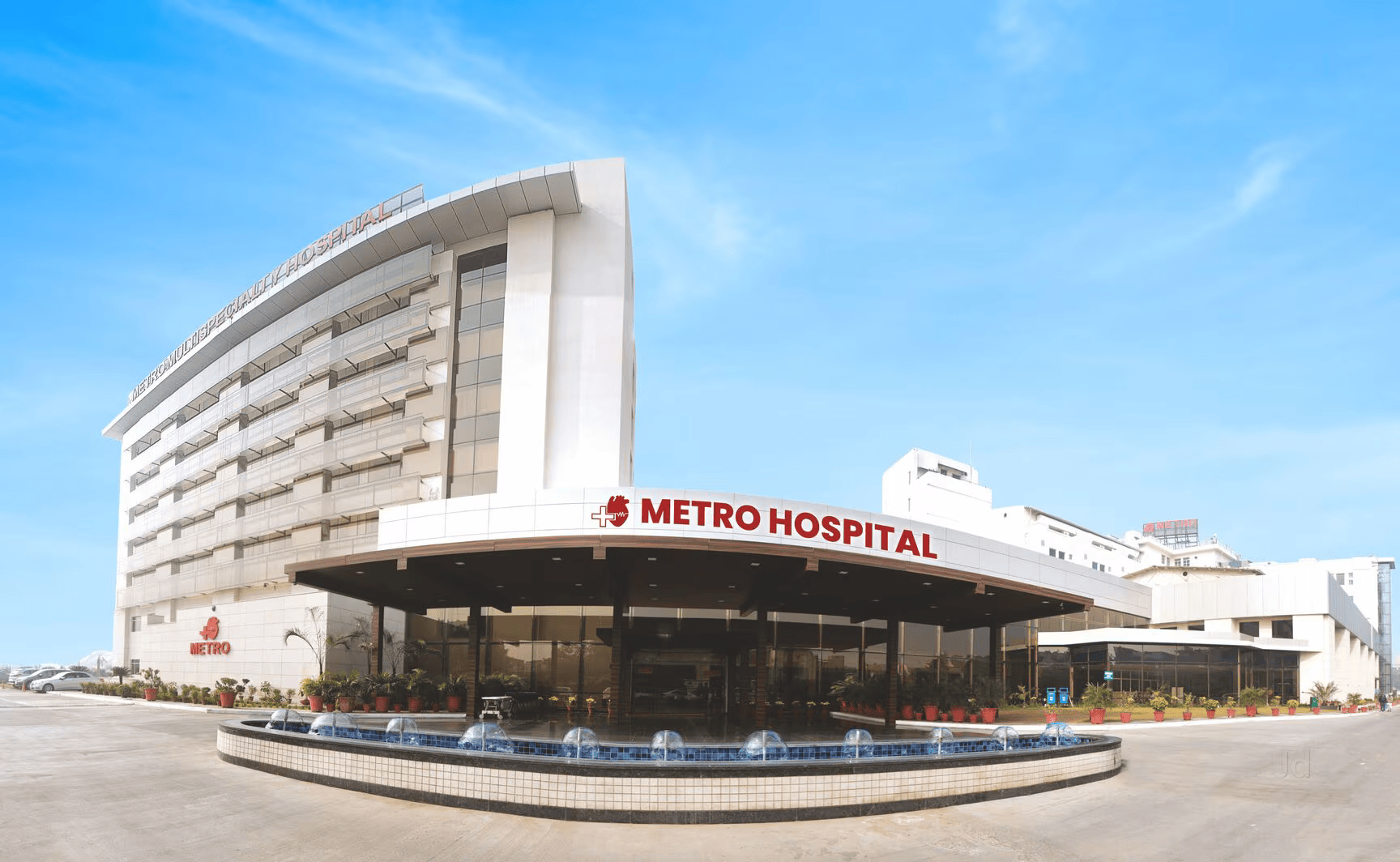
Sector 16A, Faridabad, Haryana – 121002, India
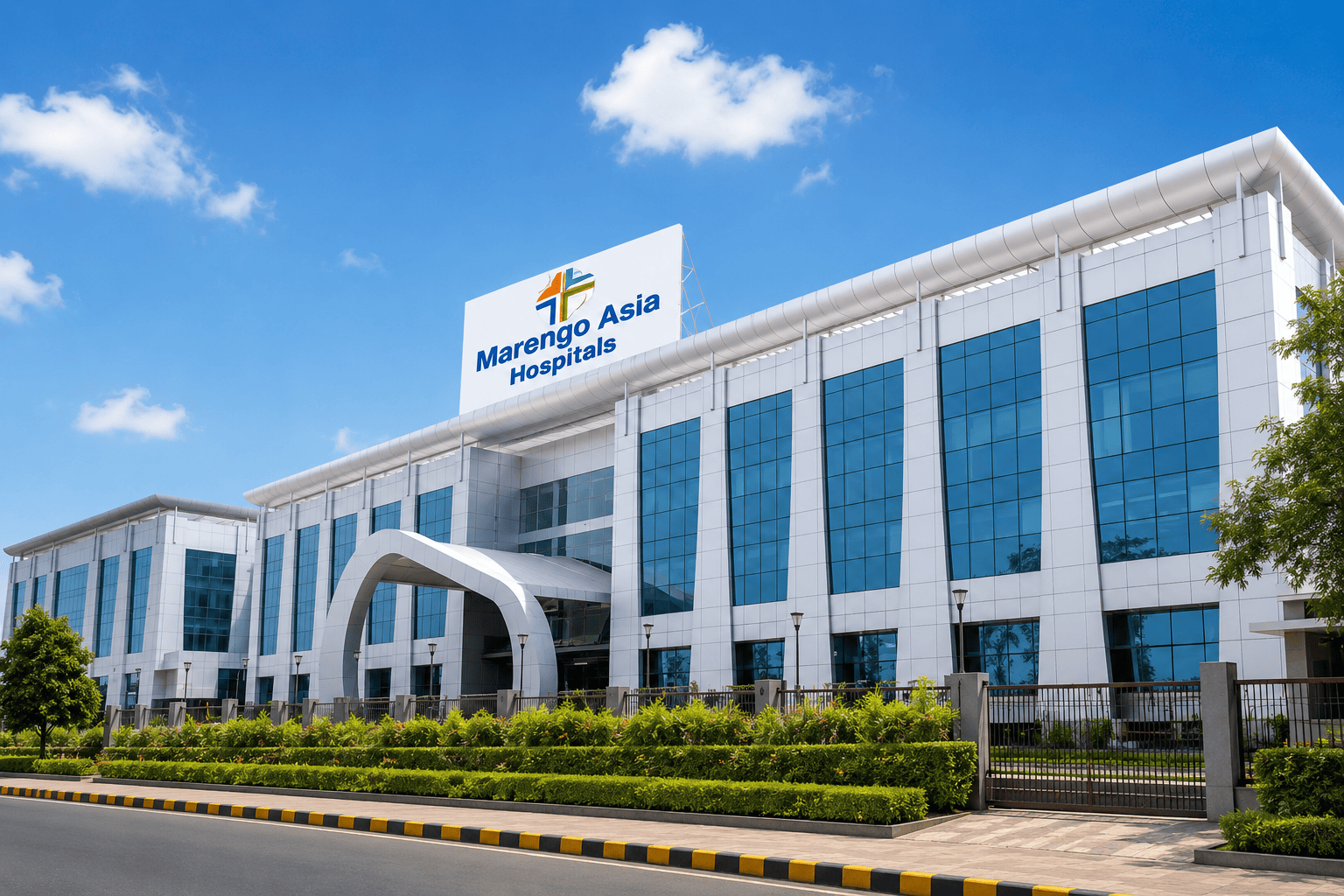
Plot No. 1, HUDA Staff Colony, Sector 16, Faridabad, Haryana – 121002, India

Mata Amritanandamayi Marg, Sector 88, Faridabad, Haryana – 121014, India

Okhla Road, Opposite Sukhdev Vihar Metro Station, New Delhi – 110025, India

Pusa Road, Rajendra Place, New Delhi – 110005, India

Palam Vihar, Sector 6, Dwarka, New Delhi – 110075, India
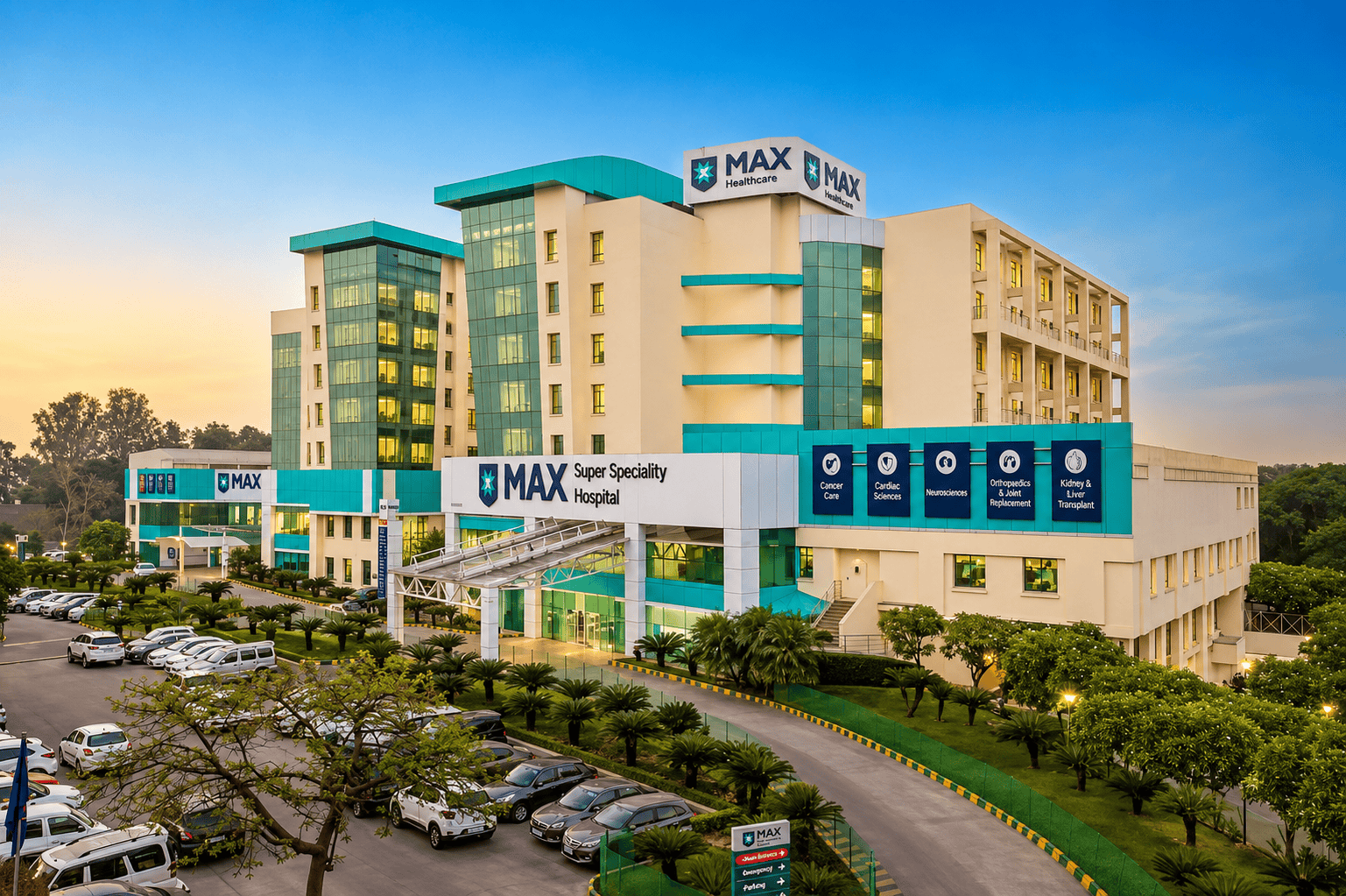
1 & 2, Press Enclave Road, Saket Institutional Area, Saket, New Delhi – 110017, India

CH Baktawar Singh Road, Sector 38, Gurugram, Haryana – 122001, India
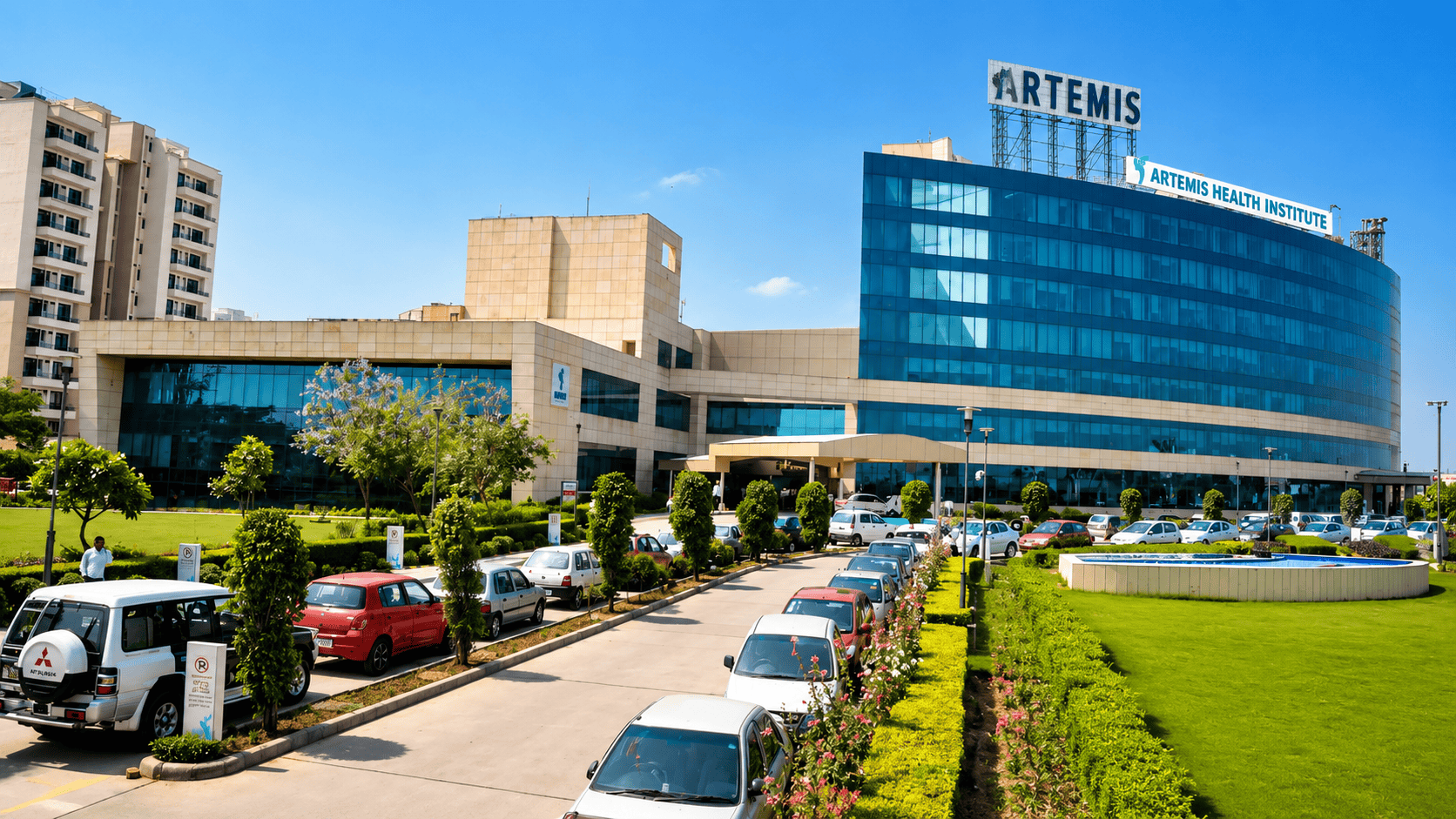
Sector 51, Gurugram, Haryana – 122018, India
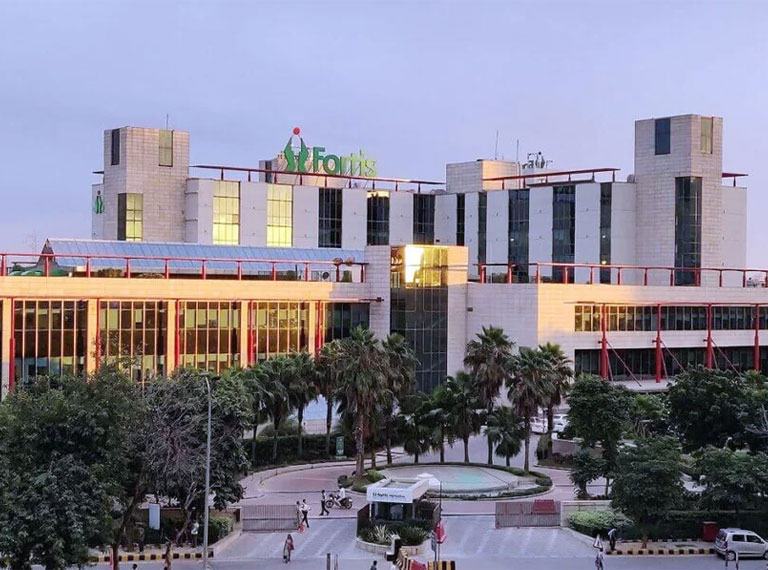
Sector - 44, Gurugram, Haryana – 122002, India
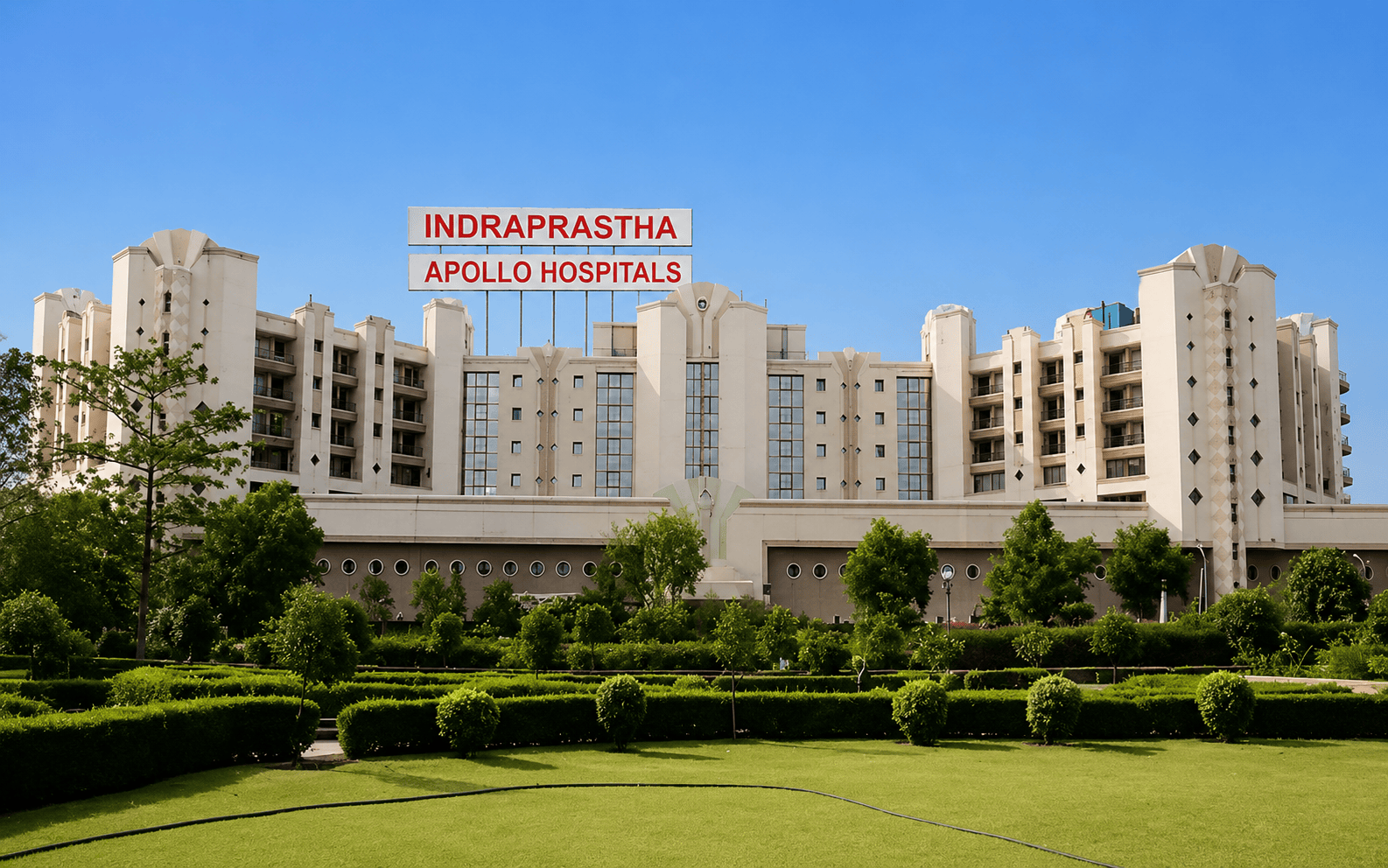
Sarita Vihar, Delhi-Mathura Road, New Delhi – 110076, India