
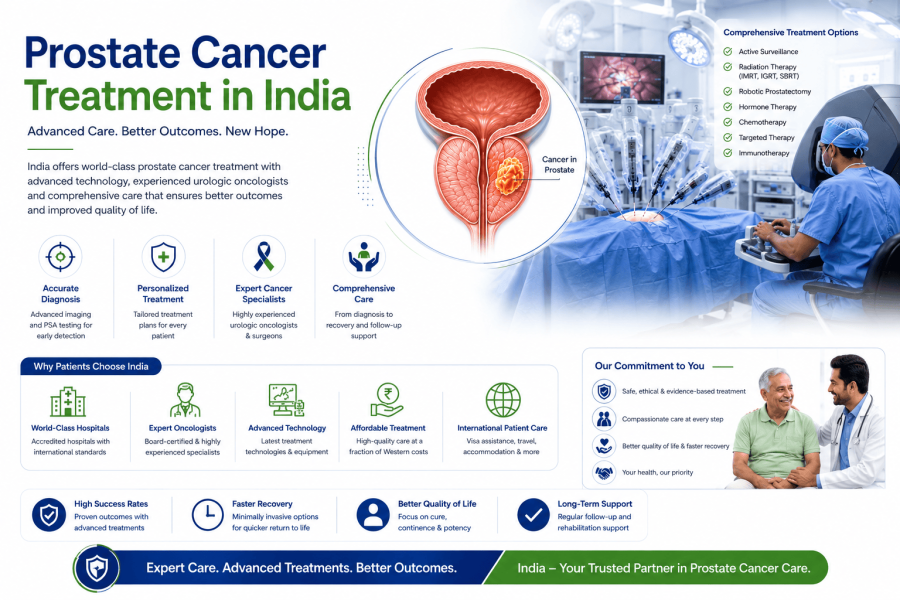
Treatment duration depends on the chosen approach. Robot-assisted prostate surgery usually takes 2 to 4 hours, while radiation therapy may be delivered over 1 to 8 weeks, depending on the treatment protocol.
Patients undergoing robotic surgery usually remain hospitalized for 2 to 5 days. Radiation therapy is generally provided on an outpatient basis.
General anesthesia is used for prostate cancer surgery. Radiation therapy and most medical treatments generally do not require anesthesia.
5,000 to 22,000 USD*
Prostate cancer is one of the most common cancers affecting men, particularly those over the age of 50. It develops in the prostate gland, a small gland located below the bladder that produces seminal fluid. When diagnosed early, prostate cancer is highly treatable, and many patients achieve excellent long-term survival with modern treatment options.
India has become one of the world's leading destinations for advanced and affordable prostate cancer treatment. International patients choose India because of its internationally accredited cancer hospitals, experienced uro-oncologists, robotic surgeons, advanced radiation therapy centers, and personalized cancer care at a fraction of the cost compared to many developed countries.
Recent advancements in prostate cancer treatment have transformed patient outcomes. Leading hospitals now offer Robot-Assisted Radical Prostatectomy (RARP), PSMA PET-CT imaging, MRI Fusion-Guided Prostate Biopsy, Intensity-Modulated Radiation Therapy (IMRT), Image-Guided Radiation Therapy (IGRT), Stereotactic Body Radiation Therapy (SBRT), High-Dose Rate (HDR) Brachytherapy, Precision Hormonal Therapy, Targeted Therapy, Immunotherapy (selected patients), Genomic Testing, and AI-assisted treatment planning. These innovations improve cancer control while preserving urinary continence, erectile function, and overall quality of life whenever possible.
Whether you have localized prostate cancer, recurrent prostate cancer, or advanced metastatic disease, India offers comprehensive prostate cancer care supported by international standards of quality, safety, and compassionate patient care.
Early-stage prostate cancer may not cause noticeable symptoms. As the disease progresses, patients may experience:
Men above the age of 50 or those with a family history should undergo regular prostate screening.
Several factors increase the risk of prostate cancer, including:
Early screening significantly improves treatment outcomes.
Before treatment, patients undergo comprehensive evaluation to determine the stage and extent of the disease.
Diagnostic tests may include:
International patients can submit their medical reports online to receive an expert opinion before travelling to India.
Treatment is individualized according to the cancer stage, Gleason score, PSA level, age, and overall health.
Suitable for carefully selected patients with very low-risk prostate cancer where the disease is closely monitored with regular PSA tests, MRI scans, and biopsies.
One of the most advanced surgical treatments using robotic technology to remove the prostate gland with greater precision, less blood loss, faster recovery, and improved preservation of urinary and sexual function.
Depending on the patient's condition, surgeons may perform minimally invasive laparoscopic surgery or conventional open surgery.
Modern techniques such as IMRT, IGRT, SBRT, and VMAT deliver highly accurate radiation while minimizing damage to surrounding organs.
Radioactive seeds are implanted directly into the prostate to deliver targeted radiation for selected early-stage cancers.
Androgen deprivation therapy (ADT) helps slow cancer growth by reducing testosterone levels.
Recommended for advanced or metastatic prostate cancer when appropriate.
Selected patients with advanced or genetically driven prostate cancer may benefit from targeted medications or immunotherapy.
Robot-assisted or conventional radical prostatectomy for localized disease.
External beam radiation therapy or brachytherapy depending on tumor stage.
Hormone therapy, chemotherapy, targeted therapy, and immunotherapy for advanced disease.
Some patients receive surgery followed by radiation or hormone therapy for better cancer control.
After treatment, patients receive regular follow-up to monitor recovery and detect any recurrence.
Post-treatment care includes:
Most patients successfully return to normal daily life after treatment. Advances in robotic surgery, precision radiation therapy, and modern medications have significantly improved survival while reducing treatment-related side effects.
Regular PSA monitoring, healthy lifestyle choices, physical activity, and routine follow-up with a uro-oncologist play an important role in maintaining long-term health and early detection of recurrence. Many patients continue to enjoy an active and productive life for years after successful treatment.
Early-stage prostate cancer may not cause noticeable symptoms. As the disease progresses, patients may experience:
Men above the age of 50 or those with a family history should undergo regular prostate screening.
Several factors increase the risk of prostate cancer, including:
Early screening significantly improves treatment outcomes.
Before treatment, patients undergo comprehensive evaluation to determine the stage and extent of the disease.
Diagnostic tests may include:
International patients can submit their medical reports online to receive an expert opinion before travelling to India.
Treatment is individualized according to the cancer stage, Gleason score, PSA level, age, and overall health.
Suitable for carefully selected patients with very low-risk prostate cancer where the disease is closely monitored with regular PSA tests, MRI scans, and biopsies.
One of the most advanced surgical treatments using robotic technology to remove the prostate gland with greater precision, less blood loss, faster recovery, and improved preservation of urinary and sexual function.
Depending on the patient's condition, surgeons may perform minimally invasive laparoscopic surgery or conventional open surgery.
Modern techniques such as IMRT, IGRT, SBRT, and VMAT deliver highly accurate radiation while minimizing damage to surrounding organs.
Radioactive seeds are implanted directly into the prostate to deliver targeted radiation for selected early-stage cancers.
Androgen deprivation therapy (ADT) helps slow cancer growth by reducing testosterone levels.
Recommended for advanced or metastatic prostate cancer when appropriate.
Selected patients with advanced or genetically driven prostate cancer may benefit from targeted medications or immunotherapy.
After treatment, patients receive regular follow-up to monitor recovery and detect any recurrence.
Post-treatment care includes:
Most patients successfully return to normal daily life after treatment. Advances in robotic surgery, precision radiation therapy, and modern medications have significantly improved survival while reducing treatment-related side effects.
Regular PSA monitoring, healthy lifestyle choices, physical activity, and routine follow-up with a uro-oncologist play an important role in maintaining long-term health and early detection of recurrence. Many patients continue to enjoy an active and productive life for years after successful treatment.
Yes. Prostate cancer treatment in India is considerably more affordable than in many developed countries while maintaining international standards of oncology care.
Recent advancements include Robot-Assisted Radical Prostatectomy (RARP), PSMA PET-CT imaging, MRI Fusion Biopsy, IMRT, SBRT, AI-assisted treatment planning, genomic testing, targeted therapy, and immunotherapy.
Yes. Many patients with localized prostate cancer can be successfully treated, especially when diagnosed early.
Yes. Many leading cancer hospitals in India offer robotic-assisted prostate surgery with excellent cancer control and faster recovery.
Yes. International patients receive complete support including online consultations, medical visas, airport transfers, accommodation assistance, interpreter services, and long-term follow-up.
The follow-up schedule depends on the treatment received and individual risk factors. Your treating specialist will recommend a personalized PSA monitoring plan.
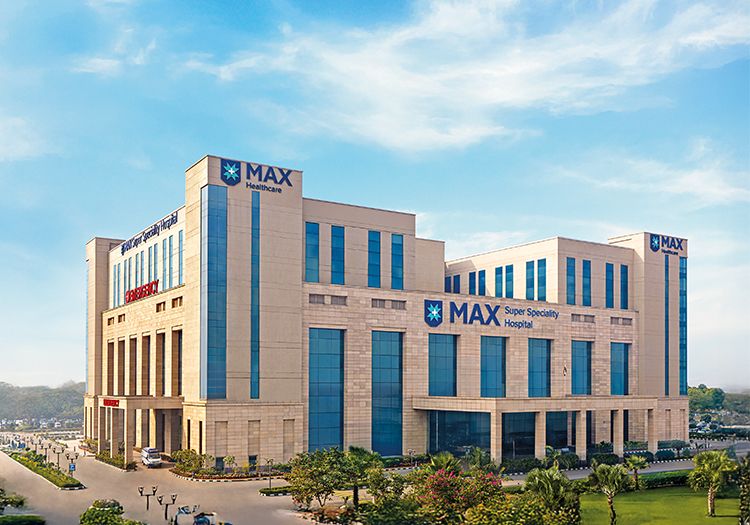
Jaypee Hospital Road, Goberdhanpur, Sector 128, Noida, Uttar Pradesh – 201304, India
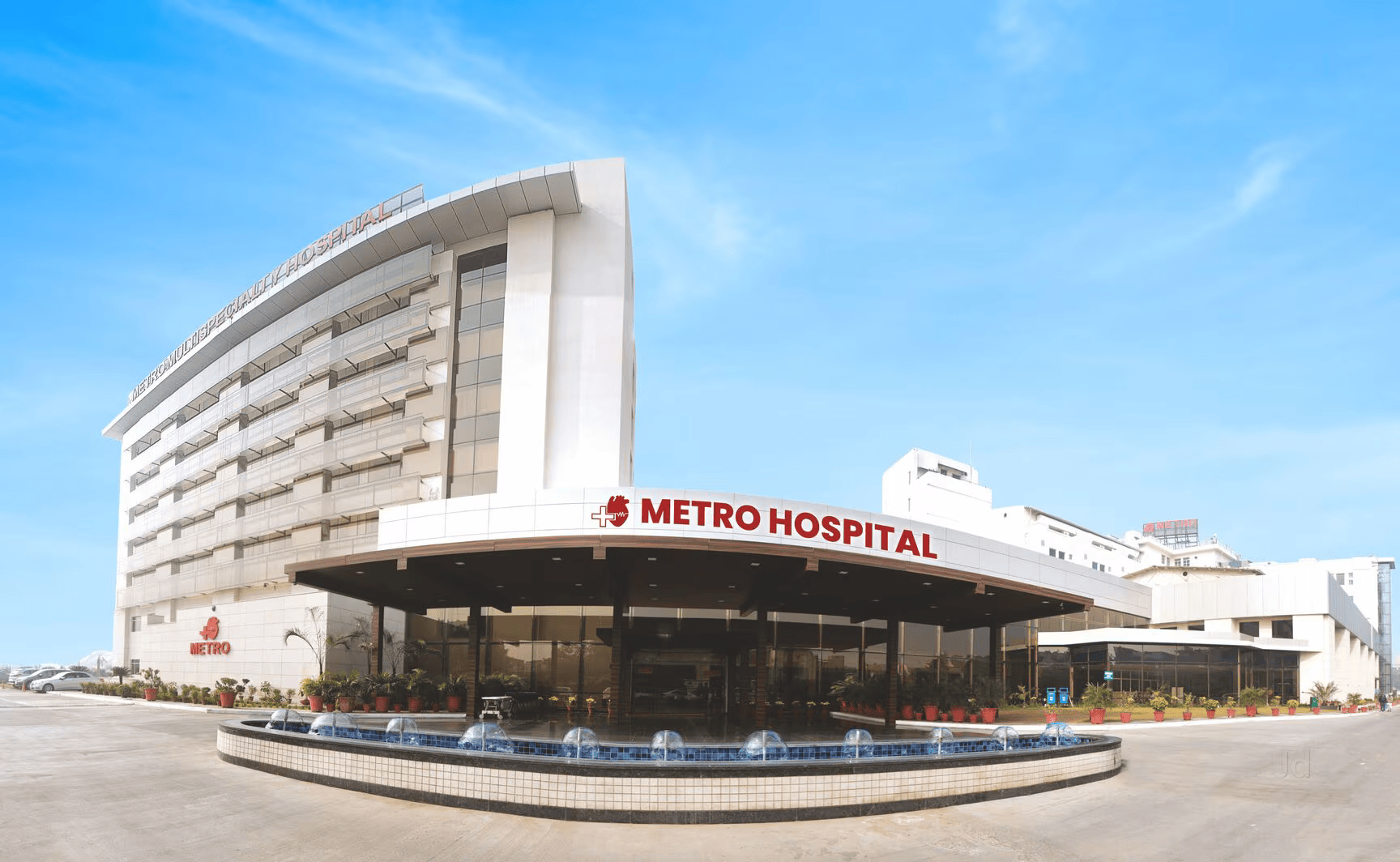
Sector 16A, Faridabad, Haryana – 121002, India
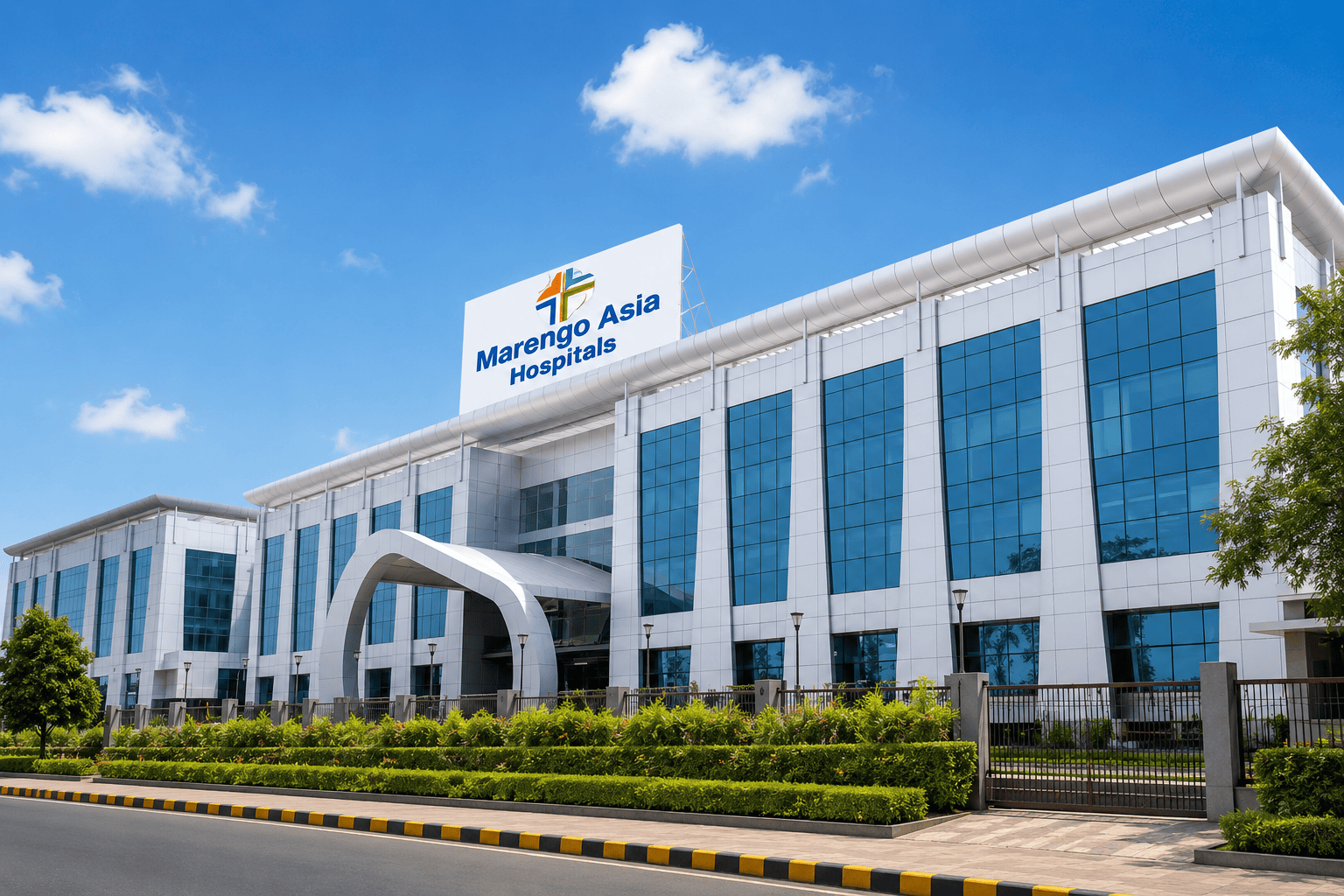
Plot No. 1, HUDA Staff Colony, Sector 16, Faridabad, Haryana – 121002, India

Mata Amritanandamayi Marg, Sector 88, Faridabad, Haryana – 121014, India
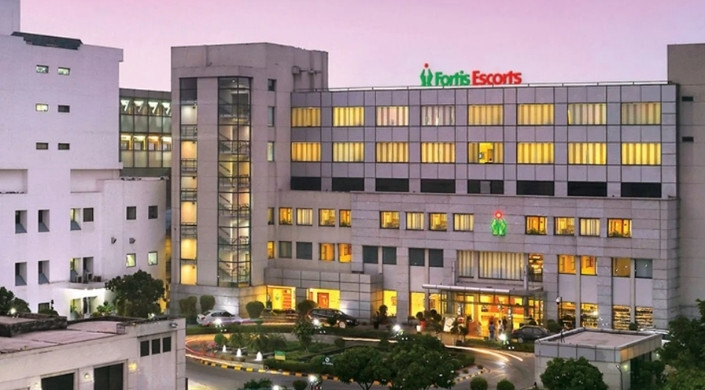
Okhla Road, Opposite Sukhdev Vihar Metro Station, New Delhi – 110025, India

Pusa Road, Rajendra Place, New Delhi – 110005, India
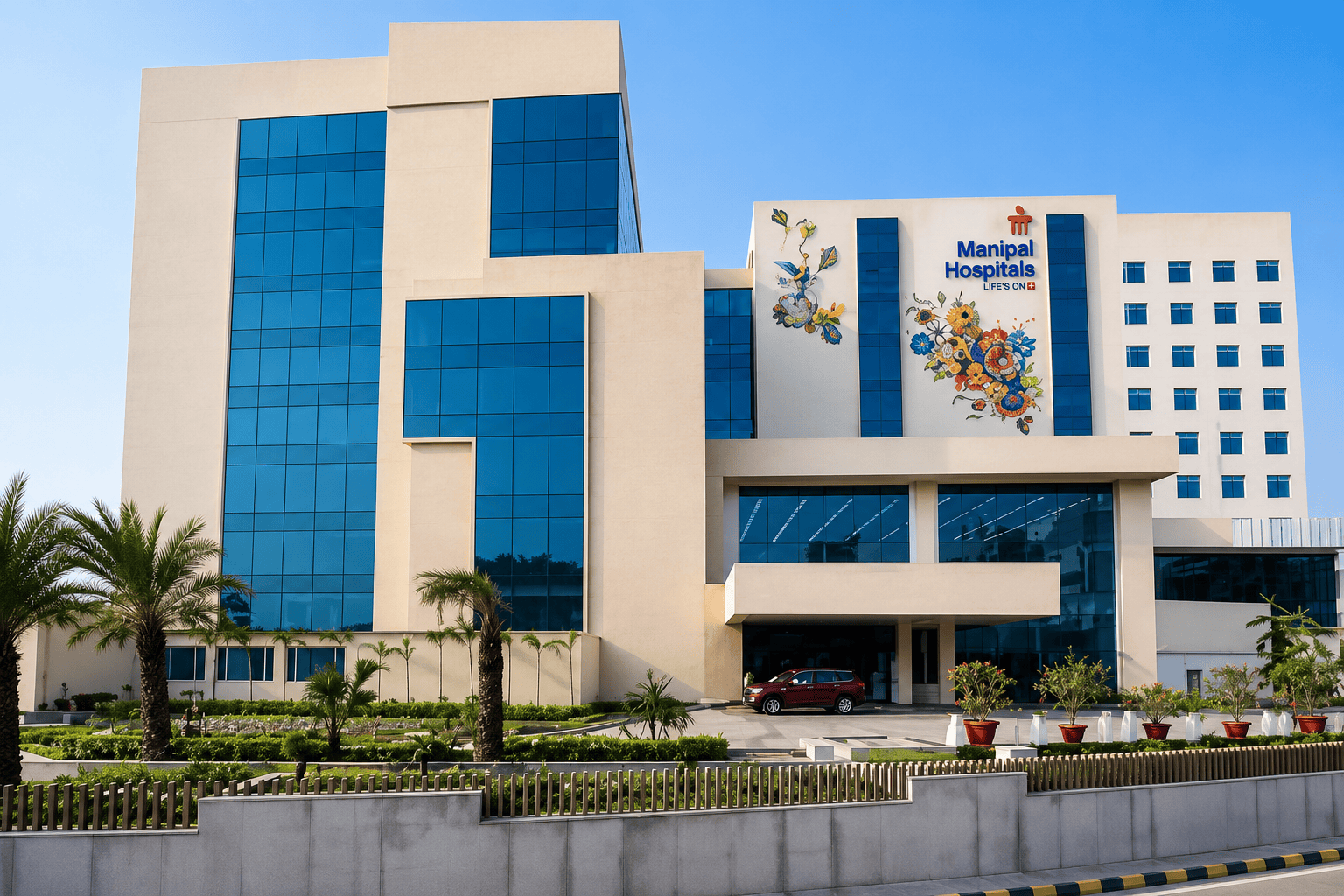
Palam Vihar, Sector 6, Dwarka, New Delhi – 110075, India
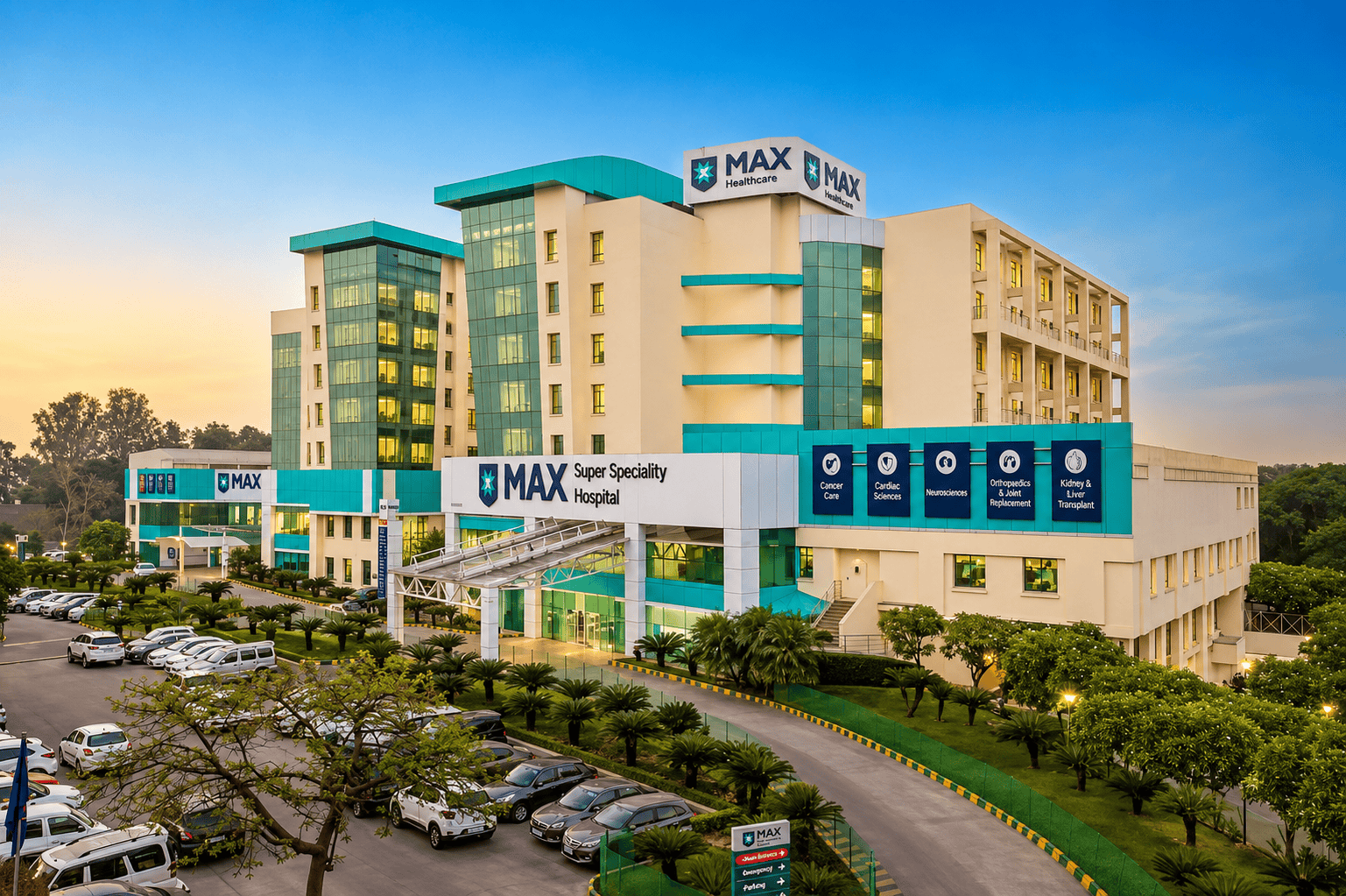
1 & 2, Press Enclave Road, Saket Institutional Area, Saket, New Delhi – 110017, India

CH Baktawar Singh Road, Sector 38, Gurugram, Haryana – 122001, India
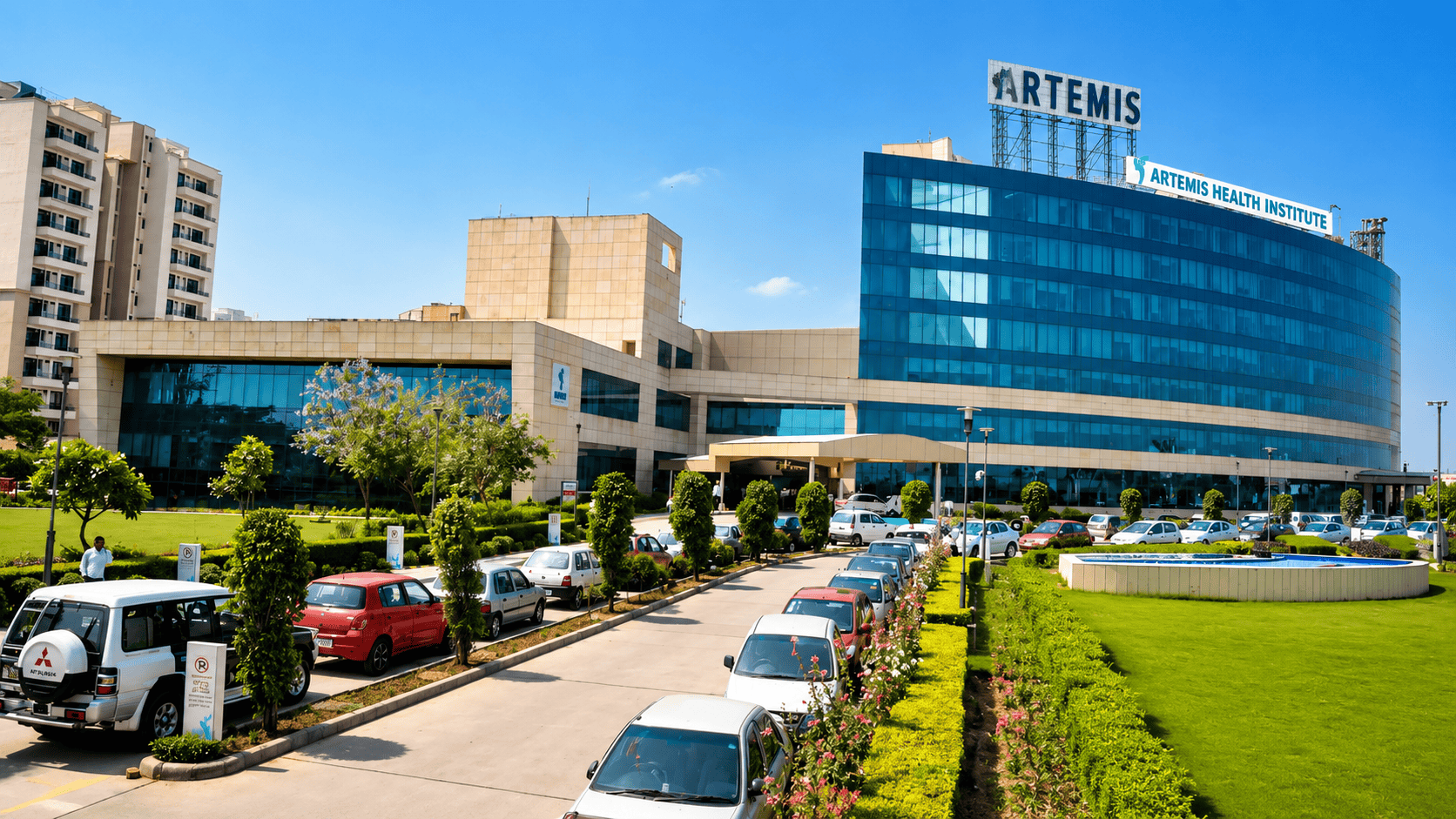
Sector 51, Gurugram, Haryana – 122018, India
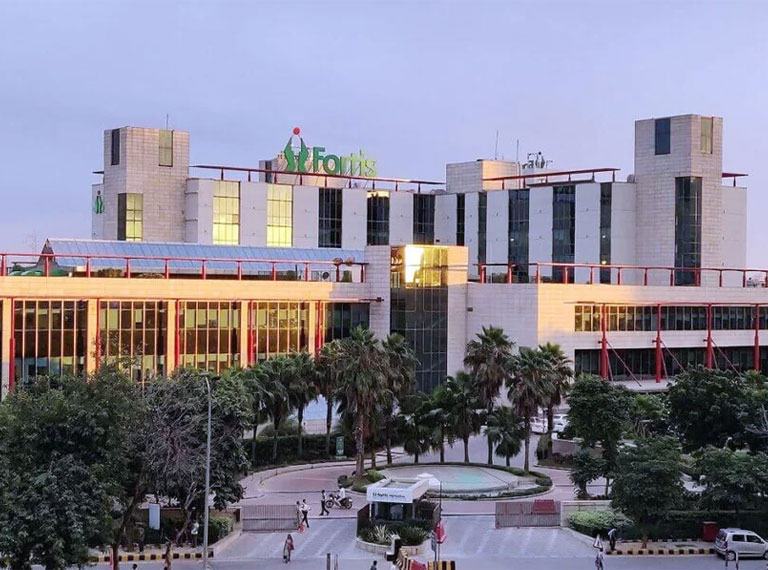
Sector - 44, Gurugram, Haryana – 122002, India
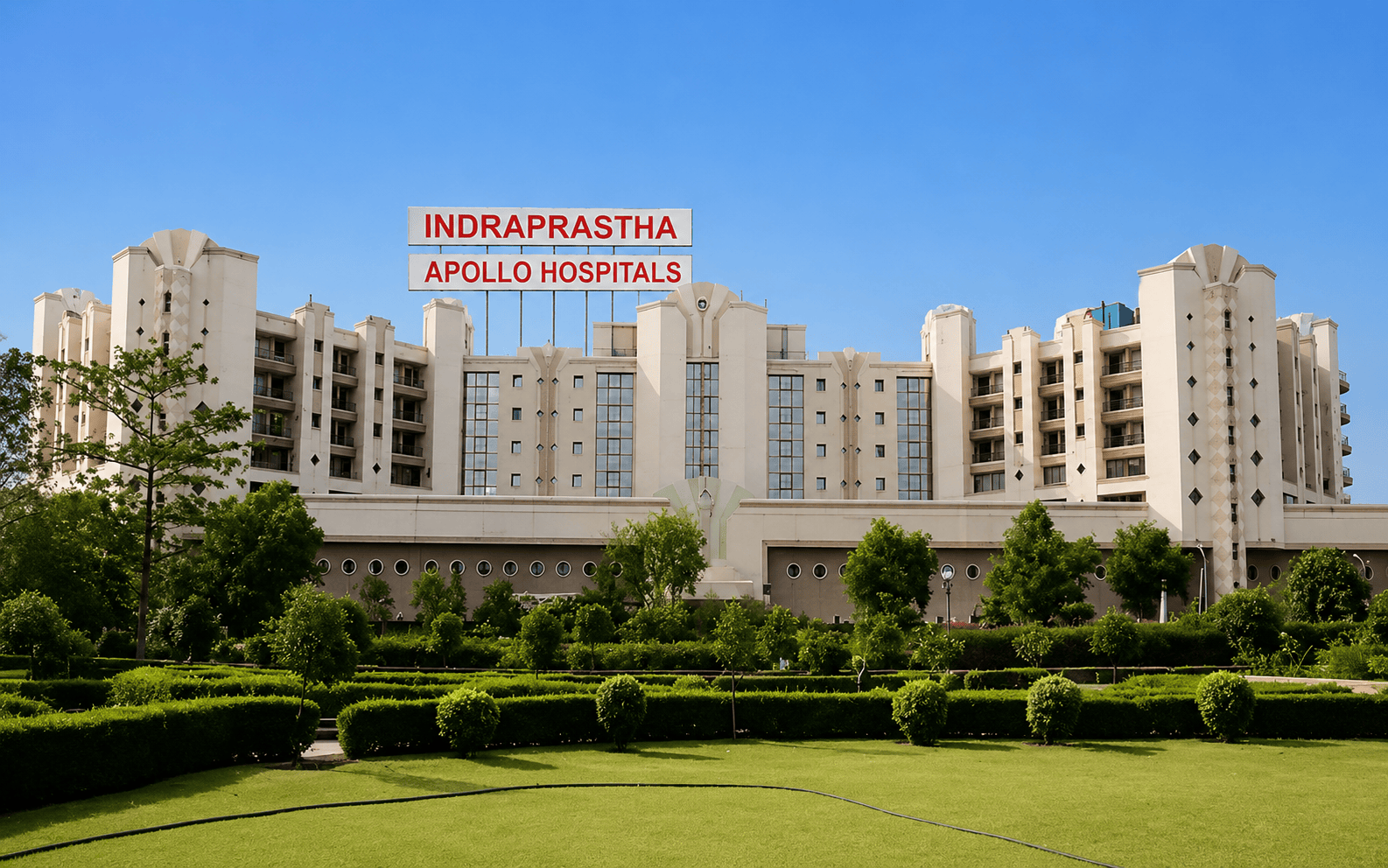
Sarita Vihar, Delhi-Mathura Road, New Delhi – 110076, India