
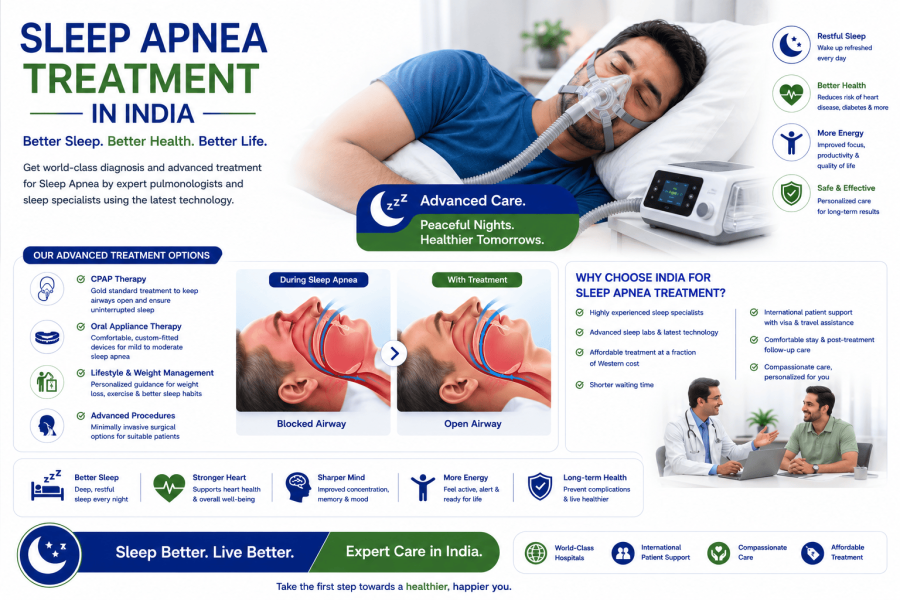
A diagnostic sleep study (Polysomnography) is completed overnight. CPAP therapy begins after diagnosis and continues as a long-term treatment when indicated. Surgical procedures generally take 1 to 3 hours, depending on the technique.
Sleep studies are usually performed as an overnight or day-care procedure. Patients undergoing surgery generally remain hospitalized for 1 to 3 days.
Sleep studies are usually performed as an overnight or day-care procedure. Patients undergoing surgery generally remain hospitalized for 1 to 3 days.
1,000 to 8,000 USD*
Sleep Apnea is a common but potentially serious sleep disorder in which breathing repeatedly stops and starts during sleep. These interruptions reduce oxygen levels, disturb normal sleep, and place extra strain on the heart, lungs, and brain. If left untreated, sleep apnea can increase the risk of high blood pressure, heart disease, stroke, diabetes, irregular heart rhythms, and daytime accidents due to excessive sleepiness. Early diagnosis and appropriate treatment can restore healthy sleep, improve energy levels, and reduce long-term health risks.
India has become one of the world's leading destinations for advanced and affordable sleep apnea treatment. Patients from Africa, the Middle East, and other countries choose India because of its internationally accredited hospitals, experienced pulmonologists, sleep medicine specialists, ENT surgeons, and advanced sleep laboratories equipped with modern diagnostic technology at significantly lower costs than many developed nations.
Recent advancements in sleep apnea management have greatly improved treatment outcomes. Leading hospitals in India now offer Level I Polysomnography (Sleep Study), Home Sleep Apnea Testing (HSAT), Drug-Induced Sleep Endoscopy (DISE), Continuous Positive Airway Pressure (CPAP) Therapy, Bi-Level Positive Airway Pressure (BiPAP), Auto-CPAP Devices, Hypoglossal Nerve Stimulation (selected patients), Minimally Invasive Airway Surgery, Laser Snoring Surgery, AI-assisted Sleep Analysis, Digital CPAP Monitoring, and Personalized Sleep Rehabilitation Programs. These innovations improve diagnostic accuracy, treatment adherence, and long-term quality of life.
Whether you have Obstructive Sleep Apnea (OSA), Central Sleep Apnea (CSA), obesity-related sleep apnea, or severe snoring associated with breathing interruptions, India offers comprehensive treatment with international standards of quality, safety, and personalized patient care.
Patients with Sleep Apnea commonly experience:
Patients with persistent snoring, daytime sleepiness, or witnessed breathing pauses should undergo a sleep evaluation.
Several factors increase the risk of Sleep Apnea, including:
Before treatment, patients undergo a comprehensive sleep and airway evaluation.
Diagnostic tests may include:
International patients can submit their medical reports online to receive an expert opinion before travelling to India.
Treatment is individualized according to the type and severity of sleep apnea, airway anatomy, and associated medical conditions.
Weight reduction, regular exercise, sleeping position therapy, smoking cessation, and limiting alcohol intake are often recommended, particularly for mild obstructive sleep apnea.
Continuous Positive Airway Pressure (CPAP) is considered the gold standard treatment for moderate to severe obstructive sleep apnea. It delivers pressurized air through a mask to keep the airway open during sleep.
Bi-Level Positive Airway Pressure (BiPAP) is recommended for selected patients who require different pressures during inhalation and exhalation or who have associated respiratory disorders.
Custom-made oral devices reposition the jaw and tongue to keep the airway open and may be suitable for selected patients with mild to moderate obstructive sleep apnea.
This advanced diagnostic procedure identifies the exact site of airway collapse and helps plan personalized treatment.
Selected patients may benefit from procedures such as:
An advanced implantable device available in selected centers stimulates the tongue muscles during sleep to prevent airway collapse in carefully selected patients.
CPAP, BiPAP, oral appliances, lifestyle modification, and weight management.
Drug-Induced Sleep Endoscopy (DISE) and personalized airway evaluation.
Airway reconstruction, nasal surgery, tongue-base procedures, and jaw advancement surgery for carefully selected patients.
Many patients benefit from a multidisciplinary approach involving pulmonologists, ENT surgeons, sleep medicine specialists, dentists, nutritionists, and physiotherapists.
Patients receive long-term follow-up to optimize sleep quality and treatment success.
Post-treatment care includes:
Most patients experience significant improvement in sleep quality, daytime alertness, energy levels, concentration, and overall quality of life after appropriate treatment. Effective management also helps reduce the risk of cardiovascular disease, stroke, diabetes-related complications, and accidents caused by excessive daytime sleepiness.
Regular use of CPAP or other prescribed therapies, maintaining a healthy body weight, regular exercise, and periodic follow-up with a sleep specialist are essential for long-term success.
Patients with Sleep Apnea commonly experience:
Patients with persistent snoring, daytime sleepiness, or witnessed breathing pauses should undergo a sleep evaluation.
Several factors increase the risk of Sleep Apnea, including:
Before treatment, patients undergo a comprehensive sleep and airway evaluation.
Diagnostic tests may include:
International patients can submit their medical reports online to receive an expert opinion before travelling to India.
Treatment is individualized according to the type and severity of sleep apnea, airway anatomy, and associated medical conditions.
Weight reduction, regular exercise, sleeping position therapy, smoking cessation, and limiting alcohol intake are often recommended, particularly for mild obstructive sleep apnea.
Continuous Positive Airway Pressure (CPAP) is considered the gold standard treatment for moderate to severe obstructive sleep apnea. It delivers pressurized air through a mask to keep the airway open during sleep.
Bi-Level Positive Airway Pressure (BiPAP) is recommended for selected patients who require different pressures during inhalation and exhalation or who have associated respiratory disorders.
Custom-made oral devices reposition the jaw and tongue to keep the airway open and may be suitable for selected patients with mild to moderate obstructive sleep apnea.
This advanced diagnostic procedure identifies the exact site of airway collapse and helps plan personalized treatment.
Selected patients may benefit from procedures such as:
An advanced implantable device available in selected centers stimulates the tongue muscles during sleep to prevent airway collapse in carefully selected patients.
CPAP, BiPAP, oral appliances, lifestyle modification, and weight management.
Drug-Induced Sleep Endoscopy (DISE) and personalized airway evaluation.
Airway reconstruction, nasal surgery, tongue-base procedures, and jaw advancement surgery for carefully selected patients.
Many patients benefit from a multidisciplinary approach involving pulmonologists, ENT surgeons, sleep medicine specialists, dentists, nutritionists, and physiotherapists.
Patients receive long-term follow-up to optimize sleep quality and treatment success.
Post-treatment care includes:
Most patients experience significant improvement in sleep quality, daytime alertness, energy levels, concentration, and overall quality of life after appropriate treatment. Effective management also helps reduce the risk of cardiovascular disease, stroke, diabetes-related complications, and accidents caused by excessive daytime sleepiness.
Regular use of CPAP or other prescribed therapies, maintaining a healthy body weight, regular exercise, and periodic follow-up with a sleep specialist are essential for long-term success.
Yes. Sleep Apnea treatment in India is considerably more affordable than in many developed countries while maintaining international standards of sleep medicine and respiratory care.
Mild cases may improve significantly with weight loss, lifestyle changes, or surgery in selected patients. Moderate to severe sleep apnea is usually managed effectively with CPAP therapy or other individualized treatments.
Recent advancements include Home Sleep Apnea Testing (HSAT), Drug-Induced Sleep Endoscopy (DISE), Auto-CPAP devices, AI-assisted sleep analysis, digital CPAP monitoring, minimally invasive airway surgery, and Hypoglossal Nerve Stimulation for selected patients.
CPAP is considered the gold standard treatment for moderate to severe obstructive sleep apnea. However, the most appropriate treatment depends on the severity of the condition, airway anatomy, and patient preferences.
Yes. International patients receive comprehensive assistance including online consultations, medical visas, accommodation, airport transfers, interpreter services, sleep studies, and long-term follow-up.
In many patients, successful treatment of obstructive sleep apnea significantly reduces or completely eliminates snoring, depending on the underlying cause.

Jaypee Hospital Road, Goberdhanpur, Sector 128, Noida, Uttar Pradesh – 201304, India
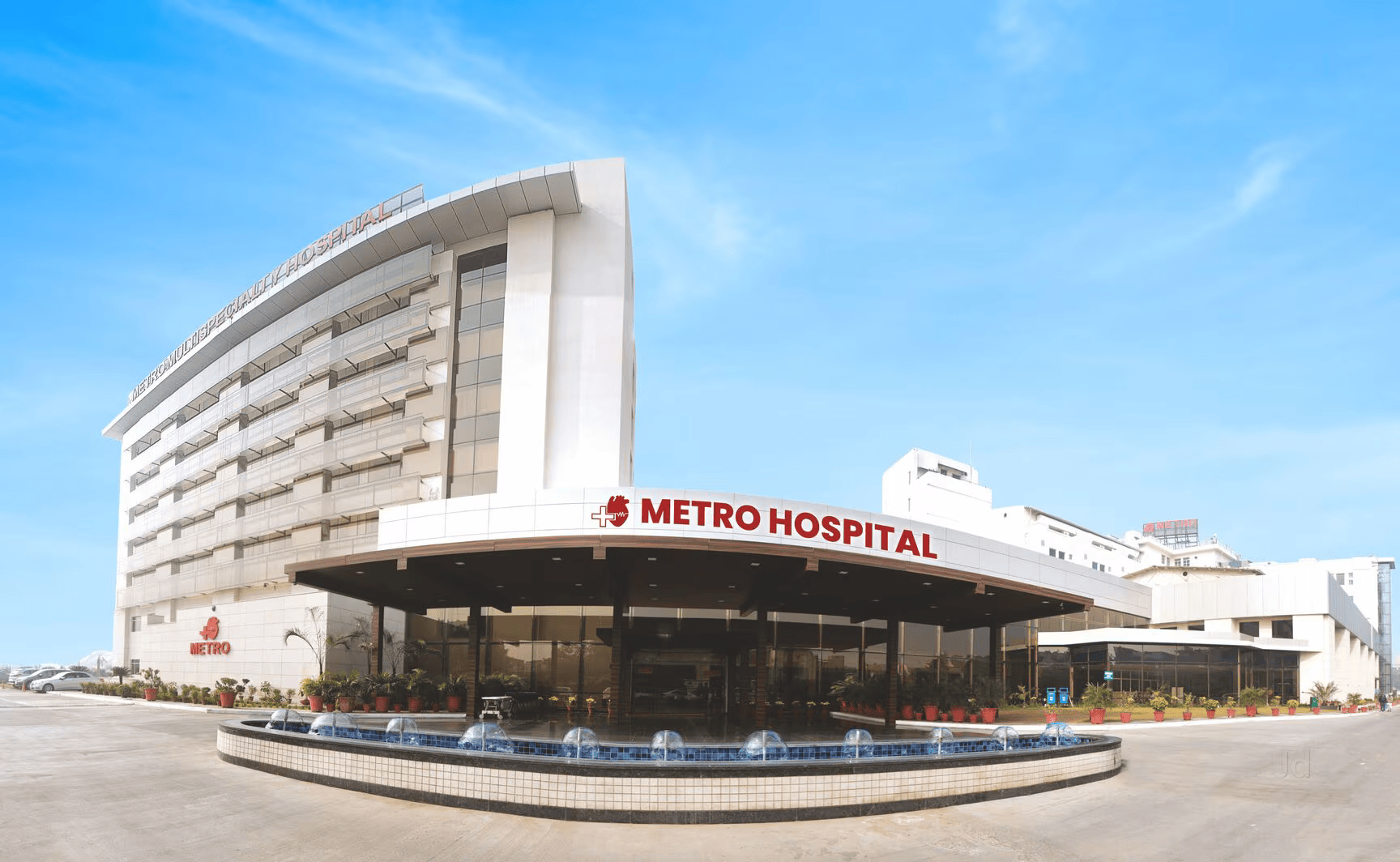
Sector 16A, Faridabad, Haryana – 121002, India

Plot No. 1, HUDA Staff Colony, Sector 16, Faridabad, Haryana – 121002, India

Mata Amritanandamayi Marg, Sector 88, Faridabad, Haryana – 121014, India

Okhla Road, Opposite Sukhdev Vihar Metro Station, New Delhi – 110025, India

Pusa Road, Rajendra Place, New Delhi – 110005, India

Palam Vihar, Sector 6, Dwarka, New Delhi – 110075, India

1 & 2, Press Enclave Road, Saket Institutional Area, Saket, New Delhi – 110017, India

CH Baktawar Singh Road, Sector 38, Gurugram, Haryana – 122001, India

Sector 51, Gurugram, Haryana – 122018, India
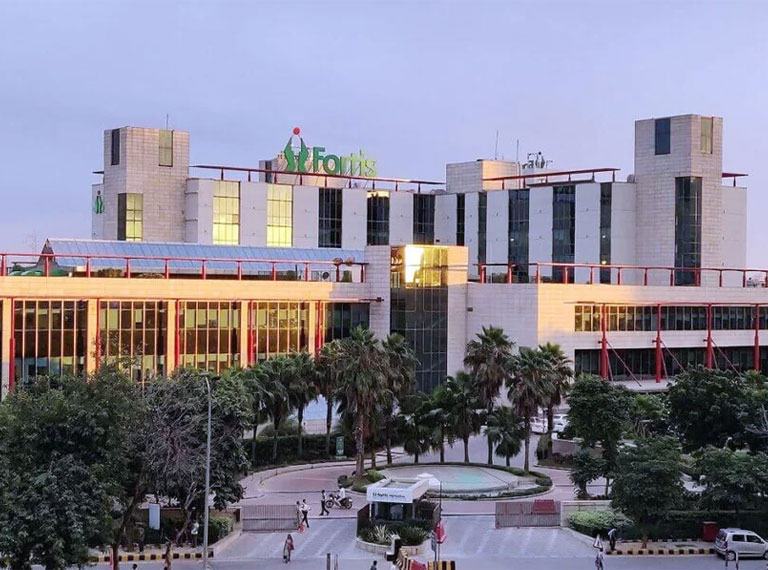
Sector - 44, Gurugram, Haryana – 122002, India
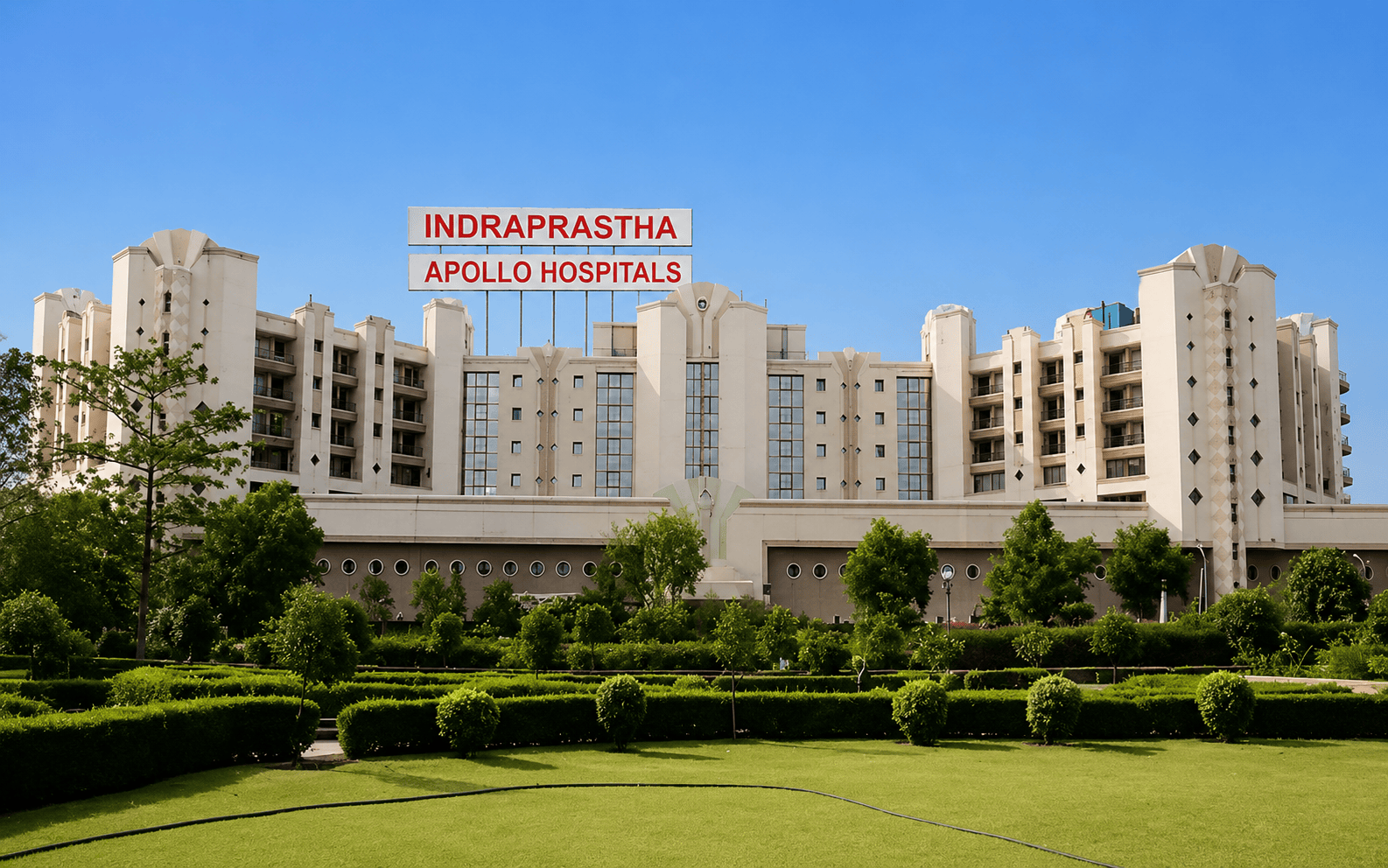
Sarita Vihar, Delhi-Mathura Road, New Delhi – 110076, India