
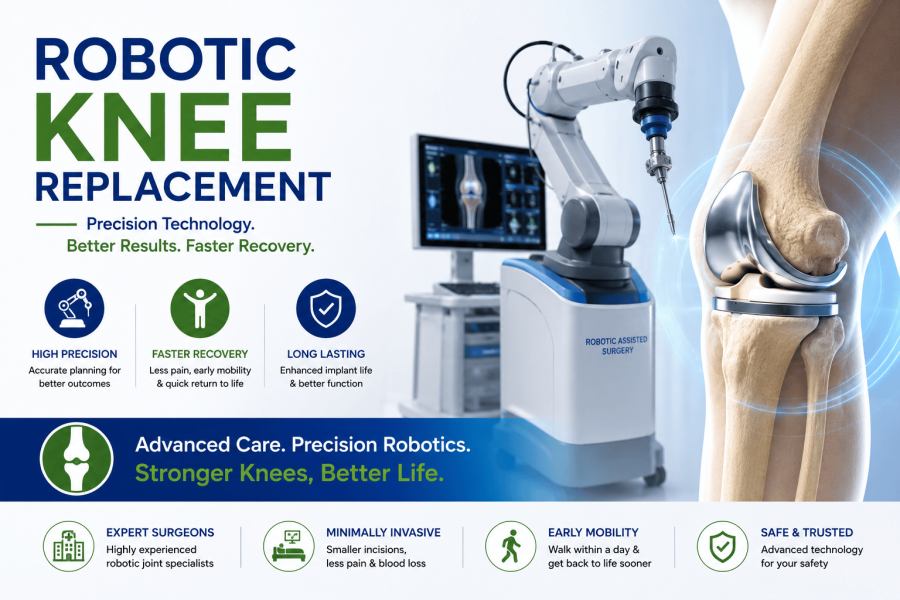
The procedure generally takes 1.5 to 3 hours, depending on whether a total, partial, bilateral, or revision knee replacement is performed.
Patients usually stay in the hospital for 3 to 5 days after robotic knee replacement surgery.
Spinal Anesthesia or General Anesthesia
5,000 to 9,500 USD
Robotic Knee Replacement in India is one of the most advanced orthopedic procedures for treating severe knee arthritis, chronic knee pain, and joint deformities. The procedure combines the expertise of experienced orthopedic surgeons with next-generation robotic technology to achieve exceptional precision during surgery. Unlike conventional knee replacement, robotic-assisted surgery creates a personalized surgical plan based on the patient's unique anatomy, allowing more accurate implant positioning, better joint alignment, reduced tissue damage, faster recovery, and improved long-term results.
India has become a preferred destination for Robotic Knee Replacement Surgery in India, attracting patients from Africa, the Middle East, Europe, and other countries because of its internationally accredited hospitals, highly experienced robotic joint replacement surgeons, state-of-the-art robotic systems, and affordable treatment costs. Leading orthopedic centers in India now utilize advanced technologies such as Mako SmartRobotics™, ROSA® Knee System, CORI®, VELYS™, NAVIO®, and CUVIS-joint®, along with AI-assisted surgical planning, patient-specific 3D imaging, CT-based or image-free navigation, robotic ligament balancing, smart sensor technology, kinematic alignment techniques, cementless implants, and Enhanced Recovery After Surgery (ERAS) protocols. These innovations have significantly improved surgical precision, implant longevity, patient satisfaction, and recovery outcomes.
Whether you suffer from osteoarthritis, rheumatoid arthritis, post-traumatic arthritis, knee deformity, or a failed previous knee replacement, India offers world-class robotic orthopedic care with excellent clinical outcomes and comprehensive support for international patients.
Patients who may require Robotic Knee Replacement in India often experience:
Patients whose symptoms do not improve with medications, physiotherapy, or injections should consult an orthopedic specialist.
The risk of severe knee arthritis increases due to:
Before undergoing Robotic Knee Replacement Surgery in India, patients undergo a comprehensive orthopedic evaluation to determine the severity of joint damage and overall fitness for surgery.
Diagnostic investigations may include:
International patients can share their medical reports online to receive an expert opinion before travelling to India.
The surgery is usually performed under spinal or general anesthesia.
Using advanced robotic technology, the surgeon first creates a personalized three-dimensional model of the patient's knee joint. During surgery, robotic software provides real-time guidance for accurate bone preparation and implant positioning while preserving healthy bone and surrounding soft tissues.
Modern robotic systems incorporate AI-assisted planning, patient-specific 3D imaging, CT-based or image-free navigation, robotic ligament balancing, smart sensor technology, and kinematic alignment, allowing surgeons to achieve natural knee movement with exceptional precision. Depending on the patient's condition, cementless implants may also be used to promote long-term bone integration and implant durability.
Compared to conventional knee replacement surgery, robotic-assisted surgery offers:
Recommended for patients with advanced arthritis affecting the entire knee joint.
Only the damaged compartment of the knee is replaced while preserving healthy bone and ligaments.
Performed for patients requiring replacement of a failed or worn-out knee implant.
Replacement of both knees either simultaneously or in staged procedures.
Most patients begin standing and walking with assistance within 24 hours after surgery. Leading hospitals follow Enhanced Recovery After Surgery (ERAS) protocols, focusing on early mobilization, effective pain control, reduced opioid use, and faster discharge. Many centers also provide digital rehabilitation programs, virtual physiotherapy sessions, wearable activity monitoring, and telemedicine consultations to help international patients continue recovery after returning home.
Postoperative care includes:
Most patients experience significant pain relief and improved mobility within a few weeks after surgery. Regular physiotherapy plays a vital role in restoring strength, flexibility, and normal knee function.
Patients gradually return to walking, climbing stairs, driving, and routine daily activities. High-impact sports should be avoided to maximize implant longevity. With modern robotic technology, proper rehabilitation, and advanced implants, many patients enjoy excellent knee function for 20 to 30 years, allowing them to maintain an active and independent lifestyle.
Patients who may require Robotic Knee Replacement in India often experience:
Patients whose symptoms do not improve with medications, physiotherapy, or injections should consult an orthopedic specialist.
The risk of severe knee arthritis increases due to:
Before undergoing Robotic Knee Replacement Surgery in India, patients undergo a comprehensive orthopedic evaluation to determine the severity of joint damage and overall fitness for surgery.
Diagnostic investigations may include:
International patients can share their medical reports online to receive an expert opinion before travelling to India.
The surgery is usually performed under spinal or general anesthesia.
Using advanced robotic technology, the surgeon first creates a personalized three-dimensional model of the patient's knee joint. During surgery, robotic software provides real-time guidance for accurate bone preparation and implant positioning while preserving healthy bone and surrounding soft tissues.
Modern robotic systems incorporate AI-assisted planning, patient-specific 3D imaging, CT-based or image-free navigation, robotic ligament balancing, smart sensor technology, and kinematic alignment, allowing surgeons to achieve natural knee movement with exceptional precision. Depending on the patient's condition, cementless implants may also be used to promote long-term bone integration and implant durability.
Compared to conventional knee replacement surgery, robotic-assisted surgery offers:
Most patients begin standing and walking with assistance within 24 hours after surgery. Leading hospitals follow Enhanced Recovery After Surgery (ERAS) protocols, focusing on early mobilization, effective pain control, reduced opioid use, and faster discharge. Many centers also provide digital rehabilitation programs, virtual physiotherapy sessions, wearable activity monitoring, and telemedicine consultations to help international patients continue recovery after returning home.
Postoperative care includes:
Most patients experience significant pain relief and improved mobility within a few weeks after surgery. Regular physiotherapy plays a vital role in restoring strength, flexibility, and normal knee function.
Patients gradually return to walking, climbing stairs, driving, and routine daily activities. High-impact sports should be avoided to maximize implant longevity. With modern robotic technology, proper rehabilitation, and advanced implants, many patients enjoy excellent knee function for 20 to 30 years, allowing them to maintain an active and independent lifestyle.
India offers internationally trained orthopedic surgeons, advanced robotic technology, internationally accredited hospitals, affordable treatment costs, and excellent clinical outcomes.
Yes. Robotic-assisted surgery provides greater accuracy, better implant alignment, reduced tissue damage, less pain, faster recovery, and improved long-term function.
Most patients begin walking within one day, resume normal daily activities within 4 to 8 weeks, and achieve full recovery in approximately 3 to 6 months.
Yes. Hospitals provide complete support including online consultations, medical visa assistance, airport transfers, accommodation, interpreter services, rehabilitation, and follow-up care.
The Cost of Robotic Knee Replacement in India is significantly lower than in Western countries while maintaining international standards of orthopedic care.
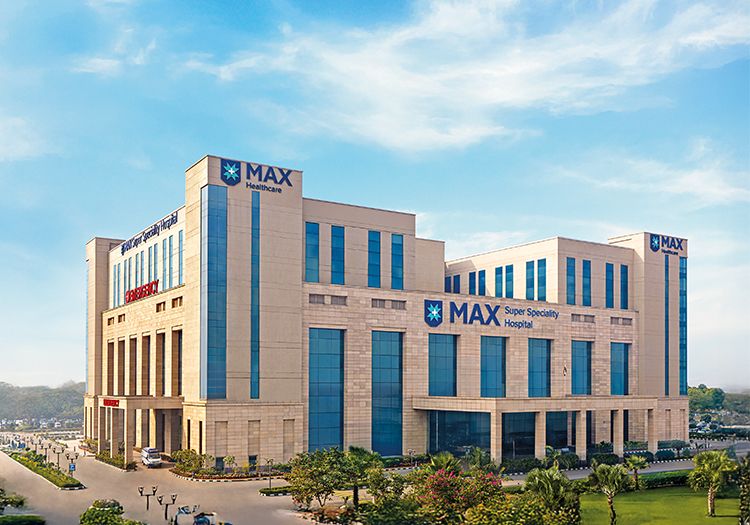
Jaypee Hospital Road, Goberdhanpur, Sector 128, Noida, Uttar Pradesh – 201304, India
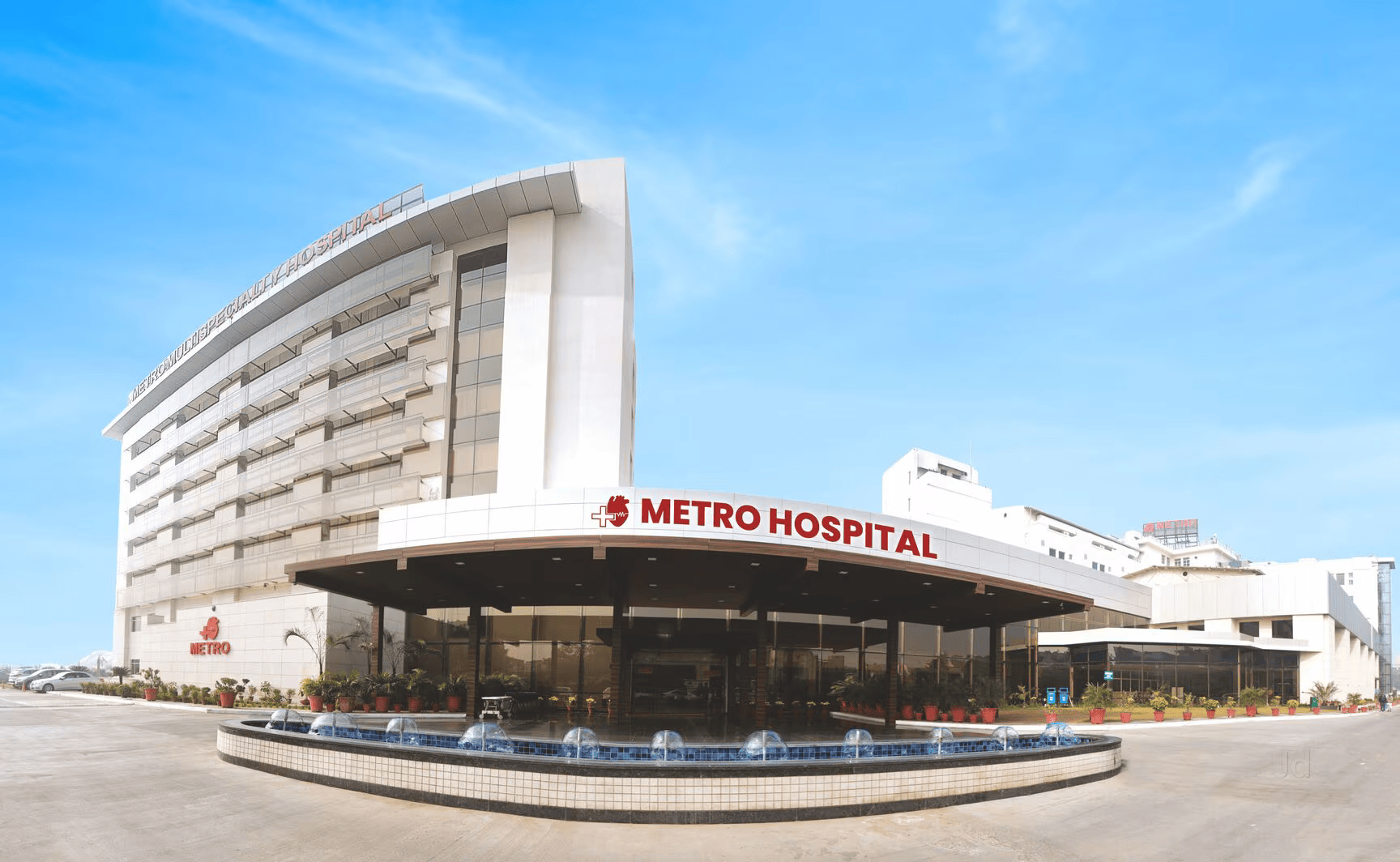
Sector 16A, Faridabad, Haryana – 121002, India
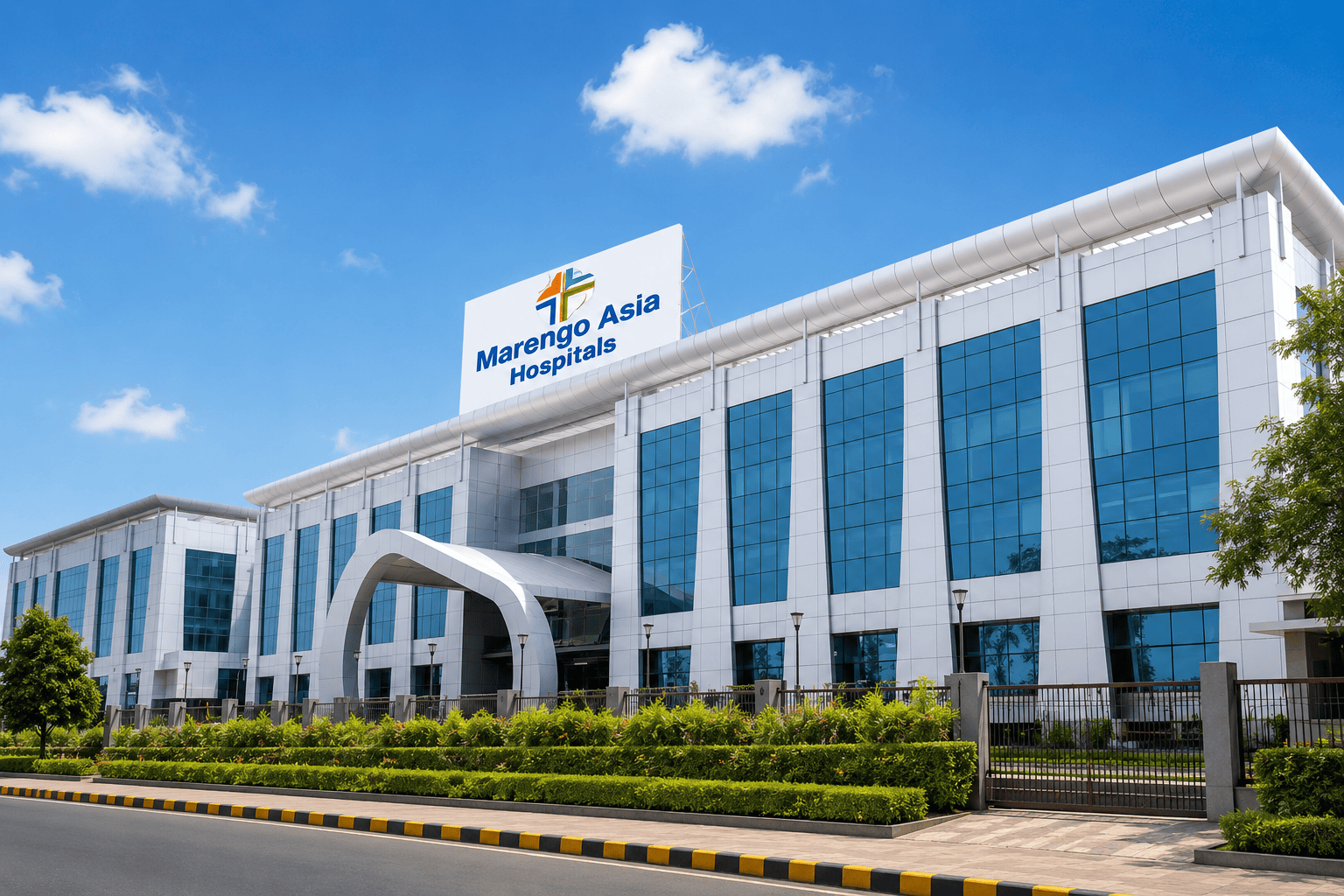
Plot No. 1, HUDA Staff Colony, Sector 16, Faridabad, Haryana – 121002, India

Mata Amritanandamayi Marg, Sector 88, Faridabad, Haryana – 121014, India
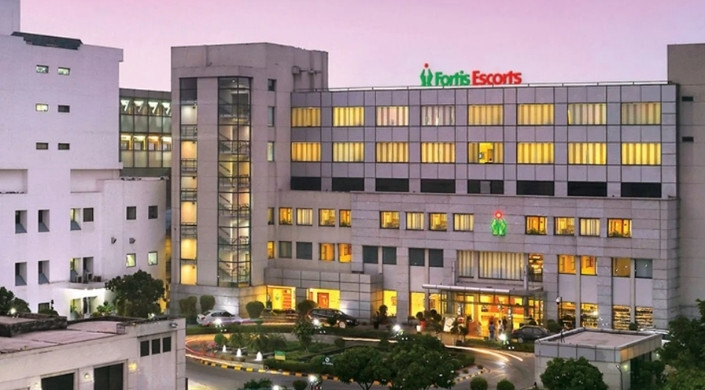
Okhla Road, Opposite Sukhdev Vihar Metro Station, New Delhi – 110025, India

Pusa Road, Rajendra Place, New Delhi – 110005, India
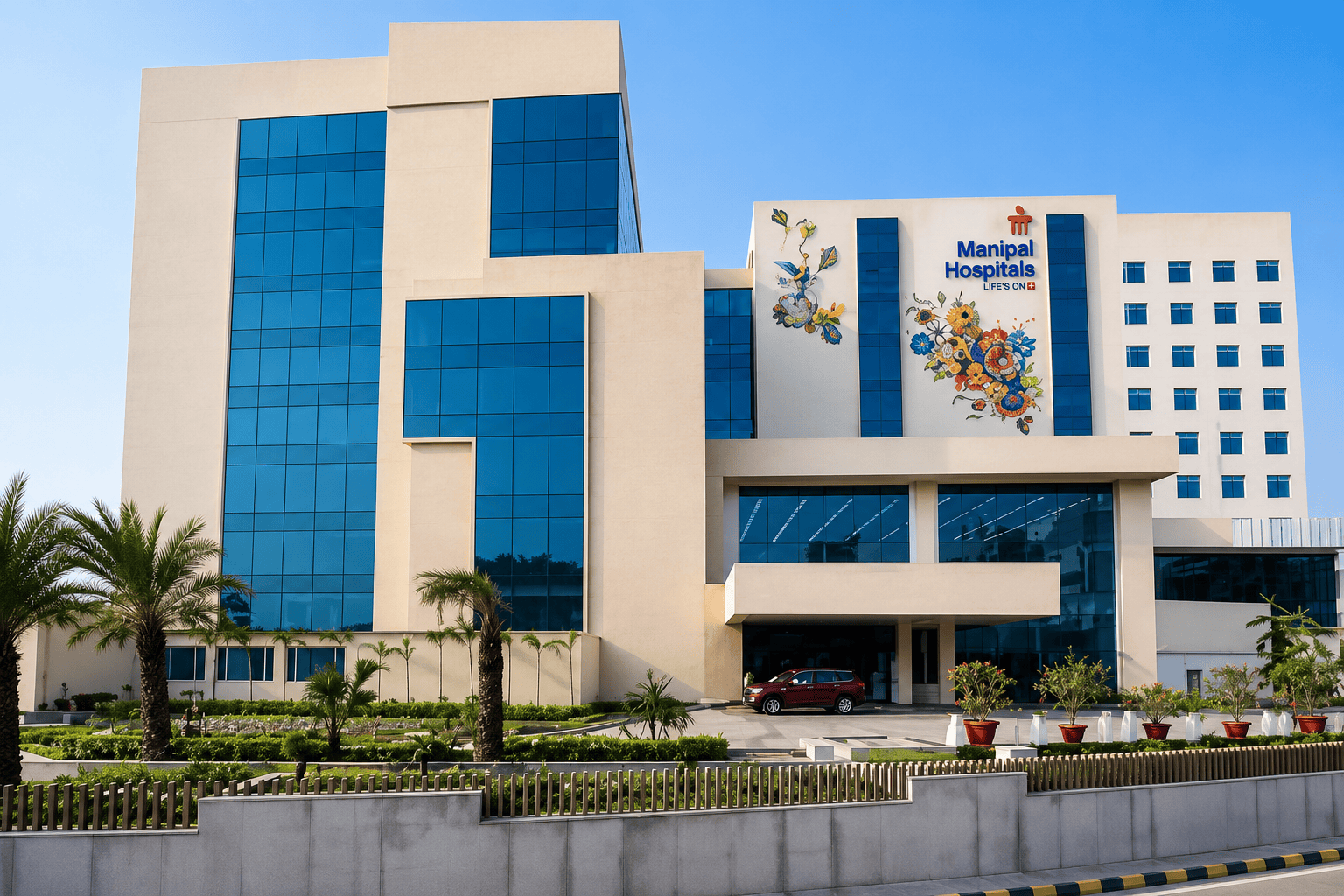
Palam Vihar, Sector 6, Dwarka, New Delhi – 110075, India
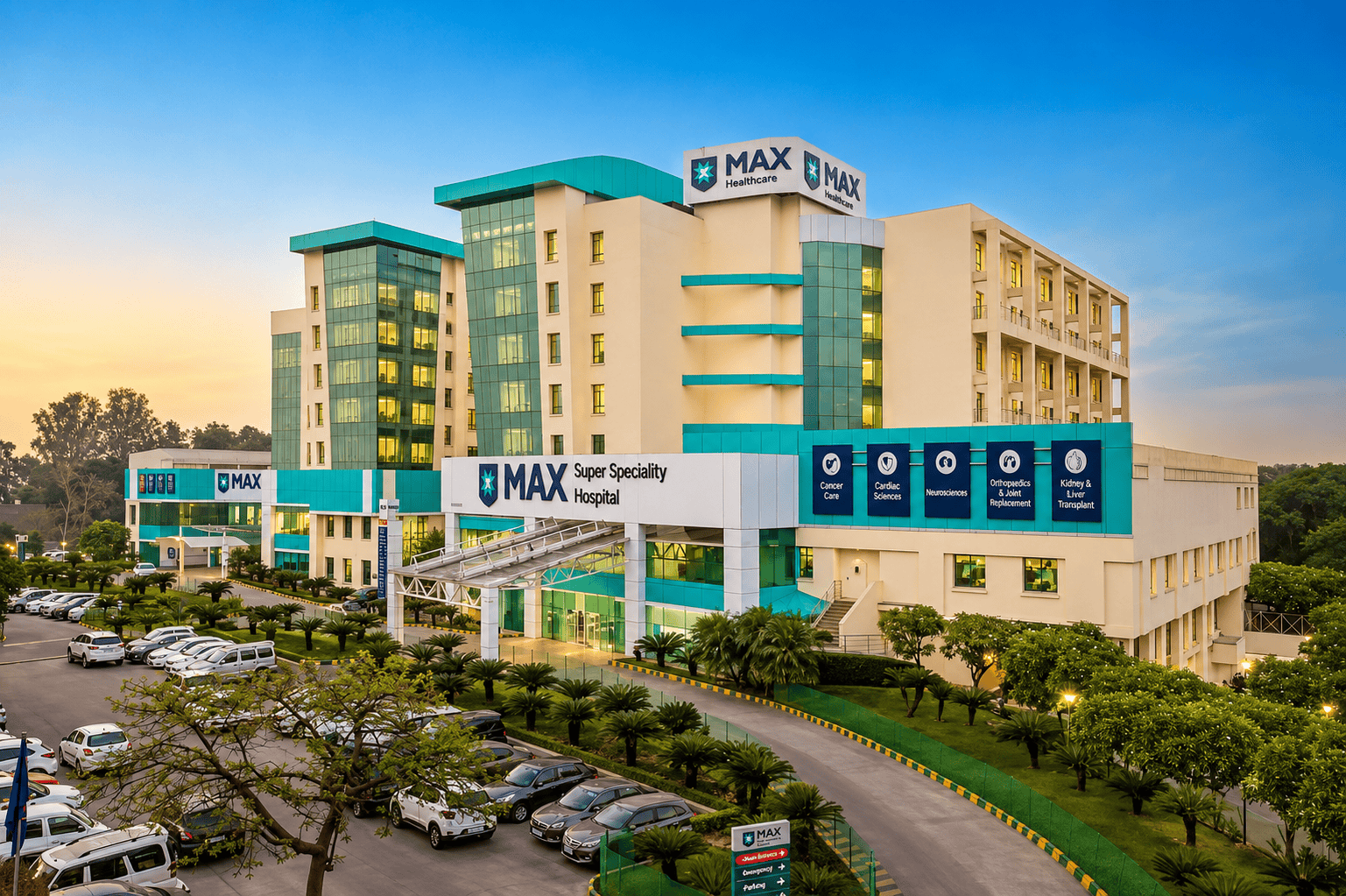
1 & 2, Press Enclave Road, Saket Institutional Area, Saket, New Delhi – 110017, India
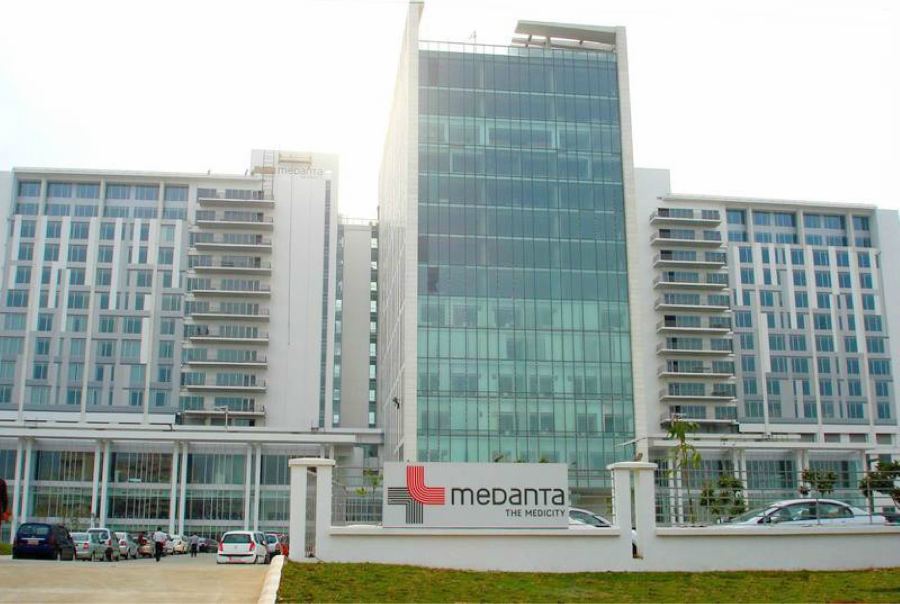
CH Baktawar Singh Road, Sector 38, Gurugram, Haryana – 122001, India
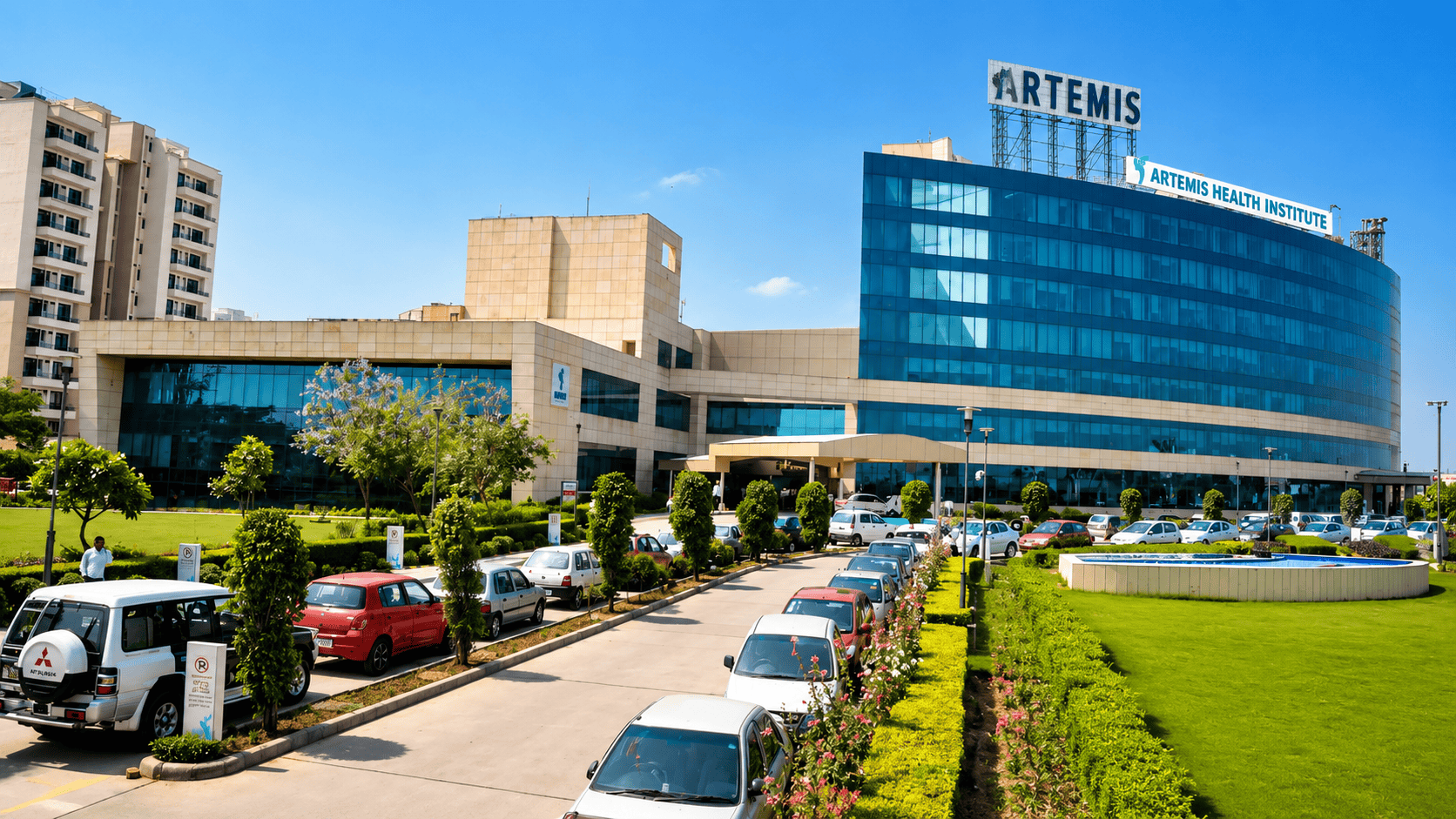
Sector 51, Gurugram, Haryana – 122018, India
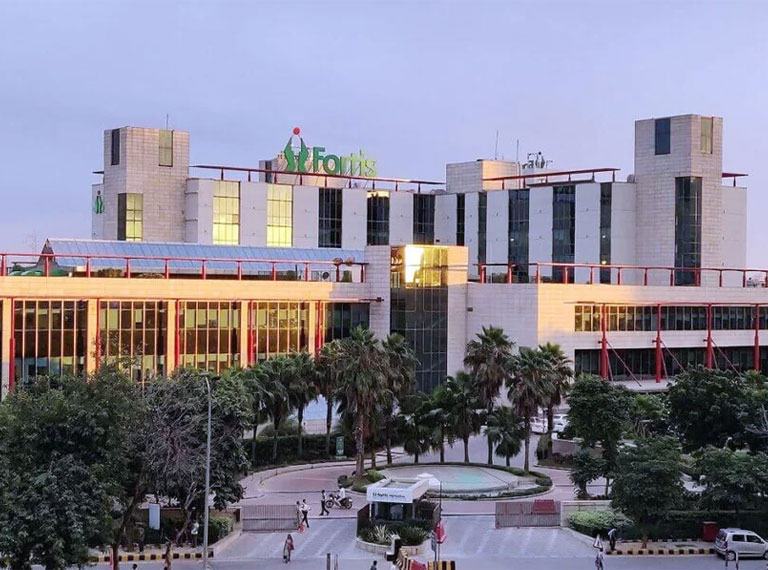
Sector - 44, Gurugram, Haryana – 122002, India

Sarita Vihar, Delhi-Mathura Road, New Delhi – 110076, India