
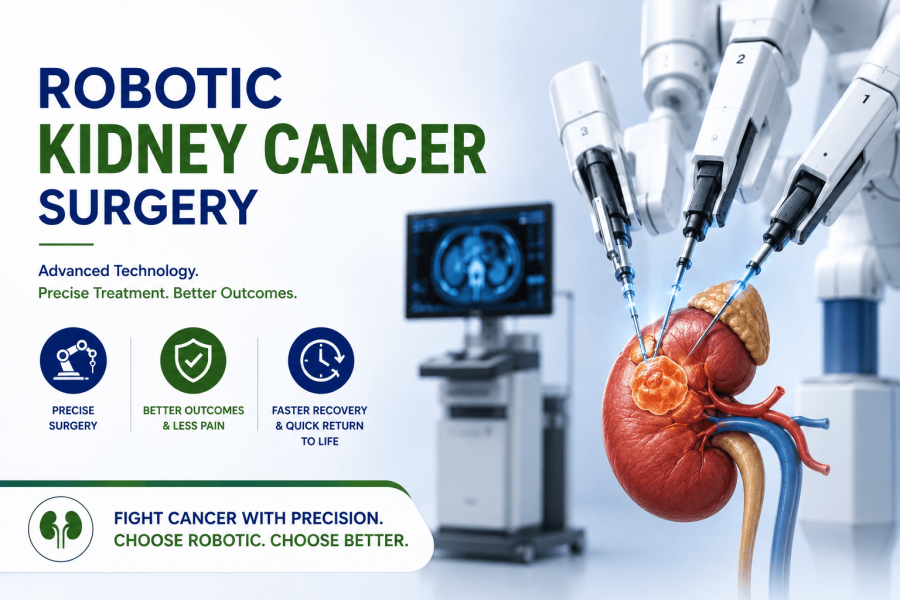
The procedure generally takes 2 to 4 hours, depending on the size, location, and complexity of the kidney tumor.
Patients usually remain in the hospital for 3 to 5 days following robotic kidney cancer surgery.
General Anesthesia
6,200 to 9,000 USD*
Robotic Kidney Cancer Surgery in India is one of the most advanced and minimally invasive treatment options for patients diagnosed with kidney cancer. Using state-of-the-art robotic technology, surgeons can remove kidney tumors with exceptional precision while preserving as much healthy kidney tissue as possible. Compared to traditional open surgery, robotic-assisted surgery offers smaller incisions, less blood loss, reduced postoperative pain, faster recovery, and improved cosmetic outcomes.
India has become a leading destination for Robotic Kidney Cancer Surgery in India, attracting patients from Africa, the Middle East, Europe, and other parts of the world due to its internationally accredited hospitals, highly experienced uro-oncology surgeons, cutting-edge robotic systems, and affordable treatment costs. Leading cancer centers utilize advanced robotic platforms such as the da Vinci Xi®, da Vinci X®, Hugo™ Robotic-Assisted Surgery System, and Versius® Surgical System, integrated with AI-assisted surgical planning, high-definition 3D visualization, fluorescence-guided imaging (Firefly® technology), 3D CT reconstruction, image-guided navigation, nephron-sparing techniques, and Enhanced Recovery After Surgery (ERAS) protocols. These innovations improve surgical precision, maximize kidney preservation, reduce complications, and enhance long-term patient outcomes.
Robotic surgery is commonly performed for localized kidney cancer (renal cell carcinoma) and is especially beneficial for patients undergoing robotic partial nephrectomy, where only the tumor is removed while preserving normal kidney function whenever possible.
Patients with kidney cancer may experience:
Many early-stage kidney cancers produce no symptoms and are detected incidentally during ultrasound or CT scans.
Several factors increase the risk of kidney cancer, including:
Before undergoing Robotic Kidney Cancer Surgery in India, patients undergo a detailed evaluation to determine the stage of cancer and overall fitness for surgery.
Investigations may include:
International patients can send their medical reports online to receive an expert opinion and personalized treatment plan before travelling to India.
The procedure is performed under general anesthesia.
Using advanced robotic technology, the surgeon operates through a few small incisions while controlling robotic instruments that provide exceptional dexterity and precision. High-definition three-dimensional imaging allows clear visualization of the kidney, surrounding blood vessels, and tumor.
Modern robotic systems combine AI-assisted surgical planning, fluorescence-guided imaging (Firefly®), patient-specific 3D CT reconstruction, image-guided navigation, and nephron-sparing surgical techniques to accurately remove the tumor while preserving healthy kidney tissue whenever possible. Temporary control of blood flow and precise reconstruction of the kidney help minimize complications and protect long-term kidney function.
Depending on the size, location, and stage of the tumor, the surgeon may perform:
Compared with conventional open surgery, robotic-assisted surgery offers:
Only the cancerous tumor and a small margin of surrounding tissue are removed while preserving the remaining healthy kidney.
The entire kidney is removed when the tumor is large or cannot be safely treated with partial nephrectomy.
Removal of the kidney together with the ureter, commonly performed for cancers affecting the upper urinary tract.
Most patients begin walking within 24 hours after surgery. Hospitals following Enhanced Recovery After Surgery (ERAS) protocols encourage early mobilization, effective pain management, early oral intake, and faster discharge. Many centers also offer digital follow-up consultations and telemedicine support for international patients after returning home.
Postoperative care includes:
Most patients recover more quickly after robotic surgery than after conventional open surgery. Patients undergoing partial nephrectomy usually retain excellent kidney function while achieving effective cancer control.
Regular follow-up with imaging studies and kidney function tests is important to monitor recovery and detect any recurrence at an early stage. Maintaining a healthy lifestyle, avoiding smoking, controlling blood pressure, and staying well hydrated contribute to long-term kidney health.
Patients with kidney cancer may experience:
Many early-stage kidney cancers produce no symptoms and are detected incidentally during ultrasound or CT scans.
Several factors increase the risk of kidney cancer, including:
Before undergoing Robotic Kidney Cancer Surgery in India, patients undergo a detailed evaluation to determine the stage of cancer and overall fitness for surgery.
Investigations may include:
International patients can send their medical reports online to receive an expert opinion and personalized treatment plan before travelling to India.
The procedure is performed under general anesthesia.
Using advanced robotic technology, the surgeon operates through a few small incisions while controlling robotic instruments that provide exceptional dexterity and precision. High-definition three-dimensional imaging allows clear visualization of the kidney, surrounding blood vessels, and tumor.
Modern robotic systems combine AI-assisted surgical planning, fluorescence-guided imaging (Firefly®), patient-specific 3D CT reconstruction, image-guided navigation, and nephron-sparing surgical techniques to accurately remove the tumor while preserving healthy kidney tissue whenever possible. Temporary control of blood flow and precise reconstruction of the kidney help minimize complications and protect long-term kidney function.
Depending on the size, location, and stage of the tumor, the surgeon may perform:
Compared with conventional open surgery, robotic-assisted surgery offers:
Only the cancerous tumor and a small margin of surrounding tissue are removed while preserving the remaining healthy kidney.
The entire kidney is removed when the tumor is large or cannot be safely treated with partial nephrectomy.
Removal of the kidney together with the ureter, commonly performed for cancers affecting the upper urinary tract.
Most patients begin walking within 24 hours after surgery. Hospitals following Enhanced Recovery After Surgery (ERAS) protocols encourage early mobilization, effective pain management, early oral intake, and faster discharge. Many centers also offer digital follow-up consultations and telemedicine support for international patients after returning home.
Postoperative care includes:
Most patients recover more quickly after robotic surgery than after conventional open surgery. Patients undergoing partial nephrectomy usually retain excellent kidney function while achieving effective cancer control.
Regular follow-up with imaging studies and kidney function tests is important to monitor recovery and detect any recurrence at an early stage. Maintaining a healthy lifestyle, avoiding smoking, controlling blood pressure, and staying well hydrated contribute to long-term kidney health.
India offers internationally experienced uro-oncology surgeons, advanced robotic technology, internationally accredited hospitals, affordable treatment costs, and excellent cancer outcomes.
For many patients with localized kidney cancer, robotic surgery provides greater precision, better kidney preservation, less pain, reduced blood loss, faster recovery, and shorter hospitalization.
Robotic Partial Nephrectomy removes only the kidney tumor while preserving the healthy part of the kidney, helping maintain long-term kidney function whenever possible.
Most patients are discharged within a few days, resume light daily activities within 2 to 4 weeks, and recover completely over 4 to 8 weeks, depending on the complexity of surgery.
Yes. Hospitals provide comprehensive services including online consultations, medical visa assistance, airport transfers, accommodation, interpreters, and long-term follow-up support.
The Cost of Robotic Kidney Cancer Surgery in India is significantly lower than in Western countries while offering internationally recognized standards of cancer care.
Jaypee Hospital Road, Goberdhanpur, Sector 128, Noida, Uttar Pradesh – 201304, India
Sector 16A, Faridabad, Haryana – 121002, India
Plot No. 1, HUDA Staff Colony, Sector 16, Faridabad, Haryana – 121002, India
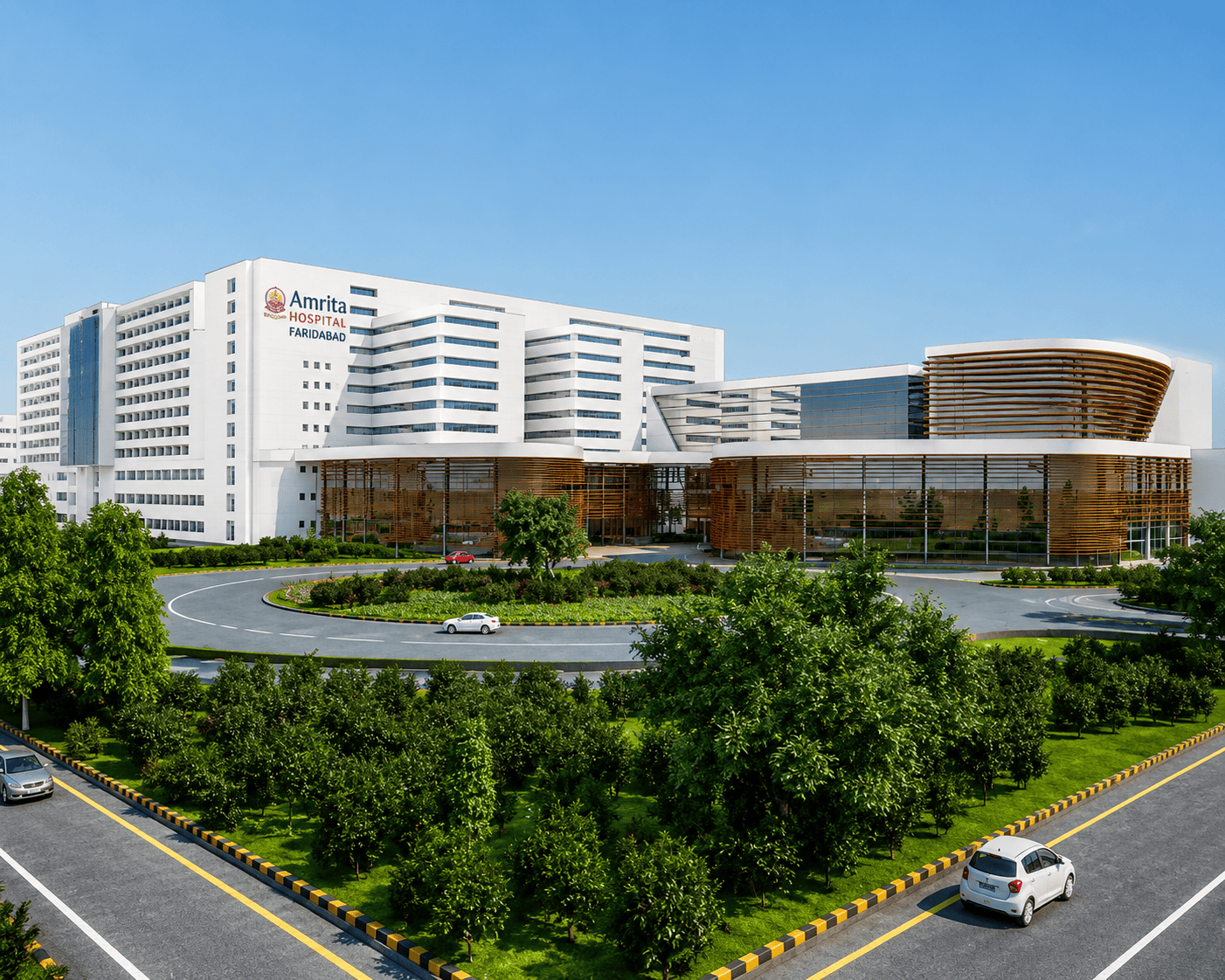
Mata Amritanandamayi Marg, Sector 88, Faridabad, Haryana – 121014, India
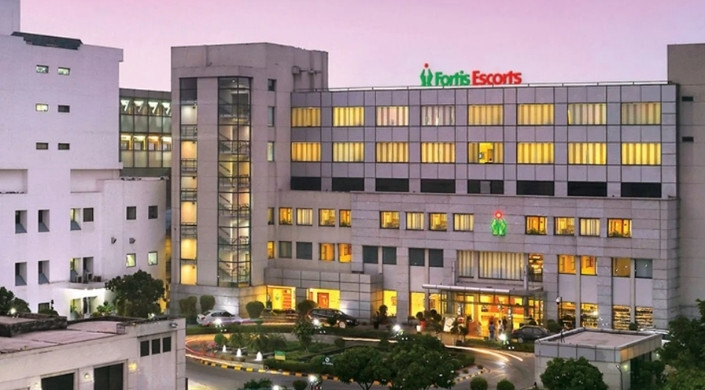
Okhla Road, Opposite Sukhdev Vihar Metro Station, New Delhi – 110025, India
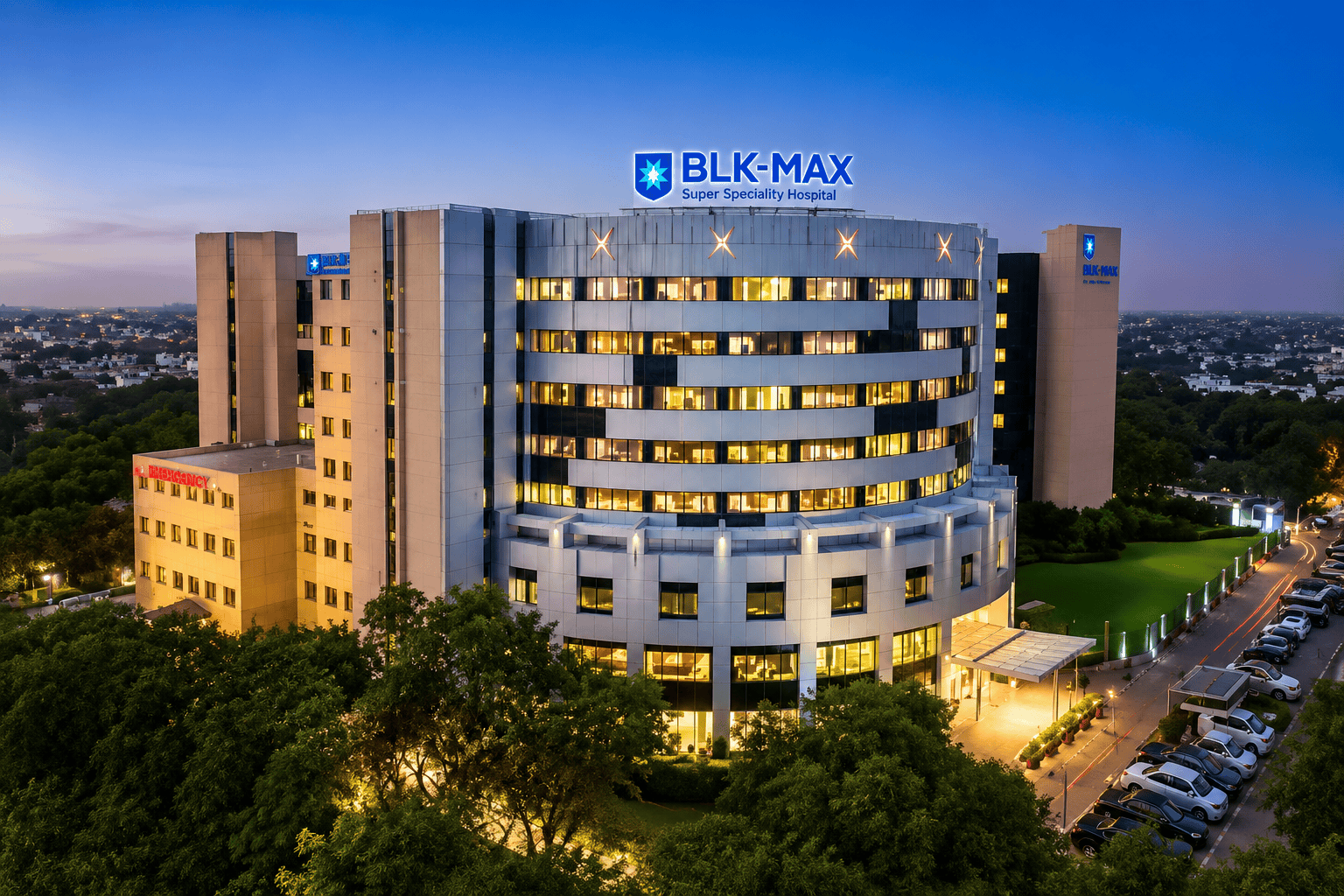
Pusa Road, Rajendra Place, New Delhi – 110005, India
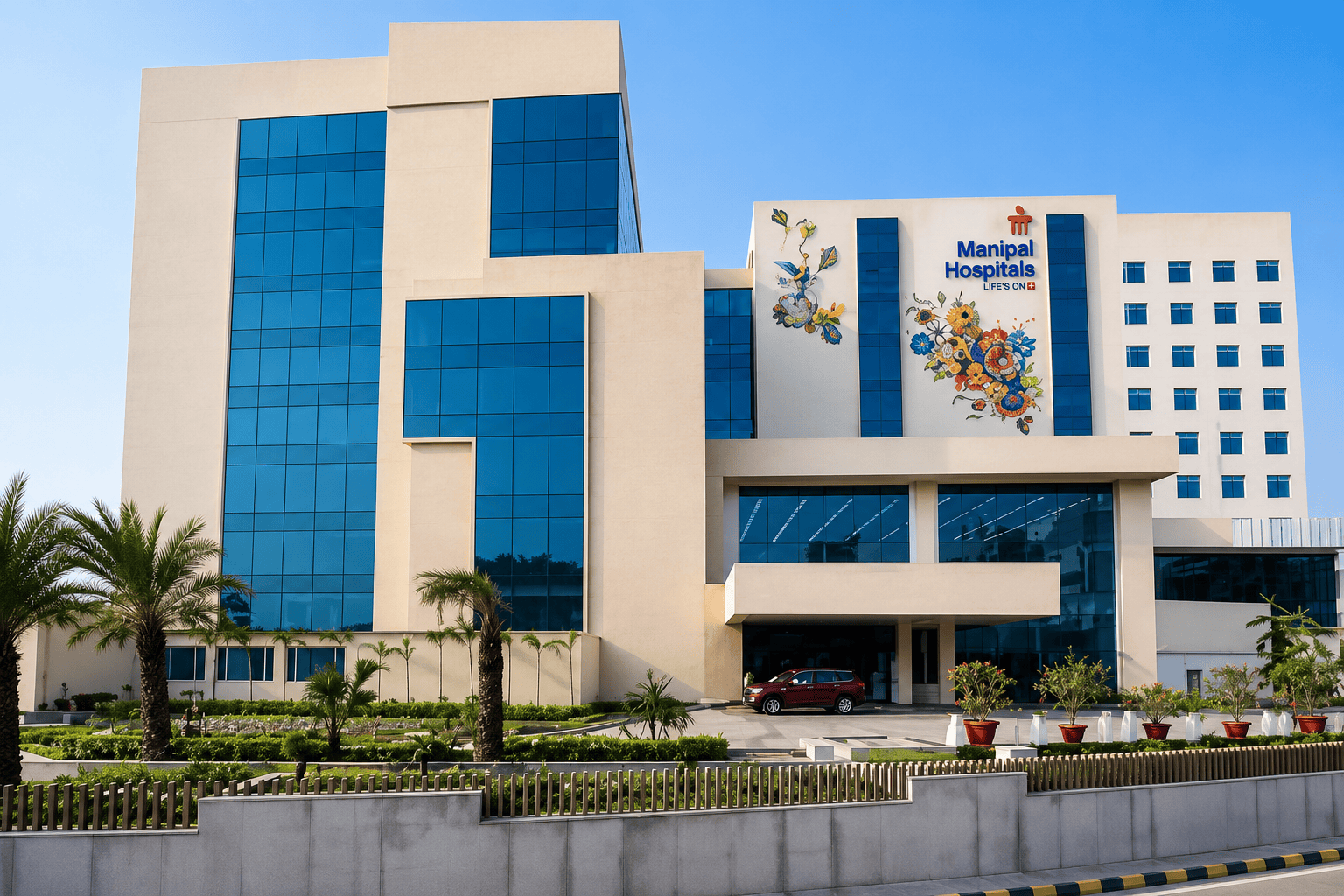
Palam Vihar, Sector 6, Dwarka, New Delhi – 110075, India
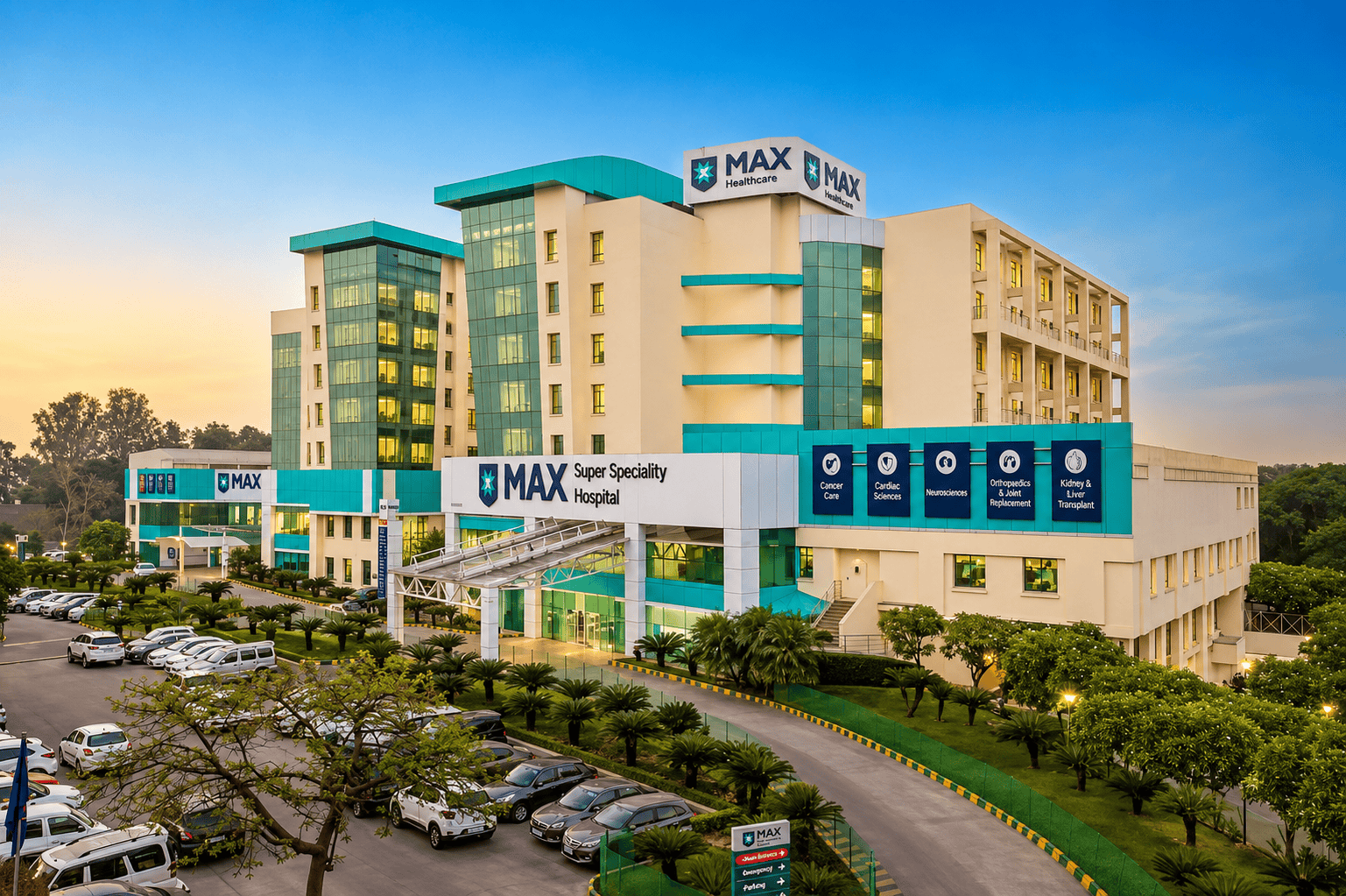
1 & 2, Press Enclave Road, Saket Institutional Area, Saket, New Delhi – 110017, India
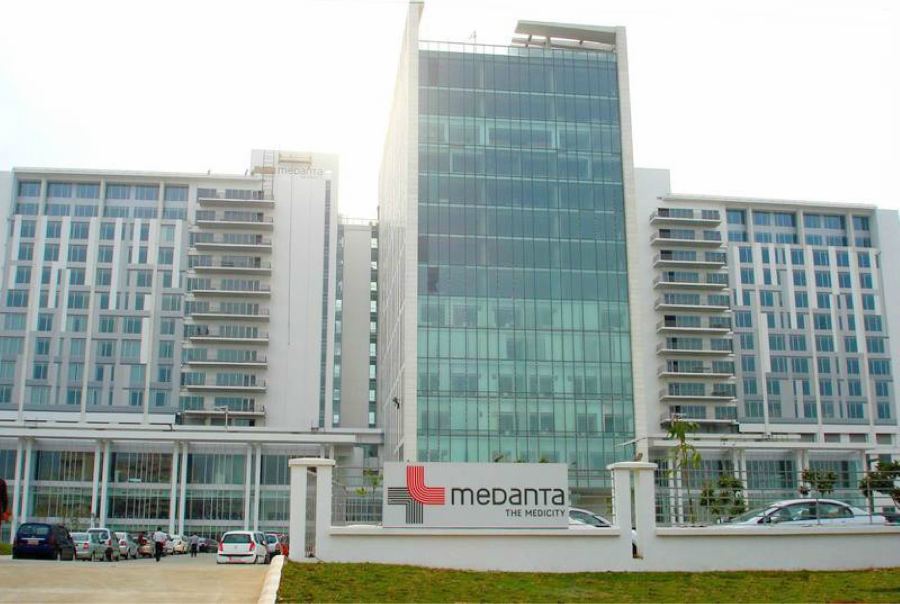
CH Baktawar Singh Road, Sector 38, Gurugram, Haryana – 122001, India
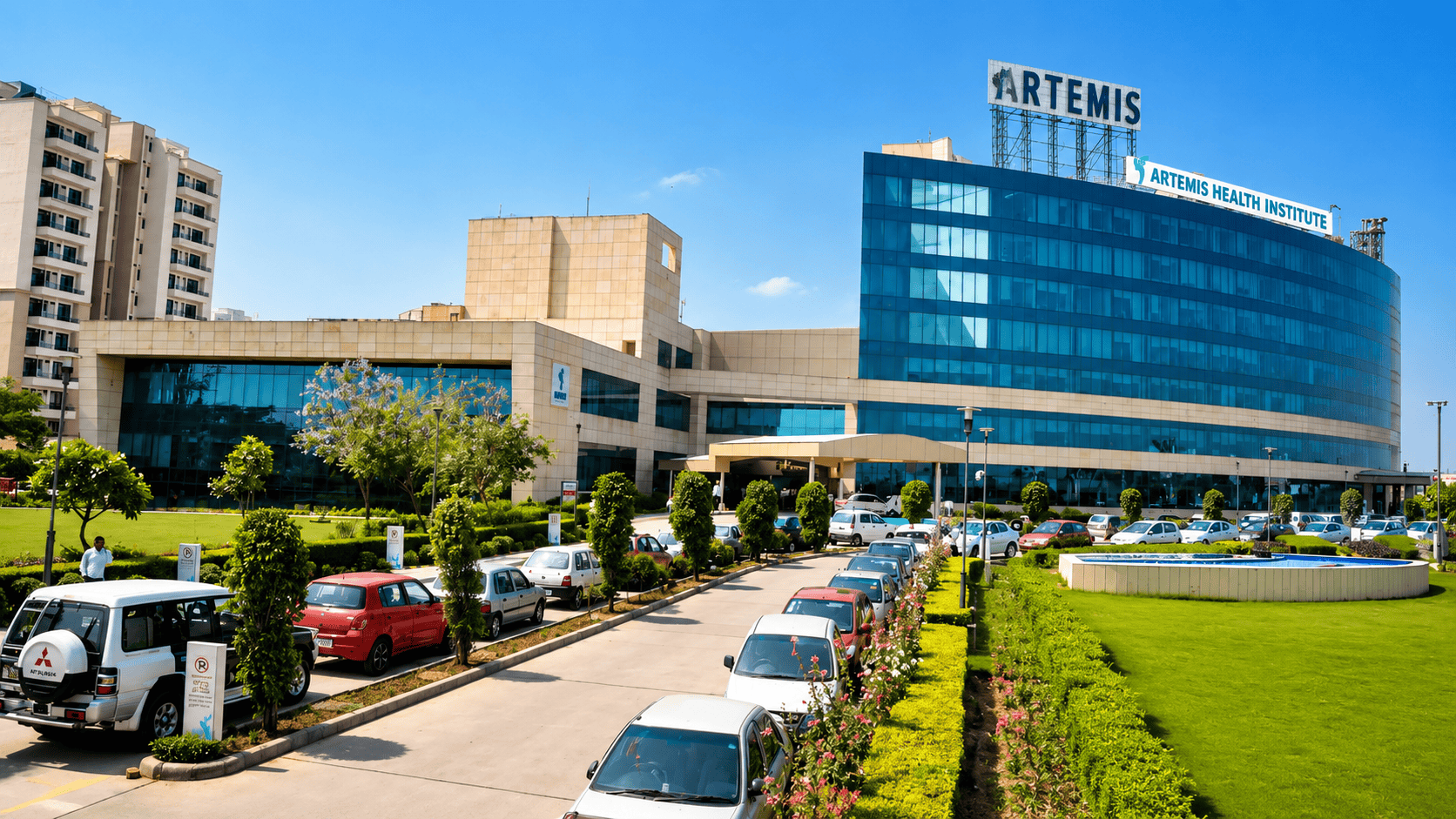
Sector 51, Gurugram, Haryana – 122018, India
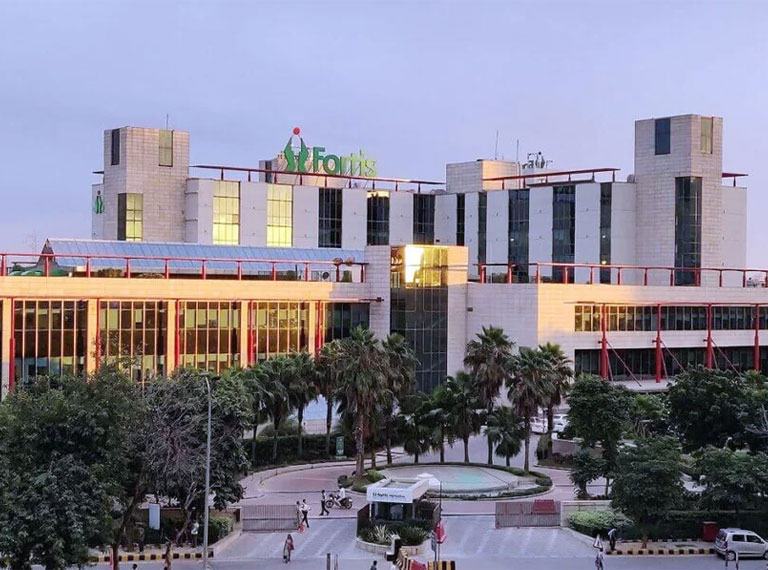
Sector - 44, Gurugram, Haryana – 122002, India
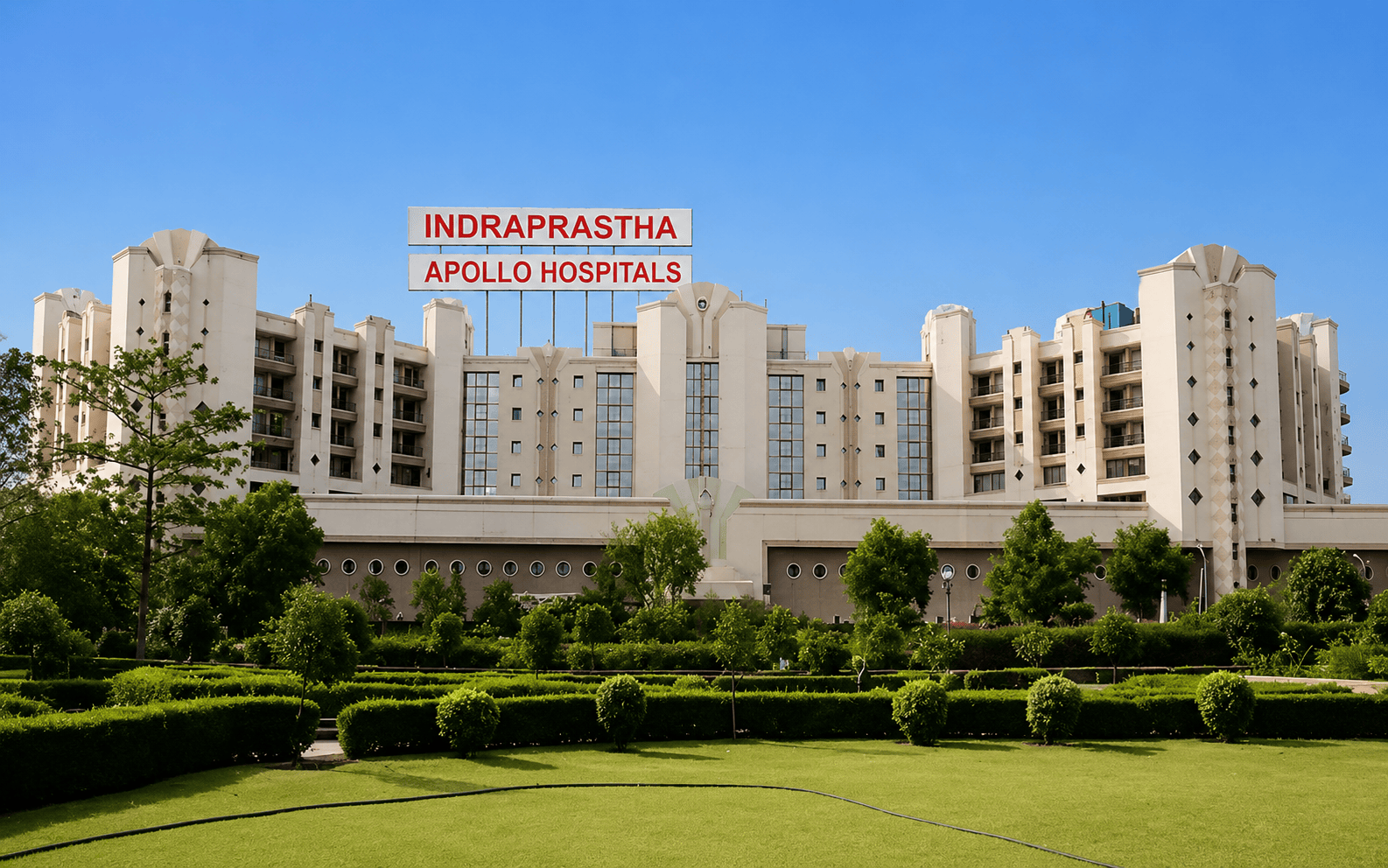
Sarita Vihar, Delhi-Mathura Road, New Delhi – 110076, India