
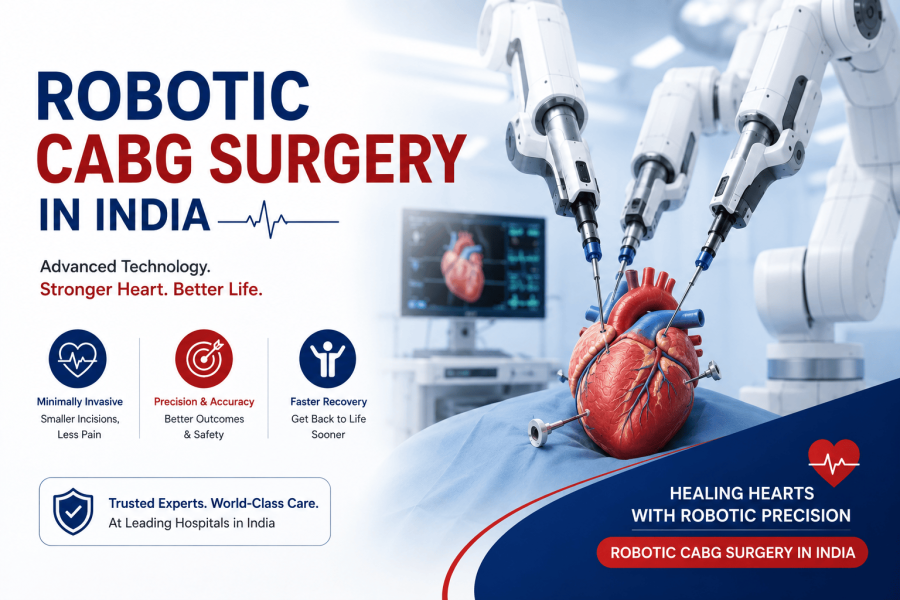
The procedure generally takes 3 to 6 hours, depending on the number of coronary arteries requiring bypass and the complexity of the surgery.
Patients usually remain in the hospital for 4 to 7 days after robotic CABG surgery.
General Anesthesia
9,000 to 12,000 USD*
Robotic CABG Surgery in India is one of the most advanced minimally invasive procedures for treating coronary artery disease (CAD). Also known as Robotic Coronary Artery Bypass Grafting (CABG) or Robot-Assisted Heart Bypass Surgery, this innovative technique allows surgeons to perform bypass surgery through small keyhole incisions instead of opening the chest through a traditional sternotomy. The procedure offers excellent clinical outcomes with less pain, minimal blood loss, reduced risk of infection, faster recovery, and superior cosmetic results.
India has become a globally recognized destination for Robotic CABG Surgery in India, attracting patients from Africa, the Middle East, Europe, and other regions seeking world-class cardiac care at affordable costs. Leading cardiac centers are equipped with advanced robotic systems such as the da Vinci Xi® Surgical System and da Vinci X® Surgical System, combined with AI-assisted surgical planning, high-definition 3D visualization, intraoperative fluorescence imaging, beating-heart (off-pump) techniques, hybrid coronary revascularization, minimally invasive direct coronary artery bypass (MIDCAB), Enhanced Recovery After Surgery (ERAS) protocols, and digital postoperative monitoring. These advancements enable cardiac surgeons to perform highly precise bypass procedures while minimizing trauma and accelerating patient recovery.
Robotic CABG is particularly suitable for selected patients with blocked coronary arteries who require surgical revascularization but wish to avoid the longer recovery associated with conventional open-heart surgery.
Patients requiring Robotic CABG Surgery in India may experience:
The risk of coronary artery disease increases due to:
Before undergoing Robotic CABG Surgery in India, patients undergo a comprehensive cardiac evaluation to determine the severity of coronary artery disease and suitability for robotic surgery.
Investigations may include:
International patients can share their medical reports online to receive an expert opinion and treatment plan before travelling to India.
The procedure is performed under general anesthesia.
Instead of opening the breastbone, the surgeon makes a few small incisions between the ribs to insert robotic instruments and a high-definition 3D camera. The robotic system provides exceptional precision, flexibility, and control while the surgeon performs the bypass grafting procedure.
Modern robotic platforms combine AI-assisted surgical planning, three-dimensional visualization, intraoperative fluorescence imaging, beating-heart (off-pump) bypass techniques, hybrid coronary revascularization, and minimally invasive direct coronary artery bypass (MIDCAB) to improve graft accuracy while minimizing surgical trauma. The internal mammary artery is commonly used to bypass the blocked coronary artery, restoring healthy blood flow to the heart muscle.
Compared with conventional CABG surgery, robotic-assisted surgery offers:
A minimally invasive bypass procedure performed through small incisions without opening the chest.
A completely robotic procedure performed through tiny ports without large surgical incisions.
Combines robotic bypass surgery with coronary angioplasty (PCI) and stent placement to achieve complete coronary revascularization in selected patients.
Performed in carefully selected patients requiring bypass of multiple blocked coronary arteries using minimally invasive robotic techniques.
Most patients begin sitting, walking, and breathing exercises within the first 24 hours after surgery. Hospitals following Enhanced Recovery After Surgery (ERAS) protocols focus on effective pain management, early mobilization, optimized nutrition, respiratory rehabilitation, and shorter hospital stays. Digital cardiac rehabilitation, remote ECG monitoring, wearable health devices, and telemedicine consultations further support recovery for international patients after returning home.
Postoperative care includes:
Most patients experience significant improvement in chest pain, breathing, and exercise tolerance after recovery. Regular cardiac rehabilitation, healthy eating, smoking cessation, diabetes control, blood pressure management, and regular exercise help maintain long-term heart health.
Most patients return to routine daily activities much sooner than after conventional open-heart surgery, while continuing regular follow-up with their cardiologist and cardiac surgeon.
Patients requiring Robotic CABG Surgery in India may experience:
The risk of coronary artery disease increases due to:
Before undergoing Robotic CABG Surgery in India, patients undergo a comprehensive cardiac evaluation to determine the severity of coronary artery disease and suitability for robotic surgery.
Investigations may include:
International patients can share their medical reports online to receive an expert opinion and treatment plan before travelling to India.
The procedure is performed under general anesthesia.
Instead of opening the breastbone, the surgeon makes a few small incisions between the ribs to insert robotic instruments and a high-definition 3D camera. The robotic system provides exceptional precision, flexibility, and control while the surgeon performs the bypass grafting procedure.
Modern robotic platforms combine AI-assisted surgical planning, three-dimensional visualization, intraoperative fluorescence imaging, beating-heart (off-pump) bypass techniques, hybrid coronary revascularization, and minimally invasive direct coronary artery bypass (MIDCAB) to improve graft accuracy while minimizing surgical trauma. The internal mammary artery is commonly used to bypass the blocked coronary artery, restoring healthy blood flow to the heart muscle.
Compared with conventional CABG surgery, robotic-assisted surgery offers:
A minimally invasive bypass procedure performed through small incisions without opening the chest.
A completely robotic procedure performed through tiny ports without large surgical incisions.
Combines robotic bypass surgery with coronary angioplasty (PCI) and stent placement to achieve complete coronary revascularization in selected patients.
Performed in carefully selected patients requiring bypass of multiple blocked coronary arteries using minimally invasive robotic techniques.
Most patients begin sitting, walking, and breathing exercises within the first 24 hours after surgery. Hospitals following Enhanced Recovery After Surgery (ERAS) protocols focus on effective pain management, early mobilization, optimized nutrition, respiratory rehabilitation, and shorter hospital stays. Digital cardiac rehabilitation, remote ECG monitoring, wearable health devices, and telemedicine consultations further support recovery for international patients after returning home.
Postoperative care includes:
Most patients experience significant improvement in chest pain, breathing, and exercise tolerance after recovery. Regular cardiac rehabilitation, healthy eating, smoking cessation, diabetes control, blood pressure management, and regular exercise help maintain long-term heart health.
Most patients return to routine daily activities much sooner than after conventional open-heart surgery, while continuing regular follow-up with their cardiologist and cardiac surgeon.
India offers internationally experienced cardiac surgeons, advanced robotic technology, internationally accredited hospitals, shorter waiting times, affordable treatment costs, and excellent clinical outcomes.
For appropriately selected patients, robotic CABG provides smaller incisions, less pain, lower infection risk, reduced blood loss, faster recovery, and earlier return to normal activities while maintaining excellent surgical outcomes.
Patients with suitable coronary artery blockages, good heart function, and favorable anatomy may be candidates. Eligibility is determined after detailed cardiac evaluation by a cardiac surgeon.
Most patients resume light daily activities within 2 to 4 weeks, while complete recovery usually occurs within 6 to 8 weeks, depending on the patient's overall health.
Yes. Hospitals provide online consultations, medical visa assistance, airport transfers, accommodation, interpreters, cardiac rehabilitation, and long-term follow-up for international patients.
The Cost of Robotic CABG Surgery in India is significantly lower than in the USA, UK, Europe, and many other countries while maintaining international standards of cardiac care.
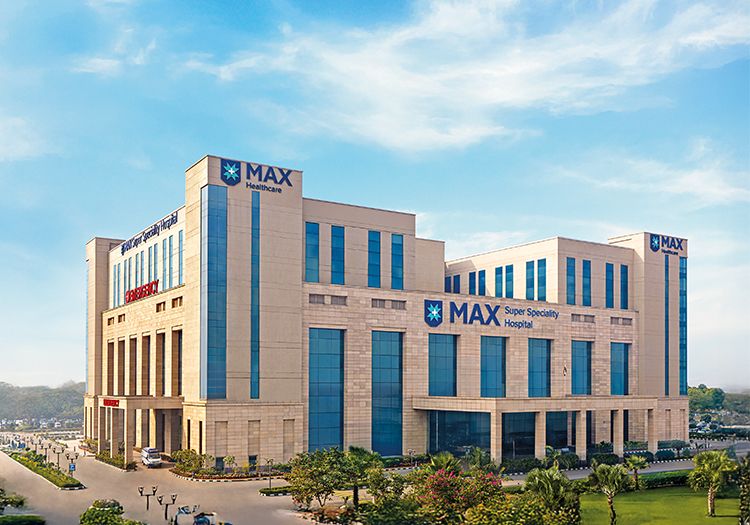
Jaypee Hospital Road, Goberdhanpur, Sector 128, Noida, Uttar Pradesh – 201304, India
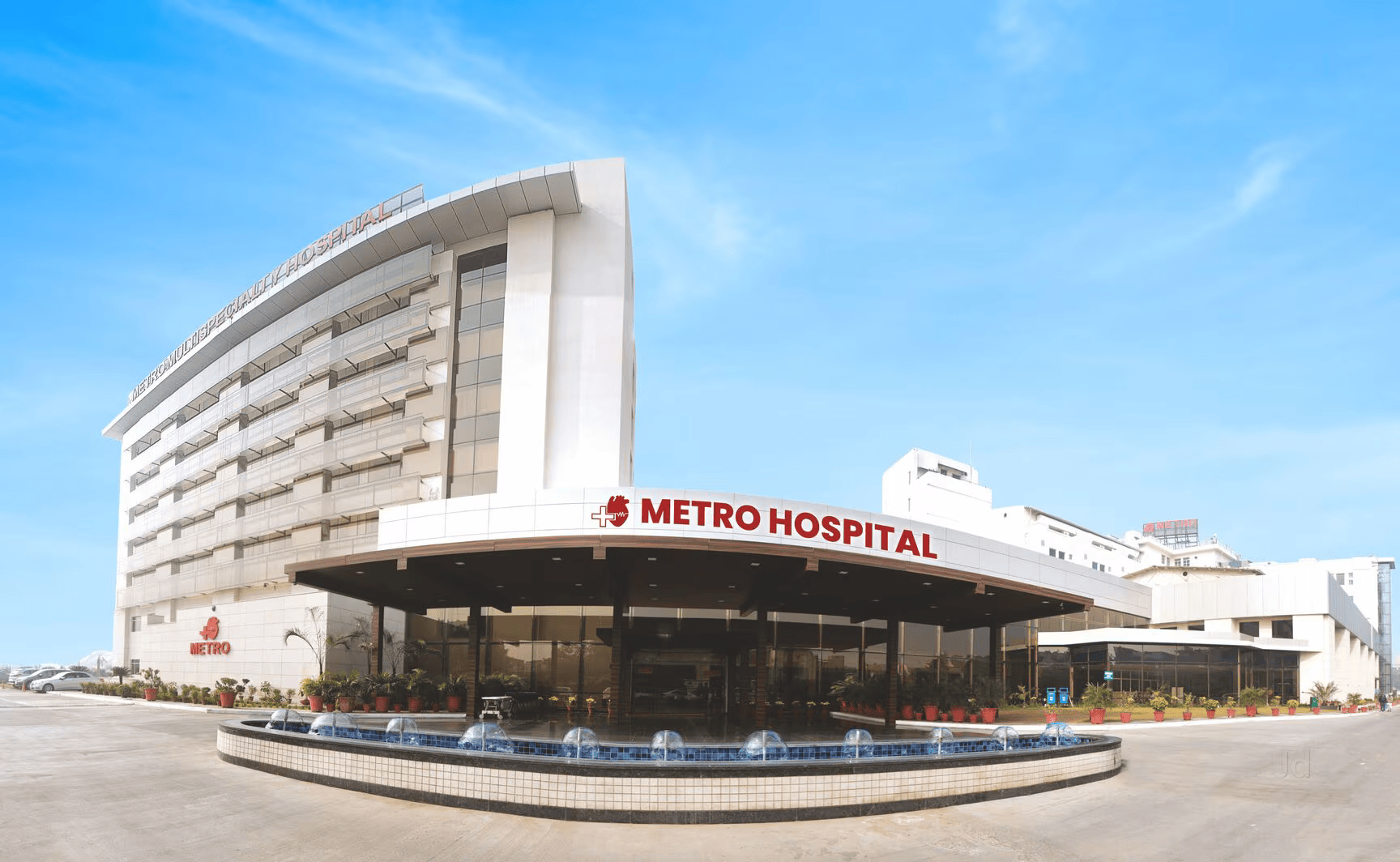
Sector 16A, Faridabad, Haryana – 121002, India
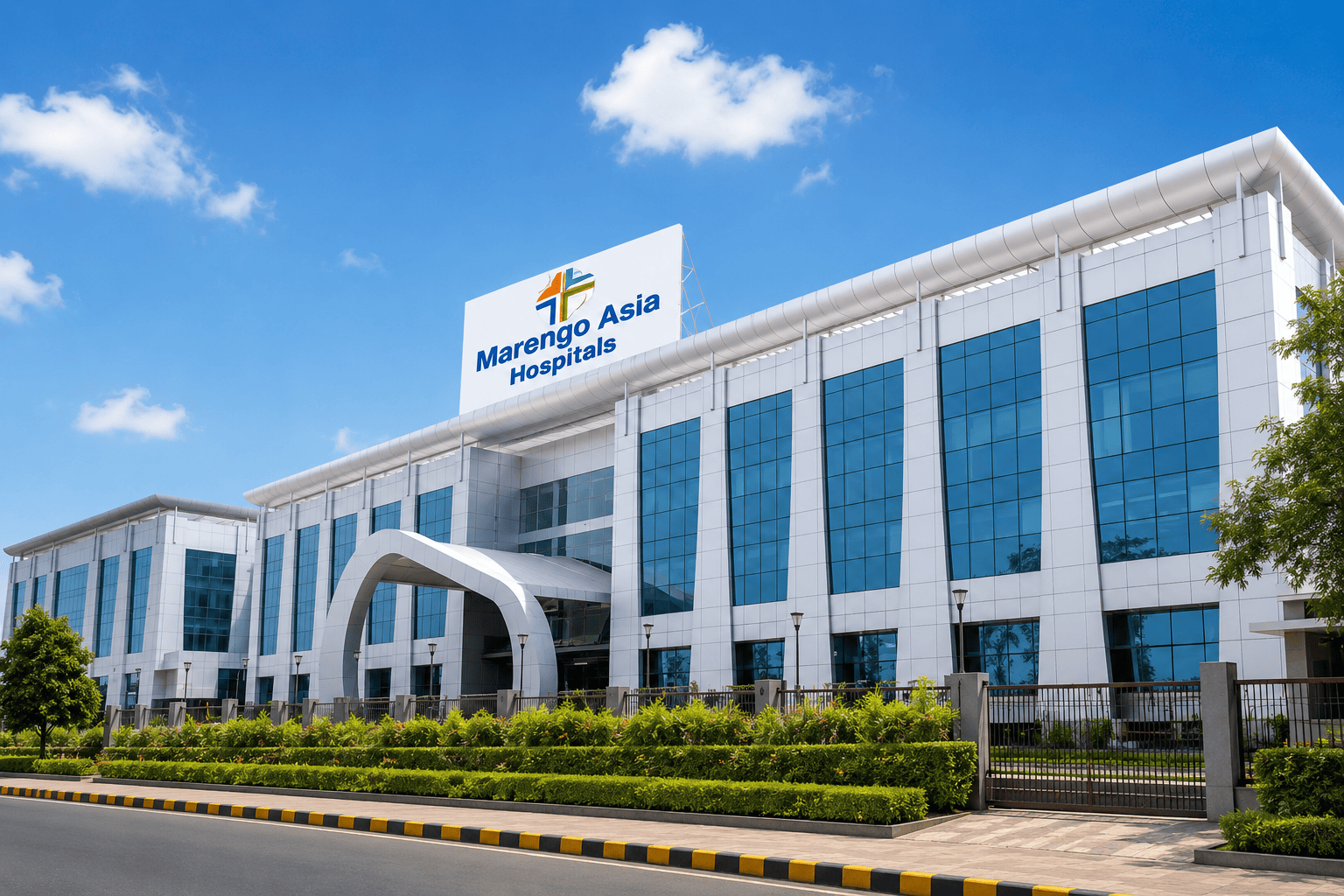
Plot No. 1, HUDA Staff Colony, Sector 16, Faridabad, Haryana – 121002, India
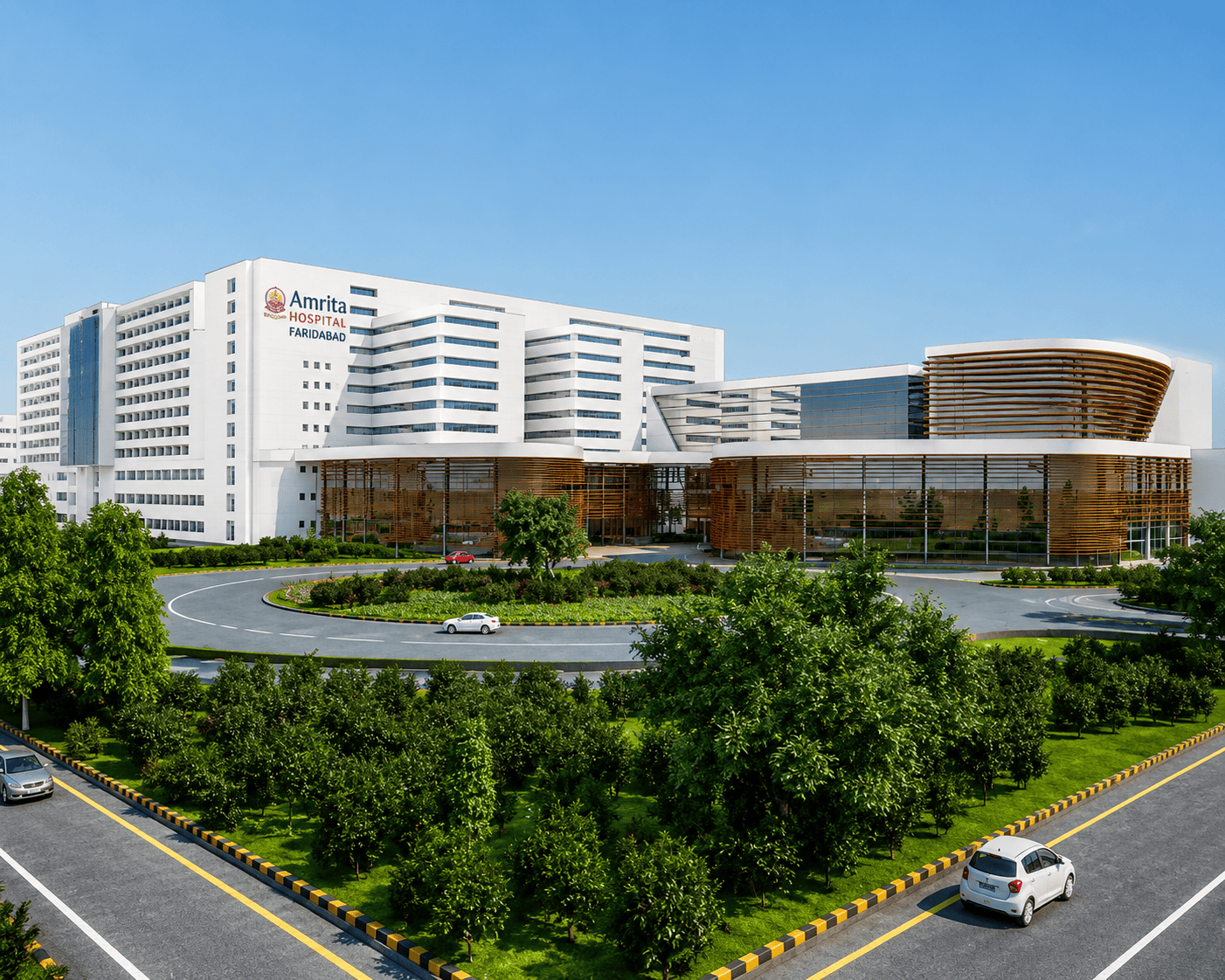
Mata Amritanandamayi Marg, Sector 88, Faridabad, Haryana – 121014, India
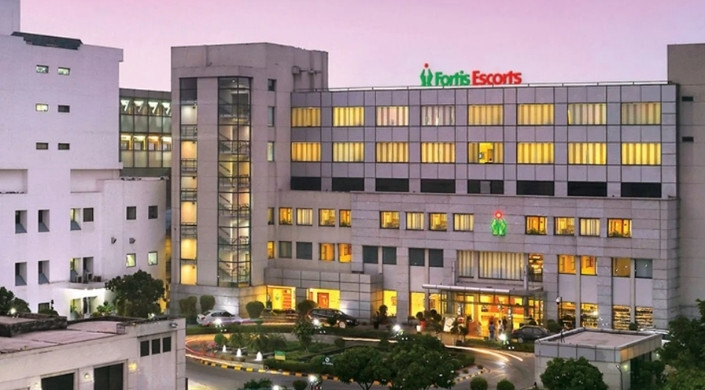
Okhla Road, Opposite Sukhdev Vihar Metro Station, New Delhi – 110025, India
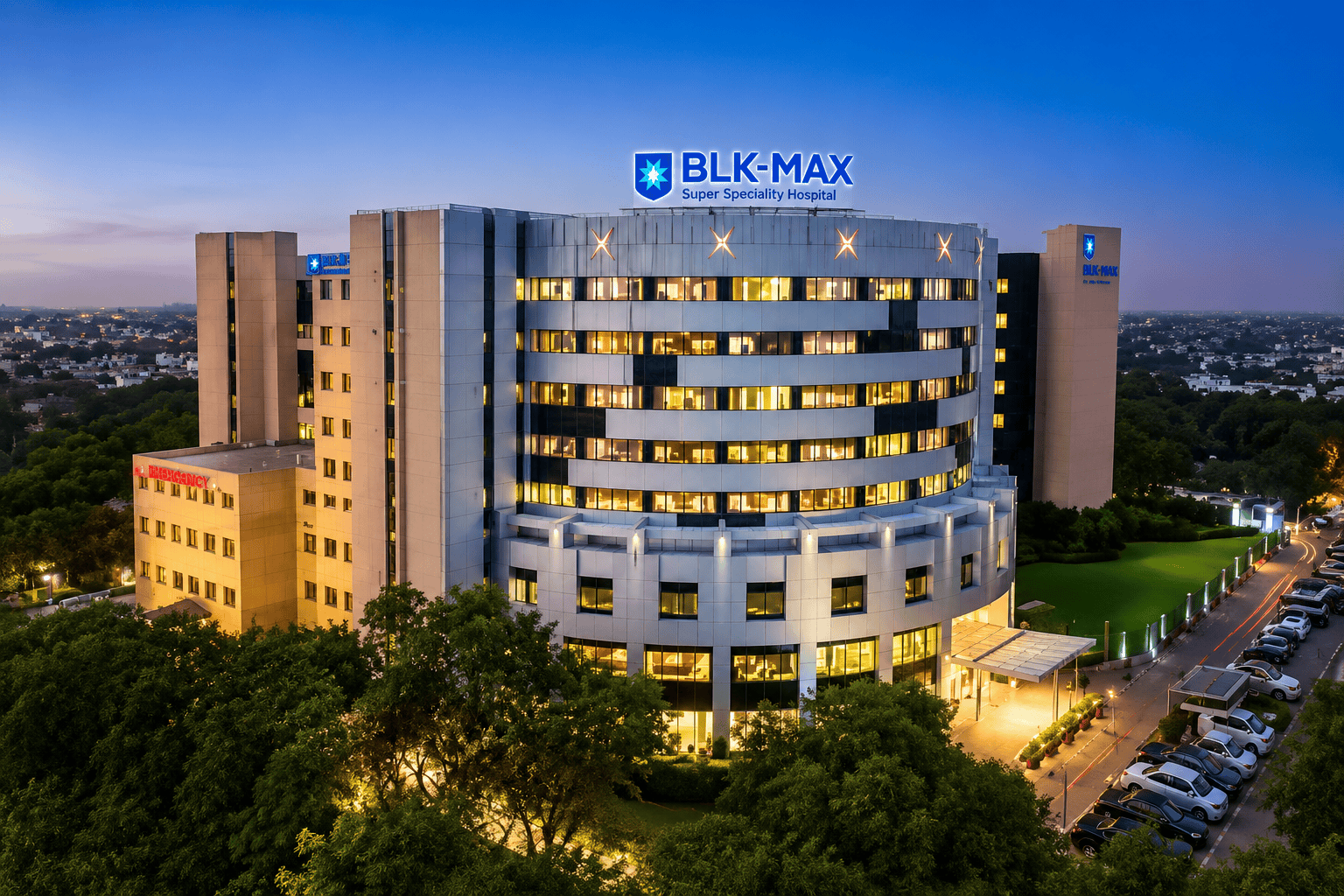
Pusa Road, Rajendra Place, New Delhi – 110005, India
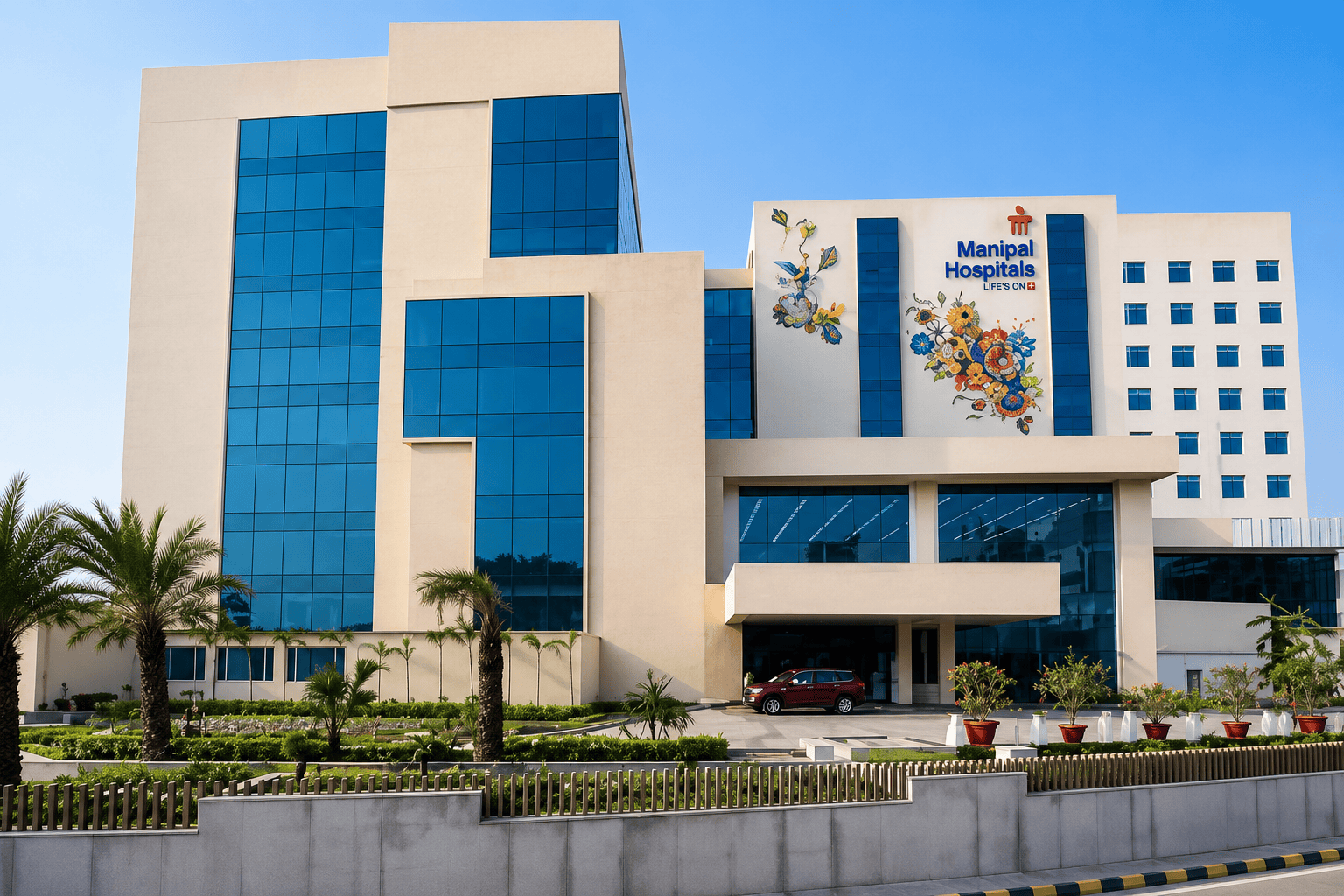
Palam Vihar, Sector 6, Dwarka, New Delhi – 110075, India
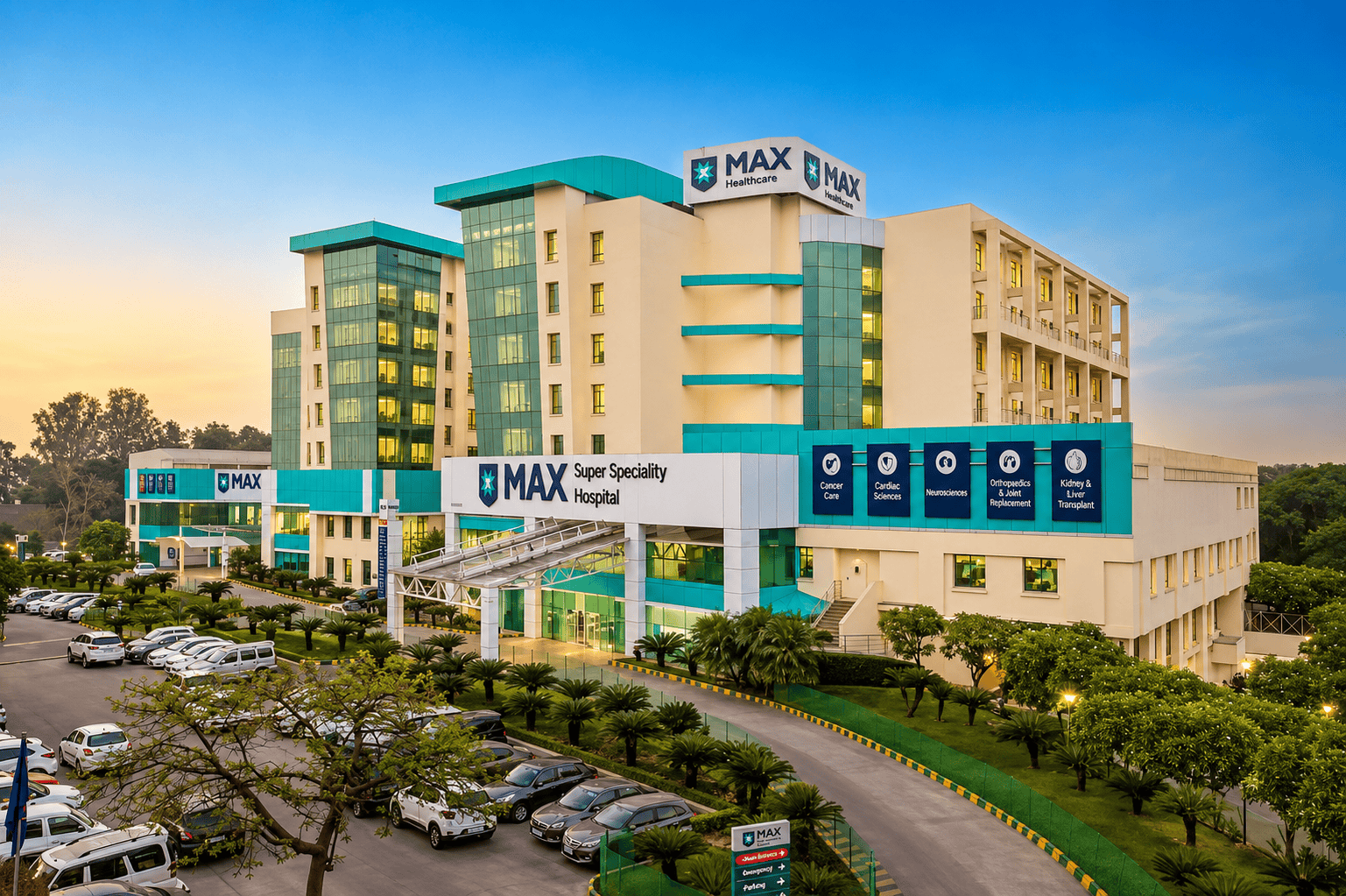
1 & 2, Press Enclave Road, Saket Institutional Area, Saket, New Delhi – 110017, India
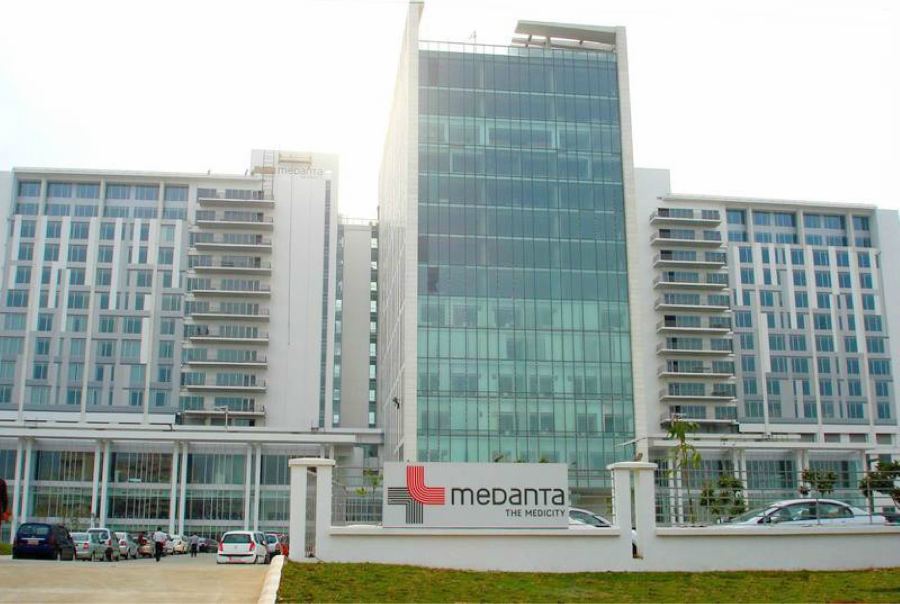
CH Baktawar Singh Road, Sector 38, Gurugram, Haryana – 122001, India
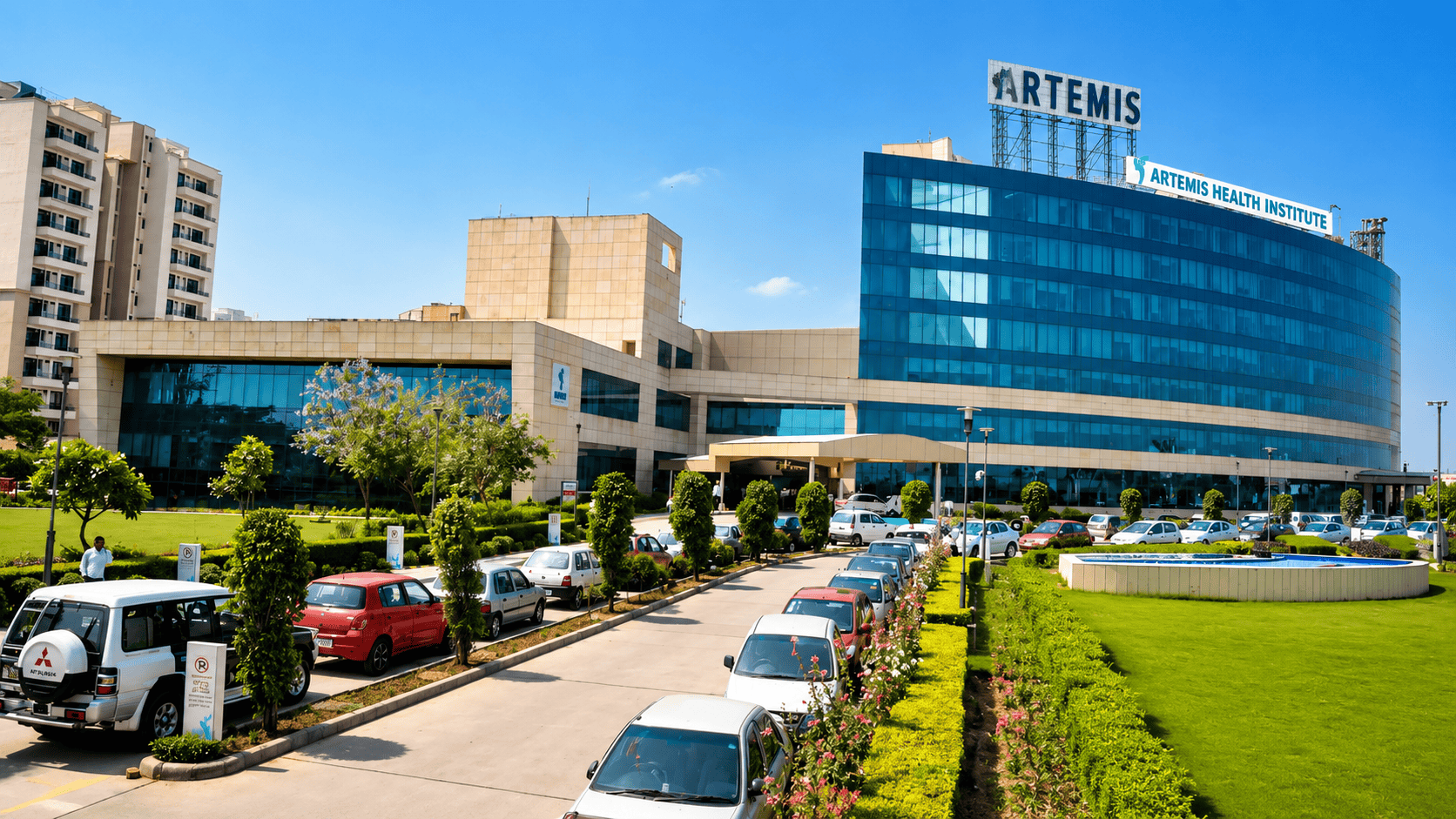
Sector 51, Gurugram, Haryana – 122018, India
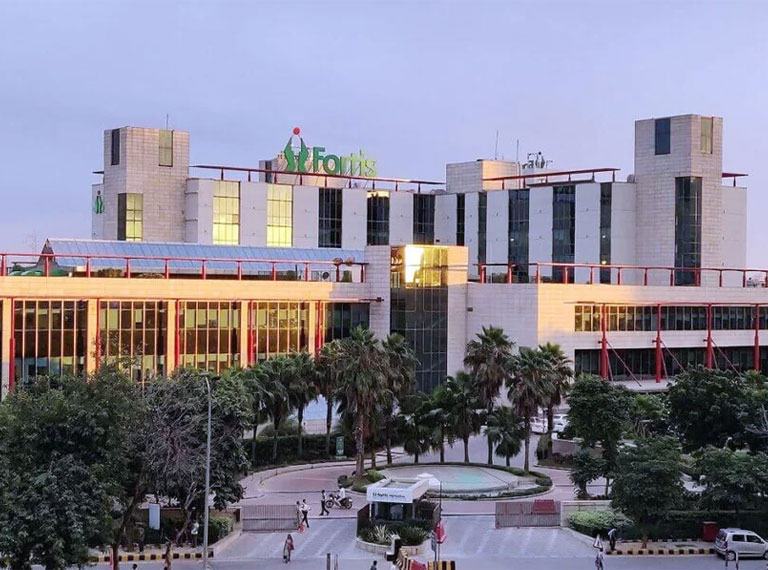
Sector - 44, Gurugram, Haryana – 122002, India
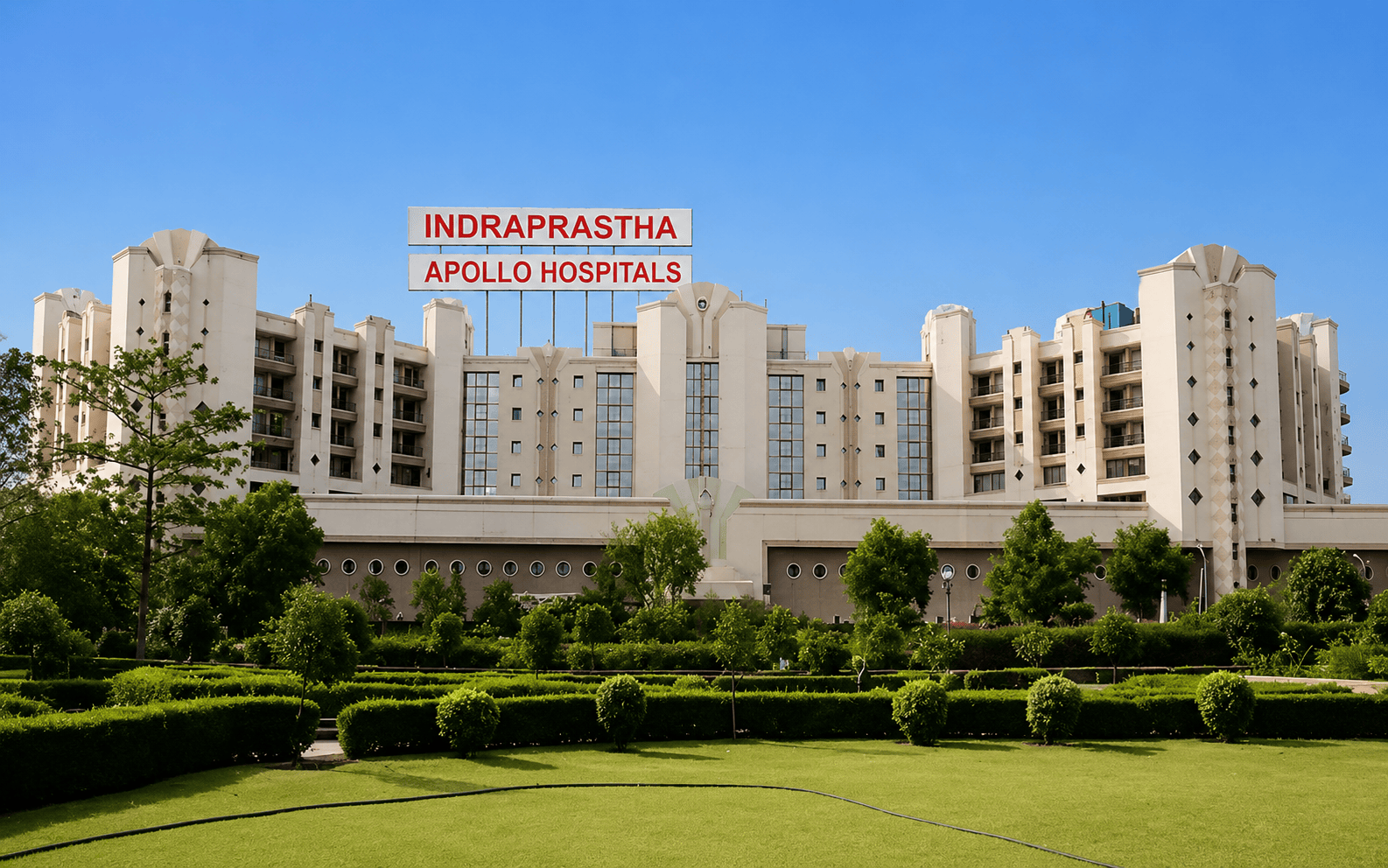
Sarita Vihar, Delhi-Mathura Road, New Delhi – 110076, India