
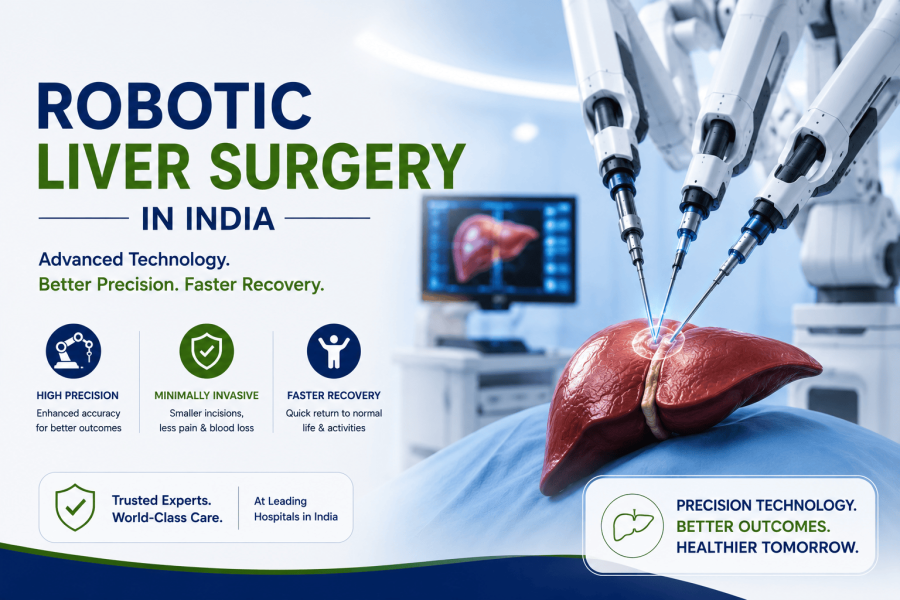
The procedure generally takes 3 to 6 hours, depending on the size, location, and complexity of the liver lesion.
Patients usually remain in the hospital for 4 to 7 days after robotic liver surgery.
General Anesthesia
8,000 to 14,000 USD*
Robotic Liver Surgery in India is one of the most advanced minimally invasive procedures for treating liver tumors, liver cancer, benign liver lesions, and selected liver diseases. By combining the expertise of highly experienced hepatobiliary (HPB) surgeons with next-generation robotic technology, the procedure enables exceptional precision while preserving healthy liver tissue. Compared to conventional open liver surgery, robotic-assisted surgery offers smaller incisions, reduced blood loss, less postoperative pain, faster recovery, shorter hospital stays, and improved cosmetic outcomes.
India has become a preferred destination for Robotic Liver Surgery in India, attracting patients from Africa, the Middle East, Europe, and other countries seeking world-class liver care at affordable costs. Leading liver centers are equipped with advanced robotic platforms such as the da Vinci Xi®, da Vinci X®, Hugo™ Robotic-Assisted Surgery System, and Versius® Surgical System, integrated with AI-assisted surgical planning, patient-specific 3D liver reconstruction, high-definition 3D visualization, indocyanine green (ICG) fluorescence imaging, intraoperative ultrasound guidance, precision parenchymal-sparing techniques, Enhanced Recovery After Surgery (ERAS) protocols, and digital postoperative monitoring. These technologies improve surgical precision, preserve healthy liver tissue, reduce complications, and enhance long-term patient outcomes.
Robotic liver surgery is commonly recommended for selected patients with liver cancer (hepatocellular carcinoma), metastatic liver tumors, cholangiocarcinoma, benign liver tumors, liver cysts, and other complex hepatobiliary conditions where minimally invasive surgery is appropriate.
Patients requiring Robotic Liver Surgery in India may experience:
Many liver tumors are detected incidentally during ultrasound, CT scan, or MRI before symptoms appear.
Several factors increase the risk of liver diseases requiring surgery:
Before undergoing Robotic Liver Surgery in India, patients undergo a comprehensive hepatobiliary evaluation to determine the nature of the liver disease and suitability for robotic surgery.
Investigations may include:
International patients can share their reports online to receive an expert opinion and personalized treatment plan before travelling to India.
The surgery is performed under general anesthesia.
Using a few small keyhole incisions, the surgeon controls robotic instruments that provide superior precision, flexibility, and dexterity. A high-definition three-dimensional camera provides a magnified view of the liver, blood vessels, and surrounding structures.
Modern robotic systems combine AI-assisted surgical planning, patient-specific 3D liver reconstruction, ICG fluorescence imaging, intraoperative ultrasound guidance, and precision liver parenchymal-sparing techniques to accurately identify tumors, preserve healthy liver tissue, minimize bleeding, and improve surgical safety. Depending on the condition, the surgeon may perform a segmental liver resection, lobectomy, wedge resection, or other complex hepatobiliary procedures using minimally invasive techniques.
Compared with conventional open liver surgery, robotic-assisted surgery offers:
Removal of the diseased portion of the liver while preserving healthy liver tissue.
Removal of one or more liver segments affected by tumors or other diseases.
Removal of the right or left lobe of the liver for larger tumors or complex liver diseases.
Removal of cancer that has spread to the liver from organs such as the colon, rectum, stomach, or pancreas.
Minimally invasive removal of non-cancerous liver tumors, cysts, or adenomas causing symptoms or complications.
Most patients begin walking within 24 hours after surgery. Hospitals following Enhanced Recovery After Surgery (ERAS) protocols emphasize early mobilization, optimized pain control, early nutrition, and faster recovery. Many centers also offer digital follow-up consultations and telemedicine services for international patients after returning home.
Postoperative care includes:
Most patients recover faster after robotic liver surgery compared with conventional open surgery. The liver has a remarkable ability to regenerate, and many patients gradually return to normal activities within a few weeks after surgery.
Long-term follow-up includes periodic imaging, liver function tests, and oncology consultations where appropriate. Maintaining a healthy weight, avoiding excessive alcohol consumption, controlling hepatitis, and following a balanced diet contribute to long-term liver health and improved quality of life.
Patients requiring Robotic Liver Surgery in India may experience:
Many liver tumors are detected incidentally during ultrasound, CT scan, or MRI before symptoms appear.
Several factors increase the risk of liver diseases requiring surgery:
Before undergoing Robotic Liver Surgery in India, patients undergo a comprehensive hepatobiliary evaluation to determine the nature of the liver disease and suitability for robotic surgery.
Investigations may include:
International patients can share their reports online to receive an expert opinion and personalized treatment plan before travelling to India.
The surgery is performed under general anesthesia.
Using a few small keyhole incisions, the surgeon controls robotic instruments that provide superior precision, flexibility, and dexterity. A high-definition three-dimensional camera provides a magnified view of the liver, blood vessels, and surrounding structures.
Modern robotic systems combine AI-assisted surgical planning, patient-specific 3D liver reconstruction, ICG fluorescence imaging, intraoperative ultrasound guidance, and precision liver parenchymal-sparing techniques to accurately identify tumors, preserve healthy liver tissue, minimize bleeding, and improve surgical safety. Depending on the condition, the surgeon may perform a segmental liver resection, lobectomy, wedge resection, or other complex hepatobiliary procedures using minimally invasive techniques.
Compared with conventional open liver surgery, robotic-assisted surgery offers:
Removal of the diseased portion of the liver while preserving healthy liver tissue.
Removal of one or more liver segments affected by tumors or other diseases.
Removal of the right or left lobe of the liver for larger tumors or complex liver diseases.
Removal of cancer that has spread to the liver from organs such as the colon, rectum, stomach, or pancreas.
Minimally invasive removal of non-cancerous liver tumors, cysts, or adenomas causing symptoms or complications.
Most patients begin walking within 24 hours after surgery. Hospitals following Enhanced Recovery After Surgery (ERAS) protocols emphasize early mobilization, optimized pain control, early nutrition, and faster recovery. Many centers also offer digital follow-up consultations and telemedicine services for international patients after returning home.
Postoperative care includes:
Most patients recover faster after robotic liver surgery compared with conventional open surgery. The liver has a remarkable ability to regenerate, and many patients gradually return to normal activities within a few weeks after surgery.
Long-term follow-up includes periodic imaging, liver function tests, and oncology consultations where appropriate. Maintaining a healthy weight, avoiding excessive alcohol consumption, controlling hepatitis, and following a balanced diet contribute to long-term liver health and improved quality of life.
India offers internationally experienced hepatobiliary surgeons, advanced robotic technology, internationally accredited hospitals, affordable treatment costs, and excellent clinical outcomes.
For appropriately selected patients, robotic surgery provides greater precision, smaller incisions, reduced blood loss, less pain, faster recovery, shorter hospitalization, and improved preservation of healthy liver tissue.
Robotic surgery may be suitable for liver cancer, metastatic liver tumors, cholangiocarcinoma, benign liver tumors, liver cysts, and selected hepatobiliary disorders, depending on the patient's condition.
Most patients resume light daily activities within 2 to 4 weeks, while complete recovery generally takes 6 to 8 weeks, depending on the extent of surgery.
Yes. Hospitals provide online consultations, medical visa assistance, airport transfers, accommodation, interpreters, and long-term follow-up support for international patients.
The Cost of Robotic Liver Surgery in India is significantly lower than in the USA, UK, Europe, and many other countries while maintaining international standards of hepatobiliary care.
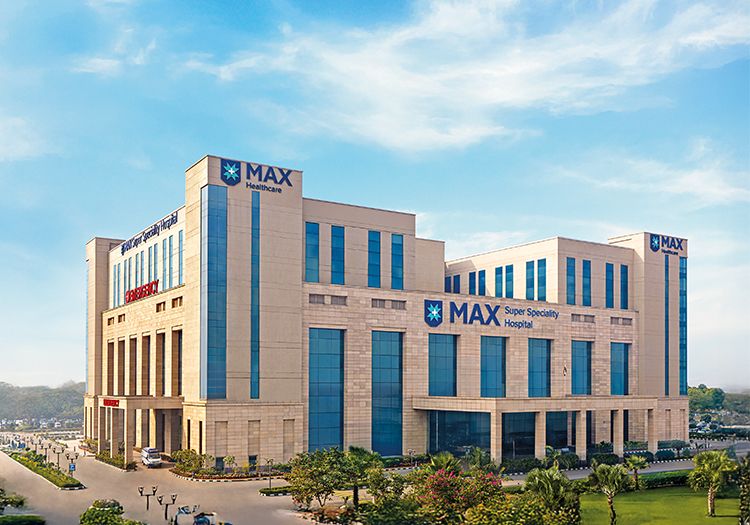
Jaypee Hospital Road, Goberdhanpur, Sector 128, Noida, Uttar Pradesh – 201304, India
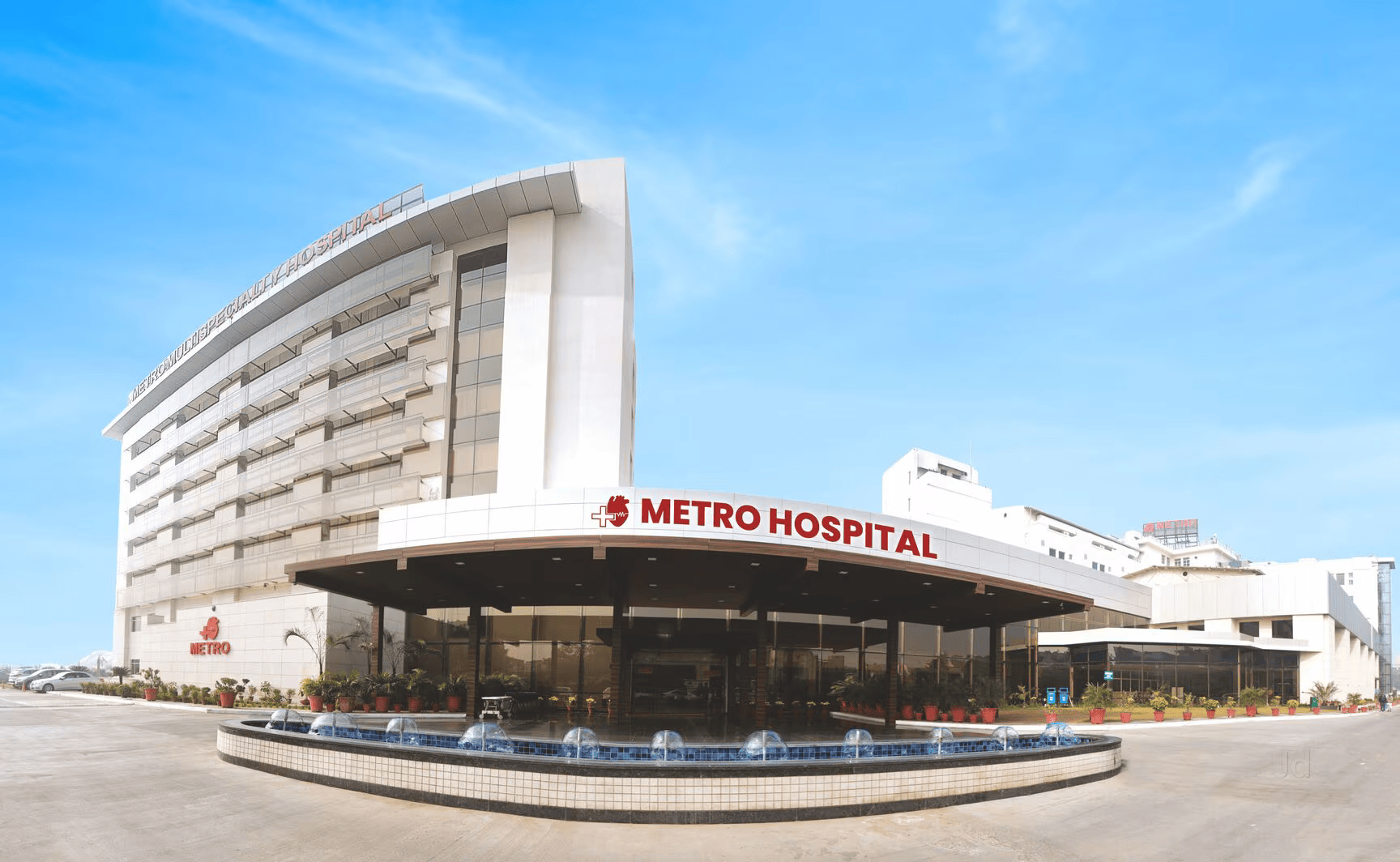
Sector 16A, Faridabad, Haryana – 121002, India
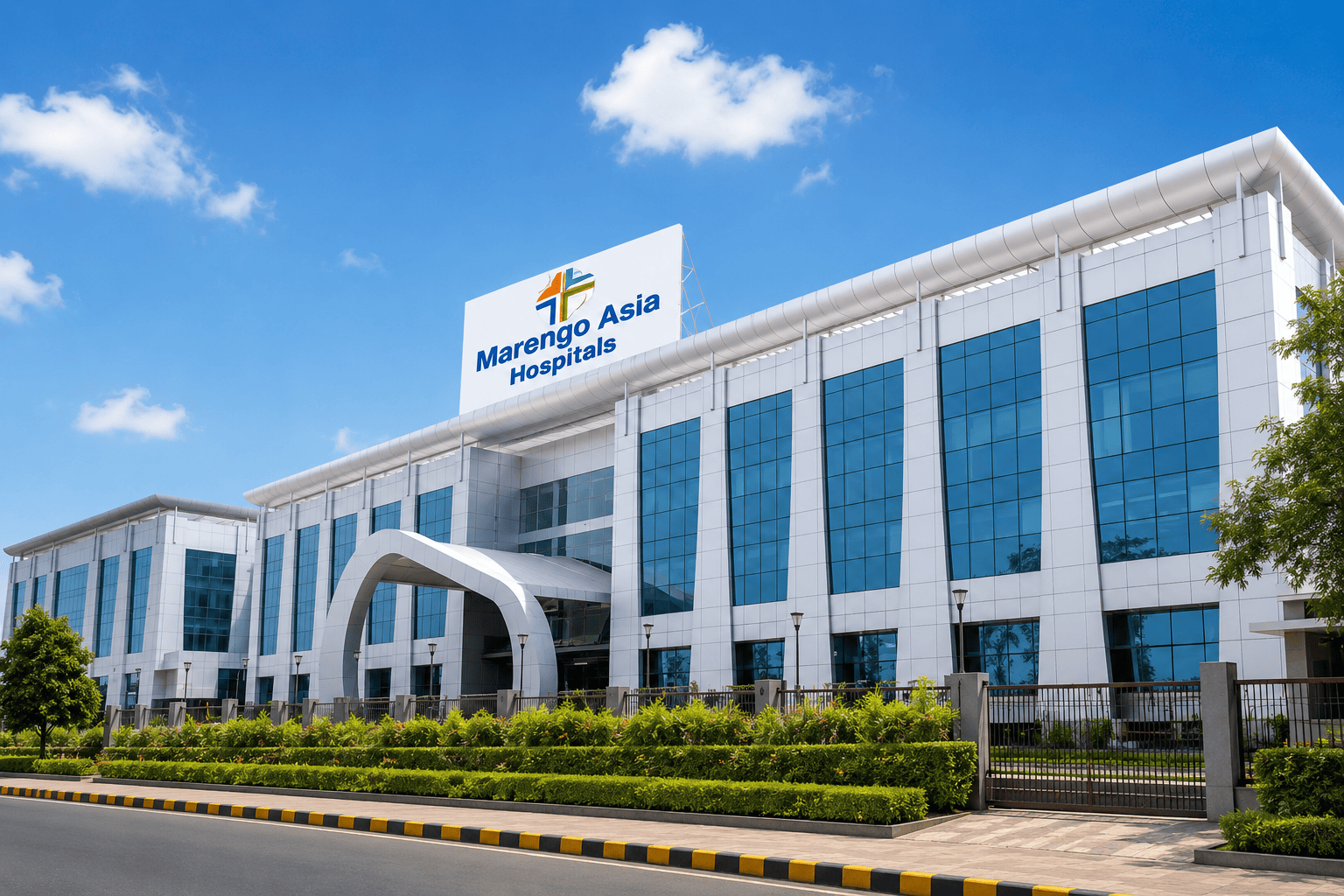
Plot No. 1, HUDA Staff Colony, Sector 16, Faridabad, Haryana – 121002, India

Mata Amritanandamayi Marg, Sector 88, Faridabad, Haryana – 121014, India
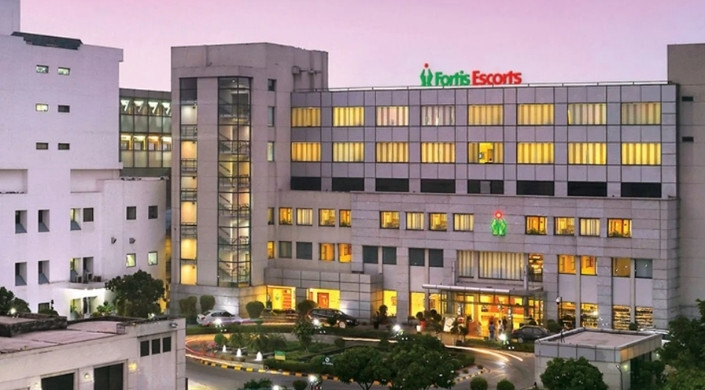
Okhla Road, Opposite Sukhdev Vihar Metro Station, New Delhi – 110025, India
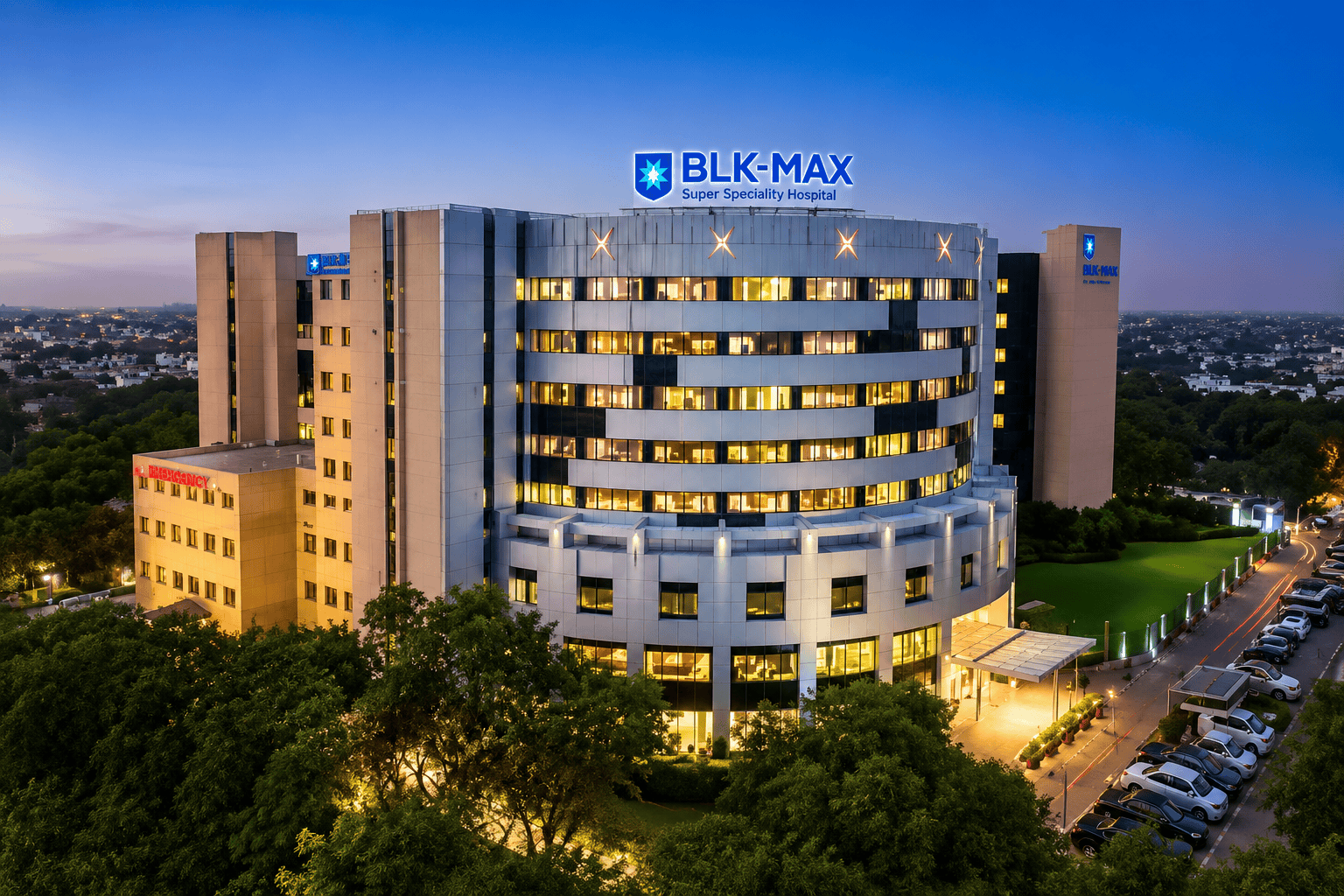
Pusa Road, Rajendra Place, New Delhi – 110005, India
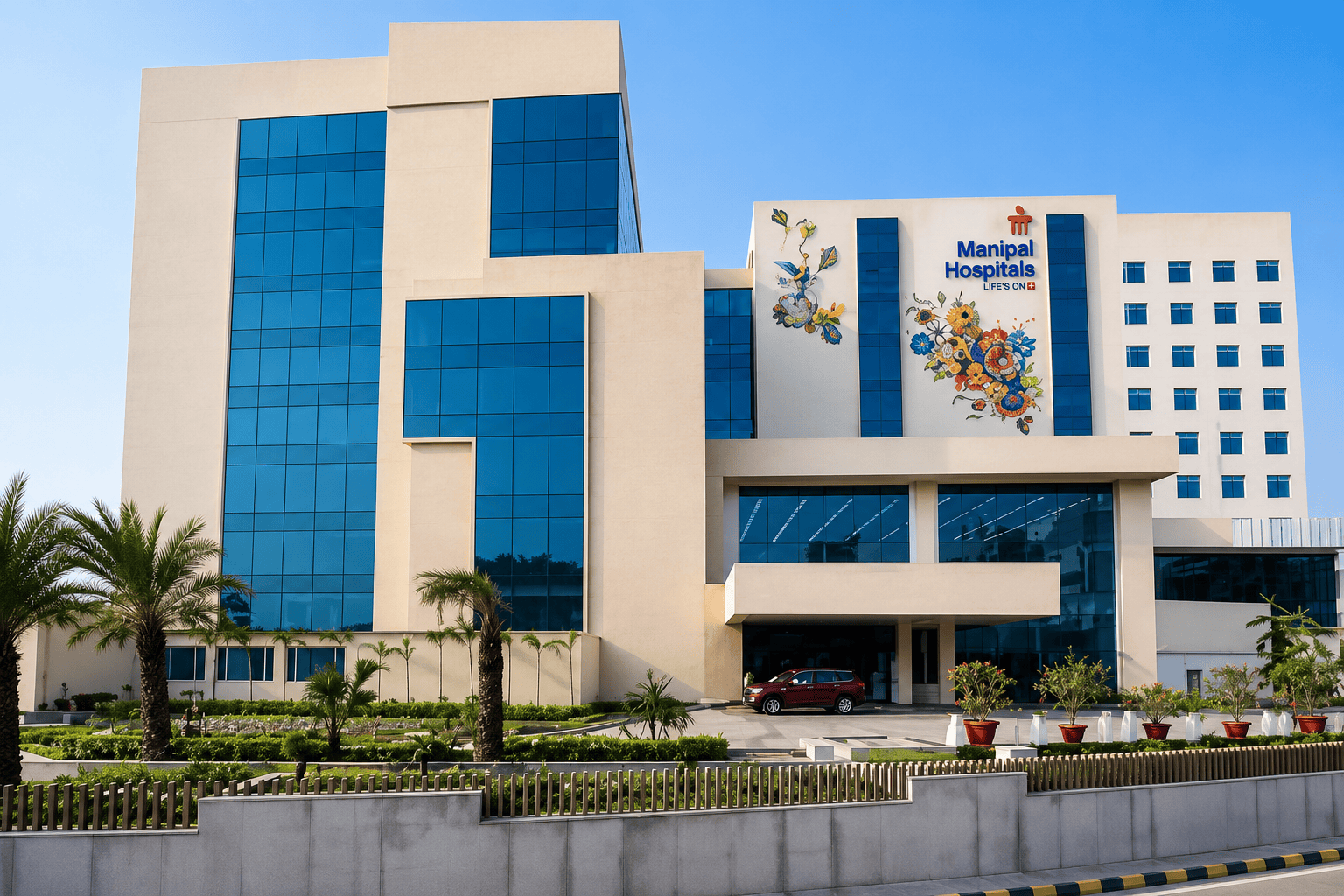
Palam Vihar, Sector 6, Dwarka, New Delhi – 110075, India
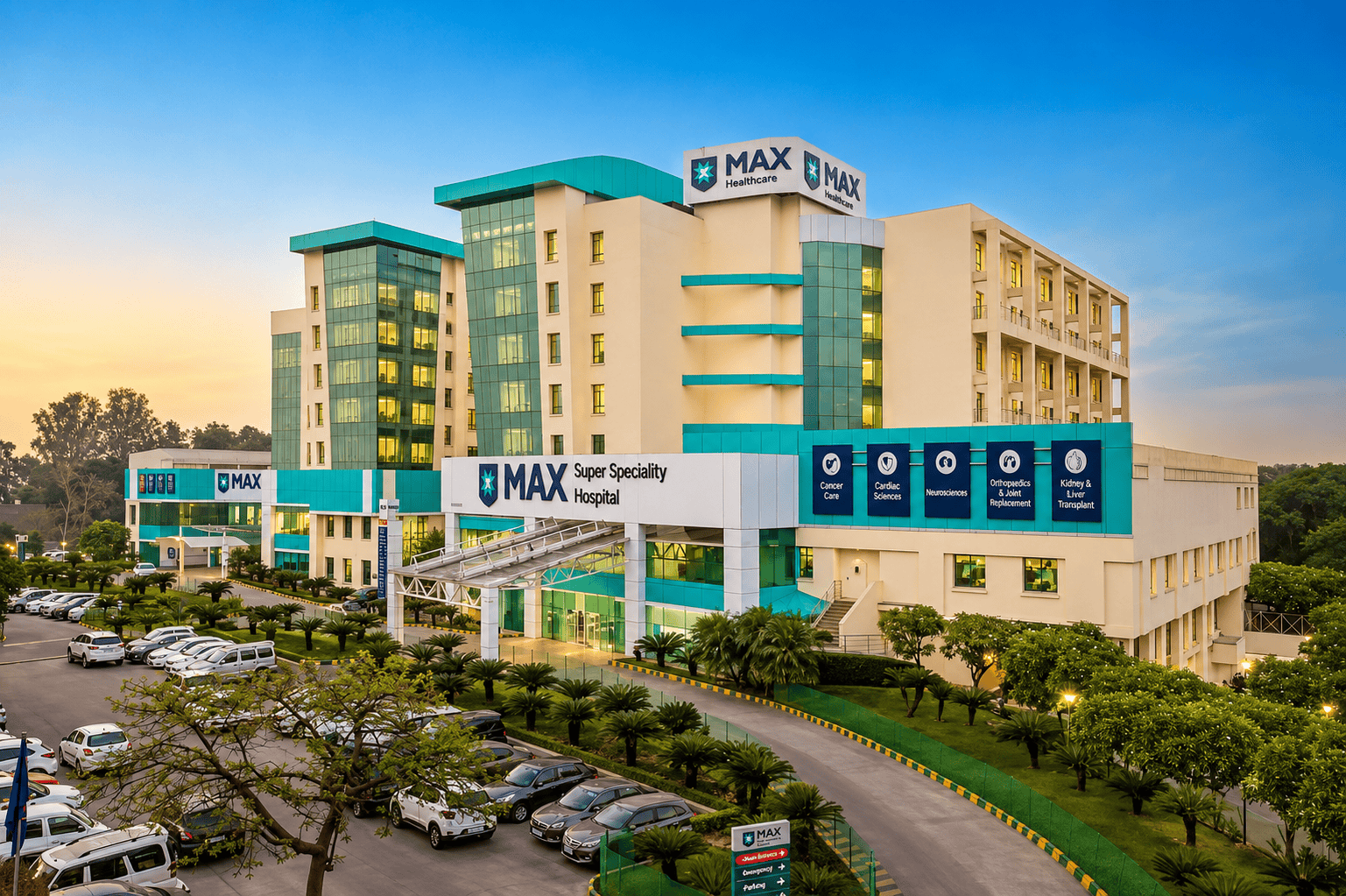
1 & 2, Press Enclave Road, Saket Institutional Area, Saket, New Delhi – 110017, India
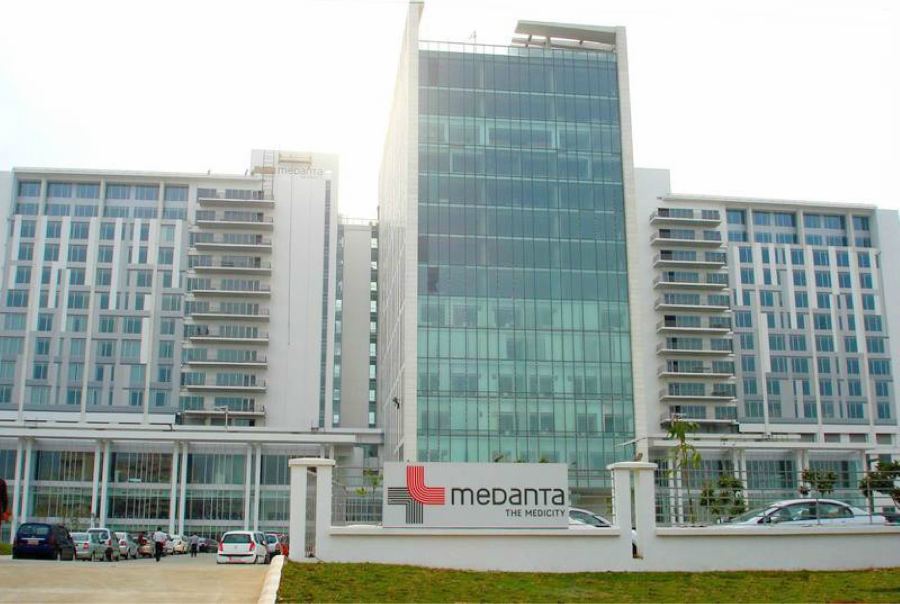
CH Baktawar Singh Road, Sector 38, Gurugram, Haryana – 122001, India
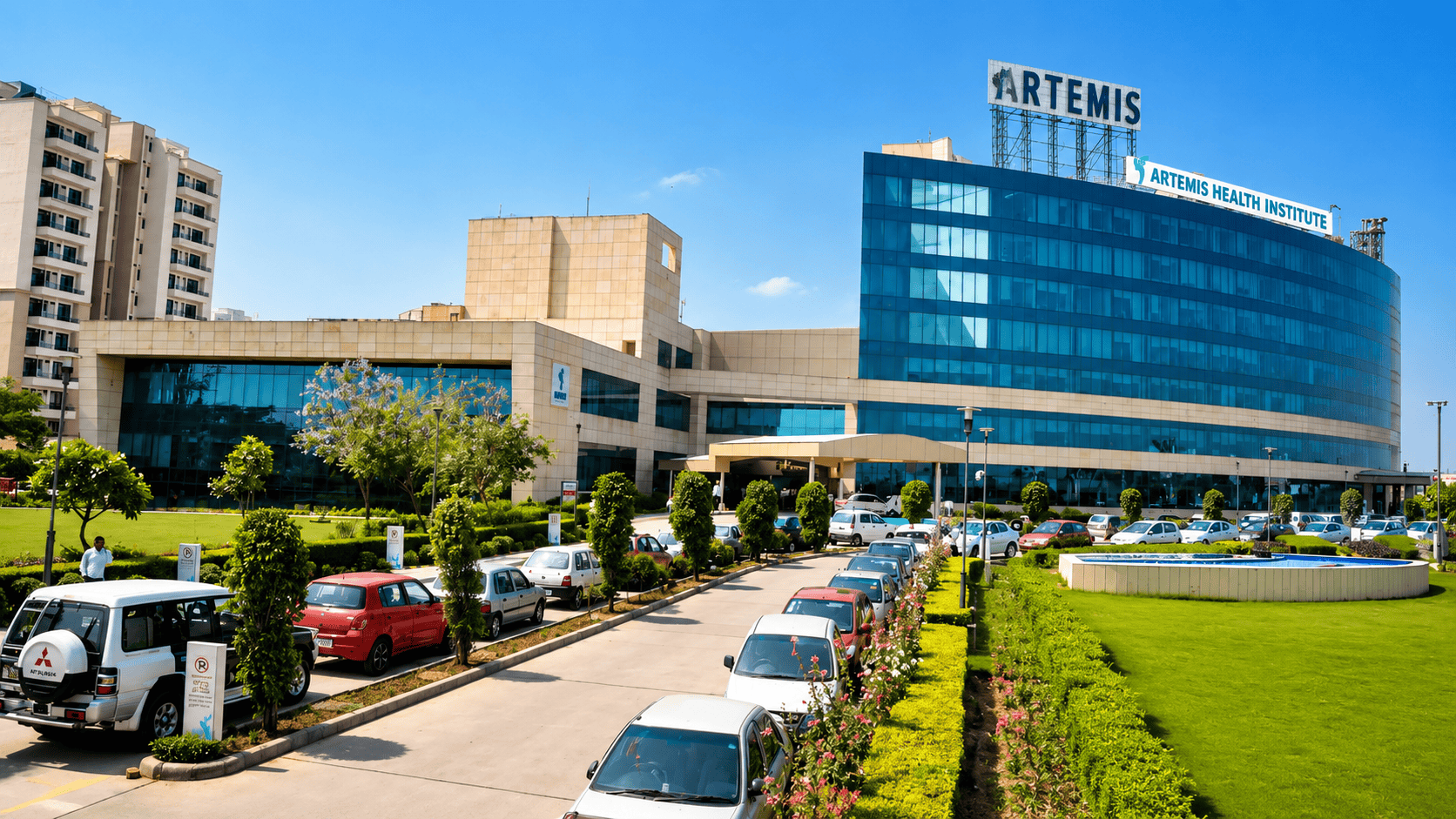
Sector 51, Gurugram, Haryana – 122018, India
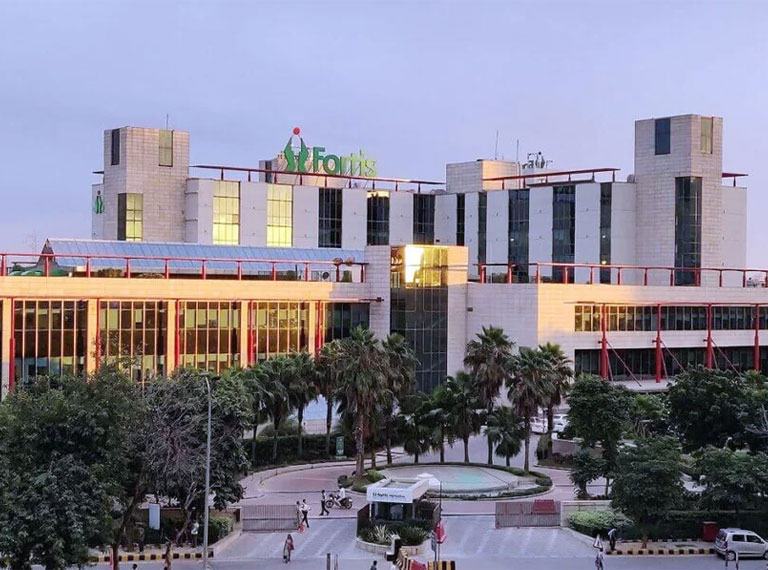
Sector - 44, Gurugram, Haryana – 122002, India
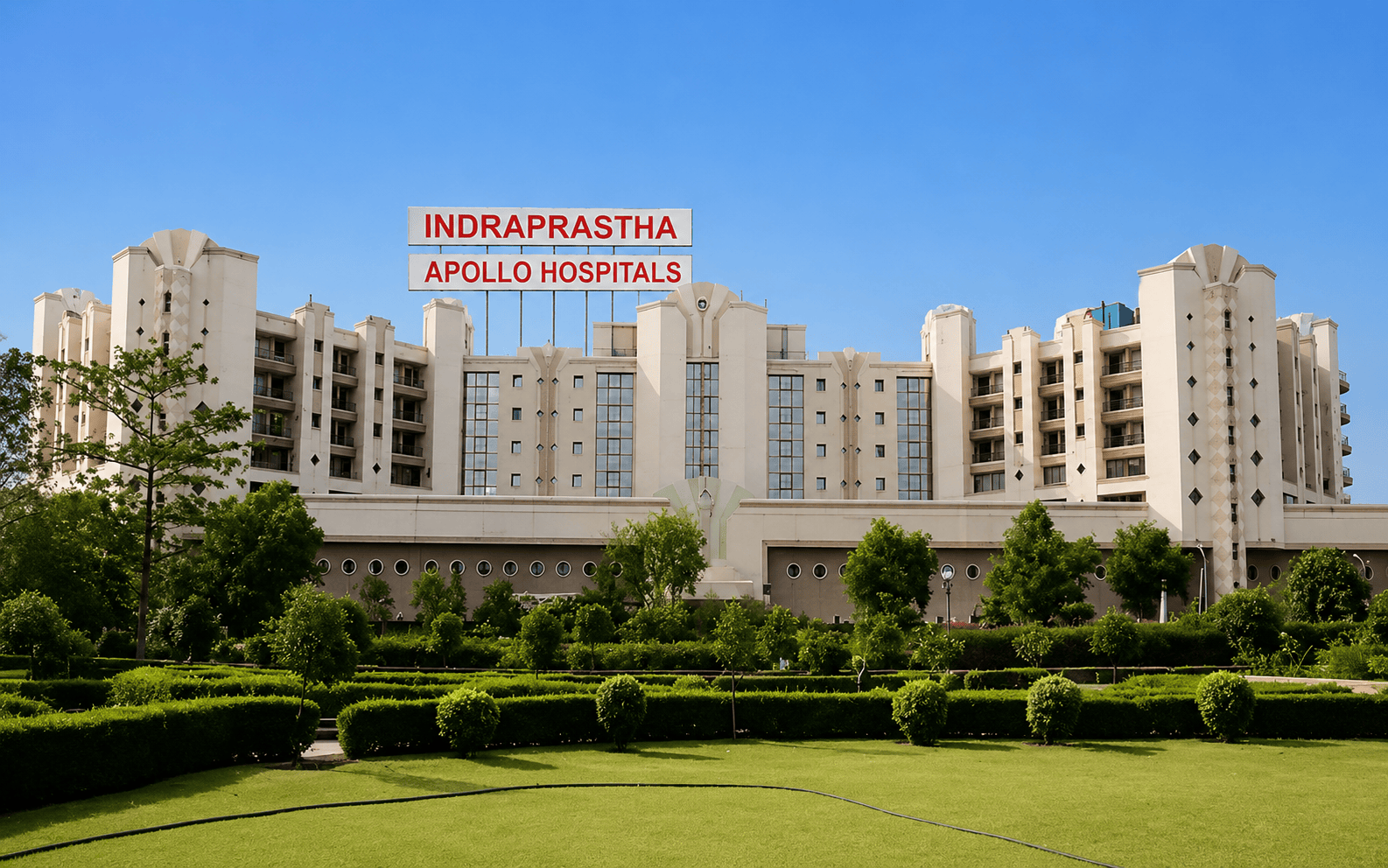
Sarita Vihar, Delhi-Mathura Road, New Delhi – 110076, India