
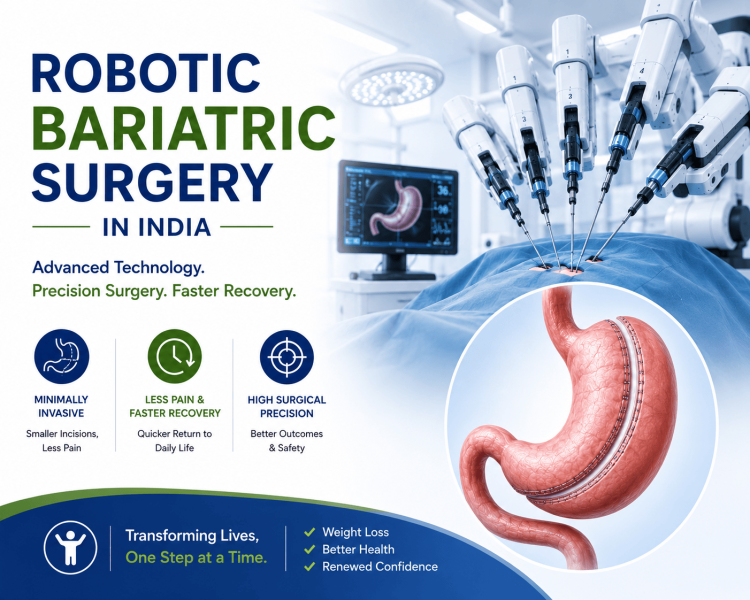
The procedure generally takes 1.5 to 3.5 hours, depending on the type of bariatric surgery and the complexity of the case.
Patients usually remain in the hospital for 2 to 4 days following robotic bariatric surgery.
General Anesthesia
6,000 to 10,000USD*
Robotic Bariatric Surgery in India is one of the most advanced minimally invasive weight-loss procedures for individuals struggling with obesity and obesity-related health conditions. By combining the expertise of experienced bariatric surgeons with next-generation robotic technology, the procedure offers exceptional surgical precision, improved safety, and faster recovery compared to conventional bariatric surgery. Robotic-assisted techniques provide greater flexibility and accuracy, particularly in complex cases and patients with severe obesity.
India has become a preferred destination for Robotic Bariatric Surgery in India, attracting patients from Africa, the Middle East, Europe, and other countries seeking world-class obesity treatment at affordable costs. Leading bariatric centers are equipped with advanced robotic platforms such as the da Vinci Xi®, da Vinci X®, Hugo™ Robotic-Assisted Surgery System, and Versius® Surgical System, integrated with AI-assisted surgical planning, high-definition 3D visualization, fluorescence-guided imaging, precision stapling technology, enhanced ergonomic robotic instruments, Enhanced Recovery After Surgery (ERAS) protocols, and digital postoperative monitoring. These innovations help improve surgical accuracy, reduce complications, minimize postoperative pain, shorten hospital stays, and support long-term weight-loss success.
Robotic bariatric surgery is recommended for patients with severe obesity who have been unable to achieve sustainable weight loss through diet, exercise, or medications and who are at risk of obesity-related conditions such as diabetes, hypertension, sleep apnea, and heart disease.
Patients who may benefit from Robotic Bariatric Surgery in India often experience:
Factors that increase the risk of obesity and related complications include:
Before undergoing Robotic Bariatric Surgery in India, patients undergo a comprehensive medical evaluation to determine their suitability for surgery and identify the most appropriate bariatric procedure.
Investigations may include:
International patients can share their medical reports online to receive an expert opinion and personalized treatment plan before travelling to India.
The surgery is performed under general anesthesia using a few small keyhole incisions.
The surgeon controls robotic instruments through a high-definition three-dimensional console that provides superior visualization, enhanced dexterity, and greater precision than conventional laparoscopic surgery. Modern robotic systems combine AI-assisted surgical planning, high-definition 3D visualization, fluorescence-guided imaging, precision robotic stapling technology, and advanced energy devices to improve surgical accuracy while minimizing trauma to surrounding tissues.
Depending on the patient's BMI, medical condition, eating habits, and weight-loss goals, the surgeon may perform a robotic sleeve gastrectomy, gastric bypass, mini gastric bypass, duodenal switch, or revisional bariatric surgery.
Compared with conventional bariatric surgery, robotic-assisted surgery offers:
The most commonly performed bariatric procedure in which approximately 75–80% of the stomach is removed, reducing food intake and hunger.
Creates a small stomach pouch and reroutes part of the small intestine to reduce calorie absorption and promote significant weight loss.
A simplified gastric bypass procedure with excellent weight-loss and diabetes remission outcomes.
A highly effective bariatric procedure combining sleeve gastrectomy with intestinal bypass for patients with severe obesity.
Performed for patients who require correction or revision of a previous bariatric procedure due to inadequate weight loss or complications.
Most patients begin walking within a few hours after surgery and gradually start a liquid diet under medical supervision. Hospitals following Enhanced Recovery After Surgery (ERAS) protocols emphasize early mobilization, effective pain management, rapid nutritional recovery, and shorter hospital stays. Many centers also provide digital follow-up, telemedicine consultations, nutrition counseling, and long-term weight-loss monitoring for international patients.
Postoperative care includes:
Robotic bariatric surgery is a powerful tool for long-term weight management but requires lifelong commitment to healthy eating, regular exercise, vitamin supplementation, and routine medical follow-up.
Most patients experience substantial weight loss over the first 12 to 18 months after surgery, along with significant improvement or complete remission of obesity-related conditions such as Type 2 diabetes, hypertension, sleep apnea, fatty liver disease, and joint pain. Ongoing nutritional guidance and lifestyle modifications help maintain long-term success and improve overall quality of life.
Patients who may benefit from Robotic Bariatric Surgery in India often experience:
Factors that increase the risk of obesity and related complications include:
Before undergoing Robotic Bariatric Surgery in India, patients undergo a comprehensive medical evaluation to determine their suitability for surgery and identify the most appropriate bariatric procedure.
Investigations may include:
International patients can share their medical reports online to receive an expert opinion and personalized treatment plan before travelling to India.
The surgery is performed under general anesthesia using a few small keyhole incisions.
The surgeon controls robotic instruments through a high-definition three-dimensional console that provides superior visualization, enhanced dexterity, and greater precision than conventional laparoscopic surgery. Modern robotic systems combine AI-assisted surgical planning, high-definition 3D visualization, fluorescence-guided imaging, precision robotic stapling technology, and advanced energy devices to improve surgical accuracy while minimizing trauma to surrounding tissues.
Depending on the patient's BMI, medical condition, eating habits, and weight-loss goals, the surgeon may perform a robotic sleeve gastrectomy, gastric bypass, mini gastric bypass, duodenal switch, or revisional bariatric surgery.
Compared with conventional bariatric surgery, robotic-assisted surgery offers:
The most commonly performed bariatric procedure in which approximately 75–80% of the stomach is removed, reducing food intake and hunger.
Creates a small stomach pouch and reroutes part of the small intestine to reduce calorie absorption and promote significant weight loss.
A simplified gastric bypass procedure with excellent weight-loss and diabetes remission outcomes.
A highly effective bariatric procedure combining sleeve gastrectomy with intestinal bypass for patients with severe obesity.
Performed for patients who require correction or revision of a previous bariatric procedure due to inadequate weight loss or complications.
Most patients begin walking within a few hours after surgery and gradually start a liquid diet under medical supervision. Hospitals following Enhanced Recovery After Surgery (ERAS) protocols emphasize early mobilization, effective pain management, rapid nutritional recovery, and shorter hospital stays. Many centers also provide digital follow-up, telemedicine consultations, nutrition counseling, and long-term weight-loss monitoring for international patients.
Postoperative care includes:
Robotic bariatric surgery is a powerful tool for long-term weight management but requires lifelong commitment to healthy eating, regular exercise, vitamin supplementation, and routine medical follow-up.
Most patients experience substantial weight loss over the first 12 to 18 months after surgery, along with significant improvement or complete remission of obesity-related conditions such as Type 2 diabetes, hypertension, sleep apnea, fatty liver disease, and joint pain. Ongoing nutritional guidance and lifestyle modifications help maintain long-term success and improve overall quality of life.
India offers internationally experienced bariatric surgeons, advanced robotic technology, internationally accredited hospitals, affordable treatment costs, and comprehensive long-term obesity management.
Robotic surgery provides enhanced precision, superior visualization, improved instrument control, greater flexibility during complex procedures, less tissue trauma, and faster recovery, particularly in patients with severe obesity.
Patients with a BMI of 40 kg/m² or higher, or BMI of 35 kg/m² or higher with obesity-related medical conditions, may be suitable candidates following specialist evaluation.
Most patients resume light daily activities within 2 to 3 weeks, while complete recovery generally occurs within 4 to 6 weeks depending on the procedure performed.
Yes. Hospitals provide online consultations, medical visa assistance, airport transfers, accommodation, nutrition counseling, psychological support, and long-term follow-up for international patients.
The Cost of Robotic Bariatric Surgery in India is significantly lower than in the USA, UK, Europe, and many other countries while maintaining international standards of obesity care.
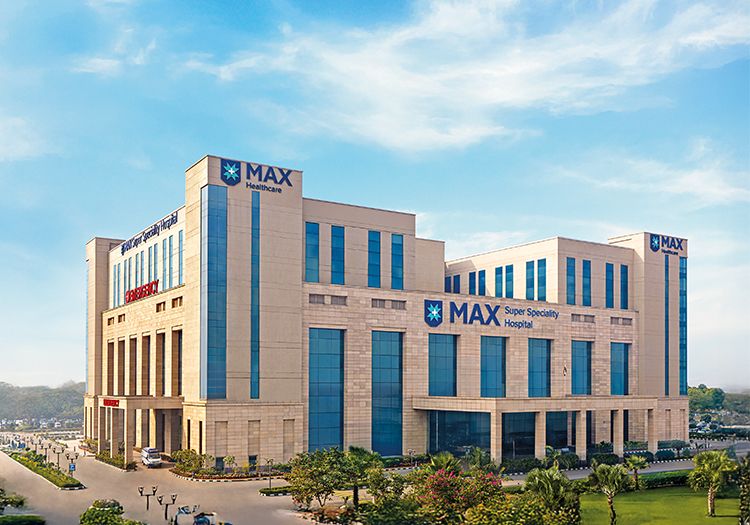
Jaypee Hospital Road, Goberdhanpur, Sector 128, Noida, Uttar Pradesh – 201304, India
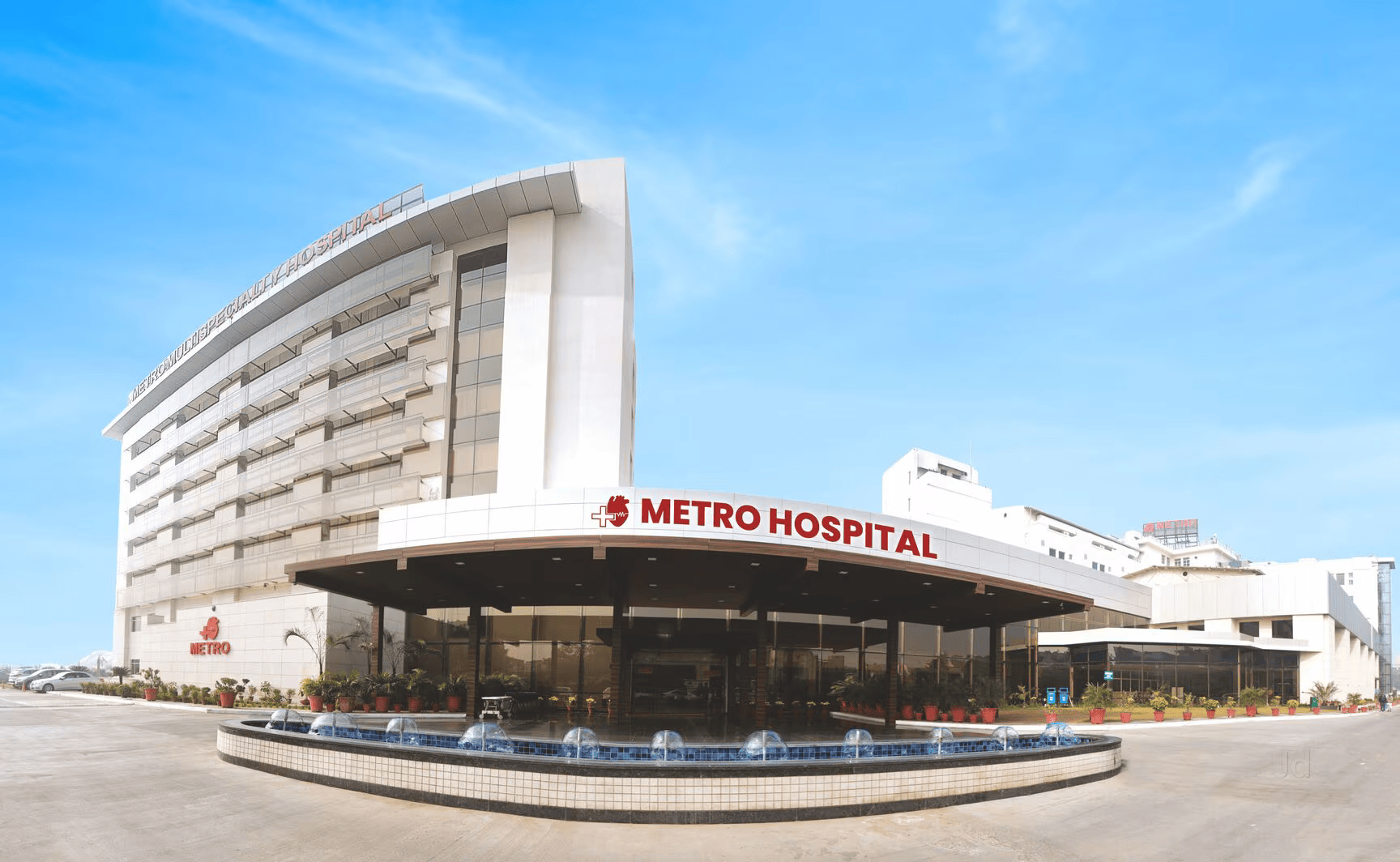
Sector 16A, Faridabad, Haryana – 121002, India
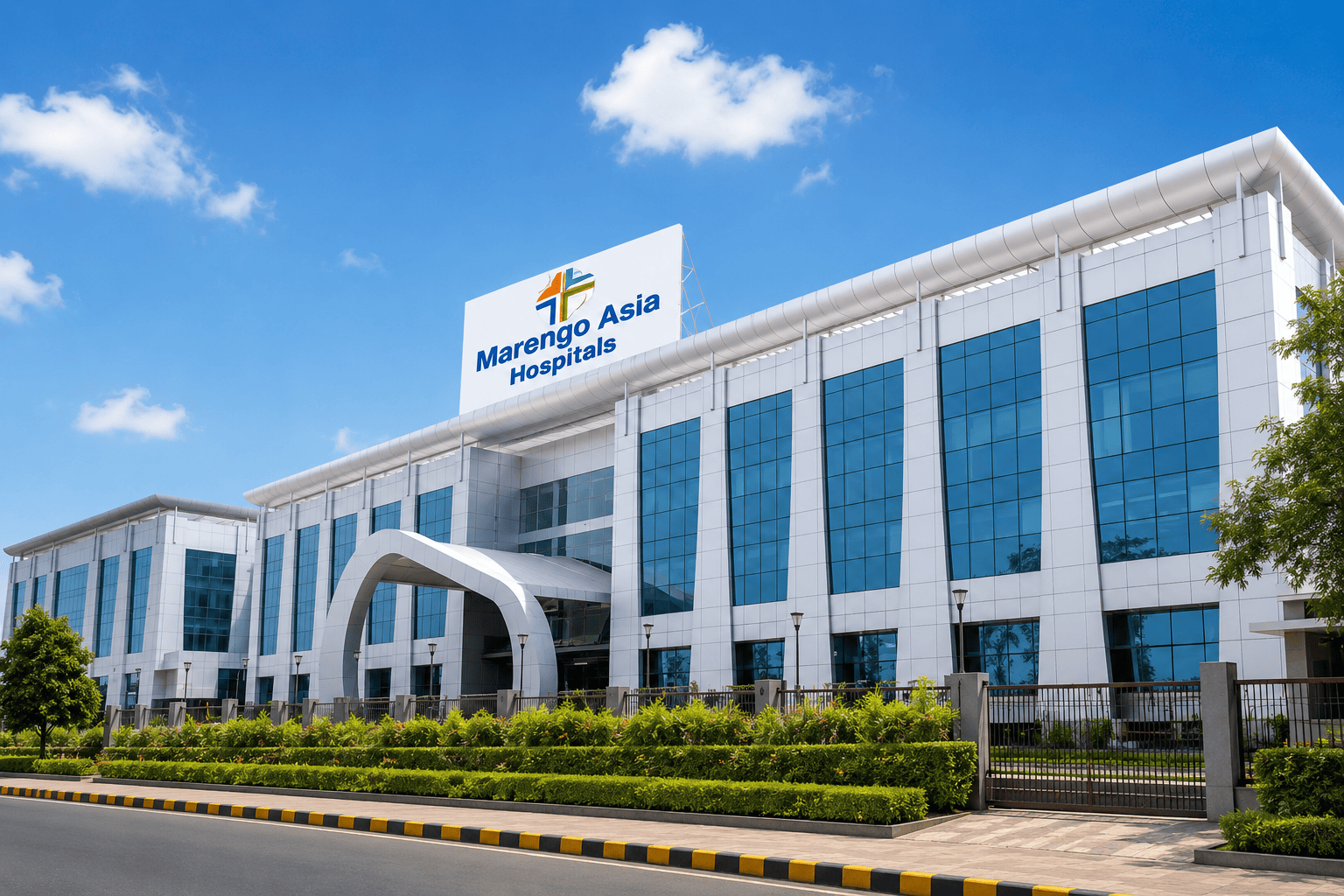
Plot No. 1, HUDA Staff Colony, Sector 16, Faridabad, Haryana – 121002, India
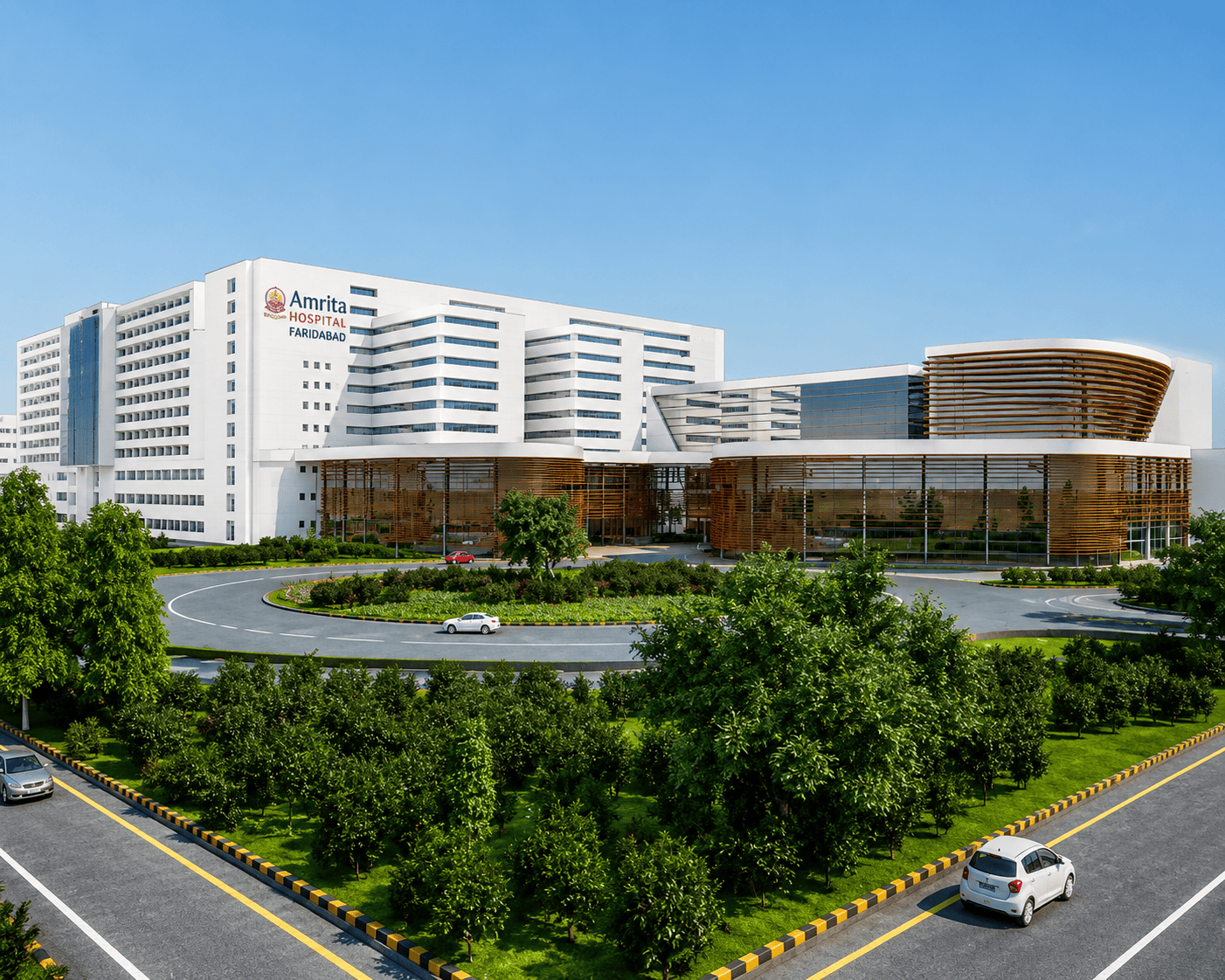
Mata Amritanandamayi Marg, Sector 88, Faridabad, Haryana – 121014, India
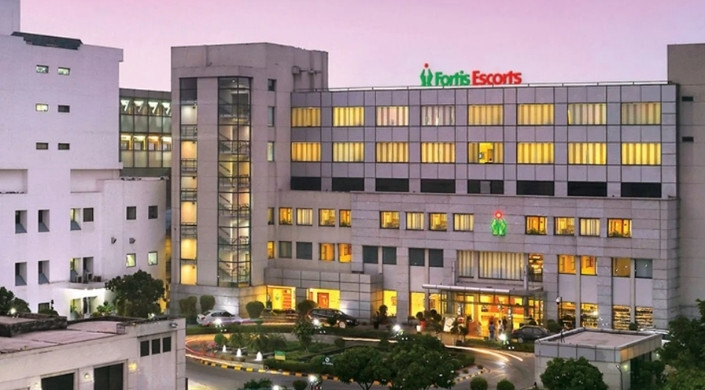
Okhla Road, Opposite Sukhdev Vihar Metro Station, New Delhi – 110025, India
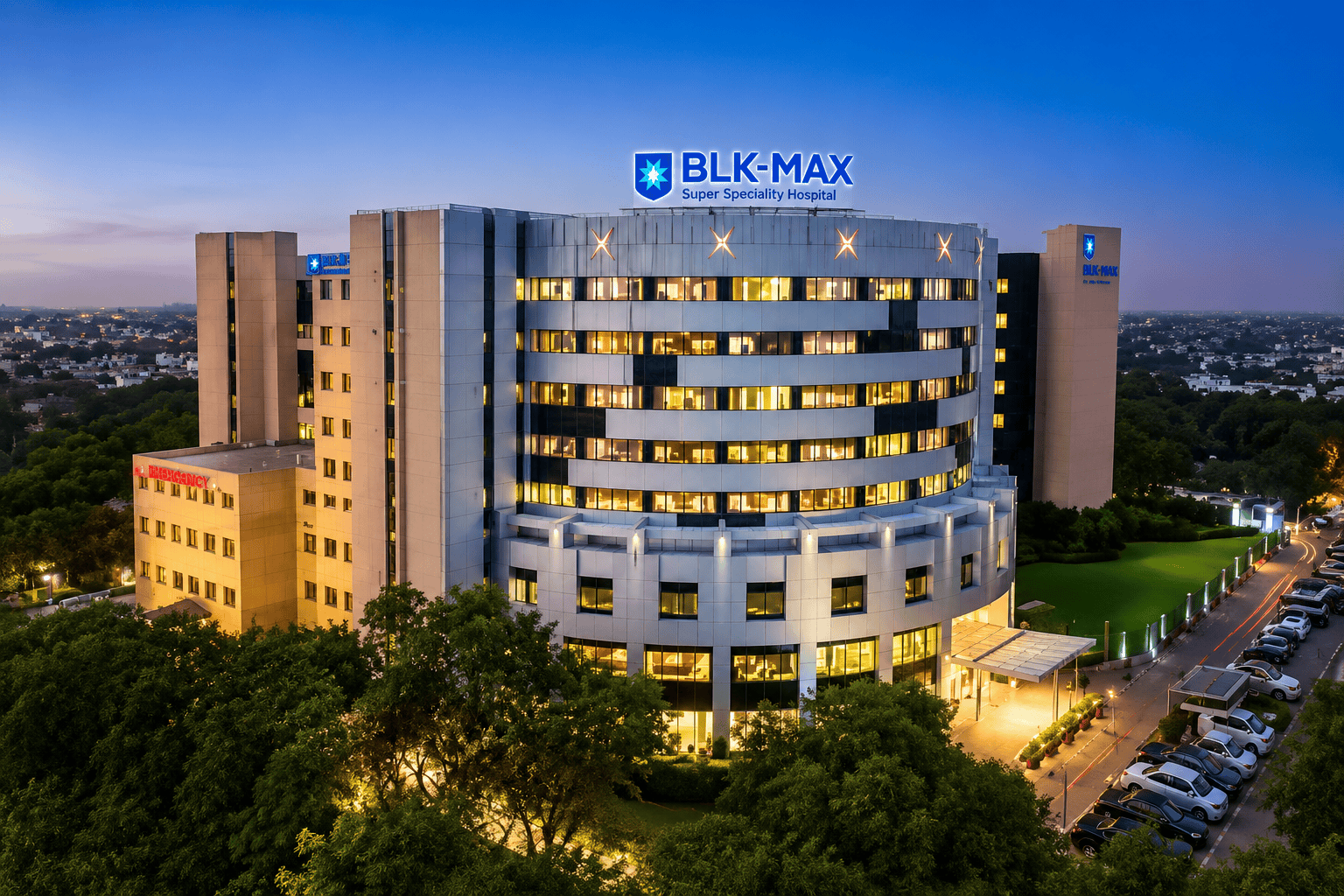
Pusa Road, Rajendra Place, New Delhi – 110005, India
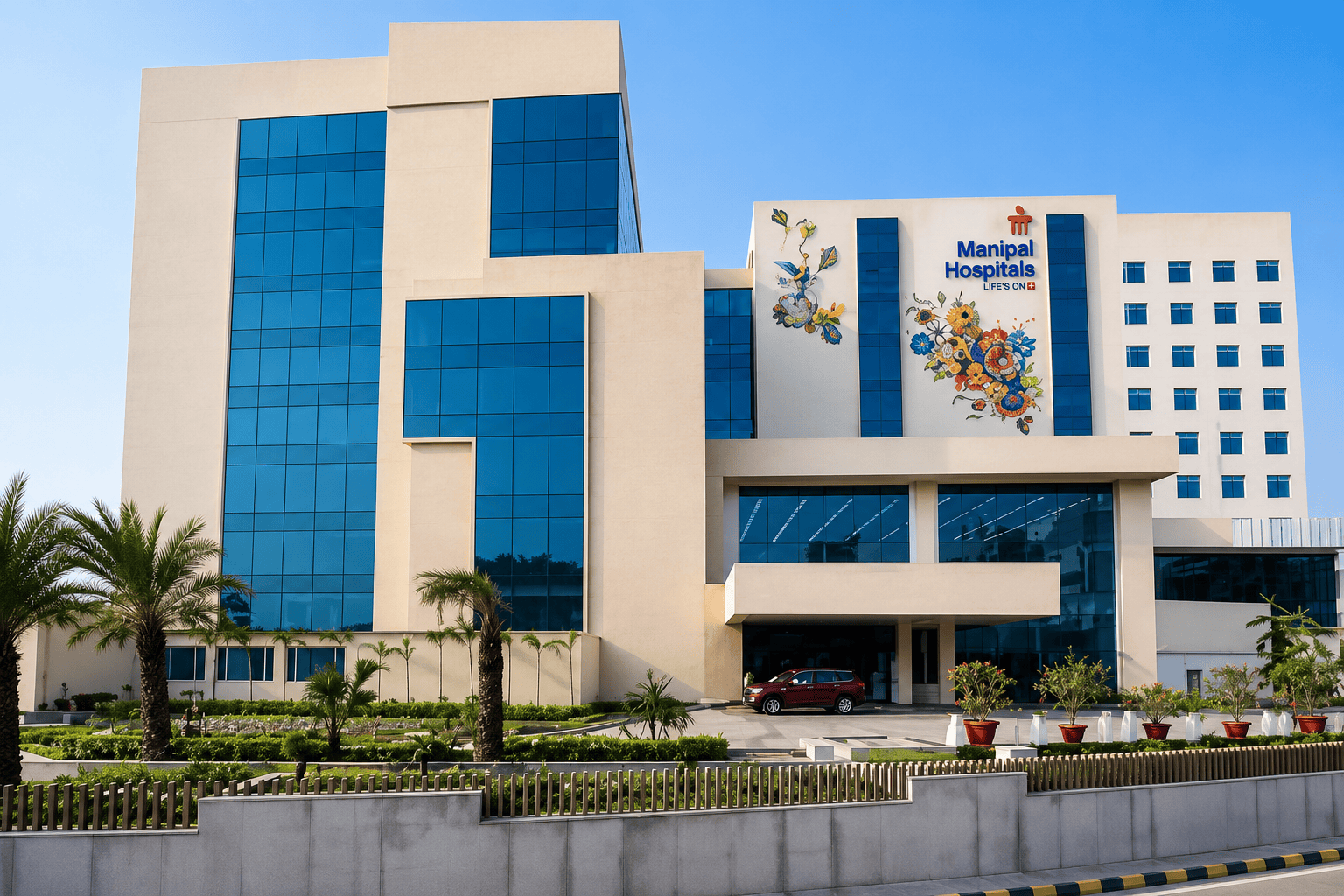
Palam Vihar, Sector 6, Dwarka, New Delhi – 110075, India
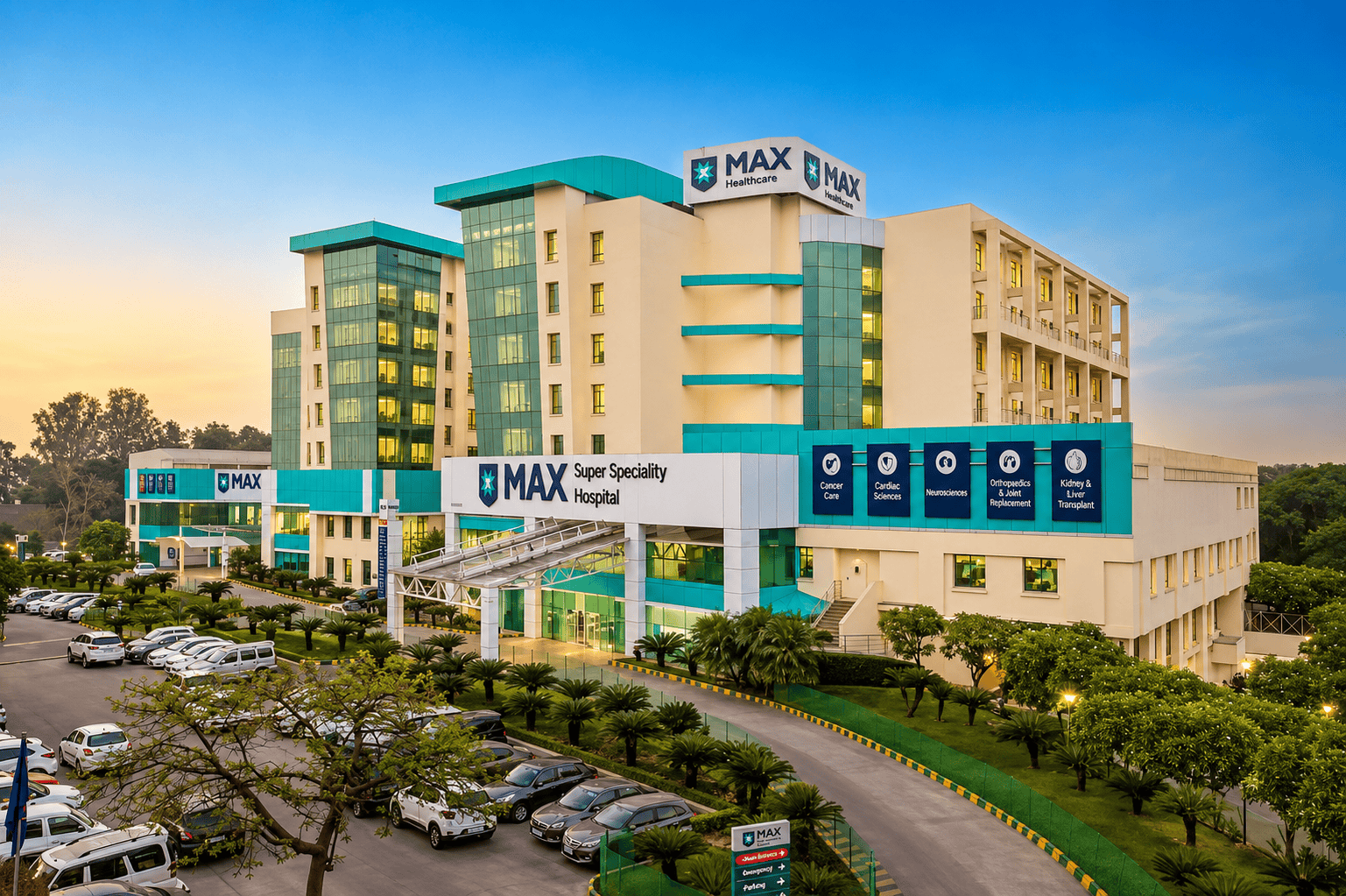
1 & 2, Press Enclave Road, Saket Institutional Area, Saket, New Delhi – 110017, India
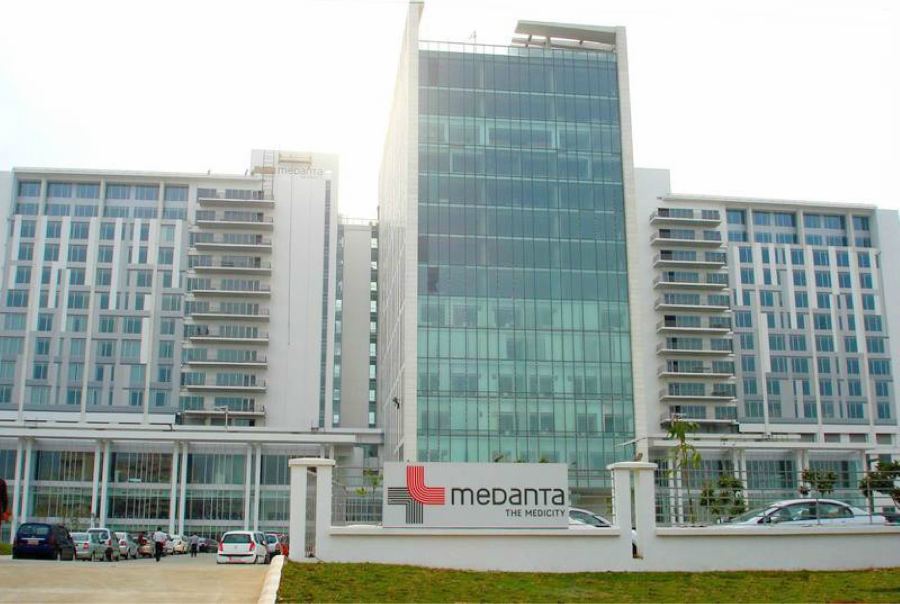
CH Baktawar Singh Road, Sector 38, Gurugram, Haryana – 122001, India
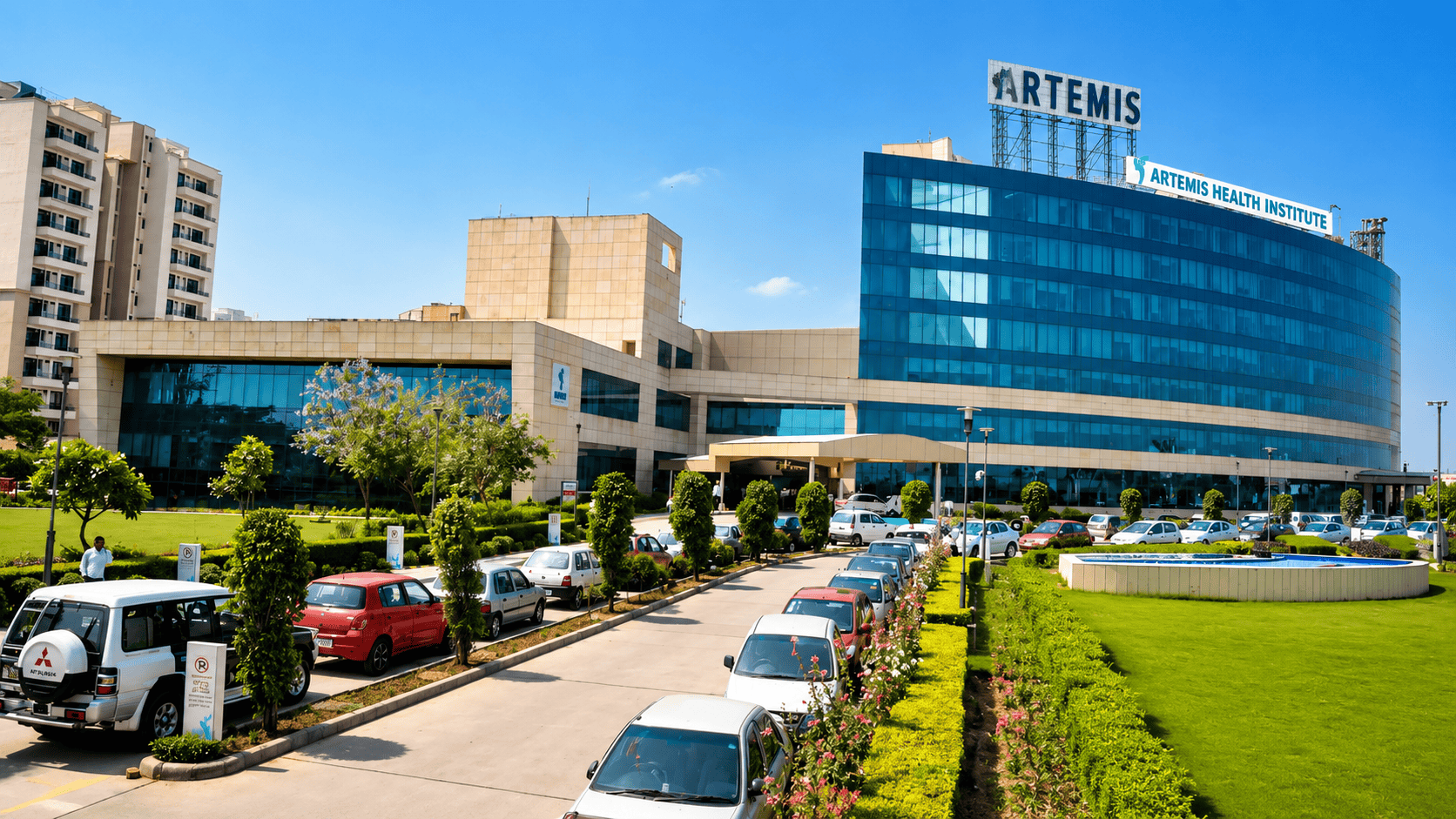
Sector 51, Gurugram, Haryana – 122018, India
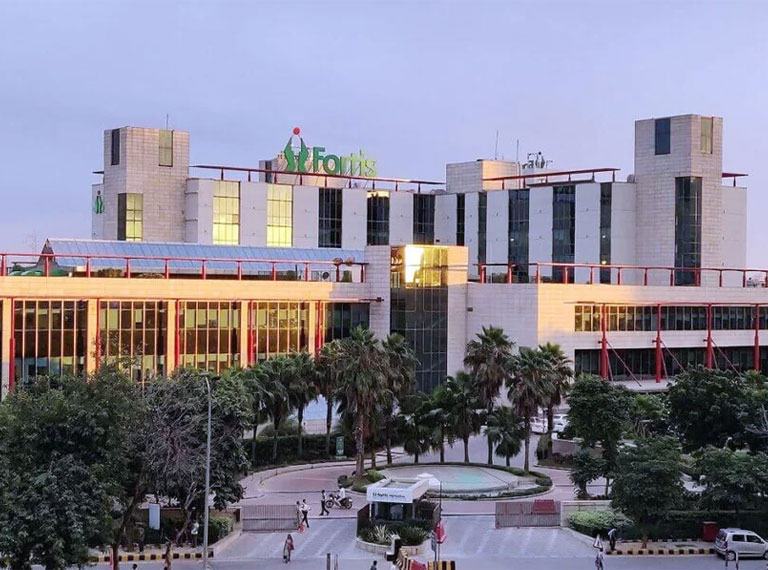
Sector - 44, Gurugram, Haryana – 122002, India
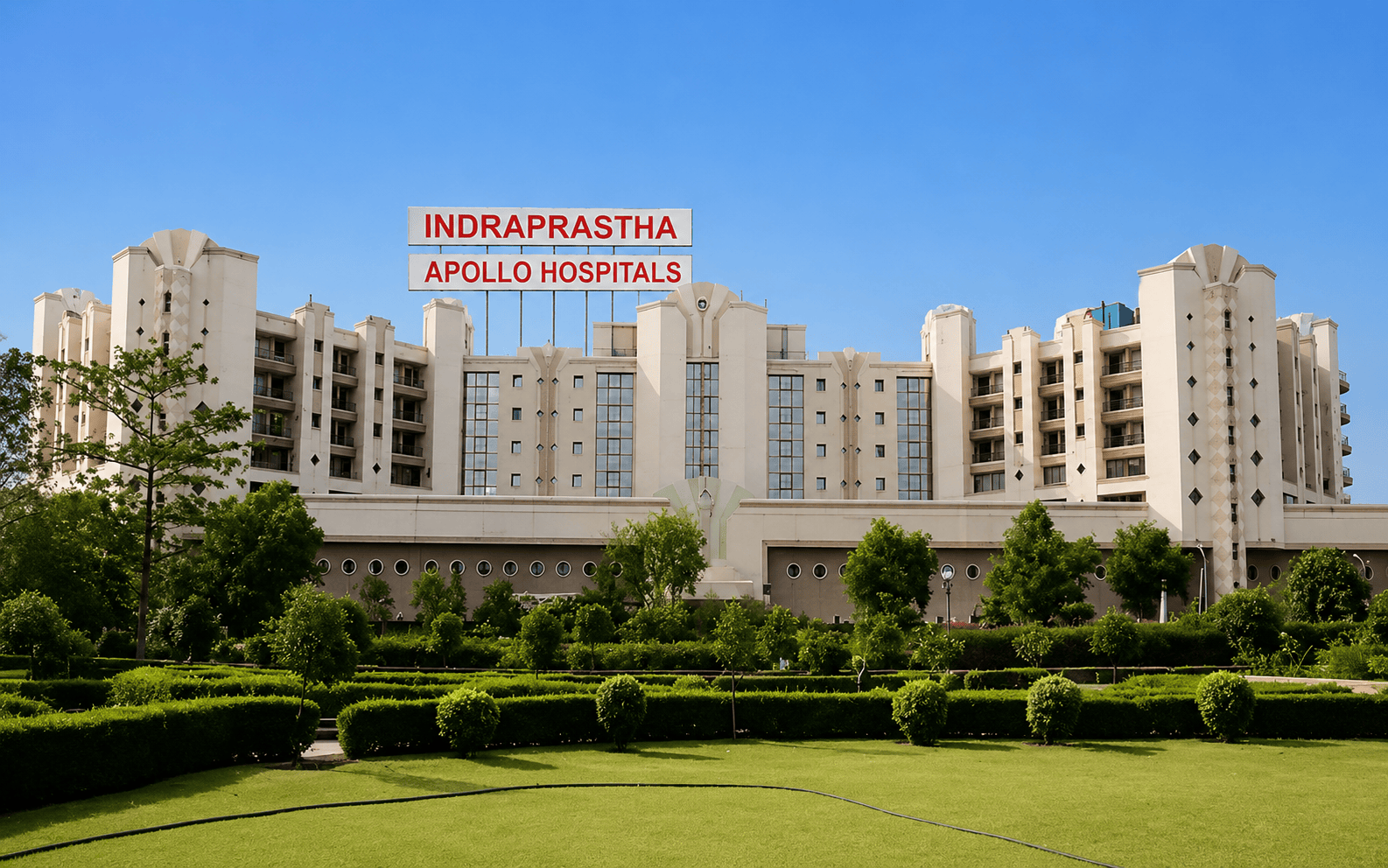
Sarita Vihar, Delhi-Mathura Road, New Delhi – 110076, India