
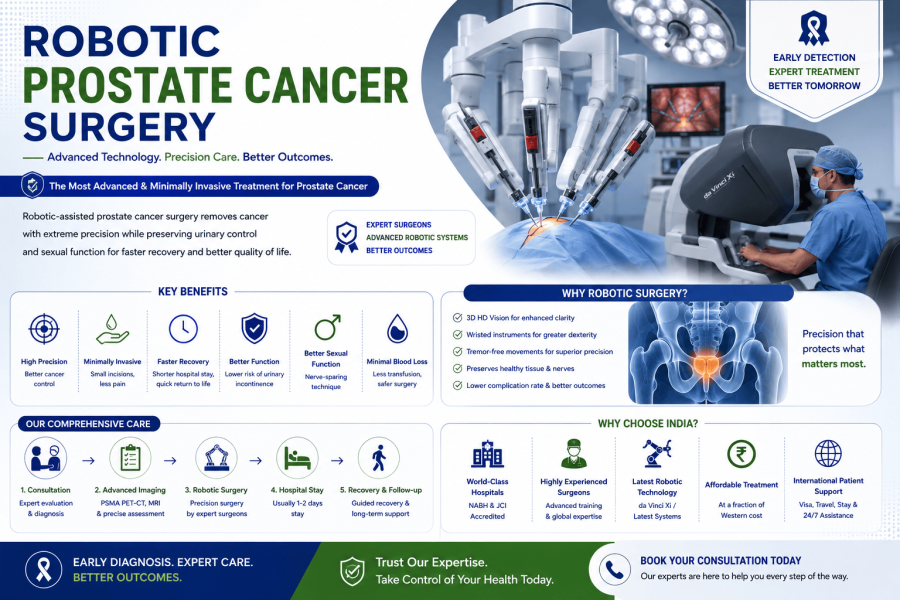
The procedure generally takes 2 to 4 hours, depending on the complexity of the cancer and whether pelvic lymph node dissection is performed.
Patients usually remain in the hospital for 2 to 4 days following robotic surgery.
General Anesthesia
7,000 to12,000*
Robotic Prostate Cancer Surgery in India is one of the most advanced and effective treatment options for men diagnosed with localized or locally advanced prostate cancer. The procedure uses state-of-the-art robotic technology to remove the cancerous prostate gland with exceptional precision while preserving surrounding nerves and tissues responsible for urinary continence and sexual function. Compared to conventional open surgery, robotic surgery offers smaller incisions, less blood loss, reduced pain, shorter hospital stays, faster recovery, and improved functional outcomes.
India has emerged as a preferred destination for Robotic Prostate Surgery in India, attracting patients from Africa, the Middle East, Europe, and other parts of the world. International patients choose India because of its highly experienced robotic urologists, internationally accredited hospitals, cutting-edge robotic surgical systems, and treatment costs that are significantly lower than those in countries such as the USA, UK, Australia, and Europe.
The most commonly performed robotic procedure is Robotic Radical Prostatectomy in India, where the entire prostate gland, seminal vesicles, and, when necessary, nearby lymph nodes are removed using robotic-assisted technology. The surgeon controls robotic arms from a specialized console, allowing highly precise movements with magnified 3D visualization, leading to excellent cancer control and improved quality of life.
Recent advancements in Prostate Cancer Treatment in India include the da Vinci Xi Robotic Surgical System, high-definition 3D imaging, fluorescence-guided surgery, nerve-sparing robotic techniques, Retzius-sparing robotic prostatectomy, pelvic lymph node mapping, AI-assisted surgical planning, enhanced recovery after surgery (ERAS) protocols, and precision pathology. These innovations have significantly improved surgical accuracy while minimizing complications and speeding recovery.
Whether you have early-stage prostate cancer, localized disease, high-risk prostate cancer, or are seeking a second opinion after diagnosis, India offers world-class robotic prostate cancer treatment with outstanding clinical outcomes and comprehensive care for international patients.
Early-stage prostate cancer may not produce noticeable symptoms. As the disease progresses, patients may experience:
Men over the age of 50 or those with a family history of prostate cancer should undergo regular screening for early detection.
Several factors increase the risk of prostate cancer:
Before undergoing Robotic Radical Prostatectomy in India, patients undergo a comprehensive evaluation to determine the stage of cancer and overall fitness for surgery.
Investigations may include:
International patients can share their reports online for expert review before travelling to India.
The surgery is performed under general anesthesia using the latest robotic surgical system.
The surgeon creates five to six tiny keyhole incisions through which robotic instruments and a high-definition camera are inserted. Sitting at a robotic console, the surgeon performs precise movements to remove the prostate gland while preserving vital nerves and blood vessels whenever oncologically safe.
Depending on the cancer stage, nearby pelvic lymph nodes may also be removed for accurate staging.
The bladder is then connected to the urethra, and a urinary catheter is temporarily placed to allow healing.
Compared to open surgery, robotic surgery offers:
Designed to preserve erectile function and urinary control whenever cancer location permits.
Performed when cancer involves the neurovascular bundles, requiring complete removal to achieve optimal cancer control.
Recommended for intermediate- and high-risk prostate cancer patients where lymph node evaluation is necessary.
An advanced minimally invasive approach that may help improve early urinary continence recovery in selected patients.
Leading hospitals in India offer the latest innovations in robotic prostate cancer surgery, including:
After surgery, patients are closely monitored by the urology team.
Postoperative care includes:
Most patients resume normal daily activities within two to four weeks following robotic surgery. Heavy lifting and strenuous activities should be avoided for several weeks.
Urinary continence gradually improves with pelvic floor exercises, while erectile function recovery depends on factors such as age, preoperative function, and whether nerve-sparing surgery was possible.
Regular PSA testing remains essential after surgery to ensure complete cancer control and detect any recurrence at an early stage.
With timely treatment and regular follow-up, many patients enjoy long-term cancer-free survival and an excellent quality of life.
Early-stage prostate cancer may not produce noticeable symptoms. As the disease progresses, patients may experience:
Men over the age of 50 or those with a family history of prostate cancer should undergo regular screening for early detection.
Several factors increase the risk of prostate cancer:
Before undergoing Robotic Radical Prostatectomy in India, patients undergo a comprehensive evaluation to determine the stage of cancer and overall fitness for surgery.
Investigations may include:
International patients can share their reports online for expert review before travelling to India.
The surgery is performed under general anesthesia using the latest robotic surgical system.
The surgeon creates five to six tiny keyhole incisions through which robotic instruments and a high-definition camera are inserted. Sitting at a robotic console, the surgeon performs precise movements to remove the prostate gland while preserving vital nerves and blood vessels whenever oncologically safe.
Depending on the cancer stage, nearby pelvic lymph nodes may also be removed for accurate staging.
The bladder is then connected to the urethra, and a urinary catheter is temporarily placed to allow healing.
Compared to open surgery, robotic surgery offers:
After surgery, patients are closely monitored by the urology team.
Postoperative care includes:
Most patients resume normal daily activities within two to four weeks following robotic surgery. Heavy lifting and strenuous activities should be avoided for several weeks.
Urinary continence gradually improves with pelvic floor exercises, while erectile function recovery depends on factors such as age, preoperative function, and whether nerve-sparing surgery was possible.
Regular PSA testing remains essential after surgery to ensure complete cancer control and detect any recurrence at an early stage.
With timely treatment and regular follow-up, many patients enjoy long-term cancer-free survival and an excellent quality of life.
India offers internationally trained robotic surgeons, advanced robotic technology, shorter waiting times, comprehensive care, and significantly lower treatment costs compared to many Western countries.
It is a minimally invasive robotic-assisted surgery to remove the prostate gland affected by cancer while preserving surrounding structures whenever possible.
Robotic surgery generally results in smaller incisions, less blood loss, reduced pain, shorter hospitalization, quicker recovery, and better preservation of urinary continence and sexual function in suitable patients.
Most patients return to light daily activities within two to four weeks, while complete recovery may take several weeks depending on individual health.
Yes. Hospitals in India provide complete assistance including medical visa support, airport transfers, accommodation, interpreter services, and follow-up consultations.
The Cost of Robotic Prostate Surgery in India is significantly lower than in the USA, UK, Europe, and Australia while maintaining international standards of quality and patient safety.
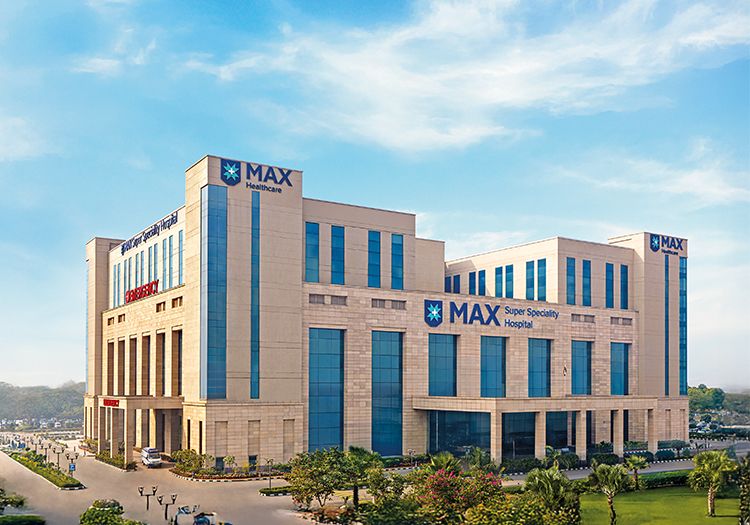
Jaypee Hospital Road, Goberdhanpur, Sector 128, Noida, Uttar Pradesh – 201304, India
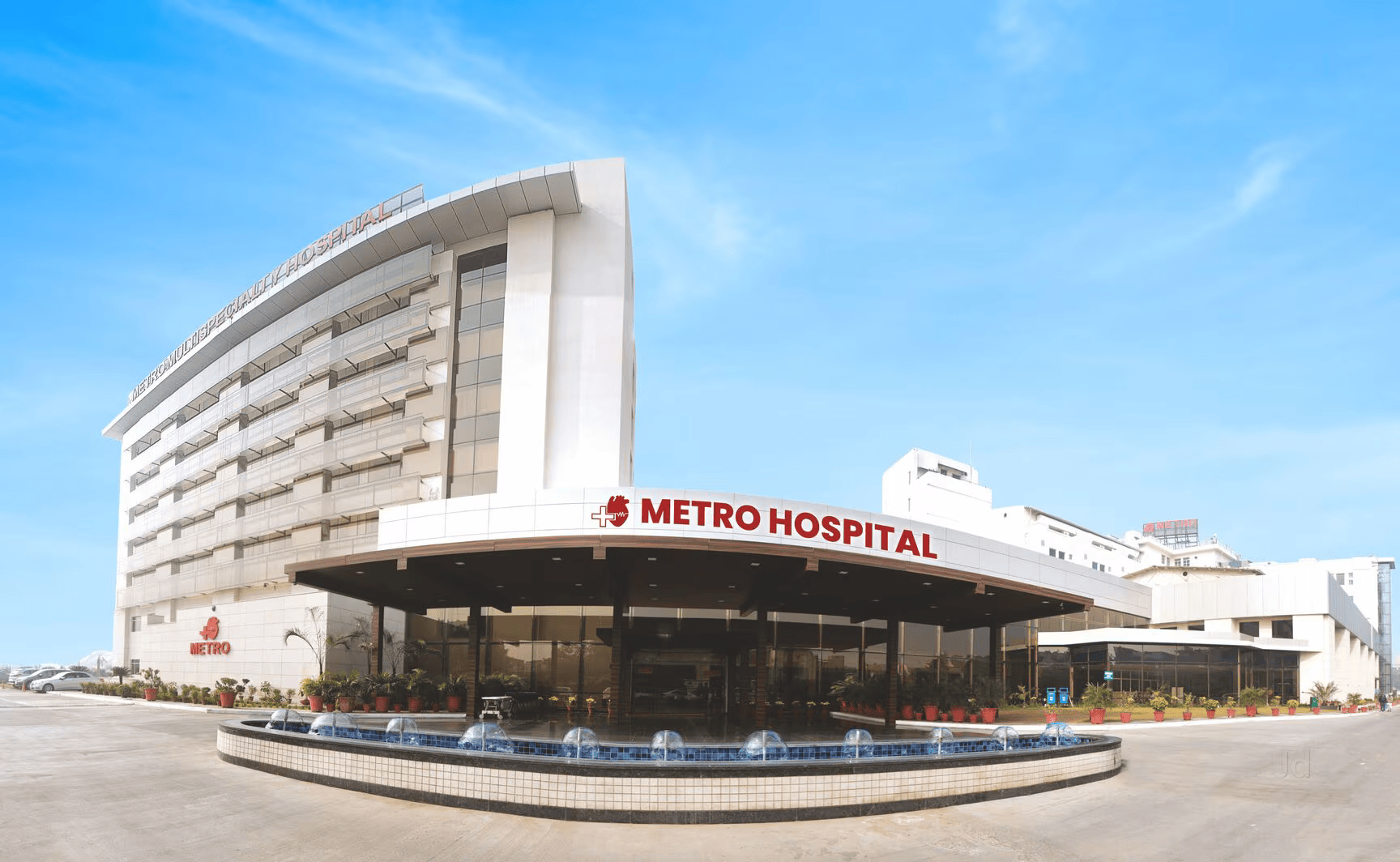
Sector 16A, Faridabad, Haryana – 121002, India
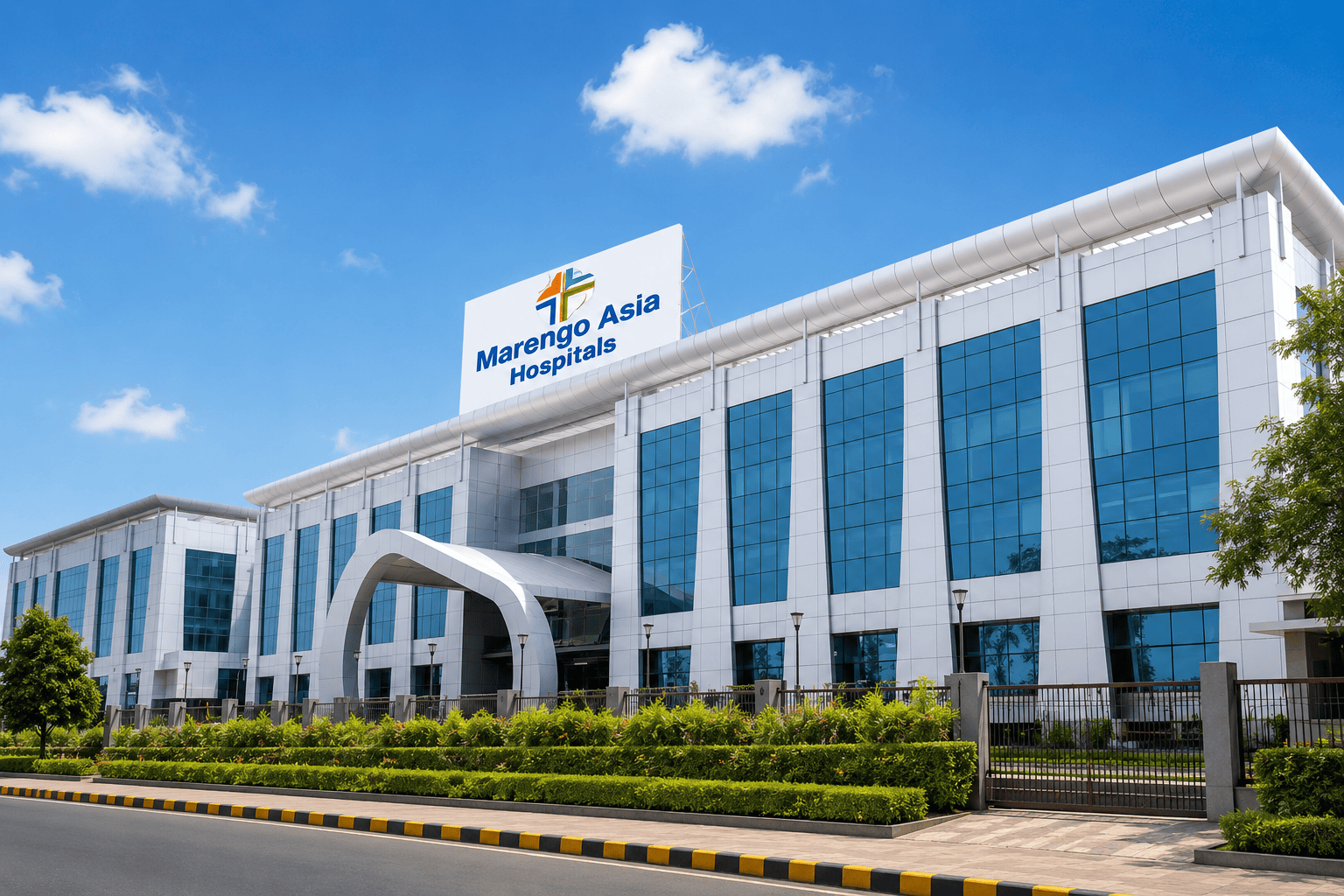
Plot No. 1, HUDA Staff Colony, Sector 16, Faridabad, Haryana – 121002, India
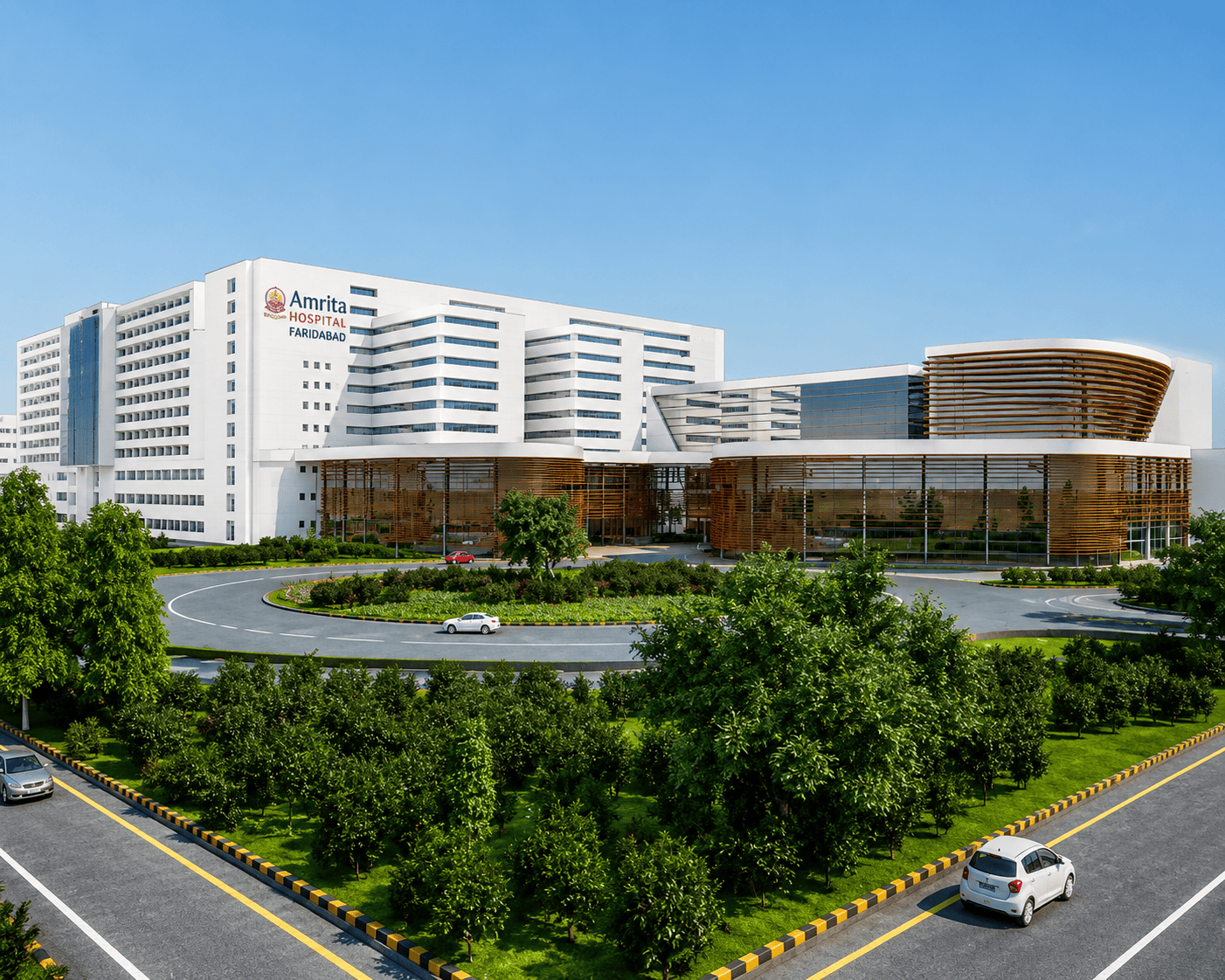
Mata Amritanandamayi Marg, Sector 88, Faridabad, Haryana – 121014, India
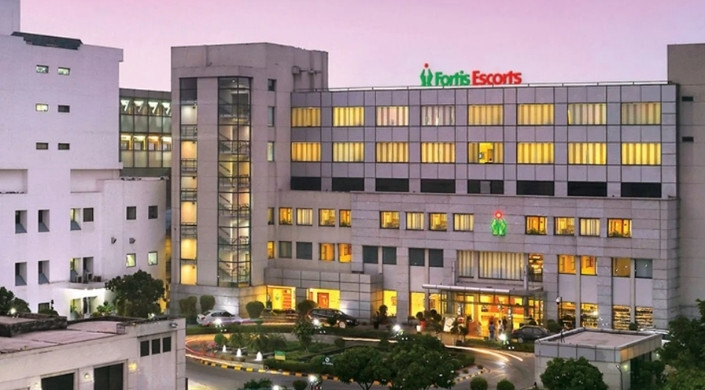
Okhla Road, Opposite Sukhdev Vihar Metro Station, New Delhi – 110025, India
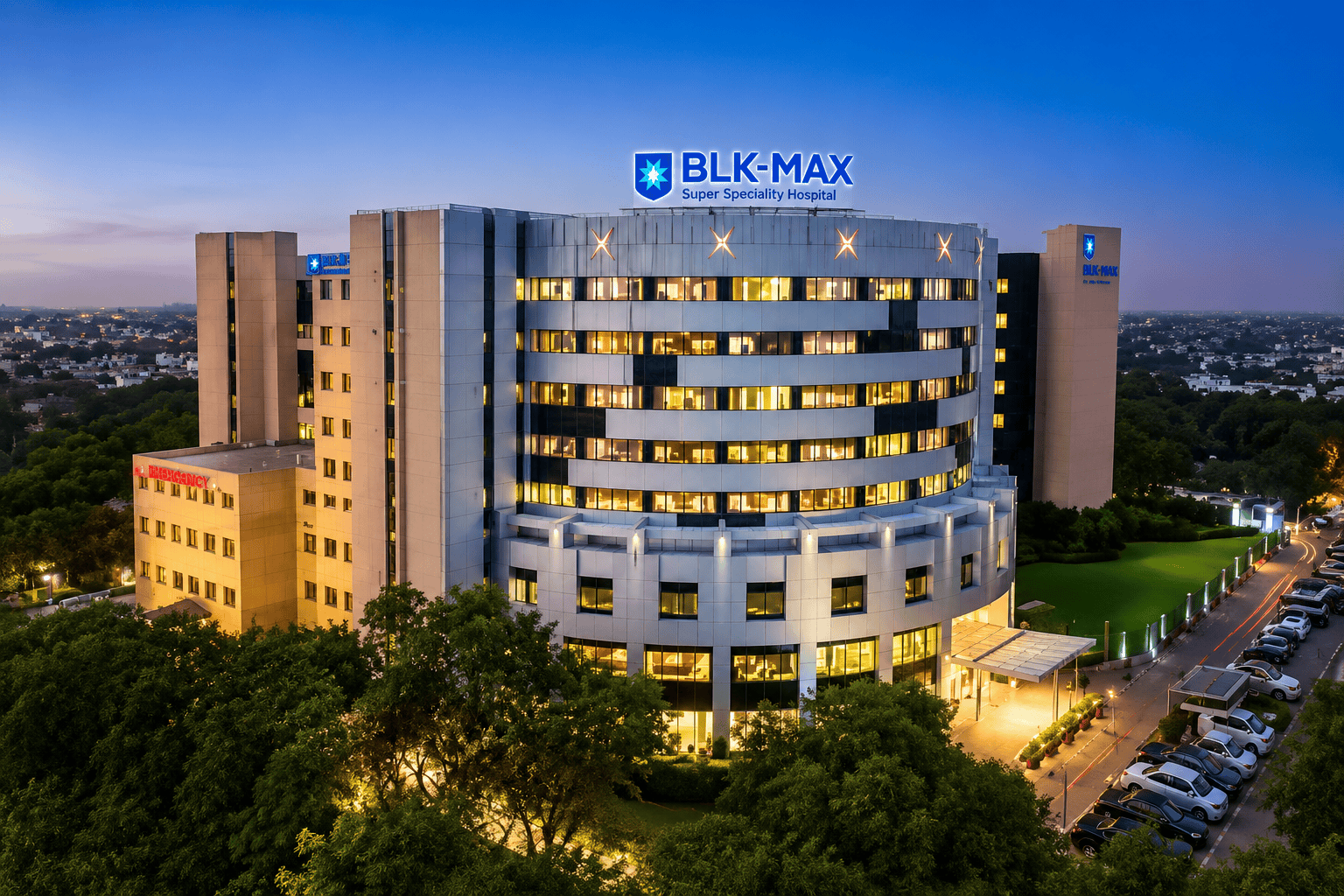
Pusa Road, Rajendra Place, New Delhi – 110005, India
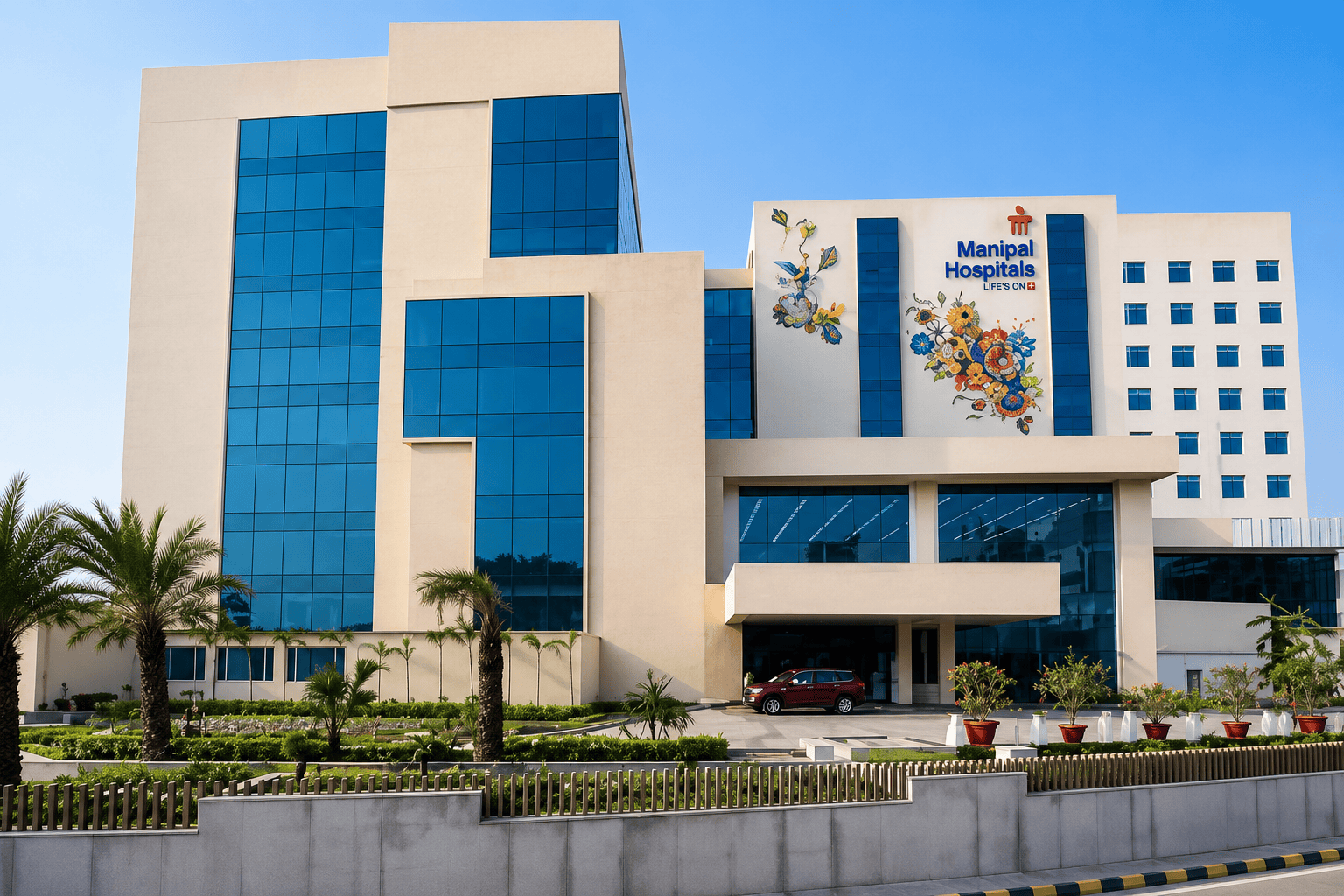
Palam Vihar, Sector 6, Dwarka, New Delhi – 110075, India
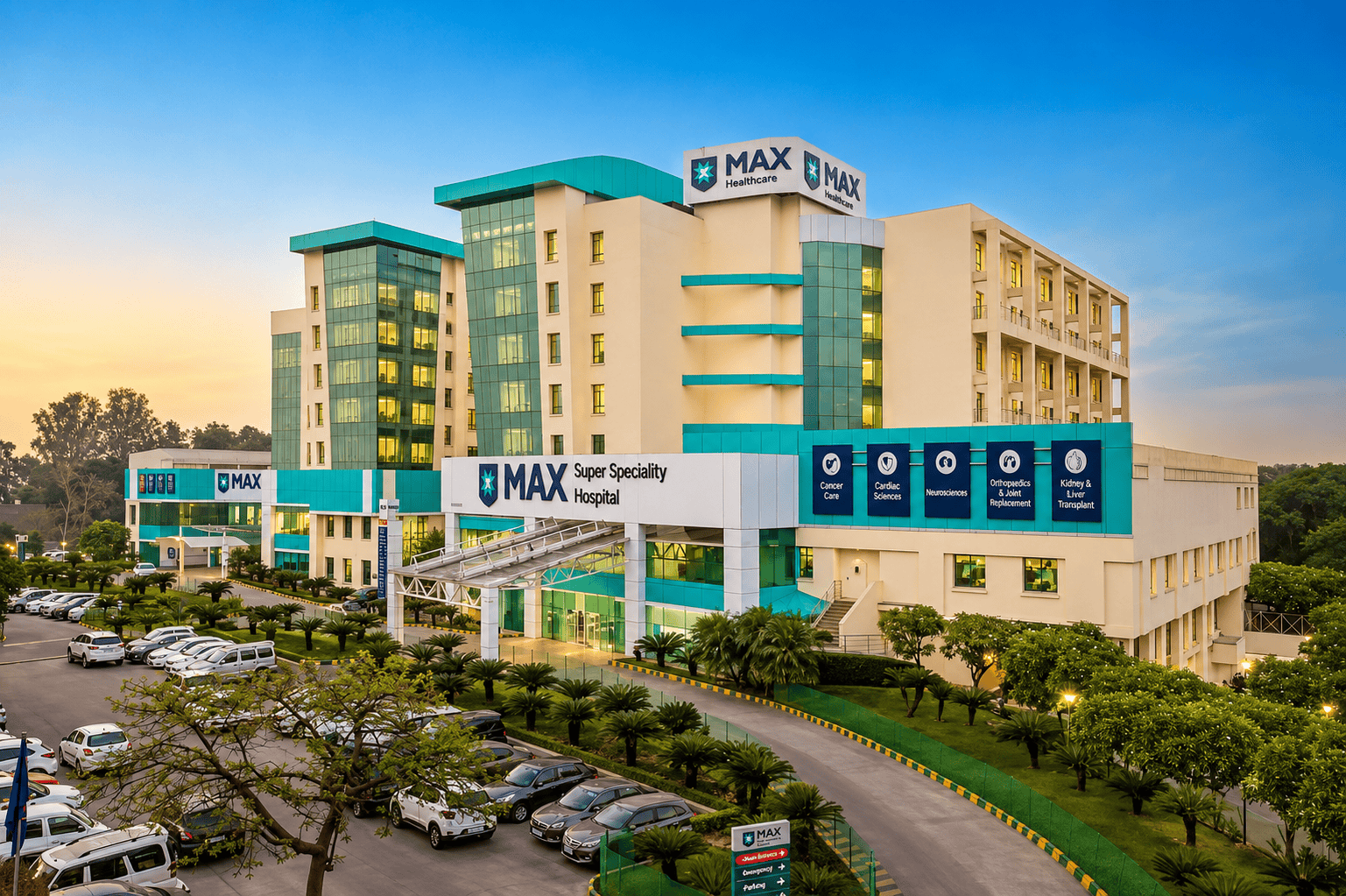
1 & 2, Press Enclave Road, Saket Institutional Area, Saket, New Delhi – 110017, India
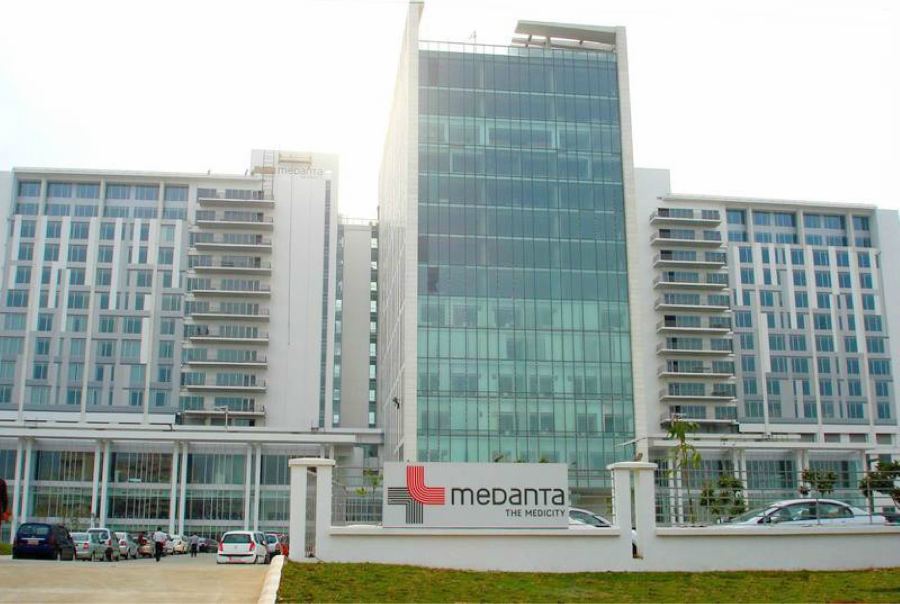
CH Baktawar Singh Road, Sector 38, Gurugram, Haryana – 122001, India
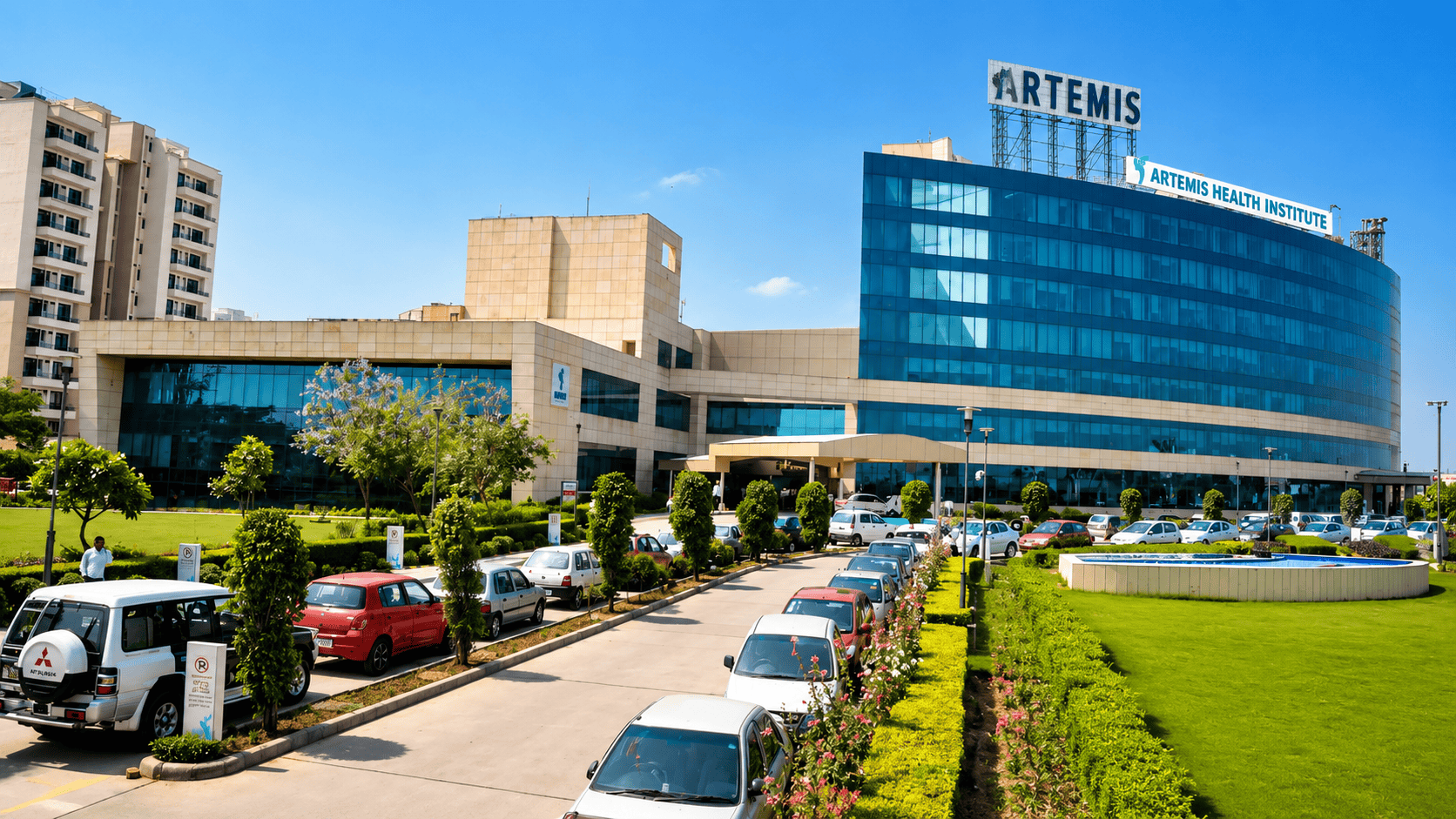
Sector 51, Gurugram, Haryana – 122018, India
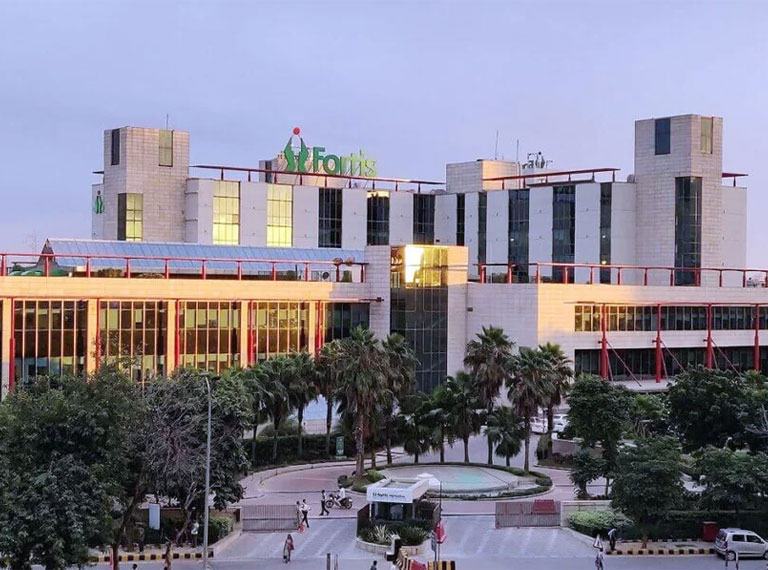
Sector - 44, Gurugram, Haryana – 122002, India
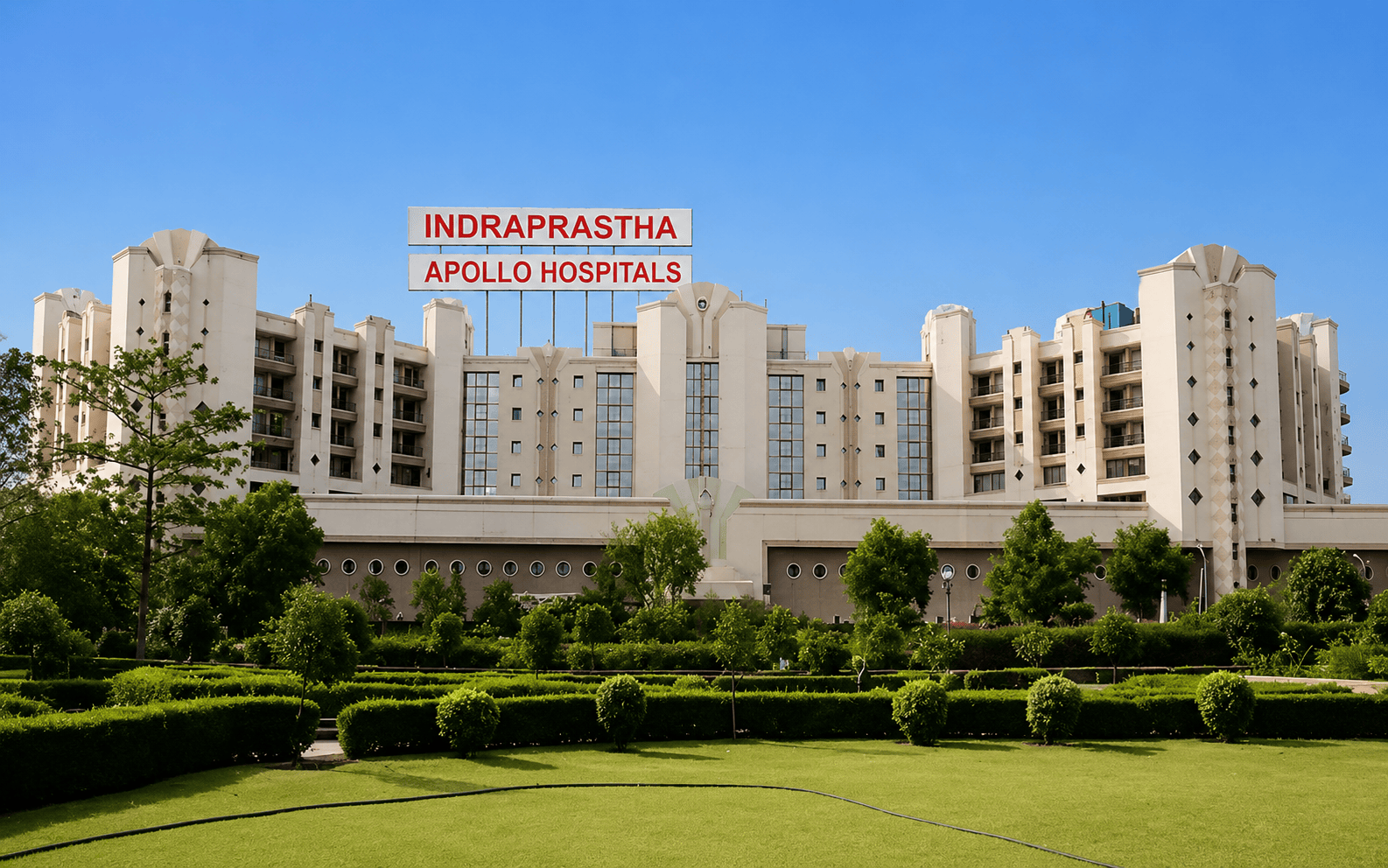
Sarita Vihar, Delhi-Mathura Road, New Delhi – 110076, India